










Celebrities Who Had a Gastric Balloon
Several television personalities and content creators have openly shared their experience with a gastric balloon, a non-surgical weight loss treatment that temporarily reduces the space in the stomach.

- Last updated
- 14 reads
- 7 min read
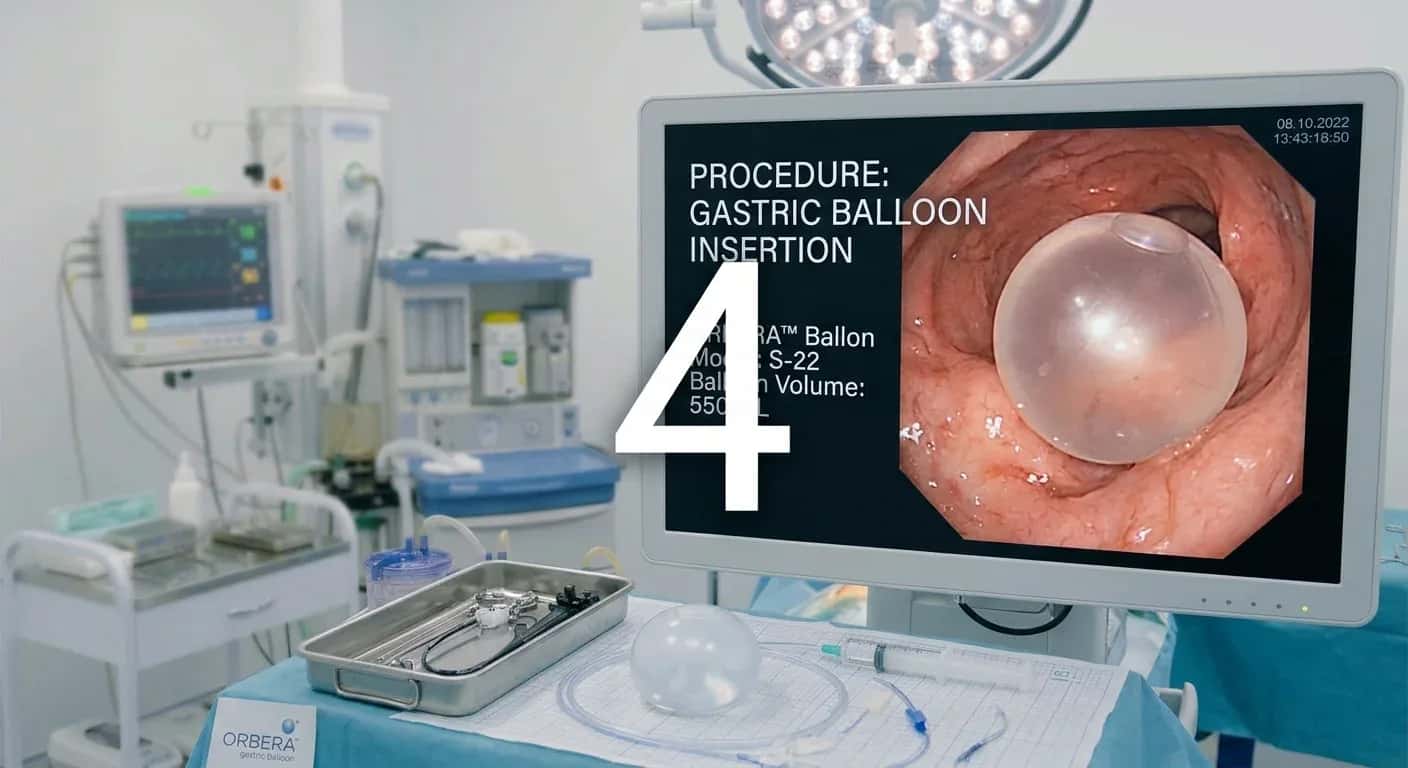


What Is a Gastric Balloon?
A gastric balloon, also called an intragastric balloon, is a soft silicone device that a medical team places in the stomach and then fills with saline or, in some designs, gas. Once inflated, it takes up part of the stomach's volume, so you feel full sooner and tend to eat smaller portions.
The balloon is temporary. Depending on the type, it stays in place for several months before a doctor removes it or it deflates and passes naturally. It does not involve cutting, stapling or permanently changing the digestive system, which sets it apart from weight loss surgery such as a gastric sleeve or bypass.
Doctors usually present the balloon as a tool within a broader programme of dietary change, physical activity and follow-up support. The balloon helps control hunger and portion size during the months it is in place, while the habits built in that period largely decide what happens afterward.
Celebrities Who Have Shared Their Gastric Balloon Experience
The following public figures have talked about their own gastric balloon in social media posts, videos and interviews. Their stories offer a candid look at both the motivation behind the procedure and the reality of living with it.
Jackie Matubia
Actress Jackie Matubia shared in 2022 that she had a swallowable gastric balloon fitted a few months after the birth of her second child. She posted regular progress updates with her followers and spoke honestly about the first days after the procedure, warning that nausea and vomiting can be difficult at the start and encouraging others to stay well hydrated. Her openness made her one of the most widely followed gastric balloon stories in her region.
Catherine Kamau
Catherine Kamau, known to television audiences as Kate Actress, revealed in May 2022 that she had chosen a gastric balloon. She explained that months of gym sessions had not produced the change she wanted and that she wanted to feel healthier and more confident, partly to prepare for an acting role. She also stressed that the balloon is not a quick fix and that portion control, lighter eating and regular movement still do most of the work.
Maureen Waititu
Content creator Maureen Waititu has spoken about having a gastric balloon and has shared her journey with followers through social media and video. She has said that her goal was not only to lose weight but to keep it off for the rest of her life, and she later shared content comparing her progress over the years that followed. Her focus on long-term maintenance reflects one of the most important lessons of the procedure.
Kelvin Kinuthia
TikTok creator Kelvin Kinuthia announced in late 2022 that he had undergone a gastric balloon procedure and filmed parts of the process for his audience. In 2025 he shared that he had begun a weight loss medication, which shows how many people move between different approaches over time as their goals and circumstances change.
What Do These Celebrity Stories Have in Common?
Although each person describes a different experience, several common themes run through their stories:
- Frustration with earlier attempts, with some describing months of exercise or dieting that did not deliver the results they wanted.
- A preference for a non-surgical option, choosing a temporary device rather than a permanent operation as their first step.
- Difficult first days, with nausea, vomiting and discomfort mentioned as the hardest part of early adjustment.
- An emphasis on lifestyle change, with several stressing that the balloon only works alongside portion control and regular activity.
- A long-term view, recognising that the real challenge is keeping weight off after the balloon has gone.
How Does a Gastric Balloon Work?
A gastric balloon works by occupying part of the stomach, which creates an earlier sense of fullness and helps reduce the amount of food you eat at each meal. Some research suggests it may also slow the emptying of the stomach, which can extend that feeling of fullness after eating.
Endoscopic Gastric Balloons
The most established type is placed during an endoscopy. A doctor guides a thin, flexible camera through the mouth into the stomach, positions the deflated balloon and fills it with saline. Patients usually receive sedation, and the procedure typically takes a short time. The balloon generally stays in place for around six months, although some designs remain for longer, and a doctor removes it with another endoscopy at the end of the treatment period.
Swallowable Gastric Balloons
A newer type comes inside a capsule that the patient swallows, attached to a thin tube. Once an X-ray confirms that the capsule has reached the stomach, the team fills the balloon through the tube and then removes the tube. After several months, the balloon opens and empties on its own and passes naturally through the digestive system, so no endoscopy or sedation is usually needed. Since this option is so simple to deliver, regulators in some countries have looked closely at where and how it is offered, and a proper medical assessment beforehand remains essential.
Who Is a Suitable Candidate for a Gastric Balloon?
A gastric balloon usually suits adults who are living with overweight or obesity and who have not reached their goals through diet and exercise alone, but who either do not qualify for weight loss surgery or prefer not to have it. Doctors assess body mass index, general health and any weight-related conditions before recommending the procedure.
Some people also use the balloon to lose weight before another medical procedure, when a lower weight would reduce surgical risks. Others choose it as an introduction to structured lifestyle change, using the months with the balloon to build new habits around eating and activity.
The balloon is not suitable for everyone. Previous stomach surgery, certain stomach or oesophageal conditions, large hiatal hernias, active ulcers, some medications and pregnancy can rule it out. A thorough medical assessment, including a review of your history and current medications, helps the team decide whether it is safe and appropriate for you.
What Side Effects and Risks Should You Expect?
Most people experience some side effects as the body adjusts to the balloon, and a small number face more serious complications:
- Nausea and vomiting, which are common in the first days and usually ease as the stomach adapts.
- Cramping and abdominal discomfort, often linked to the stomach adjusting to the device.
- Acid reflux and indigestion, which some people notice throughout the treatment period.
- Dehydration, especially if vomiting makes it hard to keep fluids down in the early phase.
- Rarer complications, including balloon deflation, blockage of the bowel, stomach ulcers, overinflation and inflammation of the pancreas, which require prompt medical attention.
Severe or persistent pain, repeated vomiting that prevents you from drinking, signs of dehydration or any sudden change in how you feel all warrant urgent contact with your medical team.
What Happens After the Balloon Is Removed?
Once the balloon is removed or has passed, the stomach returns to its normal capacity, and the feeling of early fullness fades. This is the point at which the habits built during treatment become decisive, because without the balloon's help, old eating patterns can return quickly.
Many programmes therefore include nutritional guidance and follow-up support that continue after the balloon has gone. People who keep up portion control, regular meals, physical activity and contact with a dietitian or support team generally have a better chance of maintaining their weight loss.
Some people regain weight after removal and later consider other options, such as a second balloon, weight loss medication or surgery. Kelvin Kinuthia's later move to medication reflects this reality. Discussing a plan for life after the balloon before the procedure starts helps set realistic expectations.
How Does a Gastric Balloon Compare With Weight Loss Surgery?
The main difference is that a gastric balloon is temporary and non-surgical, while weight loss surgery permanently changes the stomach or digestive system. A gastric sleeve removes a large part of the stomach, and a gastric bypass reroutes the digestive tract, both of which require general anaesthesia and a hospital stay.
Weight loss surgery generally produces larger and more lasting weight loss, which is why doctors often recommend it for people with severe obesity or serious weight-related health conditions. It also carries higher surgical risks and requires lifelong nutritional follow-up.
A gastric balloon involves less recovery time and leaves the anatomy unchanged, which makes it appealing for people with moderate weight to lose or those who want to avoid surgery. Its effect is more modest and depends heavily on the changes a person maintains after removal.
Why Celebrity Results Are Not a Reliable Benchmark
Celebrity gastric balloon stories can be motivating, but they rarely show the full picture. Public figures often share their most positive updates, while difficult days, plateaus and weight regain are less likely to appear in their feeds.
Many also have access to nutritionists, personal trainers and flexible schedules that make lifestyle change easier to sustain. In some cases, clinics or device companies support high-profile patients as part of marketing campaigns, which can shape how the experience is presented.
Each body responds differently to the balloon, depending on starting weight, metabolism, health conditions and daily routine. The most reliable guide to your own likely outcome is an honest conversation with a medical team that has assessed you in person.
Sources:
- Last updated
- Language
- English
How did you find this article?
This guide compares gallbladder surgery costs around the world in 2026, including laparoscopic cholecystectomy, open surgery, hospital packages, insurance, and medical travel expenses.
This guide compares blepharoplasty costs around the world in 2026, including upper, lower, combined eyelid surgery, treatment inclusions, insurance, and medical travel expenses.
A kidney transplant is a treatment for kidney failure that places a healthy donor kidney into the body to do the work the kidneys can no longer do well. For many people who are medically eligible, it can offer more freedom, better daily energy and improved quality of life compared with dialysis.

Subscribe to the Medifinder newsletter and never miss our latest content.