










Warning Signs That Your Heart Health May Be at Risk
Learn the common warning signs of heart problems, including chest pain, breathlessness, fatigue, palpitations and swelling, and discover when to seek urgent care.

- Last updated
- 113 reads
- 10 min read


Heart problems do not always begin with dramatic chest pain. Some conditions develop quietly and cause symptoms that seem easy to dismiss, such as unusual tiredness, shortness of breath, indigestion or reduced exercise tolerance. Recognising these changes early can help you seek medical care before the problem becomes more serious.
No single symptom confirms heart disease. Anxiety, anaemia, lung conditions, infections and digestive problems can produce similar complaints. However, you should not ignore persistent, unexplained or worsening symptoms, particularly when you have diabetes, high blood pressure, high cholesterol, obesity, a smoking history or a close relative with early heart disease.
Sudden chest pressure, severe breathlessness, fainting or pain spreading to the arm, jaw or back requires urgent medical attention. In these situations, do not wait for the symptoms to pass or attempt to diagnose yourself at home.
1. Chest Pressure, Tightness or Pain
Chest discomfort remains one of the best-known warning signs of a heart problem, but it does not always feel like sharp pain. You may experience pressure, squeezing, burning, heaviness or a sensation that something is sitting on your chest.
Heart-related discomfort often appears during physical effort, emotional stress or cold weather. It may improve with rest and return when you become active again. This pattern can suggest that the heart muscle is not receiving enough oxygen-rich blood.
You may also feel discomfort in the centre or left side of the chest. However, the location alone cannot confirm the cause. Reflux, muscle strain and anxiety can produce similar sensations.
Seek emergency help when chest pressure lasts more than a few minutes, keeps returning or appears with sweating, nausea, breathlessness, weakness or pain spreading elsewhere.
2. Pain That Spreads Beyond the Chest
Heart-related pain may spread to the left arm, but it can also affect both arms, the shoulders, neck, jaw, upper abdomen or back.
Some people feel little chest discomfort and mainly notice jaw pressure, shoulder pain or a heavy ache between the shoulder blades. This can make the problem easier to mistake for a dental, muscular or digestive issue.
The risk becomes more concerning when the pain begins with exertion or accompanies sweating, nausea, dizziness or difficulty breathing.
Do not drive yourself to hospital when you suspect a heart attack. Emergency services can begin assessment and treatment on the way.
3. Shortness of Breath
Breathlessness can develop when the heart cannot pump blood efficiently or when fluid begins collecting in the lungs. You may notice that ordinary activities, such as climbing stairs, walking uphill or carrying groceries, suddenly require more effort.
Some people become short of breath while resting. Others wake during the night feeling unable to breathe comfortably or need several pillows to sleep.
Lung disease, low fitness, anaemia and anxiety may also cause breathlessness. Even so, a new or progressive change deserves medical assessment.
Seek urgent care if shortness of breath appears suddenly, becomes severe or occurs with chest pain, blue lips, confusion or fainting.
4. Unusual or Persistent Fatigue
Everyone feels tired after poor sleep or a demanding week. Heart-related fatigue often feels different. You may notice that basic tasks become unexpectedly difficult, even though your routine has not changed.
Reduced blood flow can limit the oxygen reaching your muscles and organs. You may feel weak, drained or unable to complete activities that previously caused no difficulty.
Some people, particularly women and older adults, report intense fatigue before or during a heart-related event without severe chest pain.
Persistent tiredness can also result from thyroid disease, iron deficiency, infection, depression or sleep apnoea. If it continues, worsens or accompanies breathlessness and chest discomfort, arrange a medical evaluation.
5. Palpitations or an Irregular Heartbeat
Palpitations may feel like fluttering, pounding, racing or skipped beats. Caffeine, stress, dehydration and lack of sleep can trigger harmless episodes, but an irregular rhythm may also indicate a heart-rhythm disorder.
Pay attention to how long the episodes last and whether they begin suddenly. Note whether you develop dizziness, chest discomfort, weakness or breathlessness at the same time.
A rapid or irregular heartbeat that persists deserves assessment. You may need an electrocardiogram or longer rhythm monitoring because some abnormalities do not appear during a brief clinic visit.
Seek urgent care when palpitations occur with fainting, severe chest pain, major breathlessness or signs of a stroke.
6. Dizziness, Near-Fainting or Fainting
Fainting can occur when the brain temporarily receives insufficient blood flow. Heat, dehydration, pain and standing up quickly can cause it, but heart-rhythm problems or structural heart disease may also reduce circulation.
Fainting during exercise raises particular concern. The same applies when it occurs without warning or alongside chest pain and palpitations.
Do not dismiss repeated episodes as simple weakness. Your doctor may review blood pressure, heart rhythm, medicines and neurological causes.
Call for emergency help if someone faints and does not recover quickly, has breathing difficulty, develops weakness on one side or suffers an injury during the fall.
7. Swelling in the Feet, Ankles or Legs
Swelling may develop when the heart cannot move blood forward effectively and fluid collects in the lower body. You may notice tight shoes, sock marks or puffiness around both ankles.
Heart-related swelling often becomes more noticeable later in the day. It may accompany breathlessness, rapid weight gain or abdominal fullness.
Kidney disease, liver problems, vein disorders, medication and prolonged sitting can also cause swelling. One swollen leg, especially when painful or red, may suggest a blood clot and needs prompt assessment.
Persistent swelling in both legs should not be treated only with home remedies. A doctor needs to identify the cause before recommending treatment.
8. Rapid or Unexplained Weight Gain
A sudden increase in weight over a few days may reflect fluid retention rather than body-fat gain. This can happen when heart function worsens.
You may also notice tighter clothing, swollen ankles or increasing breathlessness. People already diagnosed with heart failure may receive instructions to monitor their weight regularly for this reason.
Do not start water tablets independently. These medicines can disturb kidney function and mineral balance when used without supervision.
Contact your healthcare team when weight rises quickly without an obvious explanation, especially if you also develop swelling or difficulty breathing.
9. Reduced Exercise Tolerance
A gradual decline in stamina can provide an early clue. You may find that your usual walking route takes longer, stairs require more breaks or physical activity causes chest pressure.
People often adapt unconsciously by walking more slowly or avoiding demanding tasks. As a result, the change may remain unnoticed until daily life becomes limited.
Ageing can affect fitness, but a clear decline deserves investigation. Heart disease, lung problems, anaemia and muscle loss can all contribute.
Tell your doctor what you could do six months ago compared with what you can do now. This information often provides more value than describing your fitness in general terms.
10. Cold Sweating, Nausea or Indigestion-Like Discomfort
A heart problem may cause sweating, nausea, vomiting or upper-abdominal discomfort. Some people mistake these symptoms for food poisoning, reflux or indigestion.
The concern increases when nausea appears with chest pressure, jaw pain, breathlessness or sudden weakness. A cold, clammy sweat during minimal activity can also signal significant stress on the heart.
Women, older adults and people with diabetes may experience less typical symptoms during a heart attack. They may report indigestion, fatigue or back discomfort rather than obvious chest pain.
Do not rely on antacids when the symptoms feel unusual, severe or different from your normal digestive complaints.
11. Persistent Cough or Wheezing
Fluid accumulation in the lungs can cause coughing or wheezing, particularly when you lie down. The cough may worsen at night or accompany breathlessness.
A cough usually comes from respiratory infection, asthma, allergies or smoking-related lung disease. Certain blood-pressure medicines may also trigger a dry cough.
However, coughing combined with ankle swelling, difficulty lying flat or rapid weight gain may indicate a heart-related problem.
Seek urgent care if you cough up pink, frothy fluid or struggle to breathe.
12. Snoring and Breathing Pauses During Sleep
Loud snoring, choking sounds and repeated breathing pauses may indicate sleep apnoea. This condition repeatedly lowers oxygen levels and places additional strain on the cardiovascular system.
You may wake with headaches, feel extremely sleepy during the day or struggle with concentration. A partner may notice the breathing pauses before you do.
Untreated sleep apnoea can contribute to high blood pressure and abnormal heart rhythms. Weight management may help, but many people also need a formal sleep assessment and specific treatment.
Do not assume that snoring is always harmless, particularly when it occurs with severe daytime tiredness.
13. High Blood Pressure Without Symptoms
High blood pressure often causes no warning signs. You may feel completely well while it gradually damages blood vessels, the heart, kidneys and eyes.
Routine measurement remains the only reliable way to detect it. One elevated reading does not always confirm hypertension because stress, caffeine and recent activity can affect the result.
Your doctor may recommend home readings over several days. Consistently high measurements require attention even when you have no symptoms.
Lifestyle changes can help, but some people also need medication. Do not stop blood-pressure treatment because you feel better; the absence of symptoms does not mean the condition has disappeared.
14. Abnormal Cholesterol or Blood Sugar
High cholesterol and diabetes may place your heart at risk without causing obvious symptoms. Both conditions can damage blood vessels over time and increase the likelihood of coronary artery disease.
A routine blood test may reveal the problem before you notice any physical changes. Your overall risk also depends on age, smoking, blood pressure, family history and previous cardiovascular disease.
Prediabetes deserves attention as well. It offers an opportunity to improve nutrition, activity and weight before blood sugar rises further.
Do not focus on one laboratory value in isolation. Your doctor should assess the complete risk profile and explain whether lifestyle changes, medication or both would benefit you.
15. Erectile Dysfunction
Erectile dysfunction can sometimes provide an early clue to blood-vessel problems. The arteries supplying the penis are relatively small, so reduced circulation may become noticeable there before it causes obvious heart symptoms.
Stress, hormones, medication and psychological factors can also contribute. Still, persistent erectile difficulty deserves a medical discussion rather than embarrassment or self-treatment.
A doctor may review blood pressure, cholesterol, diabetes risk and hormone levels. This assessment can uncover a broader health issue that needs attention.
Who Has a Higher Risk of Heart Disease?
Your risk may rise when you smoke, have diabetes, carry excess abdominal weight or live with untreated high blood pressure. High cholesterol, kidney disease, sleep apnoea and low physical activity also contribute.
Family history matters, especially when a parent or sibling developed heart disease at a relatively young age.
Risk can also increase after menopause and with age. However, younger adults should not assume that heart disease cannot affect them.
You cannot change every risk factor, but you can act on many of them through regular check-ups, smoking cessation, physical activity, balanced nutrition and consistent treatment of existing conditions.
When Should You Seek Emergency Help?
Call emergency services immediately when you experience severe chest pressure, sudden shortness of breath, fainting or pain spreading to the arm, jaw, shoulder or back.
You should also seek urgent help for:
-
Cold sweating with chest discomfort
-
Sudden weakness or confusion
-
Difficulty speaking
-
Blue or grey lips
-
A very rapid heartbeat with fainting
-
Coughing up pink, frothy fluid
-
Severe breathlessness while resting
Do not wait to see whether the symptoms improve. Early treatment can limit heart damage and improve survival.
How Can You Protect Your Heart?
Check your blood pressure, cholesterol and blood sugar at appropriate intervals. Stop smoking and avoid regular exposure to tobacco smoke.
Aim for consistent movement rather than occasional intense exercise. Walking, cycling, swimming and strength training can all support cardiovascular health when your doctor considers them safe.
Build meals around vegetables, legumes, whole grains, fish, lean protein and healthy fats. Reduce highly processed foods, sugary drinks, excess salt and trans fats.
Prioritise sleep and seek assessment for heavy snoring or breathing pauses. Take prescribed medicines consistently and attend follow-up appointments.
Conclusion
Warning signs that your heart health may be at risk include chest pressure, breathlessness, unusual fatigue, palpitations, fainting, swelling and reduced exercise tolerance. Indigestion-like discomfort, cold sweating and pain in the jaw, arm or back can also signal a serious problem.
Some major risk factors, including high blood pressure, high cholesterol and diabetes, may remain completely silent. Regular health checks therefore matter even when you feel well.
You should seek emergency care for sudden or severe symptoms, especially chest pressure with breathlessness, sweating, nausea or spreading pain.
Listening to your body does not mean becoming anxious about every small sensation. It means recognising persistent or unusual changes and obtaining timely medical advice instead of waiting for the problem to become harder to treat.
- Last updated
- Language
- English
How did you find this article?
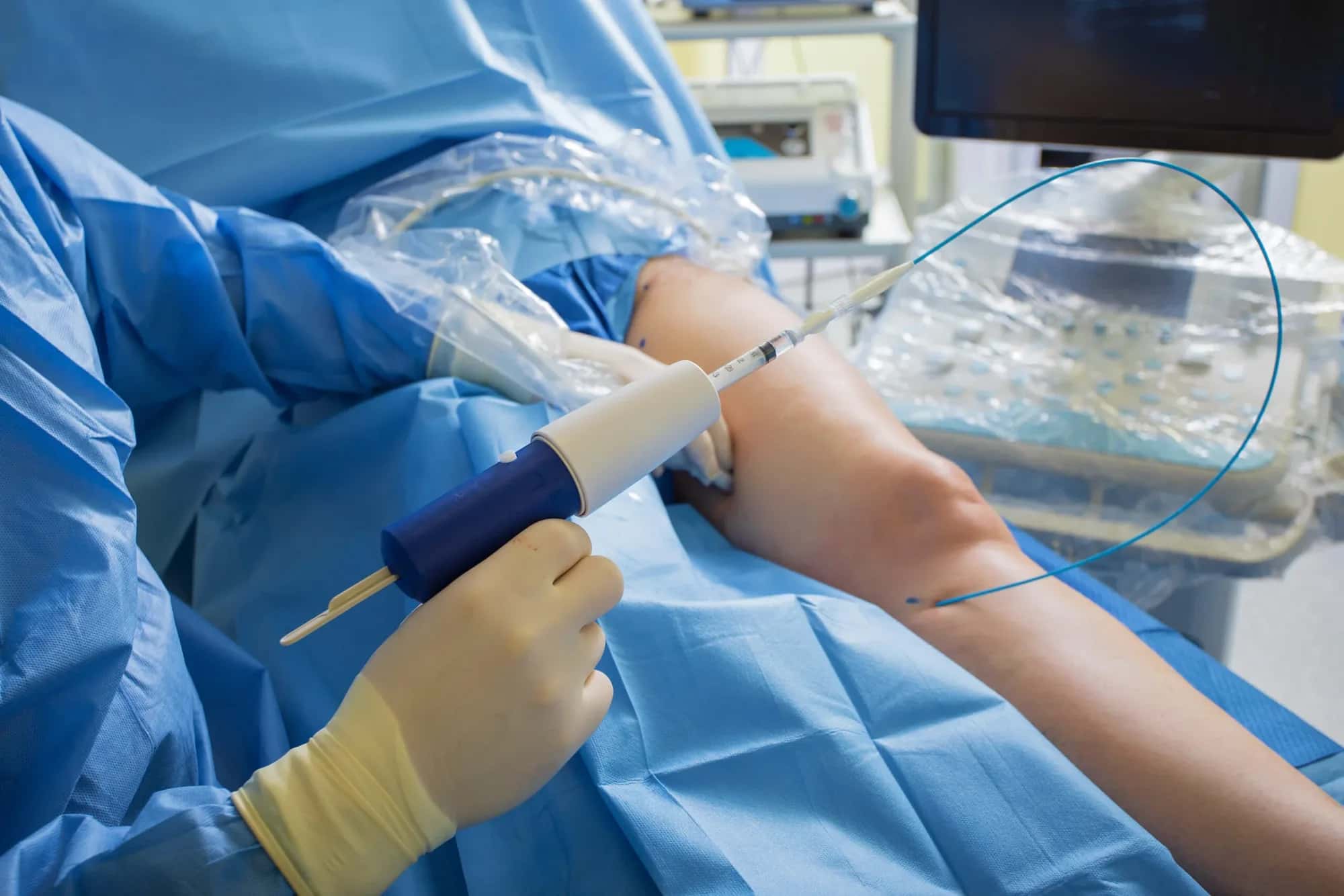
This guide compares varicose vein surgery costs around the world in 2026, including EVLA, radiofrequency ablation, sclerotherapy, phlebectomy, vein stripping, insurance, and travel expenses.

Blood tests can reveal important clues about your heart and blood vessels long before a problem becomes obvious. They do not tell the whole story on their own, but they help your healthcare provider understand risk, investigate symptoms, monitor known conditions, and decide what steps may protect your long-term health.
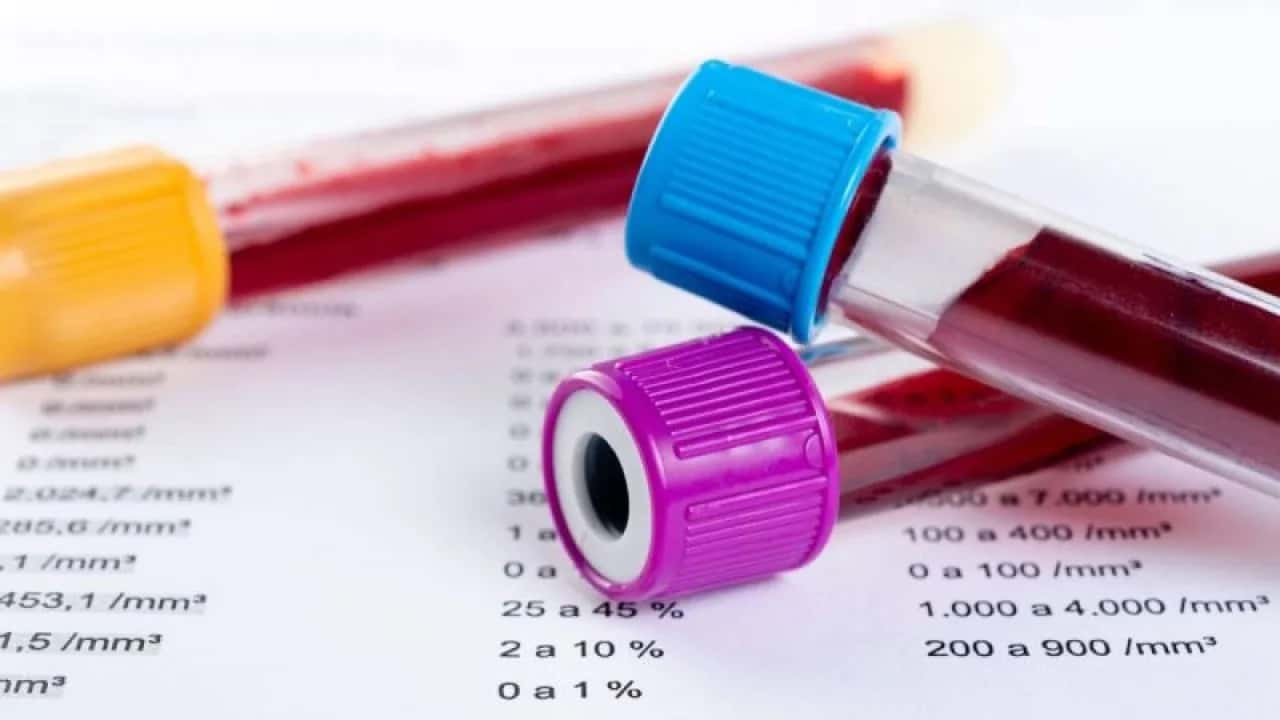
Cardiac Blood Tests are used to look for signs of heart muscle damage, heart strain, inflammation, and risk factors that may affect long-term cardiovascular health. They do not tell the whole story on their own, but they can give clinicians important clues when combined with symptoms, examination findings.
Subscribe to the Medifinder newsletter and never miss our latest content.