










Understanding Blood Tests for Heart Health
Blood tests can reveal important clues about your heart and blood vessels long before a problem becomes obvious. They do not tell the whole story on their own, but they help your healthcare provider understand risk, investigate symptoms, monitor known conditions, and decide what steps may protect your long-term health.

- Last updated
- 84 reads
- 5 min read
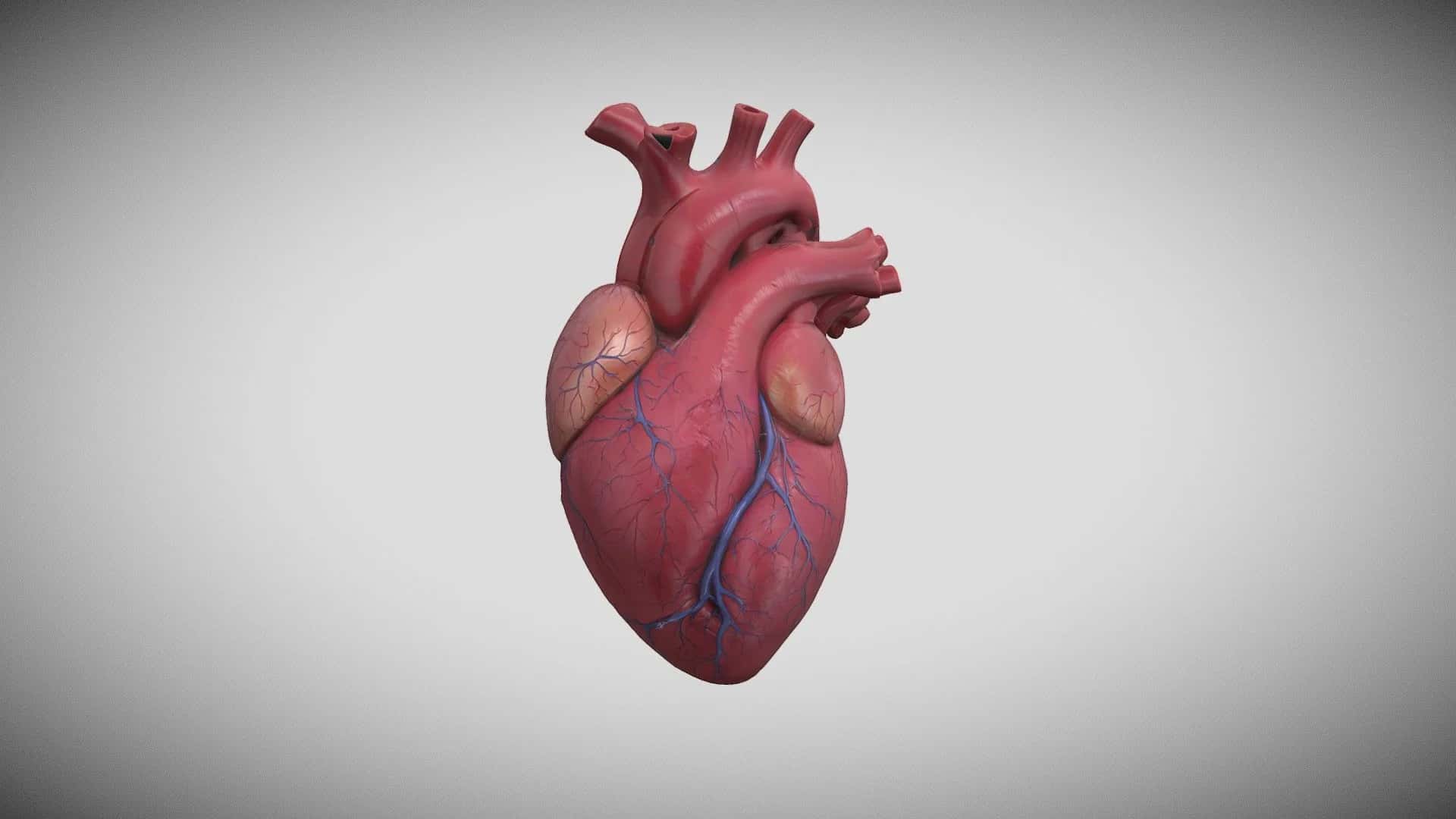


What can blood tests tell you about heart health?
Blood tests can show whether you have risk factors linked with heart disease, signs of heart muscle stress or injury, or related conditions that place extra strain on the cardiovascular system. They are often used alongside your medical history, blood pressure, physical exam, symptoms, imaging, and sometimes an electrocardiogram or stress test. In other words, a result is a clue, not a complete diagnosis.
For prevention, blood work often focuses on cholesterol, blood sugar, kidney function, inflammation, and other markers that influence artery health. For symptoms such as chest discomfort, shortness of breath, swelling, unusual fatigue, or palpitations, testing may include cardiac biomarkers that help clinicians assess whether the heart is under stress or has been injured.
That distinction matters. A routine cholesterol test is about future risk and prevention. A troponin test, on the other hand, is commonly used when there is concern about heart muscle injury. Both are valuable, but they answer different questions.
The core blood tests used to assess cardiovascular risk
Most people start with standard blood work that looks at major risk factors. These tests are not dramatic, but they are practical because many heart-related risks build quietly over time.
Common tests may include:
-
Lipid panel: Measures total cholesterol, LDL cholesterol, HDL cholesterol, and triglycerides. These numbers help estimate the likelihood of plaque buildup in the arteries and guide lifestyle or medication decisions.
-
Blood glucose or A1C: Helps identify diabetes or prediabetes, both of which can increase cardiovascular risk when not well managed.
-
Kidney function tests: The heart and kidneys closely affect each other. Reduced kidney function can influence blood pressure, fluid balance, and treatment choices.
-
Electrolytes: Levels of minerals such as potassium and sodium can affect heart rhythm and may be monitored when someone takes certain medications.
-
High-sensitivity C-reactive protein: Sometimes used to evaluate inflammation as part of a broader risk picture, especially when risk is not clear from standard factors alone.
These tests are most useful when interpreted together. For example, a borderline cholesterol number may be viewed differently in someone who smokes, has high blood pressure, or has a strong family history of early heart disease.
Cardiac biomarkers and what they mean
Cardiac biomarkers are substances measured in the blood that can rise when the heart is injured, strained, or under unusual stress. They are often used in urgent or symptom-driven situations, although some may also help monitor existing heart conditions.
Troponin is one of the best-known cardiac biomarkers. It may be ordered when symptoms suggest possible heart muscle injury, such as chest pain, pressure, pain spreading to the arm or jaw, shortness of breath, nausea, sweating, or sudden weakness. A higher result does not always mean the same thing for every person, which is why timing, symptoms, repeat testing, and other exams are important.
BNP or NT-proBNP may be used when heart failure is a concern. These markers can rise when the heart is working harder than usual to pump blood. They may help explain symptoms such as breathlessness, swelling in the legs, rapid weight changes from fluid, or difficulty lying flat because of breathing discomfort.
Other markers may be ordered in specific situations, but not everyone needs advanced testing. More tests do not automatically mean better care. The most helpful test is the one that answers a clear clinical question.
Why do blood test results need context?
Blood test results need context because “normal” and “abnormal” are not always as simple as they look on a lab report. Reference ranges can vary, and a result that is slightly outside the range may be less concerning than a result that is changing quickly, matched with symptoms, or connected to other risk factors.
Your provider may consider:
-
Your age, sex, and overall health history
-
Current symptoms and when they started
-
Blood pressure, weight, and lifestyle factors
-
Medications and supplements
-
Past test results and trends over time
-
Family history of heart disease, stroke, or high cholesterol
-
Conditions such as diabetes, kidney disease, thyroid disease, or autoimmune illness
Trends are especially important. A single cholesterol result gives a snapshot. Repeated results show whether your plan is working, whether risk is increasing, or whether a medication adjustment might be needed.
Preparing for a heart-related blood test
Preparation depends on the test ordered. Some lipid panels may require fasting, while others may not. Glucose testing, medication monitoring, and specialized panels may come with different instructions, so it is best to follow the directions provided for your specific lab order.
Before your appointment, make the visit more useful by preparing a short list:
-
Write down symptoms clearly. Include when they happen, how long they last, and what makes them better or worse.
-
Bring a medication list. Include prescriptions, over-the-counter medicines, vitamins, and supplements.
-
Ask whether fasting is needed. Do not guess, because eating or skipping medication unnecessarily can affect results or safety.
-
Mention recent illness or major stress. Infection, intense exercise, dehydration, and other factors may influence certain values.
-
Keep copies of prior results. Comparing old and new numbers can be more helpful than reviewing one report alone.
If you are having severe chest pain, trouble breathing, fainting, or symptoms that feel urgent, do not wait for a routine blood test appointment. Seek emergency medical care.
Turning results into practical next steps
The goal of Blood Tests for Heart Health is not simply to collect numbers. The real value comes from turning those numbers into a plan that fits your risk level, health goals, and daily life.
Depending on your results, your provider may recommend lifestyle changes, additional testing, medication, closer monitoring, or referral to a heart specialist. Lifestyle steps often focus on eating patterns, movement, sleep, tobacco avoidance, weight management when appropriate, and controlling blood pressure or blood sugar. Even when medication is needed, daily habits still play a major role in protecting the heart.
Useful questions to ask after testing include:
-
Which result matters most for my heart risk right now?
-
Are these numbers new, stable, or improving?
-
Do I need repeat testing, and if so, when?
-
What changes would make the biggest difference?
-
Are any symptoms or results urgent?
-
Should family members be screened for inherited risk factors?
These questions help move the conversation from confusion to action. They also reduce the temptation to compare your numbers with someone else’s, which can be misleading.
A clear takeaway for better heart conversations
Blood tests are one of the most accessible tools for understanding cardiovascular risk and investigating possible heart problems. They can highlight cholesterol patterns, blood sugar concerns, kidney-related issues, inflammation, and cardiac biomarkers that point to heart strain or injury.
The key is interpretation. Your blood test results should be reviewed as part of your full health picture, not in isolation. When you understand what each test is meant to answer, you can have a more productive conversation with your healthcare provider and take smarter steps toward protecting your heart.
- Last updated
- Language
- English
How did you find this article?

This guide compares varicose vein surgery costs around the world in 2026, including EVLA, radiofrequency ablation, sclerotherapy, phlebectomy, vein stripping, insurance, and travel expenses.
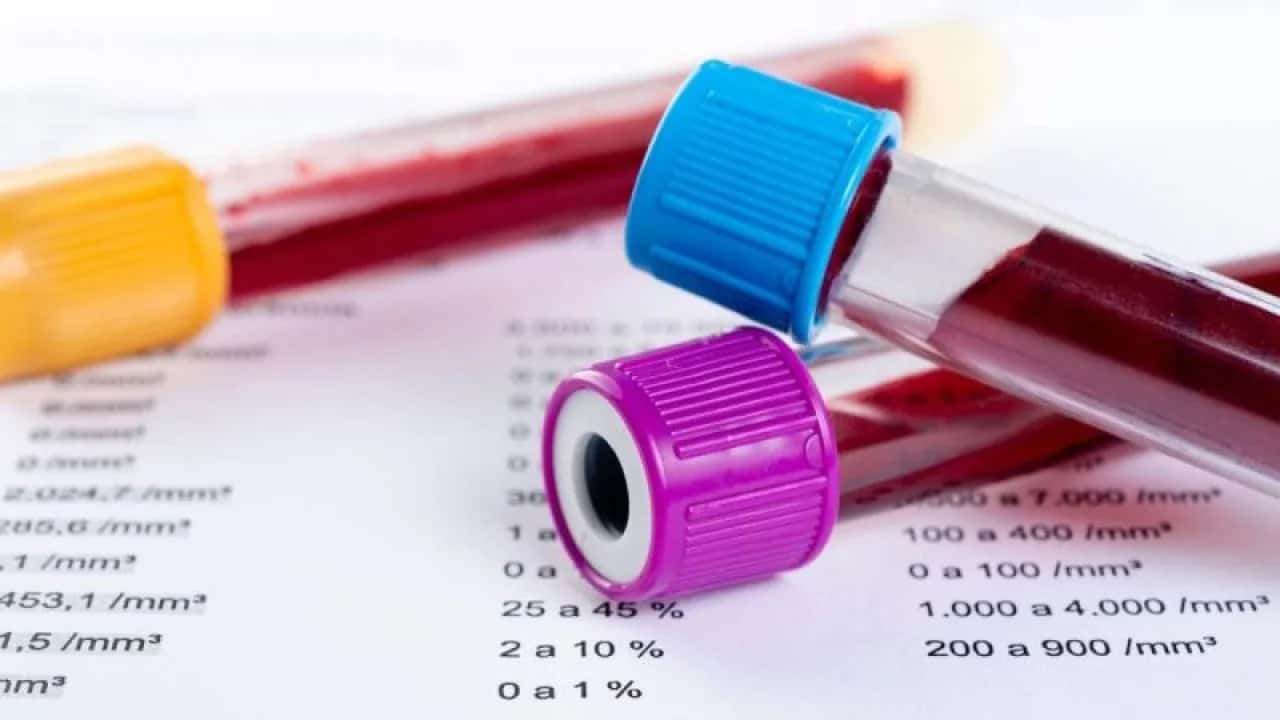
Cardiac Blood Tests are used to look for signs of heart muscle damage, heart strain, inflammation, and risk factors that may affect long-term cardiovascular health. They do not tell the whole story on their own, but they can give clinicians important clues when combined with symptoms, examination findings.

A Full Panel Blood Test is a collection of blood tests used to give a broad overview of a person’s health. It often includes a complete blood count, blood chemistry measurements, and other markers that help identify signs of infection, anemia, inflammation, organ stress, nutrient imbalance, or metabolic concerns.
Subscribe to the Medifinder newsletter and never miss our latest content.