










Understanding Cardiac Blood Tests: A Guide
Cardiac Blood Tests are used to look for signs of heart muscle damage, heart strain, inflammation, and risk factors that may affect long-term cardiovascular health. They do not tell the whole story on their own, but they can give clinicians important clues when combined with symptoms, examination findings.

- Last updated
- 130 reads
- 9 min read
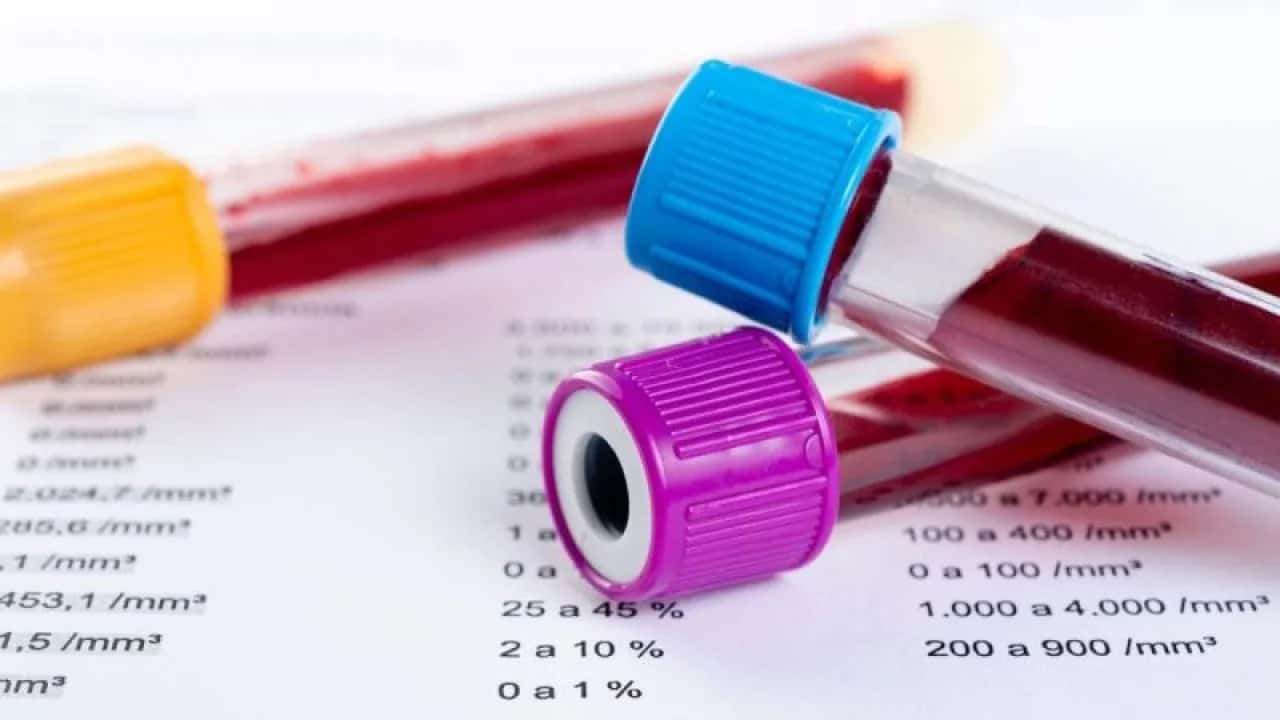


What do Cardiac Blood Tests show?
Cardiac Blood Tests show whether there may be injury, stress, inflammation, or risk factors affecting the heart and blood vessels. Some tests are used in urgent situations, especially when a heart attack is possible. Others are used in routine care to assess cholesterol, kidney function, blood sugar, and other factors that influence heart health over time.
The key point is that these tests answer different questions. A troponin test is mainly about possible heart muscle injury. A cholesterol panel is about future cardiovascular risk. A natriuretic peptide test may help assess heart strain, often in the context of possible heart failure. Electrolyte and kidney tests can help guide safe treatment and explain symptoms such as palpitations, weakness, or fluid changes.
Because each test has a different purpose, a single “normal” or “abnormal” result rarely gives a complete answer. Your symptoms, timing, medications, age, kidney function, and previous results all matter. That is why clinicians often repeat certain tests or compare them with earlier blood test results instead of relying on one number in isolation.
The main types of cardiac blood tests
Cardiac testing can feel confusing because several blood tests may be ordered at once. Some look directly for heart muscle injury, while others evaluate the conditions that make heart problems more likely. Understanding the role of each test can make the results feel less mysterious.
Common tests include:
-
Troponin: Often used when a heart attack or heart muscle injury is suspected. It measures proteins released into the blood when heart muscle cells are damaged.
-
BNP or NT-proBNP: Used to assess strain on the heart, especially when symptoms suggest possible heart failure, such as shortness of breath, swelling, or fatigue.
-
Creatine kinase-MB: An older marker of heart muscle injury that may still be used in certain situations, though troponin is generally more central in modern evaluation.
-
Lipid panel: Measures cholesterol and related fats that contribute to cardiovascular risk over time.
-
High-sensitivity C-reactive protein: Sometimes used as part of a broader risk discussion because it reflects inflammation, though it is not specific to the heart.
-
Blood glucose or A1C: Helps identify diabetes or blood sugar problems, which can significantly affect heart and blood vessel health.
-
Kidney function tests: Important because kidney health influences fluid balance, blood pressure, medication choices, and the interpretation of some cardiac markers.
-
Electrolytes: Measures minerals such as potassium and sodium, which can affect heart rhythm and overall cardiovascular stability.
-
Complete blood count: Can detect anemia or infection-related changes that may worsen shortness of breath, chest discomfort, or fatigue.
These tests are often ordered together because heart symptoms can have several possible causes. For example, shortness of breath may relate to heart strain, anemia, lung disease, fluid overload, infection, or more than one issue at the same time. Blood testing helps narrow the possibilities, but it works best as part of a wider clinical picture.
Troponin is the test people hear about most
Troponin gets a lot of attention because it is closely linked with heart muscle injury. Troponin is a protein found in heart muscle cells. When those cells are damaged, troponin can leak into the bloodstream, where it can be measured with a blood test.
In emergency care, troponin is commonly used when someone has symptoms that could suggest a heart attack. A high result may indicate heart muscle damage, but it does not automatically prove that a classic blocked-artery heart attack is the cause. Other conditions can also raise troponin levels, including severe strain on the heart, abnormal heart rhythms, inflammation of the heart muscle, kidney disease, serious infection, and major physical stress.
Timing matters. Troponin may rise after an injury to the heart muscle and can change over several hours. That is why clinicians may repeat the test. A rising or falling pattern can be more informative than a single result, especially when the symptoms started recently.
What do troponin levels mean?
Troponin levels help show whether heart muscle injury may be present, but the meaning depends on the number, the testing method, the trend over time, and the person’s symptoms. A result above the lab’s reference range usually signals that heart muscle cells have been stressed or damaged in some way. The next step is to determine why.
Not all laboratories use the same reporting units or cutoffs, so it is not useful to compare your number with someone else’s result from a different location. Some tests are described as “high-sensitivity” because they can detect very small amounts of troponin. That can be helpful for early detection, but it also means mild elevations may appear in conditions that are not a classic heart attack.
Clinicians often look for three things:
-
Is the result above the reference range? This helps identify whether the level is considered elevated for that specific test.
-
Is the level changing? A meaningful rise or fall may suggest a more recent injury rather than a stable long-term elevation.
-
Do the symptoms and other tests fit? Chest pain, ECG changes, imaging findings, and risk factors all influence interpretation.
A low or normal troponin can be reassuring in the right context, especially if enough time has passed since symptoms began and repeat testing remains normal. However, it should not be used to ignore severe or ongoing symptoms. If symptoms feel dangerous or unusual, urgent assessment is still the safest path.
Blood test results need context
Blood test results are designed to guide decisions, not to replace medical judgment. The same number may mean different things in different situations. A mildly elevated marker in one person may be less concerning than a rapidly rising marker in another person with crushing chest pain and new ECG changes.
Reference ranges are also not universal. A lab report may flag a value as high or low based on that laboratory’s method and population range. Some values are interpreted differently depending on sex, age, kidney function, pregnancy status, medications, recent exercise, and whether the test was taken during an acute illness.
It is also common for cardiac evaluation to include repeat testing. Repeating a troponin test, checking a second electrolyte level, or comparing a new cholesterol panel with an older one can reveal patterns. In heart care, the direction of change often matters as much as the absolute number.
The difference between urgent tests and risk tests
One useful way to understand Cardiac Blood Tests is to separate urgent diagnostic tests from long-term risk tests. Urgent tests help answer, “Is something dangerous happening now?” Risk tests help answer, “What can be improved to lower the chance of future problems?”
Urgent tests may include troponin, electrolytes, kidney function, complete blood count, and natriuretic peptides. These can help assess current symptoms such as chest pain, shortness of breath, fainting, palpitations, or sudden weakness. The results may guide immediate decisions, including monitoring, imaging, medications, or hospital care.
Risk-focused tests are often done during routine care. These include lipid panels, blood sugar testing, kidney function, and sometimes inflammation markers. They help identify patterns that can be managed through lifestyle changes, medication, or closer follow-up.
Both categories matter. Emergency testing can identify acute danger, while preventive testing can reveal silent risks before symptoms appear. A good heart health plan often uses both, depending on the person’s situation.
How should you prepare for a cardiac blood test?
Preparation depends on which test is being ordered, but many cardiac blood tests require little or no special preparation. Troponin testing in an urgent setting is not something you prepare for; it is done when symptoms require evaluation. For routine cholesterol or blood sugar testing, you may be told whether fasting is needed.
Before the blood draw, it helps to be ready with practical information:
-
Bring or list all medications, vitamins, and supplements you take.
-
Mention recent intense exercise, illness, procedures, or injuries.
-
Tell the clinician if you have kidney disease or a history of heart problems.
-
Describe symptoms clearly, including when they started and what makes them better or worse.
-
Ask whether any test needs to be repeated and when you should expect results.
A blood draw itself is usually quick. A small sample is taken from a vein, most often in the arm. You may feel a brief pinch, and mild bruising can happen. If you tend to faint during blood draws, say so before the test so staff can help you stay safe and comfortable.
Questions to ask after receiving results
It is easy to focus on one flagged number and miss the bigger picture. Asking clear questions can help you understand what the results mean and what happens next. This is especially important when results are borderline, unexpected, or connected to symptoms.
Useful questions include:
-
What was the main reason this test was ordered?
-
Is this result normal for this specific laboratory method?
-
If the result is abnormal, how concerning is it in my situation?
-
Do the results suggest an urgent problem or a long-term risk?
-
Should any test be repeated to look for a trend?
-
Could medications, supplements, kidney function, or recent illness affect the result?
-
What symptoms should prompt urgent care?
-
What changes, treatments, or follow-up steps are recommended?
These questions help turn blood test results into a plan. The goal is not only to know whether a value is high or low, but to understand what action, if any, should follow.
Common misunderstandings about cardiac blood tests
One common misunderstanding is that a normal blood test means the heart is always fine. Some heart rhythm problems, valve conditions, circulation issues, or early disease may not show up clearly on routine blood work. If symptoms continue, additional evaluation may be needed.
Another misunderstanding is that an elevated troponin always means a major heart attack. Elevated troponin levels are important and should be taken seriously, but they signal heart muscle injury rather than naming the exact cause. The cause must be determined through the full clinical picture.
A third misunderstanding is that cholesterol testing is only important for older adults. Cardiovascular risk can build silently over many years. When risk factors are identified earlier, there may be more time to address them through daily habits, medication when appropriate, and regular monitoring.
Practical ways to support better heart health
Blood tests are most useful when they lead to informed action. Some results may require urgent care or medication decisions. Others may point toward steady lifestyle changes that support healthier blood pressure, cholesterol, blood sugar, and overall cardiovascular function.
Helpful habits often include:
-
Eating more fiber-rich foods, such as vegetables, beans, whole grains, nuts, and fruit.
-
Choosing unsaturated fats more often while limiting foods high in saturated fat.
-
Building regular physical activity into the week in a way that is safe for your fitness level.
-
Avoiding tobacco and limiting exposure to smoke.
-
Managing blood pressure, cholesterol, and blood sugar with regular follow-up.
-
Prioritizing sleep and addressing persistent sleep problems.
-
Taking prescribed medications as directed and asking before stopping them.
-
Seeking care promptly when symptoms are new, severe, or worsening.
Small, consistent steps can make lab results more meaningful. A number on a report is only one snapshot. The larger goal is to reduce risk, respond quickly to warning signs, and make decisions based on reliable information.
The key takeaway
Cardiac Blood Tests can provide valuable insight into heart muscle injury, heart strain, inflammation, and long-term cardiovascular risk. Troponin levels are especially important when a heart attack or other heart muscle damage is being considered, but they must be interpreted alongside symptoms, repeat testing, ECG findings, and overall health.
If your blood test results are abnormal, do not panic or self-diagnose from a single value. Ask what the result means in context, whether it needs to be repeated, and what next steps are recommended. Used well, cardiac blood testing can support faster decisions in urgent situations and smarter prevention in everyday care.
- Last updated
- Language
- English
How did you find this article?

This guide compares varicose vein surgery costs around the world in 2026, including EVLA, radiofrequency ablation, sclerotherapy, phlebectomy, vein stripping, insurance, and travel expenses.
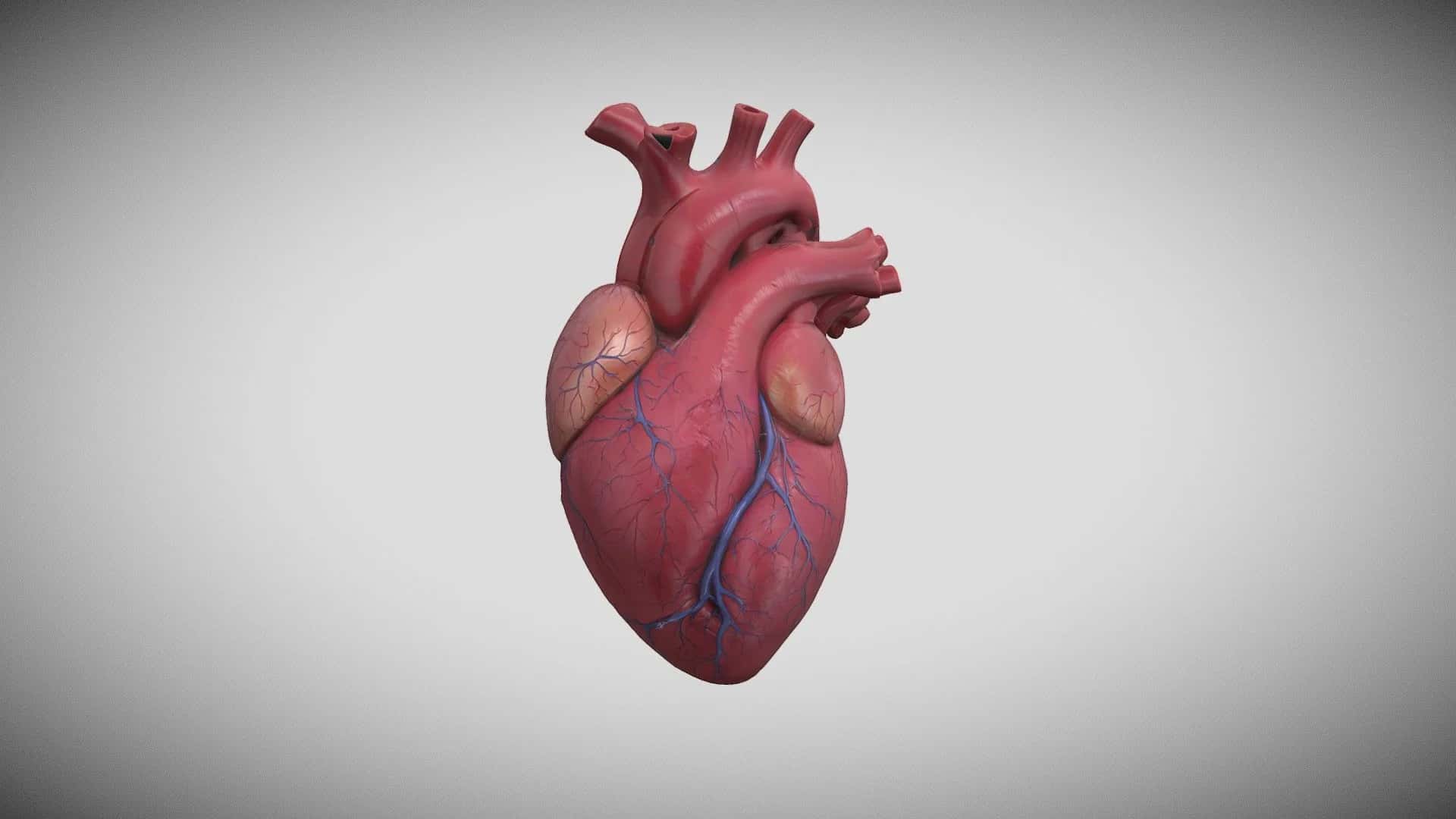
Blood tests can reveal important clues about your heart and blood vessels long before a problem becomes obvious. They do not tell the whole story on their own, but they help your healthcare provider understand risk, investigate symptoms, monitor known conditions, and decide what steps may protect your long-term health.

A Full Panel Blood Test is a collection of blood tests used to give a broad overview of a person’s health. It often includes a complete blood count, blood chemistry measurements, and other markers that help identify signs of infection, anemia, inflammation, organ stress, nutrient imbalance, or metabolic concerns.
Subscribe to the Medifinder newsletter and never miss our latest content.