










How Much Does Voice Feminization Surgery Cost?
Voice feminization surgery cost depends on country, technique, surgeon experience, hospital fees, voice therapy, travel, and aftercare. In higher-cost healthcare systems, the price may rise above $10,000, while destinations such as Turkey and Thailand may offer lower package prices for suitable patients.

- Last updated
- 104 reads
- 9 min read


The cost of voice feminization surgery globally ranges from $3,800 to over $25,000 depending on the country. In the United States, patients typically pay between $10,000 and $25,000 for this specialized vocal procedure. However, medical tourism destinations like Turkey offer excellent surgeries for just $3,800 to $6,500. These affordable international packages frequently include your hotel stay, hospital fees, and VIP airport transfers. The final price always depends heavily on the specific surgical technique your doctor recommends. Choosing an experienced surgeon remains absolutely crucial for achieving permanent and natural-sounding results. Always consult a certified medical professional to receive a completely personalized treatment estimate.
Voice feminization surgery is a gender-affirming procedure designed to raise vocal pitch and help the voice sound more aligned with a feminine identity. It is most often considered by transgender women, transfeminine people, and non-binary patients who feel that their voice does not match how they present or how they want to be heard. For many patients, the goal is not simply a higher pitch. A natural result also depends on resonance, speech rhythm, vocal weight, intonation, comfort, and confidence in daily conversation.
The cost of voice feminization surgery should be reviewed as part of a full treatment journey. Surgery can change the structure and function of the vocal folds, but voice therapy often helps the patient use the new voice safely and naturally. A low surgery-only price may look attractive, but it may not include the care needed before and after the operation.
What Is Voice Feminization Surgery?
Voice feminization surgery is a procedure that modifies the vocal cords or surrounding laryngeal structures to create a higher speaking pitch. The voice is produced when air passes through the vocal folds and causes them to vibrate. Longer and thicker vocal folds usually create a lower voice. Feminizing voice surgery aims to shorten, tighten, or adjust the vibrating part of the vocal folds so the pitch rises.
The procedure is different from facial feminization surgery or tracheal shave surgery. A tracheal shave reduces the visible Adam’s apple but does not usually feminize the sound of the voice. Voice feminization surgery focuses directly on vocal function.
The most common surgical options include Wendler glottoplasty, cricothyroid approximation, laser-assisted procedures, and feminization laryngoplasty. The right technique depends on anatomy, current pitch, vocal quality, goals, medical history, and the surgeon’s recommendation.
Average Voice Feminization Surgery Cost
The average voice feminization surgery cost often falls between $3,000 and $12,000 in many international private settings. In the United States, the cost may start around $5,500 and rise above $9,000 or $12,000 depending on the hospital, surgeon, and included services. In the UK, private prices can be higher, especially when consultation, surgery, anesthesia, and follow-up are included.
Turkey and Thailand often offer lower package prices for international patients. In Turkey, voice feminization surgery may commonly range from about $3,000 to $6,000. In Thailand, selected packages may range from about $2,800 to $5,400, although complex or combined procedures can cost more.
These figures should be treated as planning ranges, not fixed prices. A patient with previous voice surgery, scarring, vocal fold problems, airway concerns, or a need for revision may receive a higher quote.
What Affects the Final Price?
Several factors affect the final cost of voice feminization surgery. The first is the surgical technique. Wendler glottoplasty may be priced differently from cricothyroid approximation or feminization laryngoplasty because each procedure has different complexity, equipment needs, and recovery requirements.
The second factor is surgeon experience. Voice surgery is delicate because small changes in the vocal folds can affect pitch, quality, volume, comfort, and long-term function. A surgeon with advanced laryngology experience may charge more, but the skill level can be important for both safety and results.
The third factor is the hospital or clinic setting. Operating room fees, anesthesia, nursing care, medical equipment, and postoperative monitoring all influence the total price. If the procedure is performed in a hospital with overnight care, the cost may be higher than an outpatient setting.
The fourth factor is therapy. Voice therapy before and after surgery may not be included in the surgical quote. However, it can be essential for learning safe vocal habits and adapting to the new voice.
Cost by Procedure Type
Wendler glottoplasty is one of the most common voice feminization procedures. It works by joining part of the front vocal folds together, which shortens the vibrating length. This can raise pitch without an external neck incision. The cost often sits in the lower to middle range compared with more complex laryngeal procedures.
Cricothyroid approximation adjusts the tension between laryngeal cartilages to raise pitch. It may be performed alone or combined with other procedures in selected cases. Cost can vary depending on whether it requires external access, hospital care, and additional voice work.
Laser-assisted voice procedures may use laser energy to change vocal fold mass or stiffness. The price depends on equipment, technique, and whether it is combined with glottoplasty or other methods.
Feminization laryngoplasty is often more complex and may cost more. It may involve broader structural changes to the voice box and can require a longer recovery plan. This option is not suitable for every patient and should be discussed carefully with a specialist.
Voice Feminization Surgery Cost in the United States
The United States is usually one of the higher-cost countries for voice feminization surgery. Patients may receive quotes from about $5,500 to $12,000 or more. The price can rise when hospital fees, anesthesia, consultations, videostroboscopy, voice therapy, medication, and follow-up visits are added.
Insurance coverage varies. Some insurance plans may cover gender-affirming voice surgery when it is considered medically necessary and supported by documentation. Others may classify it as elective and deny coverage. Patients should request a preauthorization review before surgery and ask whether voice therapy, laryngology evaluation, anesthesia, and facility fees are included.
For self-pay patients, payment plans or medical financing may be available. However, the total repayment amount should be reviewed carefully because interest can increase the real cost.
Voice Feminization Surgery Cost in Turkey
Turkey is a common option for international patients seeking lower private-pay prices. Voice feminization surgery cost in Turkey may range from about $3,000 to $6,000, depending on the surgeon, hospital, technique, and package details.
Some clinics may offer packages that include consultation, surgery, hospital stay, medication, hotel support, airport transfer, local transfer, translation, and follow-up communication. These packages can make planning easier, especially for patients traveling from Europe, the Middle East, or nearby regions.
Patients should still ask detailed questions before booking. The quote should explain the surgical method, anesthesia type, hospital setting, required voice rest, therapy recommendations, and what happens if follow-up care is needed after returning home.
Voice Feminization Surgery Cost in Thailand
Thailand is another destination where voice feminization surgery may be more affordable than in the United States or many Western countries. Typical private package prices may range from about $2,800 to $5,400, depending on the technique and hospital.
Thailand may appeal to patients looking for gender-affirming care in a medical travel setting. Some hospitals and clinics provide international patient support, coordination, translation, and recovery guidance.
The main planning issue is recovery time. Patients should remain near the clinic long enough for early healing checks and should avoid flying home too soon if the surgeon recommends continued monitoring. Voice rest can also make travel more challenging, so patients should plan communication tools before the trip.
What Is Included in the Price?
A complete voice feminization surgery quote may include consultation, laryngoscopy or videostroboscopy, surgeon fee, anesthesia, operating room fee, hospital or clinic stay, medication, early follow-up, and voice use instructions. Some packages may include travel-related support such as transfers, hotel assistance, or a patient coordinator.
Not every quote includes voice therapy. This is important because therapy may be needed before surgery, after surgery, or both. Therapy helps patients adjust pitch, resonance, breathing, articulation, and vocal effort. Without therapy, the surgical result may feel less natural or harder to control.
Patients should request an itemized estimate. The estimate should show what is included, what is excluded, and what costs extra. Extra charges may include additional tests, therapy sessions, hotel extensions, revision surgery, emergency care, or follow-up with a local specialist.
Hidden Costs to Consider
Hidden costs can change the total budget. These may include flights, hotel stay, meals, companion expenses, travel insurance, local transportation, time away from work, medication, humidifier, throat care products, and voice therapy sessions.
Recovery can also affect income. Some patients need to take time off work because complete or partial voice rest may be required. People whose jobs involve speaking, teaching, singing, customer service, or public communication may need a longer recovery plan.
Revision costs should also be considered. Even when surgery is performed well, some patients may want additional adjustment later. A voice may become higher than expected, lower than desired, weak, breathy, strained, or unstable. Revision is not always needed, but patients should understand the clinic’s policy before surgery.
Recovery After Voice Feminization Surgery
Recovery after voice feminization surgery requires patience and discipline. The vocal folds are delicate, and healing can be affected by talking too soon, coughing, smoking, reflux, dehydration, or vocal strain. Many surgeons recommend a period of strict voice rest followed by gradual voice use.
During early recovery, the voice may sound weak, rough, breathy, or unstable. This does not always reflect the final result. The voice usually changes as swelling decreases and the vocal folds heal. Full voice development may take several months.
Patients are often advised to avoid shouting, singing, whispering, heavy throat clearing, smoking, vaping, and intense vocal use. Hydration, reflux control, gentle breathing, and therapy guidance can support healing.
Risks and Possible Complications
Voice feminization surgery can be beneficial, but it carries risks. Possible complications include hoarseness, weak voice, reduced volume, vocal fatigue, pitch that is too high or not high enough, scarring, web separation, breathing discomfort, infection, bleeding, and the need for revision.
Some patients may find that pitch improves but resonance still needs work. This is why surgery alone may not create a fully feminine voice. Voice is shaped by pitch, resonance, articulation, melody, volume, and speech habits.
A careful consultation should include realistic expectations. A good surgeon should explain what surgery can change, what therapy can improve, and what results may not be predictable.
Is Voice Therapy Still Needed?
Voice therapy can be helpful before and after surgery. Before surgery, it helps patients explore pitch, resonance, breathing, and speech patterns. Some patients may achieve enough change through therapy alone and decide not to have surgery.
After surgery, therapy helps the patient use the new vocal structure safely. It can reduce strain, support clearer sound, and help build a voice that feels natural in conversation. Therapy may also help with confidence, especially when speaking in public, on the phone, or at work.
Patients should include therapy costs in the total budget. A low surgical price without therapy support may not offer the best long-term value.
How to Choose the Right Surgeon?
Choosing the right surgeon is more important than choosing the lowest price. Patients should look for experience in laryngology and gender-affirming voice care. The surgeon should evaluate the vocal folds, discuss current pitch and goals, explain the technique, and outline recovery clearly.
Before booking, patients should ask how many similar procedures the surgeon performs, what results are realistic, how complications are handled, and how follow-up is provided. For surgery abroad, patients should ask how long they need to stay near the clinic and whether local voice therapy will be needed after returning home.
A safe treatment plan should feel clear and personalized. The clinic should not promise a perfect voice or instant transformation.
- Last updated
- Language
- English
How did you find this article?

This page explores well-known nose profile types such as Roman, Greek, aquiline, celestial, Nubian, and button noses while explaining how these aesthetic labels relate to facial proportions rather than fixed racial categories.
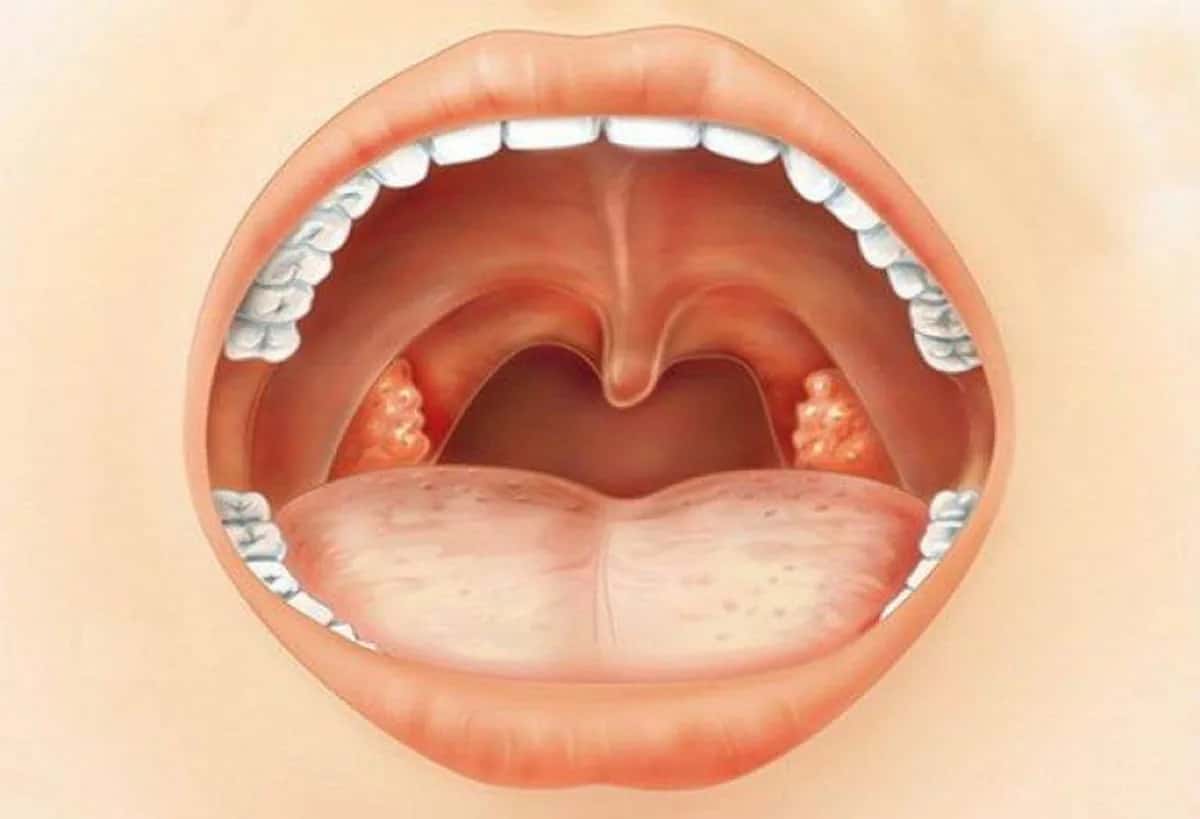
This page explains why tonsils are removed, how tonsillectomy is performed, what recovery usually involves, and which symptoms require medical attention after surgery.

This guide explains septoplasty surgery, its purpose, procedure, recovery, risks, expected results, and the main factors that influence septoplasty cost.
Subscribe to the Medifinder newsletter and never miss our latest content.