










Tonsil Removal
This page explains why tonsils are removed, how tonsillectomy is performed, what recovery usually involves, and which symptoms require medical attention after surgery.

- Last updated
- 66 reads
- 18 min read
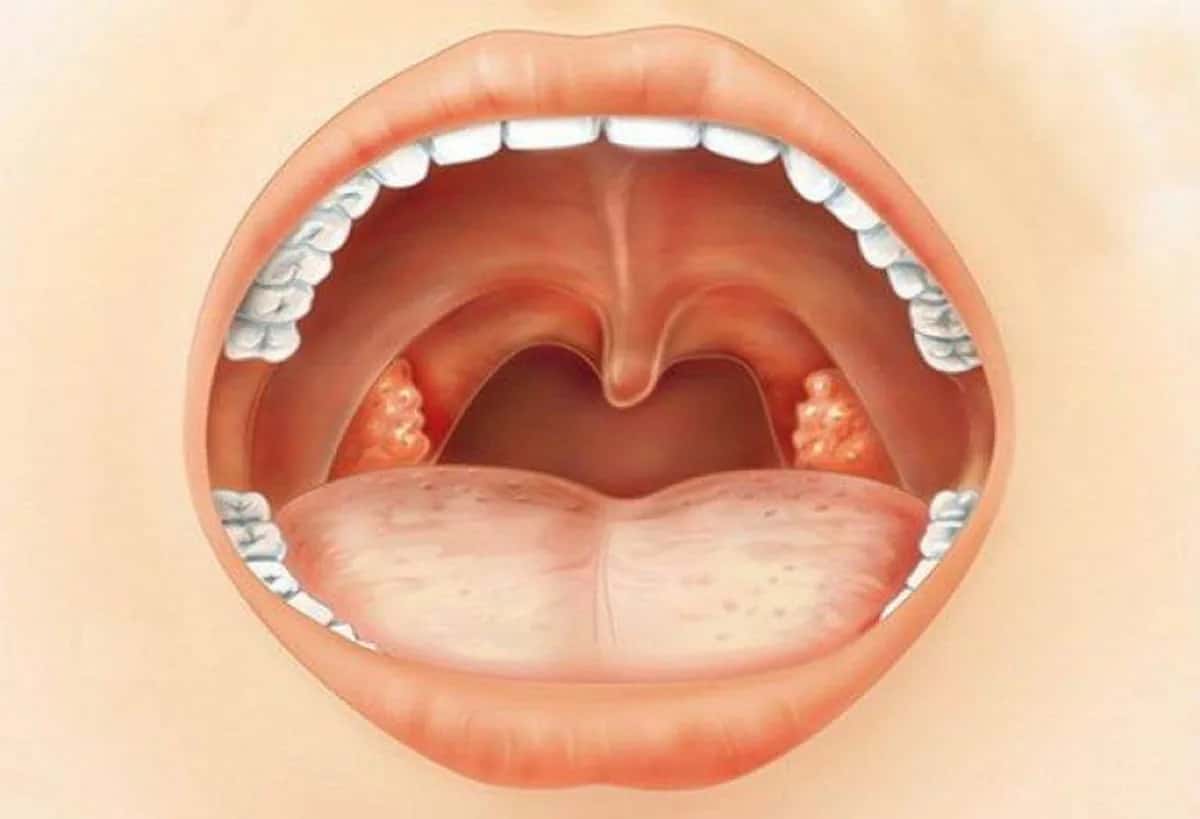


What Is Tonsil Removal?
Tonsil removal, medically called tonsillectomy, is an operation that removes the palatine tonsils located on each side at the back of the throat.
These tissues form part of the immune system and help recognize germs entering through the mouth and nose, particularly during childhood. Their role becomes less central as the immune system develops.
Tonsillectomy does not simply treat an occasional sore throat. It is generally considered when tonsil problems become recurrent, cause significant obstruction, contribute to sleep-related breathing problems, or create other persistent complications.
Why Are Tonsils Removed?
Tonsils are usually removed when repeated infection or enlargement creates a problem that outweighs the expected benefit of keeping the tissue.
Common reasons include:
-
Recurrent episodes of tonsillitis
-
Repeated streptococcal throat infections
-
Enlarged tonsils that obstruct breathing
-
Sleep-disordered breathing
-
Obstructive sleep apnea linked to enlarged tonsils
-
Recurrent peritonsillar abscess
-
Persistent tonsil stones with significant symptoms in selected cases
-
Marked asymmetry that requires further evaluation
-
Difficulty swallowing caused by severe tonsil enlargement
-
Chronic throat symptoms that remain problematic despite appropriate treatment
The reason for surgery affects what improvement the patient should realistically expect afterward.
When Is Tonsillectomy Considered for Recurrent Tonsillitis?
Tonsillectomy may be considered when throat infections happen frequently enough to cause repeated pain, fever, missed school or work, antibiotic treatment, or significant disruption to daily life.
The decision usually depends on the documented frequency and severity of infections rather than simply having large tonsils. Clinicians may also consider how long the pattern has continued and whether episodes are clearly consistent with tonsillitis.
Someone who has one or two mild sore throats each year usually has a very different situation from someone experiencing repeated severe infections.
The operation aims to reduce future tonsil infections, although other viral throat infections can still occur after surgery.
Can Tonsil Removal Help With Sleep Problems?
Tonsil removal can improve sleep-related breathing when enlarged tonsils significantly narrow the upper airway, particularly in children with obstructive sleep apnea or persistent nighttime obstruction.
Large tonsils can reduce the space available behind the tongue and soft palate. During sleep, relaxed muscles can make that narrowing more important, leading to snoring, pauses in breathing, restless sleep, or mouth breathing.
Removing enlarged tonsils creates more airway space, although the result depends on whether other structures also contribute to obstruction.
Nasal blockage, obesity, jaw anatomy, adenoid enlargement, and other factors may still influence breathing even after the tonsils have been removed.
What Happens Before Tonsil Removal Surgery?
Preparation for tonsil removal usually includes a medical review, discussion of medications, assessment of bleeding risks, and clear fasting instructions for the day of surgery.
Important preoperative steps can include:
-
Reviewing previous throat infections
-
Discussing allergies and current medications
-
Identifying medicines that increase bleeding risk
-
Reviewing previous problems with anesthesia
-
Discussing personal or family bleeding disorders
-
Following fasting instructions before anesthesia
-
Arranging transport home
-
Planning time away from work or school
-
Preparing soft foods and suitable drinks
-
Understanding the postoperative pain-control plan
Good preparation matters because the most difficult part of tonsillectomy is often the recovery period rather than the operation itself.
How Is a Tonsillectomy Performed?
Tonsillectomy is performed under general anesthesia, and the surgeon removes the tonsils through the mouth without making an external incision in the neck.
Several surgical techniques can be used to separate tonsil tissue and control bleeding. The exact instrument can differ, but the underlying objective remains the same: remove the tonsils while limiting blood loss and protecting surrounding structures.
Once the operation finishes, the patient moves to a recovery area while the anesthesia wears off.
Many patients go home the same day when they can drink, breathe comfortably, and meet discharge criteria, while others may need observation depending on age, health, and surgical circumstances.
Is Tonsil Removal Painful?
Tonsillectomy commonly causes significant throat pain during recovery because the operation leaves healing surfaces where the tonsils were attached.
Pain does not necessarily improve in a straight line. Some patients feel relatively manageable discomfort during the first few days and then notice stronger pain as healing tissue changes later in the first week.
Swallowing can hurt, but avoiding swallowing completely can make hydration difficult and recovery more uncomfortable.
A planned pain-control schedule is therefore important. Medication instructions should be followed carefully, and medicines containing substances that increase bleeding risk should only be used when specifically advised.
How Long Does Tonsil Removal Surgery Take?
The surgical portion of a routine tonsillectomy is often relatively short, but the complete hospital visit is much longer because preparation, anesthesia, recovery, monitoring, and discharge all take additional time.
Procedure duration also changes when other operations are performed at the same time. Children, for example, may undergo adenoid removal together with tonsil surgery when both tissues contribute to airway obstruction.
The patient should therefore plan around the full surgical day rather than the operating-room time alone.
The recovery at home then becomes the longer phase, usually requiring considerably more attention than the procedure itself.
What Does the Throat Look Like After Tonsillectomy?
The back of the throat often develops white, cream, or yellowish healing tissue after tonsil removal, and this appearance can look alarming even when recovery is proceeding normally.
This coating is usually part of the healing process and should not automatically be mistaken for pus or infection. The throat may also look swollen, and the uvula can temporarily appear larger.
Bad breath commonly develops during this phase because healing tissue and reduced oral intake change the environment inside the mouth.
The appearance gradually improves as the healing layer separates and fresh tissue forms underneath.
How Long Does Tonsillectomy Recovery Take?
Most people need roughly one to two weeks for the main tonsillectomy recovery period, although pain, energy levels, and return to normal eating can improve at different speeds.
Adults often describe recovery as particularly demanding because throat pain may remain significant for several days. Children can also experience substantial discomfort despite sometimes returning to activity sooner.
The middle of the first two weeks can be unpredictable. Pain can increase around the time healing tissue begins separating, even when the patient felt better a day earlier.
Planning adequate time away from responsibilities helps prevent pressure to resume normal activity before recovery is stable.
What Can You Eat After Tonsil Removal?
Food after tonsillectomy should be chosen mainly according to comfort, hydration, and the ability to swallow safely rather than following an unnecessarily restrictive diet.
Many people tolerate options such as soft pasta, yogurt, mashed foods, eggs, cooled soups, ice cream, smoothies, or other non-irritating foods.
Very sharp, dry, spicy, or acidic foods may cause more discomfort during the early recovery period.
Some patients find colder foods soothing, while others prefer room-temperature meals. The important point is to maintain nutrition and fluid intake rather than avoiding food because swallowing hurts.
As pain improves, normal foods can gradually return according to tolerance.
Why Is Drinking Enough Fluid So Important After Tonsillectomy?
Hydration is one of the most important parts of tonsillectomy recovery because dehydration can worsen pain, reduce energy, and make swallowing progressively more difficult.
Someone who avoids drinking because of throat pain can enter a cycle in which the mouth becomes dry, discomfort increases, and drinking becomes even harder.
Frequent small amounts often work better than trying to drink a large quantity at once. Water, cool drinks, ice chips, and other tolerated fluids can help maintain intake.
Reduced urination, very dark urine, dizziness, extreme tiredness, or inability to keep fluids down can indicate that hydration has become inadequate and requires medical advice.
Is Bleeding Normal After Tonsil Removal?
Small traces of blood can occasionally appear during recovery, but active or repeated bleeding after tonsillectomy should never be dismissed as an ordinary part of healing.
Bright red blood from the mouth or throat requires particular attention. Repeated swallowing can also be a clue that blood is moving down the throat even when it is not immediately visible.
A patient should not simply lie down and wait for significant bleeding to stop on its own.
Bleeding after tonsil removal can become serious because the surgical site contains blood vessels and the throat is close to the airway, so prompt medical assessment is important.
When Does the Risk of Bleeding Increase After Tonsillectomy?
Bleeding can occur soon after surgery or later during recovery, particularly when the healing layer begins separating from the tonsil beds.
The later bleeding period often surprises patients because they may already feel that recovery is improving. Increased activity or advancing the diet can also coincide with this stage.
Physical strain should therefore remain limited even when pain starts decreasing.
The absence of bleeding during the first several days does not mean the risk has completely disappeared. Following postoperative restrictions for the full recommended recovery period is safer than treating early symptom improvement as complete healing.
Can Ear Pain Occur After Tonsil Removal?
Ear pain commonly occurs after tonsillectomy even when the ears themselves are healthy because nerves supplying the throat can transmit pain that the brain interprets as coming from the ears.
This referred pain can affect one or both sides and may become surprisingly intense during swallowing. It often appears alongside the expected throat discomfort.
Ear pain alone does not necessarily mean an ear infection has developed.
The pattern usually improves as the throat heals, but severe ear symptoms accompanied by ear discharge, hearing changes, fever, or other unusual findings may require separate evaluation rather than being automatically attributed to surgery.
Does Tonsil Removal Affect the Immune System?
Removing the palatine tonsils does not normally cause clinically significant long-term immune deficiency because the body contains many other lymphoid tissues and immune structures.
The tonsils participate in immune recognition, particularly earlier in life, but they are not the only tissues performing this role.
For patients with repeated severe infection or obstructive enlargement, the practical benefits of removing chronically problematic tonsils can outweigh losing that local tissue.
Tonsillectomy also does not prevent ordinary colds, influenza, or every future sore throat. Other areas of the throat remain capable of becoming inflamed when infections occur.
Can Tonsils Grow Back After Removal?
Tonsils do not usually grow back completely after a standard tonsillectomy, although small remnants of tonsil tissue can occasionally enlarge later if some tissue remains.
This becomes more relevant after partial tonsil procedures in which surgeons intentionally leave a thin layer of tissue to reduce postoperative discomfort or bleeding risk.
Regrowth does not automatically recreate the original problem. A small amount of residual tissue may remain symptom-free.
When recurrent symptoms appear years after surgery, evaluation should confirm whether tonsillar tissue has actually enlarged or whether another throat, nasal, or airway condition explains the symptoms.
When Can You Return to Work, School or Exercise?
Return to normal activity depends on pain control, oral intake, bleeding risk, and the physical demands of the activity rather than simply the number of days since surgery.
Many people need around one to two weeks away from school or work. Adults with physically demanding jobs may need a more cautious return than someone who works from home.
Strenuous exercise, heavy lifting, and intense cardiovascular activity should remain limited during the early recovery period because increased exertion can complicate healing.
Driving should also wait until the patient feels alert, can turn comfortably, and is no longer taking medicines that impair reaction time.
What Are the Main Risks of Tonsil Removal?
Tonsillectomy is commonly performed, but it still carries surgical and anesthesia-related risks that patients should understand before deciding on treatment.
Potential complications include:
-
Postoperative bleeding
-
Dehydration
-
Significant throat pain
-
Nausea or vomiting
-
Reactions to anesthesia
-
Temporary difficulty swallowing
-
Infection
-
Swelling affecting breathing
-
Dental or oral injury during surgery
-
Temporary voice changes
-
Need for hospital treatment because of bleeding or poor fluid intake
The most important complication for many patients to recognize at home is postoperative bleeding because it can require urgent assessment.
When Should You Seek Medical Help After Tonsillectomy?
Medical attention is particularly important when recovery changes suddenly or symptoms suggest bleeding, dehydration, breathing difficulty, or another complication.
Urgent assessment is appropriate for active bright red bleeding, vomiting blood, repeated swallowing associated with suspected bleeding, difficulty breathing, or rapidly worsening swelling.
Medical advice is also important when the patient cannot drink enough fluid, urinates very little, develops persistent high fever, becomes unusually weak, or experiences pain that remains uncontrolled despite the prescribed plan.
Recovery can be uncomfortable without being dangerous, but certain changes should not be managed by simply waiting for the next scheduled appointment.
What Is the Most Important Thing to Know About Tonsil Removal?
The most important point is that tonsil removal is usually a straightforward operation followed by a recovery period that requires careful pain control, regular fluid intake, and attention to bleeding.
The first few days do not always predict the rest of recovery. Pain can fluctuate, ear discomfort can appear, throat surfaces can look white, and symptoms may temporarily intensify as healing progresses.
Most people gradually return to normal eating and activity as the throat recovers.
Understanding which symptoms are expected and which require urgent assessment makes the postoperative period easier to manage and reduces the risk of overlooking an important complication.
How Much Does Tonsil Removal Cost?
Tonsil removal in the United States commonly costs several thousand dollars when paid without insurance, although published hospital cash prices spread across a remarkably wide range.
Current 2026 hospital pricing data places the median self-pay price for tonsillectomy in patients aged 12 and older at about $4,190. Published prices across most hospitals in that dataset fall between roughly $821 and $12,310.
Those figures describe hospital cash prices rather than a guaranteed final bill. Anesthesia, medical tests, prescriptions, or other professional charges can sometimes appear separately, which is why patients should compare complete estimates instead of one procedure number.
Why Does Tonsillectomy Cost Vary So Much?
Tonsillectomy costs vary because the final bill combines several medical services, and each hospital or surgery center can price those services differently.
Two patients can undergo essentially the same operation yet receive very different estimates based on where the procedure takes place, whether insurance is involved, and which services the quoted price includes.
Hospital-published cash rates illustrate the scale of this difference. For adult tonsillectomy, current prices range from under $1,000 at the lower end to more than $12,000 across much of the published market.
The number on a website should therefore be treated as the beginning of the comparison rather than the complete answer.
What Is Included in the Total Tonsil Removal Cost?
A complete tonsil removal estimate should account for the operation itself as well as the medical services required to perform it safely.
Important cost components can include:
-
ENT surgeon fee
-
Operating room or surgery center fee
-
Anesthesia professional fee
-
Recovery room monitoring
-
Preoperative consultation
-
Blood tests when required
-
Pathology when tissue requires examination
-
Prescription medication
-
Postoperative follow-up
-
Additional hospital observation when medically necessary
-
Treatment of complications if they occur
Some facilities combine several of these charges into one self-pay package, while others bill surgeon, facility, and anesthesia services separately.
The most useful estimate therefore identifies every expected charge before the operation takes place.
How Much Does Tonsil Removal Cost Without Insurance?
Tonsil removal without insurance commonly costs around $3,000 to $5,500 in current published cash-price data, although individual hospitals can fall far above or below that range.
One national 2026 dataset places the median cash price for tonsillectomy in patients aged 12 and older at approximately $4,190. Tonsil and adenoid removal in children under 12 shows a higher median cash price of about $5,564 in the same dataset.
Another large pricing dataset places the typical self-pay price for combined tonsil and adenoid removal around $2,868.
These differences show why local written estimates matter more than relying on one national average.
How Much Does Tonsil Removal Cost With Insurance?
The amount a patient pays with insurance depends on the plan deductible, coinsurance, copay structure, network status, and the negotiated price between the insurer and medical facility.
Having insurance does not mean tonsillectomy becomes free. Someone who has not met a large annual deductible may still pay a significant part of the negotiated surgical cost.
Current hospital pricing data places the typical insurer-negotiated amount for combined tonsil and adenoid removal around $4,540, with many negotiated prices between approximately $1,664 and $6,484. The patient pays only the portion required by the individual insurance plan.
Checking benefits before surgery can prevent unexpected bills afterward.
Does a Surgery Center Cost Less Than a Hospital?
An ambulatory surgery center can sometimes cost less than a hospital outpatient department because the facility structure and overhead may be lower, although patients should compare the complete bill rather than the facility fee alone.
A lower surgery-center charge may still be accompanied by separate bills from the surgeon and anesthesia provider.
One published cash-price schedule, for example, separates tonsil surgery into a surgeon fee and a facility fee while noting that anesthesia receives its own separate estimate.
That structure makes a low facility price look attractive until all professional services are added.
When both settings are medically appropriate, requesting complete estimates from each location can reveal a meaningful price difference.
How Much Does the Surgeon Charge for Tonsil Removal?
The surgeon fee represents only one portion of tonsil removal cost and should not be confused with the full amount charged for the surgical day.
The physician portion covers the professional work involved in performing the procedure, while the operating facility, anesthesia team, nursing staff, supplies, and recovery services create separate expenses.
For example, one published self-pay schedule lists surgeon charges for tonsil procedures separately from facility charges, with the facility component exceeding the professional fee in several examples.
This is why a relatively modest surgeon quote does not necessarily indicate a low total tonsillectomy price.
Is Anesthesia Included in the Tonsillectomy Price?
Anesthesia is not always included in an advertised tonsillectomy price, so patients should confirm whether the anesthesiologist or anesthesia group will send a separate bill.
Tonsil removal is normally performed under general anesthesia, which creates its own professional and medication costs. The amount can depend partly on the procedure duration and the billing structure used by the anesthesia provider.
Some self-pay surgical centers explicitly exclude anesthesia from the displayed package and obtain a separate estimate from the anesthesia group.
When comparing prices, ask for the expected anesthesia charge in writing. Otherwise, a seemingly complete surgery price may represent only part of the actual cost.
Does Tonsil Removal Cost More for Adults?
Adult tonsil removal can have a different cost structure from pediatric tonsillectomy because age affects billing codes, treatment pathways, and whether adenoid surgery is performed at the same time.
Current 2026 cash-price data places the median hospital price for tonsillectomy alone in patients aged 12 and older at about $4,190. For tonsillectomy alone in children under 12, the median is approximately $5,385 within the same hospital dataset.
These figures show that adult surgery is not automatically more expensive.
What changes more reliably between cases is the facility, procedure combination, insurance contract, and whether additional medical monitoring becomes necessary.
How Much Does Tonsil Removal Cost for Children?
Pediatric tonsil removal commonly costs several thousand dollars, particularly when the adenoids are removed during the same operation.
Current hospital cash-price data places the median for tonsil removal alone in children under 12 at approximately $5,385. Combined tonsil and adenoid removal has a median around $5,564, although published prices extend both substantially lower and higher.
Children frequently undergo tonsil and adenoid surgery together when both tissues contribute to airway obstruction or recurrent problems.
Parents should therefore confirm whether a quoted pediatric price describes tonsillectomy alone or adenotonsillectomy, because those are different billed procedures.
Does Removing the Adenoids Increase the Cost?
Removing the adenoids can change the billed procedure and overall price, although the difference is not always large because both operations can be completed during the same anesthetic session.
Current national cash-price data provides an interesting comparison. For patients aged 12 and older, the median published price is about $4,190 for tonsillectomy alone and approximately $4,197 for combined tonsil and adenoid removal.
For children under 12, the same dataset places tonsillectomy alone around $5,385 and combined surgery around $5,564.
The price difference therefore depends heavily on how the facility packages and bills the procedure.
Does the Reason for Tonsil Removal Affect the Price?
The reason for tonsil removal can affect the surrounding medical costs even when the basic operation remains similar.
Someone undergoing surgery for repeated uncomplicated tonsillitis may follow a relatively straightforward outpatient pathway. Another patient with severe obstructive sleep apnea, important medical conditions, or increased anesthesia risk may require additional assessment or postoperative monitoring.
The operation can also be combined with adenoid removal or another ENT procedure when medically appropriate.
These differences add cost without necessarily changing the basic tonsillectomy itself.
When comparing estimates, patients should therefore make sure each quote reflects their actual planned surgery rather than a general online price for uncomplicated tonsil removal.
Is Tonsillectomy Usually an Outpatient Procedure?
Tonsillectomy is commonly performed as an outpatient operation, allowing many patients to return home after recovering sufficiently from general anesthesia.
The outpatient model helps avoid the additional expense of an overnight hospital stay. However, observation or admission can become necessary when bleeding, breathing concerns, dehydration, severe nausea, underlying health conditions, or other medical factors require closer monitoring.
The original quote may not include an unexpected hospital stay.
This matters when budgeting because even a carefully prepared estimate can change if postoperative medical needs differ from the original plan. Patients should ask how unexpected observation would be billed before surgery.
What Extra Costs Can Appear Before or After Tonsil Removal?
Several smaller expenses can sit outside the main surgical quote and become noticeable once the entire treatment period is considered.
Possible additional costs include:
-
Preoperative ENT appointments
-
Laboratory testing
-
Additional sleep testing when relevant
-
Prescription pain medication
-
Anti-nausea medication
-
Postoperative follow-up
-
Emergency evaluation for bleeding
-
IV fluids for dehydration
-
Additional hospital observation
-
Time away from work
-
Childcare during adult recovery
-
Travel to the surgical facility
-
Unexpected pathology or laboratory charges
Most patients will not incur every item, but asking which services remain outside the original estimate creates a more realistic budget.
Can You Get a Fixed Self-Pay Price for Tonsillectomy?
Many facilities can provide a self-pay or good-faith estimate for tonsillectomy before surgery, and requesting one is particularly useful for patients without insurance or with high deductibles.
Cash prices can sometimes be lower than expected insurer rates. One current dataset found that the typical cash price for combined tonsil and adenoid removal was around $2,868, compared with an insurer-negotiated median of roughly $4,540.
That does not mean paying cash is always cheaper for the patient because insurance may cover much of the negotiated amount.
A useful self-pay estimate should specify surgeon, facility, anesthesia, and follow-up charges rather than providing one unexplained number.
Can Tonsil Removal Costs Be Paid in Installments?
Tonsil removal costs may be eligible for payment plans when the hospital, surgery center, or medical financing provider allows patients to spread their responsibility over several payments.
The exact arrangement depends on the facility and should be discussed before surgery rather than after an unexpected bill arrives.
Patients using insurance can first request an estimate of deductible and coinsurance responsibility, then ask whether that amount qualifies for an internal payment plan.
Self-pay patients may also be able to negotiate a discounted upfront rate or arrange installments.
The important point is to compare the total amount due, not simply the size of the monthly payment.
- Last updated
- Language
- English
How did you find this article?

This page explores well-known nose profile types such as Roman, Greek, aquiline, celestial, Nubian, and button noses while explaining how these aesthetic labels relate to facial proportions rather than fixed racial categories.

This guide explains septoplasty surgery, its purpose, procedure, recovery, risks, expected results, and the main factors that influence septoplasty cost.

Voice feminization surgery cost depends on country, technique, surgeon experience, hospital fees, voice therapy, travel, and aftercare. In higher-cost healthcare systems, the price may rise above $10,000, while destinations such as Turkey and Thailand may offer lower package prices for suitable patients.
Subscribe to the Medifinder newsletter and never miss our latest content.