










Majestic Profiles: Roman, Greek and Other Nose Shapes Explained
This page explores well-known nose profile types such as Roman, Greek, aquiline, celestial, Nubian, and button noses while explaining how these aesthetic labels relate to facial proportions rather than fixed racial categories.

- Last updated
- 129 reads
- 11 min read



What Are the Main Nose Shape Types?
Common nose shape labels include Roman, Greek, aquiline, celestial, button, Nubian, hawk, straight, and broad noses, although real noses rarely fit perfectly into one category.
These terms describe visible characteristics such as bridge shape, tip rotation, width, projection, and the relationship between the nose and forehead.
Some of the best-known profile types include:
-
Roman nose with a prominent or slightly convex bridge
-
Greek nose with a straighter bridge
-
Aquiline nose with a curved, projecting profile
-
Celestial nose with a mildly upturned tip
-
Button nose with a shorter and softer appearance
-
Nubian nose with a broader base and noticeable length
-
Hawk nose with stronger downward curvature
-
Broad nose with increased width across the nasal base
-
Drooping-tip nose with lower tip rotation
These labels work best as visual descriptions rather than rigid anatomical classifications.
Are Nose Shapes Really Connected to Race or Ethnicity?
Nose shapes should not be treated as fixed racial categories because people within the same ethnic population can have very different nasal structures, while similar profiles appear across unrelated populations.
Human facial anatomy develops through a combination of genetics, family inheritance, population history, growth, sex, age, and individual variation. Broad regional patterns can exist, but they do not create clean boundaries between groups.
For that reason, describing someone as having a Roman or Greek nose does not establish ancestry. These names mainly come from historical art, cultural descriptions, and aesthetic terminology.
Modern facial analysis focuses more usefully on actual anatomy than on assigning a person's nose to an ethnic label.
What Is a Roman Nose?
A Roman nose usually describes a prominent profile with a bridge that appears slightly convex or projects outward before reaching the nasal tip.
The shape is often associated with classical Roman sculpture, where strong facial profiles became a recognizable artistic feature. This historical connection explains the name more than any strict genetic relationship with people from Rome.
A Roman profile can create a powerful side view because the bridge has visible structure rather than forming a perfectly straight line.
The tip may remain relatively neutral, project forward, or angle slightly downward. The overall effect depends heavily on chin projection and forehead shape, which can make the same nasal bridge appear stronger or softer.
What Is a Greek Nose?
A Greek nose is traditionally described as having a relatively straight bridge that continues smoothly from the upper nasal region toward the tip without a pronounced hump.
The label developed partly from classical Greek sculpture, where artists frequently depicted balanced facial profiles with long, straight nasal lines.
A straight nose does not necessarily mean a small nose. Projection can still be strong, and the tip may be defined without appearing upturned.
On some faces, the transition between forehead and nose is also subtle, creating a continuous profile line. Modern aesthetic discussions often use the Greek nose as shorthand for a straight bridge rather than a specific ethnic feature.
Roman Nose vs Greek Nose: What Is the Difference?
The main difference between a Roman and Greek nose lies in the bridge: a Roman nose usually has visible convexity, while a Greek nose tends to appear straighter from the side.
The Roman profile often looks stronger because the bridge projects outward before continuing toward the tip. A Greek profile usually creates a cleaner linear transition with less curvature.
Neither shape is inherently more attractive. Facial harmony depends on how the nose relates to the forehead, lips, chin, cheekbones, and overall facial length.
A slight Roman curve may suit a strong jaw beautifully, while a completely straight bridge can appear more balanced on another face.
What Is an Aquiline Nose?
An aquiline nose has a bridge that curves outward and often creates a prominent, elegant profile with noticeable projection.
The word traditionally refers to an eagle-like curve, which explains why aquiline and Roman nose are sometimes used almost interchangeably. They are not always identical, however.
An aquiline bridge can show a stronger continuous arc, while the term Roman nose is sometimes used for a milder dorsal prominence.
Important characteristics include:
-
Convex nasal bridge
-
Strong profile projection
-
Clearly defined dorsal line
-
Tip that may remain neutral or point slightly downward
-
Greater visual presence from the side
-
Strong interaction with chin projection
The result can look refined, dramatic, masculine, feminine, or aristocratic depending on the surrounding facial features.
What Is a Nubian Nose?
A Nubian nose is generally described as having a broader nasal base, fuller nostril shape, and a bridge that may appear relatively long or softly contoured.
The term is often used in beauty writing, but it should be understood as a broad aesthetic description rather than a rule for people with African ancestry.
African populations contain enormous anatomical diversity, and nasal width, bridge height, tip definition, and projection vary widely between individuals and regions.
From an aesthetic perspective, broader noses can create excellent balance on faces with wider cheekbones or stronger midface proportions.
Reducing such a nose simply to imitate a narrow European profile can disrupt facial identity and natural proportion.
What Is a Celestial or Upturned Nose?
A celestial nose describes a profile with a slightly concave or straight bridge and a tip that rotates upward enough to reveal some nostril from the front or side.
This shape often creates a shorter and softer visual impression compared with Roman or aquiline profiles.
Moderate tip rotation can appear youthful, while excessive rotation may make the nose look unnaturally short or expose too much nostril.
The term celestial is mainly aesthetic rather than anatomical. Surgeons instead evaluate measurable features such as tip rotation, projection, nostril position, bridge height, and the angle between the nose and upper lip.
Those relationships matter more than fitting the nose into a named category.
What Is a Button Nose?
A button nose generally appears short, compact, softly contoured, and relatively small in proportion to the surrounding facial features.
The bridge may be straight or mildly concave, while the tip often looks rounded and slightly elevated.
Its appearance depends strongly on facial scale. A nose that seems compact on a longer face may look proportionally larger on a very small face.
Button noses are often associated with softer aesthetics, but attempting to create this shape surgically on every face can produce imbalance.
A strong jaw, long midface, or prominent brow may require more nasal projection than a classic button profile naturally provides.
What Is a Hawk Nose?
A hawk nose usually has a pronounced convex bridge combined with a tip that turns downward, producing a stronger curved profile than a typical Roman nose.
The shape can appear dramatic because both the bridge and tip contribute to the downward visual movement.
Hawk noses often become more noticeable with age because nasal support structures gradually change and the tip can rotate downward.
In facial analysis, reducing only the dorsal hump without considering tip position can leave the profile visually unbalanced.
When surgical correction is desired, the bridge, tip support, projection, and relationship with the chin should therefore be evaluated together rather than treated as isolated features.
What Is a Straight Nose?
A straight nose has a dorsal line that travels from the upper bridge toward the tip with relatively little convex or concave curvature.
It overlaps with what many people call the Greek nose, but straight nasal profiles appear across populations worldwide and should not be considered specific to one ethnic background.
The bridge can be narrow or broad, high or low, while still appearing straight in profile.
A straight bridge can also coexist with a rounded, projected, drooping, or elevated tip. For this reason, describing a nose as straight explains only one aspect of its anatomy rather than providing a complete description of its shape.
What Is a Broad Nose?
A broad nose usually describes increased width across the nasal base, nostrils, tip, bridge, or a combination of these regions.
The appearance should always be understood in relation to facial width. A broader nasal base can look completely proportional on a face with prominent cheekbones and a wide midface.
Several features can contribute:
-
Wider nostril base
-
Broader nasal bones
-
Thick or full nasal-tip skin
-
Wider tip cartilages
-
Lower bridge definition
-
Stronger horizontal facial proportions
-
Naturally rounded nostril contours
Aesthetic treatment should avoid assuming that narrower automatically means better. Excessive narrowing can create an artificial result and may interfere with breathing when structural support is compromised.
What Is a Drooping Nose Tip?
A drooping nose tip points downward more than the surrounding facial proportions support, creating a longer appearance from the side.
Some people naturally have this anatomy from adolescence, while age-related changes can make an initially neutral tip gradually appear lower.
The effect can become more visible when smiling because facial muscles may pull the tip downward during movement.
A drooping tip often changes how a dorsal hump looks. Correcting the bridge without addressing tip position can therefore leave the nose appearing long or unbalanced.
Aesthetic analysis usually examines rotation, projection, support, upper-lip relationship, and how the tip behaves both at rest and during expression.
Why Can the Same Nose Shape Look Different on Different Faces?
The same nose can look dramatically different depending on the forehead, cheekbones, lips, jaw, and chin surrounding it.
A prominent Roman nose paired with a strong projected chin may create balanced facial proportions, while the same bridge on a recessed chin can appear considerably larger.
Likewise, a small upturned nose may complement delicate features but look disproportionately short on a long or strongly angular face.
This is why isolated nose photographs provide limited information when considering aesthetic changes.
The profile should be evaluated as a continuous relationship from forehead to nose, lips, and chin rather than treating the nose as a separate object placed in the center of the face.
Which Nose Features Create a Strong Profile?
A strong nasal profile usually comes from clear projection and defined structural lines rather than one particular named nose shape.
Features that can create this effect include a high bridge, noticeable dorsal projection, a defined tip, and a firm transition between the nose and forehead.
A Roman or aquiline nose naturally creates strong profile presence, but a straight Greek-style nose can look equally commanding when it has sufficient projection.
The chin matters just as much. Strong nasal projection paired with a balanced chin can create harmony, while weak chin projection can make an otherwise moderate nose dominate the profile.
Facial balance therefore matters more than the prominence of one structure.
How Do Male and Female Nose Profiles Differ Aesthetically?
Male and female nose aesthetics often differ in the amount of bridge strength, tip rotation, and projection traditionally associated with each facial style, but individual preference remains far more important than rigid gender rules.
A stronger straight or mildly convex bridge can complement a broad jaw and pronounced brow, while a softer bridge and slightly elevated tip may suit a more delicate facial structure.
Modern aesthetic planning increasingly avoids applying one masculine or feminine template to every patient.
The goal is to preserve recognizable facial character. A person may naturally suit a strong aquiline profile regardless of gender, while another may prefer a softer and less projected result.
Can Someone Have Features From More Than One Nose Type?
Most people have a combination of characteristics from several traditional nose categories rather than one perfectly defined type.
A person might have a Greek-style straight bridge with a slightly upturned tip, or a Roman bridge combined with a broader nasal base.
This overlap occurs because bridge shape, tip rotation, nostril width, length, projection, and skin thickness develop as separate anatomical traits.
Traditional labels are therefore useful for visual communication but become limiting when treated as complete diagnoses.
Modern facial analysis usually describes the individual components instead. Saying that a nose has a mildly convex bridge, moderate projection, wide base, and neutral tip gives far more useful information than assigning a single historical label.
How Does Rhinoplasty Approach Different Nose Shapes?
Rhinoplasty approaches each nose according to its actual anatomy, breathing function, structural support, skin thickness, and facial proportions rather than applying one operation to every nose type.
A Roman or aquiline profile may require reduction or reshaping of the dorsal prominence, while a drooping tip may need additional support and rotation.
A broad nose may require careful work on the tip, base, or nasal bones depending on where the width originates. A low bridge can require augmentation rather than reduction.
The operation should preserve enough support to maintain both appearance and airway function, because aggressive reduction can create long-term structural problems.
Should Rhinoplasty Try to Create a Greek or Roman Nose?
Rhinoplasty should not automatically aim to create a Greek, Roman, button, or any other preset nose because the most natural result usually follows the patient's own facial structure.
Using reference profiles can help communicate preferences, but copying another person's nose can produce poor proportions when forehead shape, skin thickness, chin position, and facial width differ.
A patient with a naturally strong face may look better with some dorsal definition preserved rather than receiving an extremely small, concave nose.
Likewise, someone with softer features may benefit from less projection.
Successful rhinoplasty usually refines existing anatomy rather than replacing personal facial identity with a fashionable template.
What Makes a Nose Look Natural After Rhinoplasty?
A natural-looking rhinoplasty result maintains harmony between the bridge, tip, nostrils, forehead, lips, and chin while preserving enough individual character that the nose still belongs to the face.
The bridge should not appear excessively carved, and the tip should avoid looking pinched, rigid, or unnaturally rotated.
Good results also respect ethnic and familial traits when the patient wants to preserve them. Facial identity does not require eliminating every hump, width difference, or asymmetry.
Roman, Greek, aquiline, celestial, and other traditional profile names can provide useful aesthetic vocabulary, but natural beauty comes from proportion rather than fitting one historical category perfectly.
- Last updated
- Language
- English
How did you find this article?
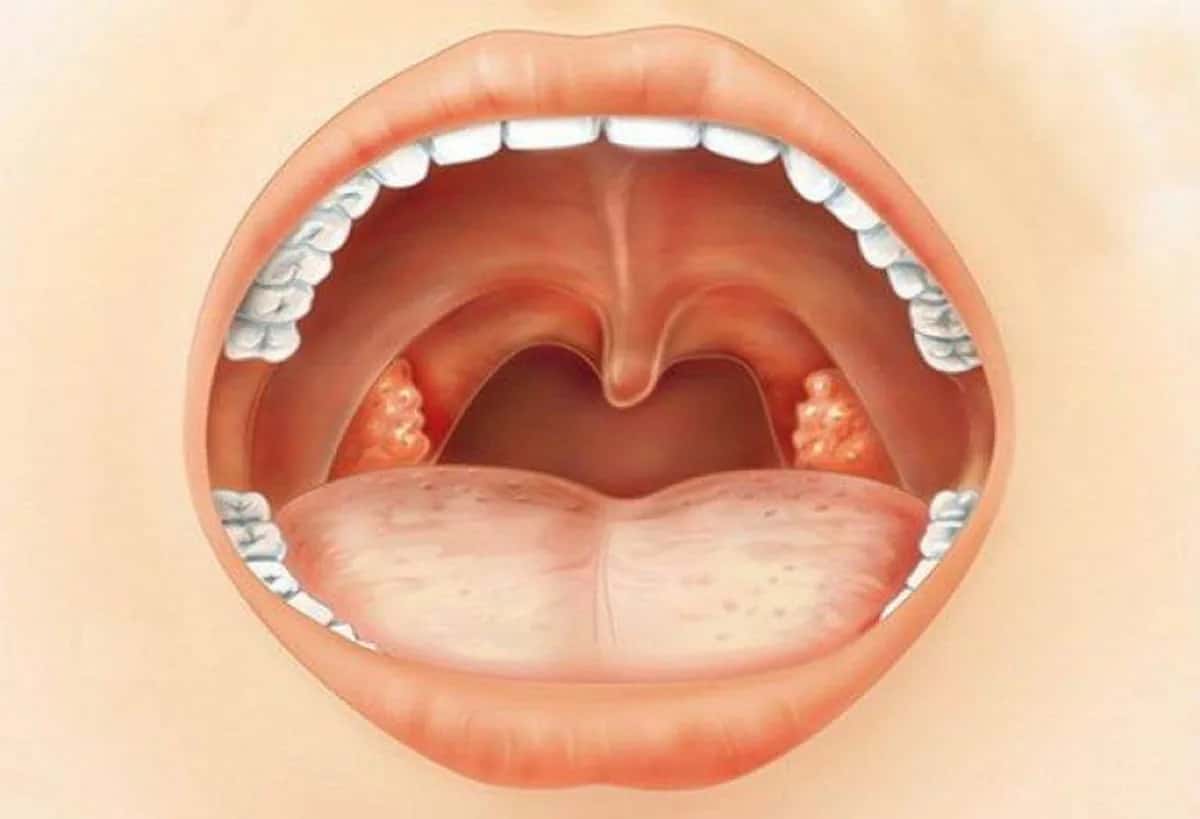
This page explains why tonsils are removed, how tonsillectomy is performed, what recovery usually involves, and which symptoms require medical attention after surgery.

This guide explains septoplasty surgery, its purpose, procedure, recovery, risks, expected results, and the main factors that influence septoplasty cost.

Voice feminization surgery cost depends on country, technique, surgeon experience, hospital fees, voice therapy, travel, and aftercare. In higher-cost healthcare systems, the price may rise above $10,000, while destinations such as Turkey and Thailand may offer lower package prices for suitable patients.
Subscribe to the Medifinder newsletter and never miss our latest content.