










Understanding the Importance of Full Panel Blood Tests
A Full Panel Blood Test is a collection of blood tests used to give a broad overview of a person’s health. It often includes a complete blood count, blood chemistry measurements, and other markers that help identify signs of infection, anemia, inflammation, organ stress, nutrient imbalance, or metabolic concerns.

- Last updated
- 53 reads
- 8 min read



What Is Included in a Full Panel Blood Test?
A full panel blood test usually includes several categories of measurements, each looking at a different part of overall health. The exact set of tests may vary, but many panels combine blood cell counts, metabolic markers, liver and kidney indicators, cholesterol levels, and sometimes thyroid, vitamin, or inflammation markers.
The most common starting point is the complete blood count, often called a CBC. This test measures red blood cells, white blood cells, hemoglobin, hematocrit, and platelets. These results can help show whether the body has enough oxygen-carrying cells, whether there may be infection or immune activity, and whether clotting-related cells appear within an expected range.
A full blood panel may also include chemistry tests that measure substances such as glucose, electrolytes, proteins, and waste products. These values help show how well the body is balancing fluids, processing nutrients, and clearing byproducts. When combined, the results create a broader picture than any single measurement could provide.
Common components may include:
-
Complete blood count: Reviews red blood cells, white blood cells, hemoglobin, hematocrit, and platelets.
-
Metabolic markers: Measures values such as glucose, calcium, sodium, potassium, and other electrolytes.
-
Kidney-related markers: Looks at waste products that may reflect how the kidneys are filtering blood.
-
Liver-related markers: Checks enzymes and proteins that may suggest liver stress or changes in liver function.
-
Lipid measurements: Reviews cholesterol and triglycerides, which may help assess heart and metabolic risk.
-
Thyroid markers: Sometimes included to evaluate how thyroid hormones may be affecting energy, weight, mood, or metabolism.
-
Vitamin or mineral levels: May be added when fatigue, diet, absorption issues, or deficiency risk is a concern.
-
Inflammation markers: Sometimes used when there are symptoms or risk factors that suggest ongoing inflammation.
Why Does a Full Blood Panel Matter?
A full blood panel matters because it helps turn vague symptoms, risk factors, and routine wellness questions into measurable information. Many health changes develop gradually, and blood work may reveal shifts before they are felt in daily life. For example, someone may feel tired for many reasons, but a blood test can help separate possibilities such as anemia, thyroid imbalance, blood sugar changes, or nutrient deficiency.
The value is not only in finding a problem. A Full Panel Blood Test can also establish a baseline. When future results are compared with earlier ones, changes over time may become easier to spot. A result that is technically within range may still be meaningful if it has moved significantly from a person’s previous pattern.
Full panels are also useful because body systems affect one another. Blood sugar, kidney function, liver enzymes, cholesterol, blood cells, and hormones do not operate in isolation. Looking at several categories together can help provide context and reduce the risk of focusing too narrowly on one number.
A full blood panel can be useful for:
-
Routine health screening when there are no major symptoms.
-
Investigating fatigue, dizziness, weakness, or unexplained changes in energy.
-
Monitoring known conditions or medication effects.
-
Checking metabolic health, including glucose and cholesterol patterns.
-
Reviewing organ function before procedures or treatment changes.
-
Looking for possible nutrient deficiencies or imbalance.
-
Establishing a personal baseline for future comparison.
How Does a Full Panel Blood Test Work?
A full panel blood test works by analyzing a small sample of blood, usually drawn from a vein in the arm. The sample is processed to measure blood cells, chemicals, enzymes, proteins, hormones, or other markers depending on what the panel includes. Results are then compared with reference ranges and interpreted in the context of age, sex, symptoms, medications, health history, and the reason the test was ordered.
Some panels require fasting, especially when glucose or lipid results are being evaluated. Fasting means avoiding food and certain drinks for a set period before the blood draw. Other tests do not require fasting, so it is important to follow the instructions given before testing rather than guessing.
The blood draw itself is typically brief. After collection, there may be mild soreness or a small bruise at the needle site. Most people can return to normal activities right away unless they were told to fast, feel lightheaded, or have specific medical instructions.
The process usually follows these steps:
-
Test selection: The panel is chosen based on routine screening, symptoms, risk factors, or monitoring needs.
-
Preparation: Instructions may include fasting, hydration guidance, or timing considerations for certain medications or supplements.
-
Blood collection: A small blood sample is taken and sent for analysis.
-
Lab measurement: The sample is tested for the markers included in the panel.
-
Result review: Results are compared with reference ranges and interpreted alongside personal health context.
-
Follow-up: Abnormal or borderline results may lead to repeat testing, lifestyle discussion, additional tests, or treatment planning.
Key Results and What They Can Suggest
Blood test results are best read as patterns, not isolated labels. A high or low value does not automatically mean a serious condition is present, and a normal value does not always rule out a health issue. Hydration, recent illness, stress, diet, medications, supplements, exercise, and timing can all affect certain results.
The complete blood count is one of the most informative parts of many panels. Low red blood cell or hemoglobin values may suggest anemia or blood loss, while high or low white blood cell counts may relate to infection, inflammation, immune changes, or other causes. Platelet results can provide clues about clotting capacity or bone marrow activity, though interpretation depends heavily on the full picture.
Chemistry results add another layer. Glucose can reflect blood sugar regulation. Electrolytes can suggest hydration status, kidney involvement, or other balance issues. Liver enzymes may rise when the liver is irritated or stressed, though the cause can vary widely. Kidney markers may shift when filtration changes, dehydration is present, or other factors are involved.
Lipid results, when included, help evaluate patterns related to cholesterol and triglycerides. These numbers are often used with other risk factors rather than viewed alone. Thyroid, vitamin, iron, or inflammation tests may provide additional context when symptoms or personal risk factors make them relevant.
What a Full Panel Blood Test Can and Cannot Tell You
A Full Panel Blood Test can show measurable changes in the blood, but it cannot explain everything by itself. It can identify patterns that may suggest infection, anemia, inflammation, metabolic changes, organ stress, or deficiency risk. It can also help track whether certain values are improving, worsening, or staying stable over time.
However, blood tests are not a complete picture of health. Some conditions require imaging, physical examination, urine testing, genetic testing, biopsies, or specialized evaluations. Symptoms still matter, even when blood work appears normal. Likewise, an abnormal value may need confirmation before any conclusion is made.
A practical way to understand a full blood panel is to see it as a health map. It can show where attention may be needed, but it is not the entire journey. The most useful interpretation comes from combining the numbers with medical history, current symptoms, lifestyle factors, and follow-up evaluation.
Common misconceptions include:
-
“Full panel” means every possible blood test. It does not. The included tests vary by purpose and provider.
-
Normal results guarantee perfect health. They do not. Some conditions are not visible through routine blood work.
-
One abnormal value always means disease. Not necessarily. Temporary factors can affect results.
-
More tests are always better. Not always. Testing should match the reason for checking.
-
Reference ranges are personal targets. They are general comparison ranges, not a complete interpretation.
-
Results should be interpreted alone. They should be reviewed with symptoms, history, and risk factors.
When to Consider a Full Blood Panel
A full blood panel may be considered during routine wellness checks, before starting certain treatments, when monitoring ongoing health concerns, or when symptoms need investigation. It may also be useful for people who want a baseline before making lifestyle changes related to nutrition, exercise, weight management, or general preventive care.
Symptoms that may lead to testing include persistent fatigue, frequent infections, unexplained bruising, dizziness, changes in weight, increased thirst, digestive changes, muscle weakness, or general feelings that something is not right. These symptoms can have many causes, so blood work is often only one part of the evaluation.
People with known health conditions may use full blood panels for monitoring. For example, changes in kidney markers, liver enzymes, glucose, or blood cell counts can help guide decisions over time. The goal is not just to react to abnormal results, but to understand trends and respond before problems become more difficult to manage.
Preparing for Better Results
Good preparation helps make results easier to interpret. If fasting is required, follow the timing instructions carefully. Drink water unless told otherwise, because dehydration can affect some measurements and make the blood draw more difficult.
It is also helpful to keep a current list of medications, supplements, and recent health changes. Recent infections, intense exercise, alcohol use, major diet changes, and menstrual bleeding can influence certain values. Sharing this context can prevent confusion and help explain unexpected patterns.
Before testing, consider asking:
-
Which tests are included in this full blood panel?
-
Do I need to fast, and for how long?
-
Should I take my usual medications before the test?
-
Are supplements likely to affect any results?
-
When should I expect results?
-
What results would require follow-up?
-
Should this panel be repeated later for comparison?
The Practical Takeaway
A Full Panel Blood Test is a broad blood workup that helps evaluate several areas of health at once. By including tests such as a complete blood count, metabolic markers, and other targeted measurements, it can reveal patterns that support screening, diagnosis, monitoring, and prevention.
The most important point is that a full blood panel is not just a list of numbers. Its value comes from interpretation, context, and follow-up. When used thoughtfully, it can help people understand their bodies more clearly, notice changes earlier, and make better-informed decisions about their health.
- Last updated
- Language
- English
How did you find this article?

This guide compares varicose vein surgery costs around the world in 2026, including EVLA, radiofrequency ablation, sclerotherapy, phlebectomy, vein stripping, insurance, and travel expenses.

Blood tests can reveal important clues about your heart and blood vessels long before a problem becomes obvious. They do not tell the whole story on their own, but they help your healthcare provider understand risk, investigate symptoms, monitor known conditions, and decide what steps may protect your long-term health.
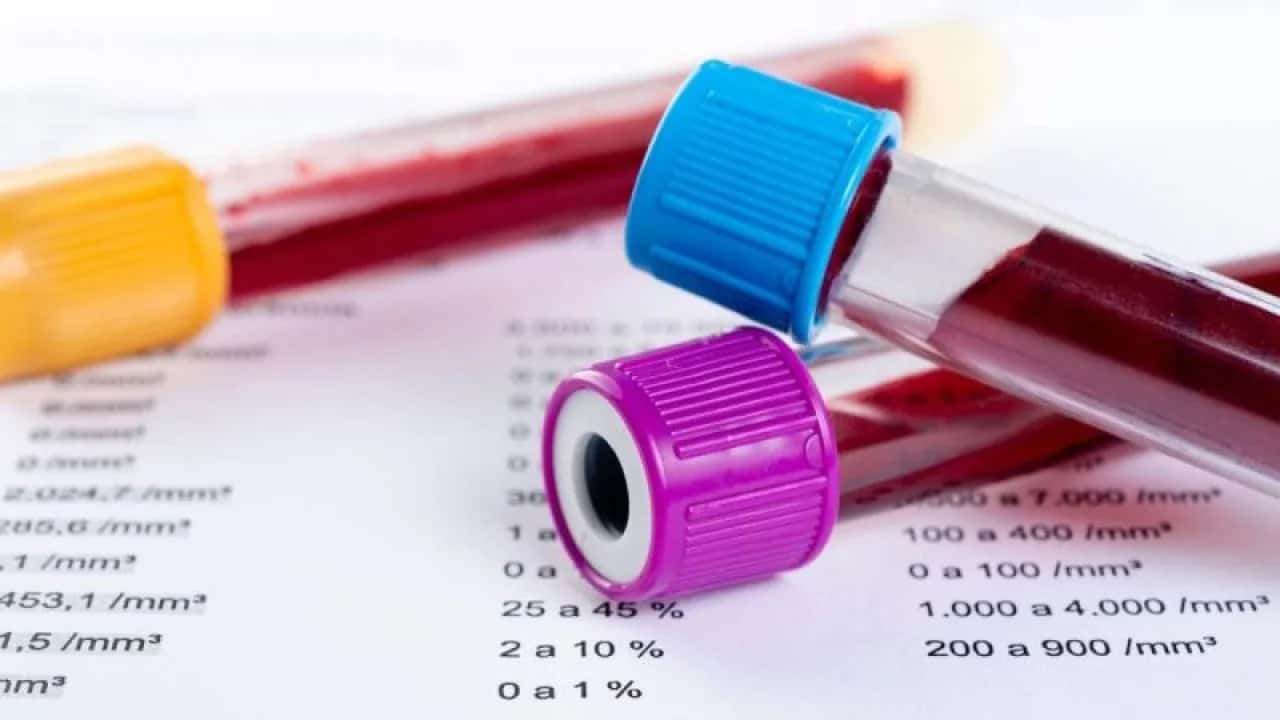
Cardiac Blood Tests are used to look for signs of heart muscle damage, heart strain, inflammation, and risk factors that may affect long-term cardiovascular health. They do not tell the whole story on their own, but they can give clinicians important clues when combined with symptoms, examination findings.
Subscribe to the Medifinder newsletter and never miss our latest content.