










Trap Botox for Shoulder Slimming
Trap Botox for shoulder slimming is a non-surgical procedure that uses botulinum toxin injections to reduce the activity and prominence of selected trapezius muscles, potentially creating a softer neck-to-shoulder contour.

- Last updated
- 46 reads
- 14 min read
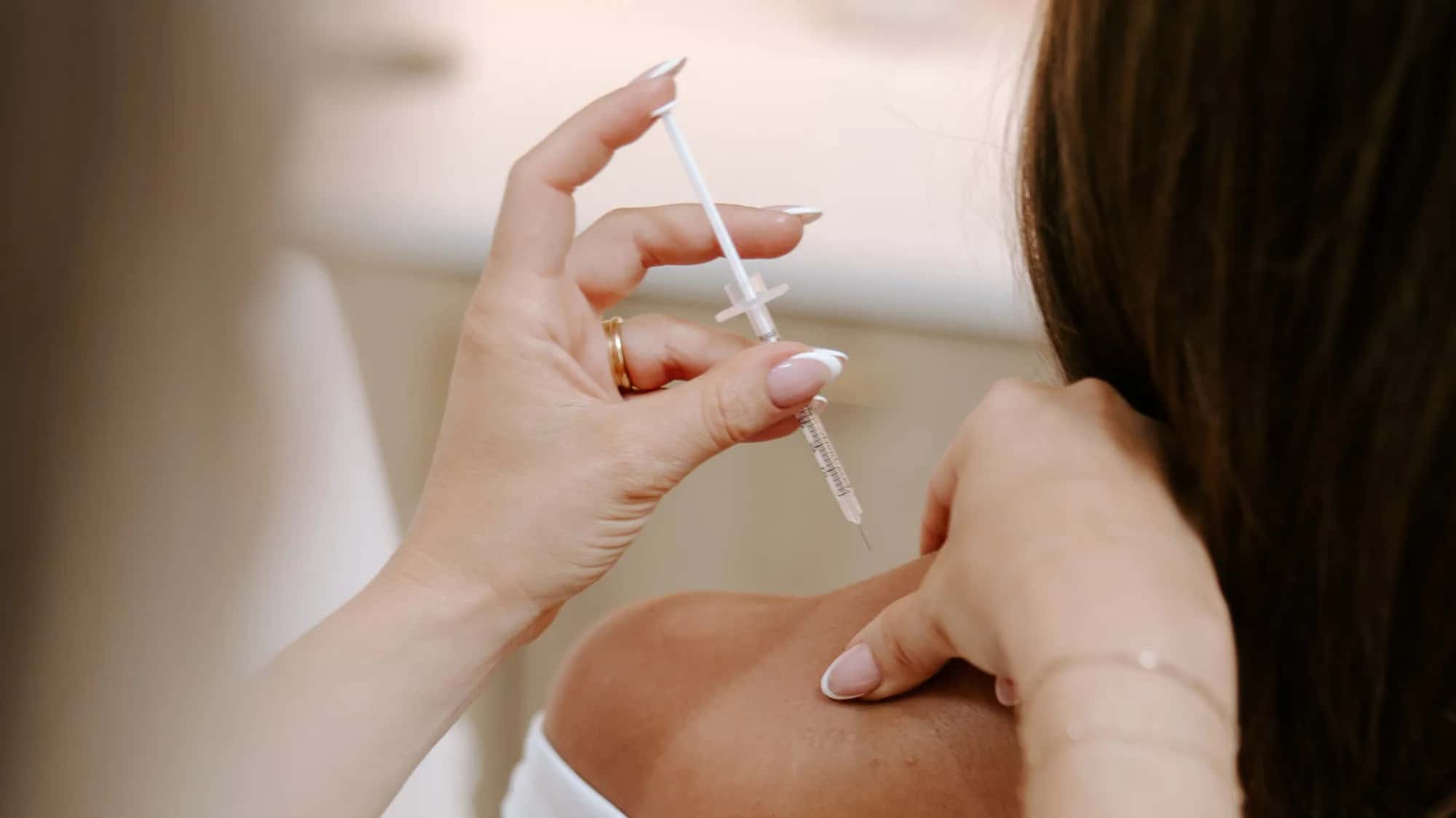


What Is Trap Botox for Shoulder Slimming?
Trap Botox, also known as Trapezius Botox or Trap Tox, is an injectable treatment designed to reduce the prominence of the upper trapezius muscles. These muscles extend from the back of the neck toward the shoulders and contribute to the shape of the upper body.
When the upper trapezius becomes particularly developed, the area between the neck and shoulder can appear elevated or rounded. By reducing selected muscle contractions, botulinum toxin may gradually decrease this muscular prominence and create a gentler shoulder slope.
The procedure does not involve removing tissue or surgically altering the shoulders. Instead, it changes muscle activity, allowing volume reduction to develop over time.
Cosmetic trapezius injections are considered an off-label use of botulinum toxin in the United States. Although the medication has established medical applications involving certain neck muscles, those approvals do not establish the safety or effectiveness of injections specifically for shoulder slimming.
How Does Trapezius Botox Make the Shoulders Look Slimmer?
Trapezius Botox works by temporarily blocking the nerve signals that activate selected muscle fibers. Botulinum toxin interferes with the release of acetylcholine, the chemical messenger responsible for transmitting signals between nerves and muscles.
As the treated muscle becomes less active, its contractions weaken. Over the following weeks, reduced activity may cause a decrease in muscle volume, making the upper trapezius appear less prominent.
This gradual reduction can soften the transition from the neck to the shoulders, particularly when enlarged muscles contribute substantially to the existing contour.
The treatment does not directly remove fat, shorten the collarbones or narrow the skeletal width of the shoulders. Its effectiveness depends on whether muscle bulk is responsible for the appearance someone wants to change.
Consequently, a person with naturally broad shoulders may experience little visible narrowing even when the targeted trapezius muscles respond to the injections.
What Does the Trapezius Muscle Do?
The trapezius is a large muscle extending across the upper back, shoulders and neck. Although its upper portion strongly influences the visible neck-to-shoulder line, the muscle performs several essential functions.
The upper trapezius contributes to shoulder elevation and helps coordinate the movement of the shoulder blade. Other portions assist with bringing the shoulder blades toward the spine, stabilizing them and controlling their movement during arm activity.
These actions matter when lifting objects, reaching overhead, carrying bags and maintaining controlled upper-body movements.
The trapezius also works with other muscles to support head and neck positioning. Weakening part of this system can influence how surrounding muscles compensate during ordinary activities.
Unlike certain small facial muscles treated for cosmetic wrinkles, the trapezius participates in substantial physical work. This functional role makes careful assessment especially important before considering injections intended primarily to change appearance.
Is Shoulder Width Always Caused by Enlarged Trapezius Muscles?
Shoulder width reflects several anatomical features, and enlarged trapezius muscles represent only one possible contributor. Collarbone length, shoulder joint structure, surrounding muscle development and body composition all influence the shape of the upper body.
Some people have prominent upper trapezius muscles because of strength training, repetitive lifting or naturally developed musculature. Others have a relatively broad shoulder frame even though their trapezius muscles are not particularly large.
Posture can also change the apparent shoulder contour. Rounded shoulders, elevated shoulder positioning or habitual muscle guarding may make the neck-to-shoulder transition look different without indicating substantial muscle hypertrophy.
Body fat distribution creates another distinction because botulinum toxin cannot remove fat located around the upper back or shoulders.
Before considering Trap Botox, it is therefore necessary to establish whether reducing muscle volume would meaningfully change the appearance. Treating a naturally broad skeletal frame as though it were a muscle problem can lead to disappointing results.
Who Is a Suitable Candidate for Trap Botox?
Trap Botox may be considered for selected adults whose shoulder contour is influenced by prominent upper trapezius muscles and who understand the possible effects on muscle function.
-
People with noticeable trapezius enlargement: Individuals whose upper trapezius muscles create a raised or rounded neck-to-shoulder profile may experience visible contour changes if the muscles decrease in size.
-
Adults seeking modest shoulder contouring: Those interested in softening muscular prominence without surgery may consider the procedure, provided they understand that skeletal shoulder width will remain unchanged.
-
People with realistic expectations: Suitable candidates recognize that muscle reduction develops gradually and that results may be subtle, particularly when other anatomical features contribute to shoulder width.
-
Individuals without significant shoulder weakness: Existing neck instability, shoulder dysfunction or conditions affecting muscle strength require careful evaluation because further weakening the trapezius may interfere with daily activities.
Can Trap Botox Make the Neck Look Longer?
Trap Botox can create the impression of a longer neck when prominent upper trapezius muscles make the shoulders appear elevated. As the muscles gradually decrease in volume, the visible transition between the neck and shoulders may become smoother.
This effect is optical rather than structural. The procedure does not lengthen the cervical spine or change the position of the collarbones.
Someone with substantial upper trapezius development may notice that the neck appears more defined in frontal photographs after treatment. However, a similar result should not be expected when the existing shoulder shape primarily reflects bone structure.
The appearance also depends on posture, head position and the surrounding neck muscles. Photographs taken from different angles can exaggerate or conceal relatively small changes.
A successful result should preserve natural shoulder movement rather than prioritize the longest possible appearance of the neck.
Does Trap Botox Help With Neck and Shoulder Tension?
Trap Botox is sometimes discussed as a treatment for neck tightness because botulinum toxin reduces muscle contraction. However, improving muscular contour and treating chronic discomfort are separate medical objectives.
Upper trapezius discomfort may develop through sustained postures, repetitive activity, muscle overload or conditions involving nearby structures. Reducing one muscle's activity does not necessarily address the underlying cause.
Research investigating botulinum toxin for neck and shoulder muscle pain has produced mixed findings, and the available evidence does not establish consistent, clinically meaningful long-term pain relief.
Some individuals may notice reduced muscular tightness after injections, while others may experience weakness or compensatory discomfort in neighboring muscles.
Persistent neck pain should therefore be assessed according to its actual cause. Cosmetic shoulder slimming should not be presented as a reliable treatment for headaches, posture problems or chronic muscle pain.
How Is Trap Botox Different From Traditional Botox?
Traditional cosmetic Botox commonly targets facial muscles responsible for expression lines, including those around the forehead and eyes. Trap Botox uses the same general nerve-blocking mechanism but targets a substantially larger muscle involved in shoulder and neck movement.
The intended cosmetic effect also differs. Facial Botox reduces repetitive skin folding, whereas trapezius injections aim to decrease muscle bulk gradually.
In this respect, Trap Botox resembles masseter Botox for jaw slimming, which also changes facial contours through reduced muscle activity rather than by adding or removing tissue.
However, weakening the trapezius introduces different functional considerations because the muscle supports shoulder elevation, scapular stability and overhead arm movement.
A treatment strategy designed for forehead wrinkles cannot simply be transferred to the shoulder region. Different anatomy, muscular demands and limited cosmetic research make direct comparisons inappropriate.
What Happens During a Trapezius Botox Procedure?
A Trap Botox appointment begins with an assessment of shoulder contour, muscle prominence, posture and upper-body function. The upper trapezius may be examined while the shoulders are relaxed and during controlled movements to determine how much of the visible shape comes from muscle activity.
Existing weakness, previous neck or shoulder injuries and the physical demands of daily activities should also be reviewed.
After cleaning the skin, a qualified medical professional administers botulinum toxin into selected portions of the trapezius muscle. Accurate identification of the intended muscle is important because nearby structures contribute to neck and shoulder movement.
The procedure does not require surgical incisions or general anesthesia. Temporary discomfort, tenderness or small bruises may develop around the injection points.
Unlike treatments that create immediate physical volume changes, trapezius injections require time before muscle reduction becomes visible.
How Many Units Are Used for Shoulder Slimming?
There is no universally established, approved cosmetic dosage for trapezius slimming. Published research has used different botulinum toxin formulations, injection patterns and amounts, making it difficult to identify one standardized approach.
The trapezius is a large muscle, but its functional importance means that using more toxin is not necessarily advantageous. Excessive weakening can reduce shoulder strength and alter normal upper-body movement.
Muscle size also differs substantially between individuals. Someone with pronounced upper trapezius hypertrophy may have very different anatomical characteristics from someone whose shoulder contour is mainly influenced by skeletal proportions.
In addition, botulinum toxin products have their own potency units, which cannot automatically be converted between brands.
A treatment plan must consider the potential aesthetic improvement alongside the risk of disrupting essential muscle function. Published unit ranges should not be interpreted as instructions for self-administration or as a universal cosmetic prescription.
When Do Trap Botox Results Become Visible?
Trap Botox produces its effects in stages because muscle relaxation occurs before meaningful volume reduction becomes apparent.
During the first several days, botulinum toxin begins influencing communication between the nerve endings and treated muscle fibers. Changes in contraction strength may develop over approximately one to two weeks.
Visible shoulder slimming generally takes longer. Some individuals may notice changes around four weeks after treatment, while a clearer reduction in muscle prominence may develop over the following two to three months.
The timing is influenced by the initial muscle volume, treatment response and the extent of the desired contour change.
Photographs taken at consistent angles can help document results, but appearance should not be evaluated in isolation. Changes in shoulder strength, comfort and overhead movement are equally important measures of how the treatment has affected the body.
How Long Does Trapezius Botox Last?
The effect of trapezius Botox is temporary because the nerve signals controlling muscle contraction gradually recover. As muscular activity returns, the trapezius may begin rebuilding some of the volume lost after treatment.
Published aesthetic studies have commonly reported visible effects lasting approximately four to five months, although the available evidence remains limited and individual responses can differ.
Muscle volume does not necessarily return at the exact moment the medication's relaxing effect starts wearing off. Some contour changes may remain noticeable while strength gradually recovers.
Repeated strenuous use of the trapezius may also influence how quickly muscle bulk returns, but this relationship is not predictable enough to establish a precise maintenance schedule.
A temporary aesthetic benefit should not be mistaken for permanent muscular reshaping.
Anyone considering continued treatment should assess both the appearance and functional consequences of the first injection before planning additional sessions.
Can Trap Botox Affect Exercise and Shoulder Strength?
Trap Botox can affect exercise performance because the upper trapezius contributes to lifting, shoulder elevation and stabilization of the shoulder blades.
People who regularly perform overhead presses, carry heavy equipment, climb or participate in sports requiring strong shoulder control may notice that certain movements feel different after the injections.
Temporary weakness may make it harder to shrug the shoulders, maintain stability under load or complete activities requiring sustained upper-body effort.
The surrounding muscles can sometimes compensate for reduced trapezius activity, potentially creating new patterns of tension or discomfort.
This does not mean everyone receiving trapezius injections will develop noticeable exercise limitations. However, the possibility deserves serious consideration, especially for athletes and people whose work involves physical lifting.
Reducing a muscle for aesthetic reasons should not compromise the strength necessary for safe, comfortable movement.
What Are the Possible Side Effects of Trap Botox?
Trap Botox carries the usual risks associated with botulinum toxin injections alongside concerns related to the functional role of the trapezius muscle.
-
Injection-site reactions: Temporary redness, tenderness, swelling and small bruises can develop around the treated areas. These reactions generally improve as the injection sites recover.
-
Shoulder and neck weakness: Reduced trapezius activity may make shoulder elevation, overhead reaching or carrying objects more difficult. Some individuals may also experience fatigue or a sensation of reduced support around the upper back.
-
Changes in movement and muscle balance: Weakening the trapezius can affect scapular coordination and cause neighboring muscles to compensate. This may contribute to discomfort, altered shoulder mechanics or difficulty maintaining familiar movements.
-
Rare serious complications: Botulinum toxin can occasionally produce effects beyond the intended injection area. Unusual widespread weakness, difficulty swallowing, speech changes or breathing problems require immediate emergency medical attention.
Can Trapezius Botox Affect Posture or Shoulder Stability?
The trapezius helps coordinate the position and movement of the shoulder blades, making its function important for comfortable posture and upper-body activity.
Weakening the upper portion of the muscle may change how the shoulders respond to lifting and how neighboring muscles contribute to stabilization. In some cases, this can produce compensatory tension rather than the expected sense of relaxation.
The effect on posture is not necessarily beneficial. Although a person may perceive less shoulder elevation after treatment, this does not mean the procedure has corrected the underlying postural habits or improved muscular coordination.
Pronounced weakness can interfere with scapular movement, particularly during overhead activity.
People with pre-existing shoulder instability, significant neck weakness or demanding physical occupations should be especially cautious about treatments intended to reduce muscle size.
The aim should be to preserve functional balance, not to achieve a cosmetic contour by unnecessarily weakening a muscle that supports daily movement.
What Should You Avoid After Trap Botox?
Appropriate aftercare can reduce unnecessary irritation while allowing the treatment's effects to develop without additional stress around the injection sites.
-
Avoid forceful massage over the treated muscles: Vigorous rubbing, deep-tissue massage and massage guns can irritate recently injected areas. Gentle everyday contact is different from prolonged mechanical pressure.
-
Postpone strenuous upper-body activity when advised: Heavy lifting, demanding shoulder workouts and intense exercise may increase temporary discomfort or bruising soon after treatment. Activity restrictions should reflect the procedure and any developing weakness.
-
Do not test shoulder strength repeatedly: Performing repeated shrugs or lifting heavy objects to check whether Botox is working will not accelerate the aesthetic result. Muscle reduction develops gradually rather than through immediate changes in appearance.
-
Pay attention to unexpected weakness: Increasing difficulty raising the arms, marked neck weakness or unusual shoulder instability deserves medical assessment. General Botox aftercare precautions can provide additional guidance on protecting injection sites and recognizing concerning symptoms.
Can Repeat Treatments Maintain a Slimmer Shoulder Contour?
Repeat trapezius injections may help maintain a reduced muscular contour when the initial treatment produces a satisfactory aesthetic response.
However, ongoing muscle weakening creates considerations beyond appearance. The trapezius plays an important role in shoulder mechanics, and repeatedly reducing its activity could affect strength or muscular balance over time.
Research specifically examining the long-term functional consequences of repeated cosmetic trapezius injections remains limited.
A maintenance approach should therefore assess whether the muscle has regained normal strength, whether overhead movement remains comfortable and whether the cosmetic change is still desirable.
Additional injections should not be scheduled automatically simply because a particular number of months has passed.
The most important question is whether preserving a slimmer contour remains compatible with healthy shoulder function.
How Much Does Trap Botox Cost?
Trap Botox pricing depends on the medication selected, the amount required and the overall extent of the procedure. Because the trapezius is a large muscle, cosmetic treatment may involve more product than limited facial wrinkle injections.
Some providers calculate the price according to the number of units used, while others quote a complete fee covering both shoulders.
These pricing methods are not directly comparable when different botulinum toxin products are involved, since their potency units are not interchangeable.
The initial assessment and any necessary follow-up evaluations also contribute to the overall treatment process.
Because the effect is temporary, maintenance appointments may increase the long-term expense. The possibility of functional side effects should form part of the cost-benefit evaluation rather than treating shoulder slimming as a routine beauty service.
A lower treatment price does not compensate for inadequate medical assessment, uncertain product authenticity or unnecessary muscle weakening.
What Are the Alternatives to Trap Botox?
Alternatives depend on why the shoulders appear prominent and whether the main concern involves muscle size, posture or discomfort.
When the upper trapezius is enlarged through specific exercise patterns, adjusting training volume and allowing sufficient recovery may gradually influence muscle development. However, exercise changes should preserve overall strength and avoid deliberately creating muscular imbalance.
If the concern relates to persistent shoulder elevation or postural habits, a physical assessment may identify movement patterns that can be addressed through targeted rehabilitation or ergonomic adjustments.
Neck and shoulder pain require a different approach. Physical therapy, activity modification or medical investigation may be more appropriate than injections intended primarily for appearance.
When shoulder breadth reflects collarbone length or natural skeletal structure, muscle-focused treatments cannot substantially change that anatomy.
The most useful alternative is therefore determined by the actual cause of the visible contour, not by the assumption that every broad shoulder shape needs to be reduced.
Is Trap Botox the Right Choice for Your Shoulder Shape?
Trap Botox may offer a subtle, temporary improvement in the neck-to-shoulder line when enlarged upper trapezius muscles contribute substantially to the existing contour. Reducing muscle activity can gradually soften the shoulder profile, but it cannot alter bone structure, directly remove fat or guarantee a longer-looking neck.
The available aesthetic research suggests that visible muscular reduction is possible, although studies remain relatively small and long-term safety information is limited.
Because the trapezius supports shoulder elevation, scapular movement and upper-body strength, functional assessment is as important as the desired cosmetic result.
The decision should also distinguish shoulder slimming from treatment for neck pain or posture concerns. These goals involve different outcomes, and an aesthetic benefit does not establish a medical benefit.
Ultimately, Trap Botox is most appropriately considered when the desired contour change is clearly related to muscle bulk and the potential improvement justifies the possibility of temporary weakness. Preserving comfortable movement and shoulder stability must remain part of any successful result.
- Last updated
- Language
- English
How did you find this article?
Many singers, actors, reality stars and influencers have talked openly about getting lip filler, and a growing number have also shared why they later had it dissolved. This guide looks at what 20 of these public figures said about their own lip treatments and what their experiences can teach anyone considering filler.

Filler fatigue describes the point where repeated dermal filler treatments leave a face looking heavier, puffier or less like itself, and it is pushing many people to rethink how they approach injectables. This guide explains what causes it, how to recognize an overfilled face.
Overfilled faces develop when injectable treatments add more volume than the facial anatomy can accommodate naturally, altering contours, proportions and sometimes facial expression.
Subscribe to the Medifinder newsletter and never miss our latest content.