










Masseter Botox for Jaw Slimming
Masseter Botox for jaw slimming is a non-surgical treatment that reduces excessive jaw muscle activity to create a narrower, more balanced lower facial appearance.

- Last updated
- 41 reads
- 13 min read


What Is Masseter Botox for Jaw Slimming?
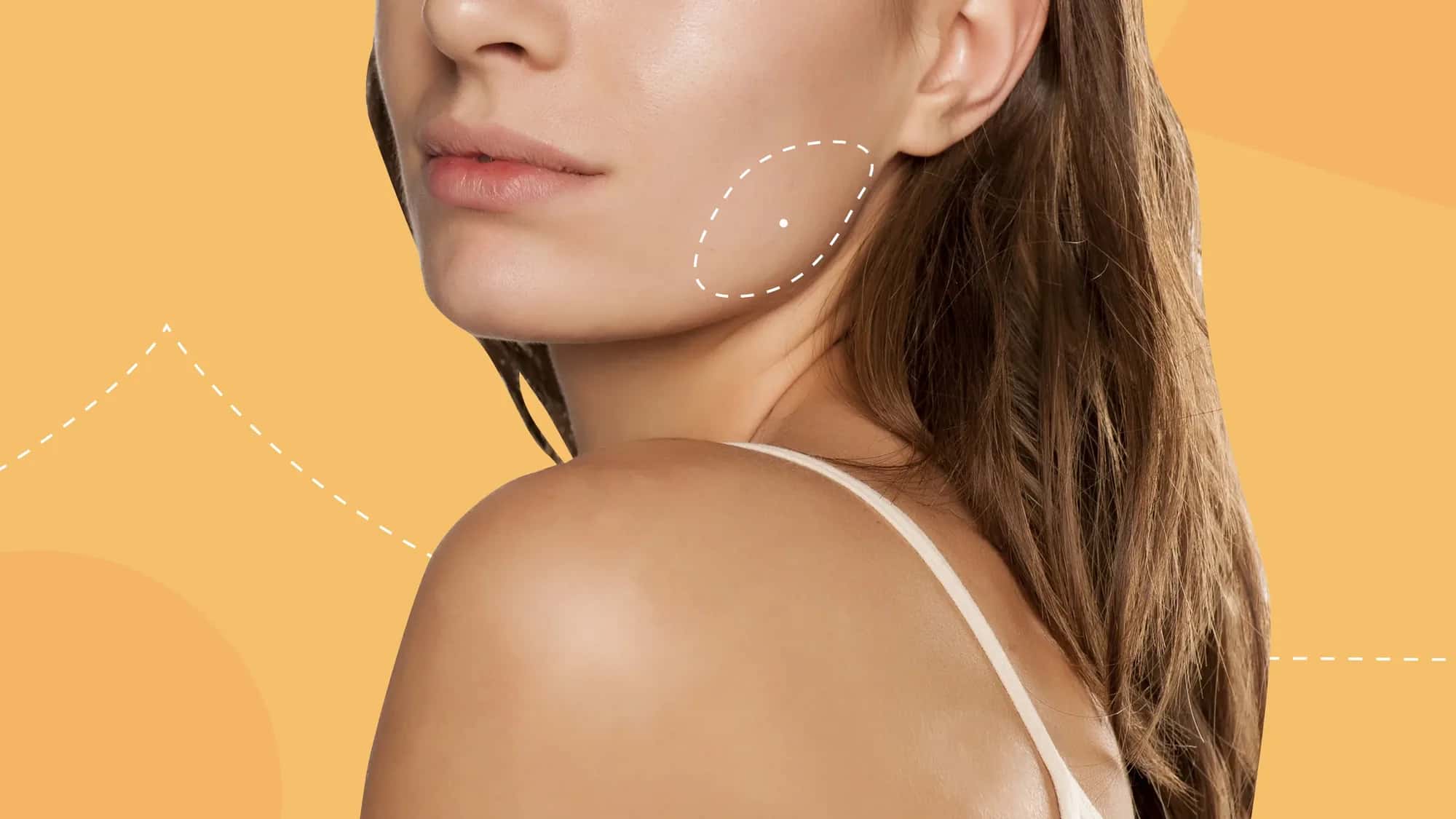
Masseter Botox is an injectable treatment that uses botulinum toxin type A to temporarily reduce the activity of the masseter muscles, which sit along both sides of the lower jaw and play an essential role in chewing. When these muscles become enlarged, they can make the lower face appear wider or more angular, particularly when the teeth are clenched.
The treatment aims to reduce excessive muscle volume rather than remove fat or reshape the jawbone. As the targeted muscles become less active, they may gradually decrease in size, creating a slimmer facial contour over the following weeks.
Unlike surgical jaw reduction, masseter Botox does not require incisions or bone modification. The procedure is performed through small injections, although its cosmetic use for jaw slimming is off-label in countries such as the United States.
How Does Masseter Botox Make the Jaw Look Slimmer?
Masseter Botox works by temporarily reducing the nerve signals responsible for activating the masseter muscles. The treatment limits the release of acetylcholine, a chemical messenger that enables communication between nerves and muscles, leading to weaker contractions in the injected areas.
As muscle activity decreases, the masseter receives less stimulation during everyday functions such as chewing and clenching. Over several weeks, this reduction in activity can cause the enlarged muscle to decrease in volume, making the lower face appear less square.
This process develops gradually because muscle size does not change immediately after injection. The earliest effects involve reduced contraction strength, while visible facial slimming requires additional time.
The treatment is most effective when excessive muscle bulk contributes significantly to lower facial width. If the jaw appears broad mainly because of bone structure or facial fat, reducing masseter activity may produce only a modest cosmetic difference.
What Causes an Enlarged Masseter Muscle?
The masseter is one of the strongest muscles involved in chewing, and its size can increase through repeated activity. Some people naturally have more prominent masseter muscles because of inherited facial characteristics, while others develop additional muscle bulk through habitual jaw clenching or teeth grinding.
Bruxism, which involves involuntary grinding or clenching of the teeth, may contribute to masseter enlargement over time. The repeated contractions place substantial demands on the chewing muscles, potentially making them more prominent along the jaw angles.
However, a square lower face does not always indicate enlarged masseters. Mandibular bone width, facial fat distribution and overall skeletal proportions also influence jawline appearance.
An important distinction involves how the jaw changes during clenching. When prominent masseter muscles are responsible for the width, the lower jaw angles may become noticeably fuller as the teeth are pressed together.
Identifying the source of facial width is essential because muscle reduction cannot correct every type of broad jawline.
Who Is a Suitable Candidate for Jaw Slimming Botox?
Jaw slimming Botox is generally most relevant for adults whose lower facial width is influenced by prominent masseter muscles rather than primarily by bone structure or soft tissue.
-
People with enlarged jaw muscles: Individuals whose lower face becomes noticeably wider when clenching may benefit from reducing excess masseter volume, particularly when the muscle contributes to a square facial outline.
-
Adults seeking subtle facial contouring: Those who prefer gradual changes without surgical alteration of the jawbone may consider masseter injections to soften the appearance of the lower face.
-
People with noticeable facial asymmetry: When one masseter muscle is more developed than the other, carefully planned treatment may help reduce differences in lower facial width, although skeletal asymmetry will remain.
-
Individuals with jaw clenching concerns: People who experience frequent clenching alongside masseter enlargement may benefit from reduced muscle activity, although cosmetic injections do not replace a complete dental evaluation.
Can Masseter Botox Change a Square Jawline?
Masseter Botox can make a square jawline appear softer when prominent chewing muscles contribute substantially to its width. By reducing the bulk of these muscles, the treatment may create a more tapered transition between the cheekbones and jaw.
However, a square jaw can result from several anatomical features. Wide mandibular angles, prominent bone structure and fat distribution may create a broad appearance even when the masseter muscles are not particularly large.
Reducing muscle volume cannot narrow the underlying jawbone, which places a natural limit on the achievable result.
Facial proportions also influence whether slimming is desirable. Some people prefer a delicate, tapered lower face, while others value the strength and definition associated with a broader jaw.
This consideration is especially relevant for men, whose aesthetic goals may involve maintaining a prominent lower facial outline. Understanding different jawline treatments for men helps distinguish procedures that reduce muscular width from treatments designed to increase structural definition.
How Is Masseter Botox Different From Jawline Filler?
Masseter Botox and jawline filler influence facial contours through opposite mechanisms. Botox reduces selected muscle activity and can gradually decrease masseter volume, while dermal fillers add volume to improve projection or definition.
A person with prominent masseter muscles may benefit from reducing excess width around the jaw angles. Someone with a weak chin or limited mandibular projection may instead require structural support to create better facial balance.
Filler cannot reproduce the muscle-reducing action of botulinum toxin, just as masseter Botox cannot increase chin projection or create additional bone definition.
The distinction becomes particularly important when someone describes their goal as achieving a more defined jawline. A slimmer jaw and a more projected jaw are not necessarily the same aesthetic outcome.
Choosing a treatment based on the underlying facial anatomy helps avoid changes that could make the lower face appear less balanced.
What Happens During a Masseter Botox Procedure?
A masseter Botox appointment begins with an assessment of the lower facial structure and the activity of the chewing muscles. The masseters become more prominent when the teeth are clenched, allowing their position and relative strength to be evaluated.
After cleaning the skin, a qualified medical professional injects botulinum toxin into selected areas of the masseter muscles using a fine needle. Both sides are commonly treated when the objective is symmetrical jaw slimming, although the muscle distribution must be considered carefully.
The injections themselves usually take only a short time, and the procedure does not require surgical incisions or general anesthesia.
Mild discomfort may occur during injection, followed by temporary tenderness or small marks at the treatment sites.
Patients can often resume ordinary activities relatively quickly, but the initial appearance should not be mistaken for the final result. Visible jaw slimming develops as muscle volume decreases over the following weeks.
How Many Units of Botox Are Used for Jaw Slimming?
Masseter Botox does not have one standardized cosmetic dose that is appropriate for every adult. The amount of botulinum toxin required depends on the strength and size of the chewing muscles, the desired reduction in activity and the specific product being administered.
Because the masseters are considerably larger than many muscles treated for facial wrinkles, jaw slimming may require more toxin than a limited forehead or crow's feet procedure.
However, larger doses do not automatically create a better facial contour. Excessive muscle weakening can interfere with chewing and may reduce lower facial support more than intended.
Different botulinum toxin products also use potency units that are not directly interchangeable. A numerical dose associated with one formulation should not be automatically applied to another.
The objective is controlled muscle reduction while maintaining comfortable jaw function, rather than achieving the highest possible reduction in masseter activity.
When Will You Notice Masseter Botox Results?
Masseter Botox results develop in stages because the initial muscle-relaxing effect occurs before meaningful changes in muscle volume become visible.
Some patients notice reduced clenching strength or a different sensation when contracting the jaw within the first one to two weeks. However, visible slimming usually requires more time because the masseter muscles gradually decrease in size.
Early changes in lower facial width may become noticeable around four to six weeks, with more developed contouring often appearing between eight and twelve weeks after treatment.
The difference can be subtle at first, especially when the muscles were only moderately enlarged before the injections.
Photographs taken from consistent frontal and three-quarter angles provide a useful way to follow the development of results. Comparing images under similar lighting conditions helps distinguish genuine contour changes from temporary differences in facial position or expression.
How Long Does Masseter Botox Last?
The muscle-relaxing effect of masseter Botox is temporary because nerve signaling gradually recovers after treatment. As normal activity returns, the masseter muscles can begin regaining strength and, over time, some of their previous volume.
The functional effects commonly last several months, while visible facial slimming may remain noticeable for approximately three to six months or sometimes longer.
Muscle size, habitual clenching and the extent of the initial response all influence how long the change remains apparent.
Patients who continue grinding or clenching their teeth may notice the muscles becoming prominent again as the treatment wears off.
Maintenance injections can help sustain the effect, but automatic retreatment at short intervals is not appropriate. Repeated muscle weakening requires ongoing evaluation of chewing function, facial proportions and the long-term consequences of reduced muscle activity.
Can Masseter Botox Help With Teeth Grinding?
Masseter Botox may reduce the force of jaw clenching because the treatment weakens the muscles responsible for generating much of the biting pressure. Some people who experience bruxism report less jaw tension or discomfort following injections.
However, reducing muscle strength does not necessarily eliminate the underlying cause of teeth grinding. Bruxism can involve sleep-related factors, stress, medication effects and other influences that botulinum toxin does not directly address.
The evidence for treating bruxism with masseter injections remains mixed, particularly when considering long-term benefits and the prevention of dental damage.
A dental assessment remains important when grinding causes worn teeth, jaw pain or recurring headaches. Protective dental appliances and other approaches may still be necessary.
Masseter Botox should therefore be viewed as a possible complementary intervention for selected jaw-related concerns rather than a universal treatment for teeth grinding.
Does Masseter Botox Affect Chewing or Facial Expressions?
The masseter muscles play an essential role in biting and chewing, so reducing their activity can temporarily influence how the jaw performs these movements.
Mild chewing fatigue may become noticeable when eating tough or chewy foods, especially during the period when the injections produce their strongest effect.
Most ordinary jaw movements can remain functional, but excessive weakening may make prolonged chewing uncomfortable.
Facial expressions can also be affected if botulinum toxin reaches nearby muscles involved in smiling. This may cause temporary asymmetry or an unusual appearance around the mouth.
The treatment should therefore preserve enough muscle activity for comfortable everyday function while producing the intended cosmetic change.
Jaw slimming is not simply a matter of reducing muscle size as much as possible. A successful approach must balance facial appearance with the practical importance of the muscles being treated.
What Are the Possible Side Effects of Masseter Botox?
Masseter Botox is a medical injection procedure with potential complications that extend beyond the temporary redness commonly associated with cosmetic treatments.
-
Bruising, tenderness and swelling: Minor injection-site reactions can develop after treatment, including small bruises, localized discomfort and temporary swelling around the jaw.
-
Chewing weakness or fatigue: Reduced masseter activity can make chewing firm foods more tiring. Excessive muscle weakness may interfere with normal jaw function until the medication's effect diminishes.
-
Smile asymmetry or unwanted facial changes: If nearby facial muscles are affected, the smile may become temporarily uneven. Uneven masseter weakening can also occasionally cause localized muscle bulging when clenching.
-
Facial hollowing or reduced skin support: A substantial decrease in muscle volume may accentuate existing skin laxity, create a hollow appearance or make jowls more noticeable. Rare serious complications involving swallowing, speaking or breathing require immediate medical attention.
Can Masseter Botox Cause Sagging or Jowls?
Masseter Botox can make existing lower facial laxity more noticeable when a substantial reduction in muscle volume decreases the support beneath the overlying skin.
This possibility deserves particular consideration in people who already have loose skin around the jawline or limited soft tissue elasticity. When the masseter becomes smaller, the surrounding skin may not contract sufficiently to follow the new contour.
As a result, the lower face can appear less firm rather than more defined.
Not everyone experiences this effect, and a conservative reduction in muscle prominence may preserve a balanced appearance. Nevertheless, facial slimming should not be confused with skin tightening.
Repeated injections also raise questions about the longer-term effects of reducing chewing-muscle activity. Some research has identified changes in mandibular bone measurements after treatment, although the clinical significance and long-term implications remain uncertain.
These considerations support a measured approach that evaluates muscle volume alongside skin quality and jaw structure.
What Should You Avoid After Masseter Botox?
Post-treatment care focuses on limiting unnecessary irritation and protecting the injection sites while the initial effects of botulinum toxin develop.
-
Avoid vigorous massage around the jaw: Strong rubbing or pressure immediately after injections can irritate the treated areas. Facial massage and aggressive cosmetic procedures should remain postponed during the initial aftercare period.
-
Limit strenuous activity immediately afterward: Intense exercise may increase temporary redness or bruising around injection sites. Follow the recommended activity restrictions rather than returning immediately to demanding workouts.
-
Avoid unnecessary manipulation of the muscles: Repeatedly clenching the jaw to test the treatment will not accelerate the slimming effect. The visible result develops through gradual changes in muscle activity and volume.
-
Do not schedule additional injections prematurely: Masseter reduction requires several weeks to become fully visible. Additional treatment should follow a proper review rather than an early assumption that the initial injections were ineffective.
General guidance on what not to do after Botox can also help patients understand the precautions commonly recommended after botulinum toxin injections.
How Much Does Masseter Botox Cost?
The cost of masseter Botox is influenced primarily by the amount of medication required, the product selected and the overall treatment plan.
Because the masseter muscles are relatively large, jaw slimming may require more units than smaller cosmetic treatment areas. This can make the procedure more expensive than a limited forehead or eye-area injection.
Prices may be calculated according to the number of units administered or as a complete treatment package covering both sides of the jaw.
When comparing costs, it is important to establish whether the quotation includes the initial assessment, injections and any planned follow-up evaluation.
Maintenance expenses should also be considered because the slimming effect is temporary.
A low advertised price is not necessarily a meaningful advantage if it involves an insufficient dose, unclear product information or limited postoperative support. Cost should be considered alongside product authenticity, medical qualifications and treatment safety.
Can You Maintain a Slimmer Jawline With Repeat Treatments?
Repeat masseter Botox treatments may help maintain a narrower lower facial contour when the muscles gradually regain activity after the original injections.
However, maintaining results does not always require repeating the same dose. Muscle volume and strength can change after treatment, making periodic reassessment important before further injections.
Some patients may notice that their jaw remains slimmer for longer than the initial period of muscle relaxation because volume recovery takes additional time.
Frequent treatment without evaluating facial structure and chewing function can increase the possibility of excessive muscle reduction.
Long-term planning should also consider the potential effects of repeated muscle weakening on facial support and jaw function. Research into skeletal changes associated with repeated injections remains limited, making unnecessarily intensive treatment difficult to justify.
The goal of maintenance is to preserve a balanced appearance without progressively reducing the masseter muscles beyond what is aesthetically and functionally appropriate.
Is Masseter Botox the Right Approach for Your Facial Structure?
Masseter Botox offers a non-surgical approach to jaw slimming when enlarged chewing muscles contribute significantly to lower facial width. The treatment can gradually soften a square jawline, but it cannot narrow the mandibular bone or directly remove facial fat.
People with prominent masseters may notice meaningful contour improvement as muscle volume decreases. Those whose facial width primarily reflects skeletal anatomy or soft tissue distribution may experience a more limited change.
Skin elasticity, existing facial asymmetry and the desired shape of the lower face also deserve attention. Excessive slimming can sometimes reduce definition or make existing jowls more noticeable, particularly when muscle volume previously provided support beneath the skin.
The most appropriate treatment goal balances the appearance of the jaw with comfortable chewing and natural facial expressions.
Masseter Botox can create a softer lower facial contour without surgery, but the value of the procedure lies in achieving proportionate muscle reduction rather than pursuing the narrowest possible jawline.
- Last updated
- Language
- English
How did you find this article?
Many singers, actors, reality stars and influencers have talked openly about getting lip filler, and a growing number have also shared why they later had it dissolved. This guide looks at what 20 of these public figures said about their own lip treatments and what their experiences can teach anyone considering filler.

Filler fatigue describes the point where repeated dermal filler treatments leave a face looking heavier, puffier or less like itself, and it is pushing many people to rethink how they approach injectables. This guide explains what causes it, how to recognize an overfilled face.
Overfilled faces develop when injectable treatments add more volume than the facial anatomy can accommodate naturally, altering contours, proportions and sometimes facial expression.
Subscribe to the Medifinder newsletter and never miss our latest content.