










Tooth Infection That Spreads to Brain: Symptoms, Risks, and Emergency Signs
This guide explains how a tooth infection can spread to the brain, which symptoms may appear, how serious complications develop, and when emergency medical care is necessary.

- Last updated
- 99 reads
- 9 min read


Can a Dental Infection Spread to the Brain?
A tooth infection can spread to the brain, which is a rare complication but requires urgent hospital treatment if it happens.
A dental abscess is a pocket of pus and bacteria around an infected tooth or gum. If treated in a timely manner most infections stay local. Rarely, bacteria can spread to deeper spaces of the face, into the bloodstream, or to structures within the skull. An infection may lead to a pus-filled area in the brain tissue called a brain abscess. Dental infections are thought to be a possible origin of brain abscesses. Any neurological signs accompanying a dental infection should be assessed as an emergency, as a brain abscess can be fatal.
How Do Tooth Infections Spread to the Brain?
The infection from a tooth can spread to the brain either through anatomical structures in the area or by bacteria in the blood stream that travel to brain tissue.
The route is partly dependent on the location of the original dental infection. Infection can involve the tooth, the adjacent bone and soft tissue, and then spread through associated facial spaces. Bacteria can also enter the blood vessels and be carried to distant sites. It is rare to have complications, though, because the body usually has strong barriers that protect the brain. Once those defenses are breached, microorganisms can invade the brain tissue causing an infection and form an abscess surrounded by inflammation. Brain abscess has been documented to have a dental origin.
How often does a brain abscess occur from a tooth infection?
Brain abscess from a dental infection is rare, dental sources constituting only a small proportion of all reported brain abscesses.
It is estimated in a systematic review that odontogenic infections account for approximately 2 to 5 percent of brain abscesses. A brain abscess is also a rare disease with an estimated incidence of about 0.3 to 1.3 cases per 100,000 people. So these numbers explain why a simple toothache does not necessarily have to make you think about a brain infection. The low probability, however, does not detract from the seriousness when neurologic symptoms develop. Untreated dental abscesses need to be treated as soon as possible by a dentist as they can spread into other facial, neck or systemic areas.
Which Teeth Can Cause Brain Infection?
Any heavily infected tooth is a potential source of spreading infection . Published cases of odontogenic brain abscess often involve upper molars .
A systematic review of 135 cases with reported brain abscesses of dental origin found the teeth most commonly associated with the infection were the upper molars. This does not imply every abscess of the upper molar has a substantial risk to the brain. Most dental infections do not spread to intracranial structures. The position of teeth can affect possible routes of spread through adjacent bone, sinuses, veins and facial spaces. Clinically, it is more important that there is an untreated infection than to assume that one particular tooth will spread. Assessment should be undertaken urgently, guided by swelling, fever, increasing pain or neurological symptoms.
What Are The Symptoms Of A Brain Abscess From Tooth Infection?
A brain abscess may cause a severe constant headache, and may also cause fever, nausea, neurologic changes, visual changes, seizures or changes in mental status.
Symptoms may not always appear at the same time, making it difficult to identify early. Some brain abscesses develop fairly quickly, while others progress more slowly. The headache may be localized and may not respond in the usual way to pain medication. Swelling can interfere with brain function, leading to confusion, irritability, weakness, trouble speaking, or vision changes. Studies of dental abscesses of the brain have shown that the classical triad of headache, fever and neurological symptoms is not present in all patients.
Can a Tooth Infection Lead to Headaches?
A headache by itself doesn’t mean there’s an infection inside the skull, as an infection of a tooth can cause a headache without involving the brain.
Dental pain may be referred through the jaw, temple, ear, and surrounding areas of the face. This is due to the connection of the sensory pathways. Severe tooth pain, sinus problems, tense jaws, and lack of sleep can all cause headaches. A brain abscess is more worrisome when headache is abnormally severe, persistent, or associated with neurological signs. The clinical picture is significantly altered by fever, confusion, seizures, vomiting, weakness, speech problems or abnormal vision. These symptoms, along with a dental infection, should not be taken as ordinary referred tooth pain, but should be medically assessed urgently.
Can a dental infection cause neurological symptoms or confusion?
Confusion and neurological signs are seen if the infection is spreading and severe enough to involve the brain but this is not typical of a routine dental abscess.
Symptoms of brain abscess include irritability, confusion, muscle weakness, paralysis, slurred speech, seizures and visual disturbance. “Research into brain complications from dental infections has found neurological abnormalities were among the most frequent presentations.” The findings were evidence of a medical emergency because swelling inside the skull can interfere with the normal function of the brain. Anyone with a dental infection who develops new confusion, difficulty speaking, one-sided weakness, seizure activity or reduced consciousness needs emergency hospital care right away. Dental treatment alone is not enough if there is a suspicion of intracranial complications.
How Fast Does a Tooth Infection Spread?
A tooth infection can get worse over the course of days, but there is no certain timeline for when or if it will spread beyond the tooth.
Some abscesses stay localized for a time period while others spread to surrounding tissues more rapidly. The progression depends on factors like site of infection, drainage, bacterial behavior, immune status and delay in treatment. Brain abscess symptoms can also appear either quickly or slowly. This is why it is unsafe to wait for severe symptoms when a dental abscess is suspected. The unpredictability. Dental abscesses generally do not get better without treatment. If the swelling is getting worse, you have a fever, trouble opening your mouth, or the pain is worse, the infection needs to be seen urgently.
How Do I Know If a Tooth Infection Has Become an Emergency?
It becomes an emergency if the tooth infection starts to spread to where it is affecting breathing or swallowing, vision, consciousness, or neurological function.
Large swellings in the mouth may block important structures. Swelling in the neck or throat can make it difficult to speak, swallow, or breathe. Also get emergency care for a swollen eye with pain or changes in vision. Neurological warning signs include seizures, new weakness, paralysis, slurred speech, severe confusion or altered consciousness. These symptoms should not be treated with home remedies or left until a routine dental appointment can be obtained. Advanced dental infections can spread to deep face spaces, the bloodstream, or intracranial structures and require urgent evaluation.
Can an Abscessed Tooth Spread Without Severe Tooth Pain?
Even if the pain in your tooth is mild or gone, the tooth abscess can continue to spread as less pain does not mean the infection is gone.
A badly infected tooth can kill the nerve inside, so you will not be sensitive to pain while the bacteria are around the root. An abscess may also drain through the gum, thus relieving some of the pressure and making the pain less intense for the time being. In either case the infection is not cleared from its source. Other signs can be more important, such as face swelling, bad taste, swollen gums, fever, difficulty to open the mouth or swollen glands in the neck. The pain may improve but the underlying infection continues. Definitive treatment is required. Dental abscesses are treated definitively.
How Is Brain Abscess Caused by a Dental Infection Diagnosed?
Suspected brain abscess is diagnosed in hospital with neurological assessment, blood testing and brain imaging such as CT or MRI .
Imaging can demonstrate the location, size and number of abscesses while helping to differentiate the condition from other neurological problems. Blood tests can show evidence of infection. If an abscess is found, samples of the pus can be taken for laboratory testing to determine the microorganisms involved. Teeth and surrounding oral tissues, in conjunction with microbiological findings, may be used to establish dental origin. Recent studies have demonstrated that the symptoms of odontogenic brain abscess may be nonspecific, and imaging and microbial identification are important for rapid diagnosis and appropriate treatment.
Treatment for a Tooth Infection that has Spread to the Brain
If a dental infection spreads to the brain and causes an abscess, it must be treated in hospital with intravenous antimicrobial medication and sometimes with surgical drainage of the intracranial abscess.
Treatment usually starts before all lab results are available because waiting can raise the chance of complications. Sometimes smaller or hard-to-reach brain abscesses are treated mainly by medicine. Larger abscesses often need to be drained or surgically excised. The original dental source must also be controlled so that bacteria do not continue to seed the surrounding tissues or circulation. Depending on the infected tooth, management may entail root canal treatment, drainage or extraction. Brain abscess is considered a medical emergency and the recovery may require prolonged medical surveillance.
Can Antibiotics Alone Prevent a Tooth Infection From Spreading?
Antibiotics can help control spreading dental infection but do not always eliminate the dental source that caused the abscess.
Definitive dental treatment, such as drainage, root canal therapy or extraction, is often required for an infected tooth or collection of pus. Antibiotics are particularly important when the infection has spread beyond the local area, or has caused systemic symptoms. Management of brain abscess in the hospital setting is intravenous antimicrobial therapy, sometimes combined with surgical drainage. So if you have leftover antibiotics or postpone dental treatment, the original source is left untouched. Dental abscess is a condition that requires urgent professional treatment rather than repeated symptom control for short term.
How Dangerous Is a Brain Abscess From a Tooth Infection?
Brain abscess caused by dental infection can be fatal; early diagnosis and modern treatment can lead many patients to recover successfully.
Swelling in the brain can affect the blood and oxygen supply and an untreated abscess can rupture or cause permanent neurological damage. A systematic review of 135 cases of odontogenic brain abscess reported that most patients were cured after medical and dental treatment, but a smaller proportion died . Thus, the condition has a low probability but potentially severe consequences. Prompt treatment is essential once neurological symptoms occur, since a delay in diagnosis increases the risk of permanent brain damage, seizures, further infection and death.
How to Prevent a Tooth Infection From Spreading?
The most important way to prevent infection from spreading beyond the tooth and surrounding tissues is to have prompt definitive treatment of a dental abscess.
If an abscess is suspected, dental evaluation should be done as soon as possible rather than waiting until the pain becomes severe. Treatment involves eliminating or controlling the source, by procedures such as drainage, root canal therapy or extraction. Regular treatment of dental decay and gum disease also reduces the opportunities for deep infection to develop. New facial swelling, fever, worsening mouth pain, inability to open jaw or swollen glands increase urgency. If you have difficulty breathing or swallowing , swelling of the mouth to a severe degree , eye symptoms , or neurologic changes , you need emergency medical attention . These signs may indicate dangerous spread beyond the initial dental site .
- Last updated
- Language
- English
How did you find this article?

Teeth whitening costs around the world vary substantially, with professional treatment generally costing less in countries such as Turkey, Mexico and India than in the United States or United Kingdom.
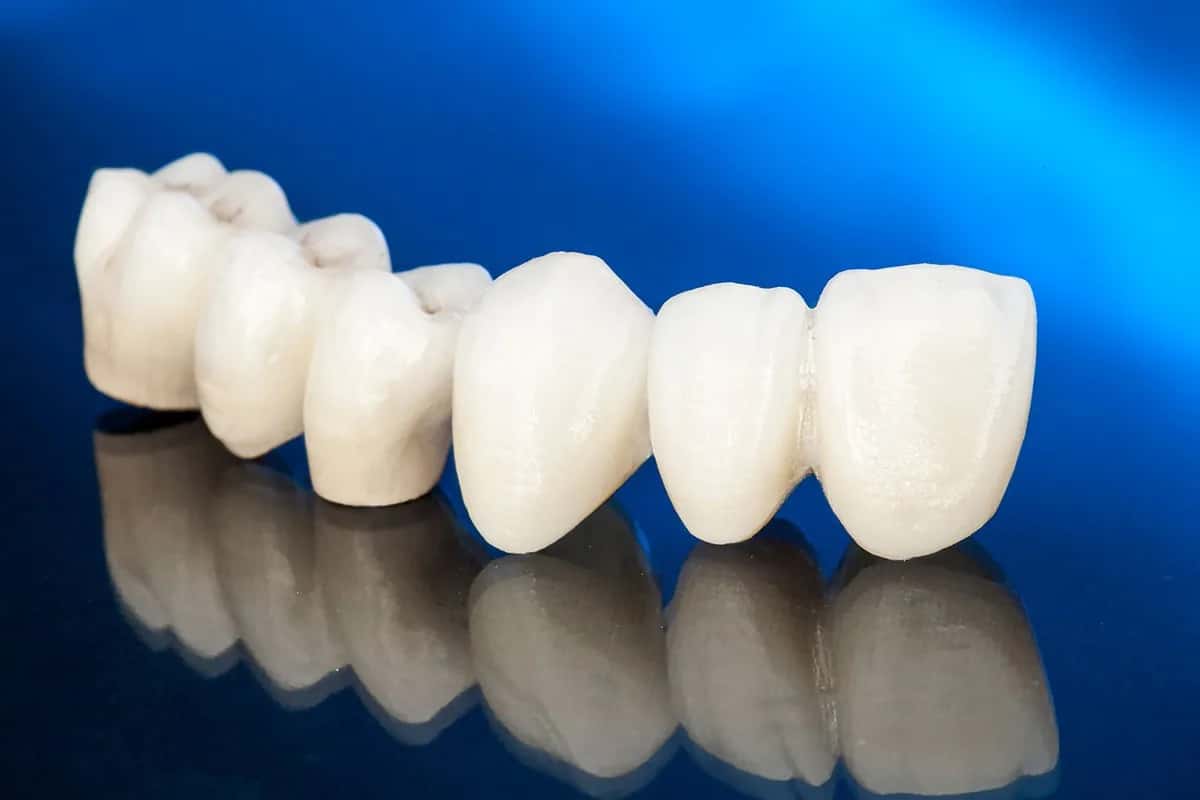
Zirconium crown costs around the world vary significantly, from approximately €180–€400 per tooth in Turkey to $1,000–$2,500 in the United States, based on published 2026 private-treatment prices.
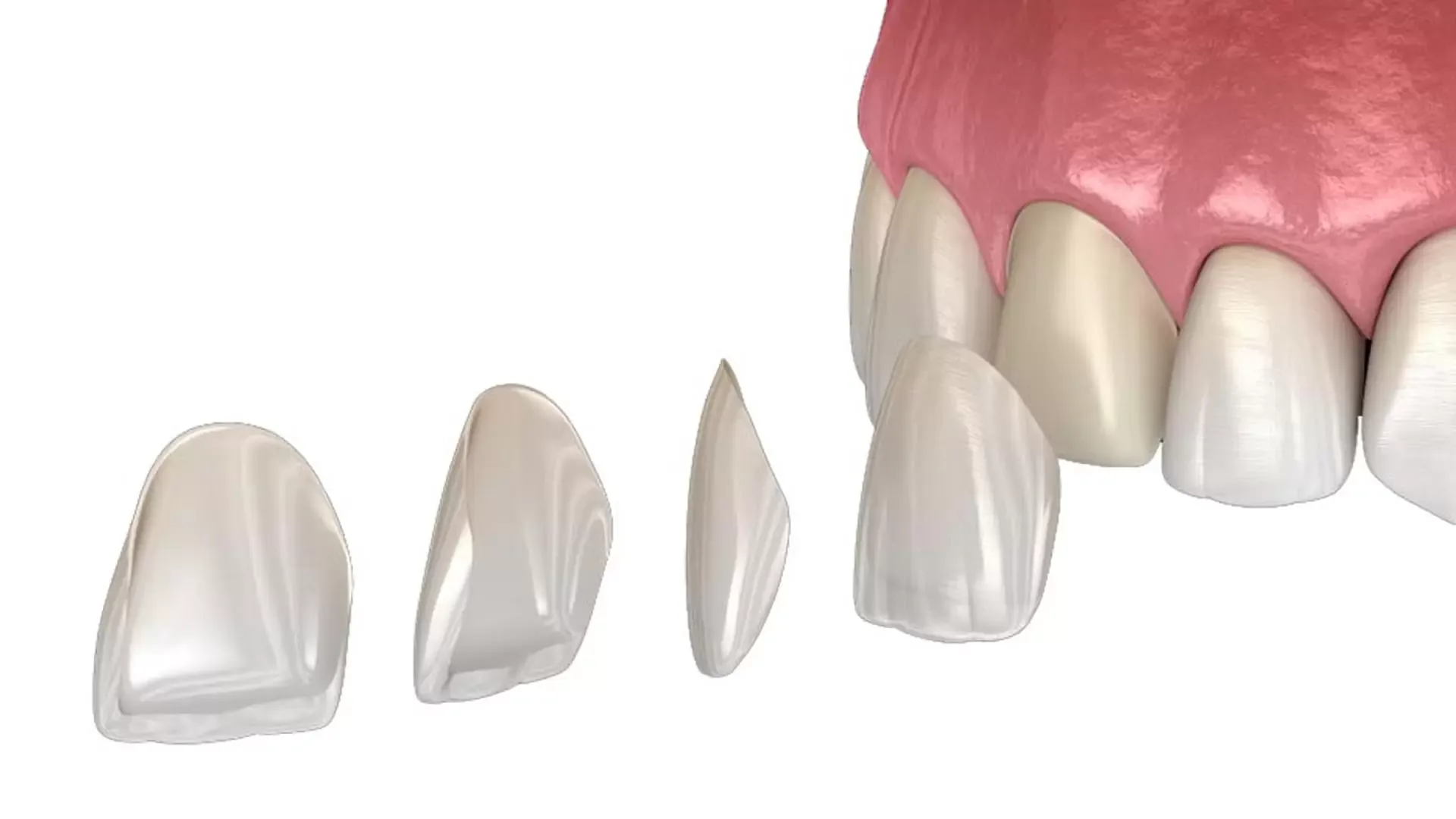
E-Max costs around the world differ significantly, with ceramic veneers and crowns available at lower published prices in countries such as Turkey, Mexico and Hungary than in the United States or United Kingdom.
Subscribe to the Medifinder newsletter and never miss our latest content.