










Symptoms of Tooth Infection Spreading to Heart: Warning Signs and Risks
This guide explains how a tooth infection may relate to heart infection, which symptoms matter, and when urgent care is necessary.

- Last updated
- 95 reads
- 7 min read
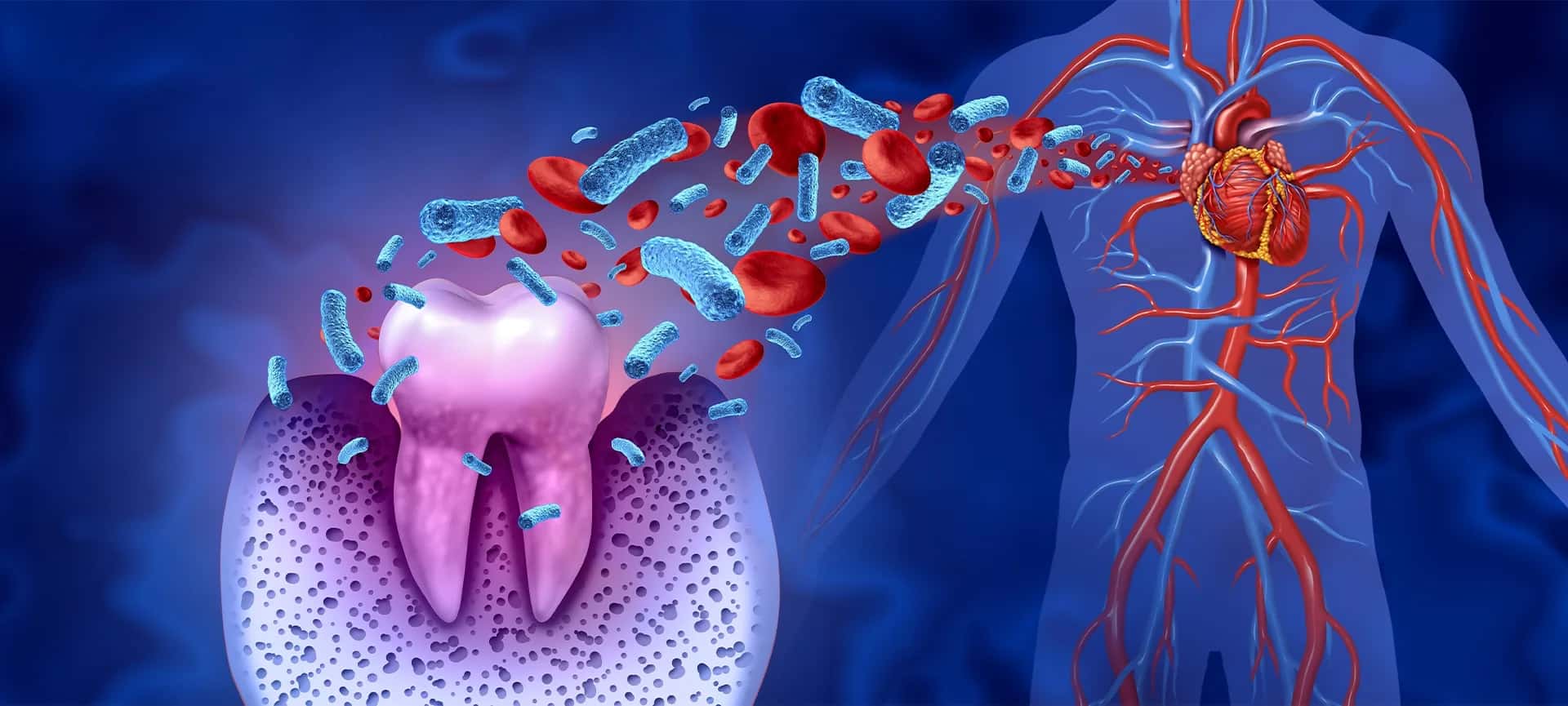


Is it possible for a tooth infection to spread to the heart?
Bacteria from the mouth can enter the bloodstream and travel to susceptible heart tissue, leading to a heart infection from a tooth infection.
When microorganisms infect the inner lining or valves of the heart, this complication is known as infective endocarditis.
But that is a strange outcome. Most healthy people will clear small numbers of bacteria that enter their bloodstream before a heart infection has time to develop.
This process should not be visualized as an abscess marching physically from tooth to heart.
Instead, bacteria can enter the circulation from oral disease and other sources. They may then attach to susceptible heart structures.
Infective endocarditis has been associated with poor dental hygiene and gum disease. Some heart conditions make you a lot more susceptible to it.
So a toothache doesn’t necessarily mean an infection has reached the heart.
Symptoms of a Tooth Infection Spreading to the Heart
Fever, chills, fatigue and other systemic symptoms, rather than worsening tooth pain alone, may be an indication of possible heart involvement.
Symptoms of infective endocarditis may include:
- Fever and chills that are persistent or come back
- Extreme or worsening fatigue
- Night sweats
- Rapid heartbeat
- New shortness of breath
- Cough or chest pain
- Muscle and joint aches
- Unexplained weight loss, especially with a slower developing infection
Whereas subacute disease may be slow to develop over weeks to months, acute endocarditis may develop rapidly.
These symptoms are not specific for infection of the heart.
Similar problems can occur with influenza, respiratory infections and many other conditions.
No combination of symptoms can confirm that bacteria from a tooth has reached the heart. Medical examination required.
How a Tooth Infection Can Affect the Heart
Bacteria from the mouth can get into the bloodstream and lodge in weak spots on the lining of the heart, affecting the heart.
Microbes that stick to a heart valve can reproduce and form infected deposits called vegetations.
These deposits can damage valve tissue and interfere with normal valve function .
Or bits of a vegetation may break off and travel through the circulation. This process may cause other body parts to become complicated.
Bacteria from the mouth can enter the blood stream during normal activities, dental procedures or when oral health is not good.
Short-lived exposure in the blood does not usually cause endocarditis in otherwise healthy people.
The risk is higher if you already have vulnerable heart valves, prosthetic material or certain cardiac conditions.
That’s why the same dental infection won’t pose the same cardiac risk for every patient.
Tooth Abscess Symptoms vs. Heart Infection Symptoms
A tooth abscess will cause localized symptoms in the teeth . Infective endocarditis is more likely to cause systemic symptoms .
Dental abscess pain is often severe, constant and throbbing.
The tooth may be sensitive to pressure, chewing, heat or cold.
Swelling may appear around the gum, cheek, jaw or neck. You may also develop a fever and swollen lymph nodes.
Sometimes an abscess opens and drains fluid that tastes lousy.
Pain may improve after drainage, but this does not mean that the infection is gone.
Endocarditis normally has a different presentation.
Less relevant and persistent fever, unexplained fatigue, nite sweating, rapid heart rate and respiratory symptoms become more relevant.
One person can have both symptoms at the same time.
but a dental abscess alone can also cause systemic symptoms like fever and malaise.
Symptoms alone do not reliably differentiate the two.
Who is Most at Risk for Infective Endocarditis?
Some people with heart conditions are at much greater risk of serious complications from infective endocarditis.
Those at the highest risk include people with prosthetic heart valves, or prosthetic material used to repair valves.
Previous episodes of infective endocarditis also put a patient in a very important risk category.
Some congenital heart conditions also put you at risk.
Another known high-risk group are heart transplant recipients with structural valve disease.
There are other factors that can make you more susceptible without necessarily putting you in the highest prophylaxis category.
These include pre-existing heart valve disease, implanted cardiac devices, weakened immunity and older age.
Poor dental health and periodontal disease add to the overall risk.
This difference is important as preventive antibiotics are not recommended for all with heart disease without exception.
When to Seek Emergency Treatment for a Tooth Infection?
A tooth infection is an emergency and should be evaluated if swelling interferes with breathing or swallowing or there is evidence of rapid spread of infection.
Swelling of the face, cheeks or neck can spread to deeper tissues around the jaw and throat.
Difficulty breathing or swallowing is a medical emergency and should not wait until a routine dental appointment.
Fever and marked swelling of the face should also be assessed urgently, especially if immediate dental care is not available.
If there is rapid deterioration, severe weakness or increasing neck swelling, do not use home remedies alone.
“Persistent fever of unexplained origin should also be taken seriously by someone with a known high-risk heart condition.
Any new fever, fatigue or breathing symptoms during an active dental infection should be evaluated promptly by the medical community.
If you develop chest pain or new, significant shortness of breath you also need to be seen urgently.
These signs are not diagnostic of endocarditis but delay in assessment may increase risk in the presence of serious infection.
How Do Doctors Diagnose a Possible Heart Infection?
Infective endocarditis cannot be diagnosed on dental symptoms alone and usually requires blood testing and imaging of the heart
Clinicians will first look at symptoms, medical history, cardiac risk factors and evidence of infection.
Blood cultures are used to identify microorganisms in the blood stream.
Blood tests such as a full blood count may give more information about infection and what it is doing.
Echocardiography lets doctors see the heart valves and other internal structures of the heart.
A transthoracic echocardiogram is done via the chest.
If more evaluation is needed, a transesophageal echocardiogram can be done to get more detailed images.
Sometimes recent use of antibiotics makes it more difficult to identify organisms in the bloodstream.
Patients should therefore inform their clinician of any antibiotics they have already taken.
Do not stop or change any medication without first consulting a health care professional.
How Is a Tooth Infection and Infective Endocarditis Treated?
Dental abscess requires treatment of the infected source, infective endocarditis requires specialized medical treatment.
Teeth may be treated with drainage, root canal therapy or removal of the tooth involved.
Not all localized dental abscesses require initial treatment with antibiotics.
Definitive dental treatment treats the source of the infection.
Antibiotics are more relevant if the infection involves the system such as pyrexia or general illness.
Infective endocarditis is treated in a very different way.
Treatment generally consists of intravenous antibiotics depending on the causative microorganism.
If infection causes serious complications or if medication is not sufficiently effective, some patients need heart surgery.
Therefore, treating the toothache alone cannot cure definite heart infection.
The dental source and systemic condition may need to be managed in a coordinated manner.
Can Antibiotics Stop a Tooth Infection From Affecting Your Heart?
Antibiotics for prevention are only recommended before certain dental procedures for patients at the highest cardiac risk.
They are not routinely given to every person who has a tooth infection or heart disease.
At present, preventive treatment is restricted to certain high-risk cardiac conditions.
These include prosthetic valves, previous endocarditis, and certain congenital heart conditions.
Heart transplant recipients with valve abnormalities may also require prophylaxis.
The recommendation is for qualifying dental procedures that involve gum tissue, tooth-root areas or oral mucosal perforation.
Preventive antibiotics are not a substitute for good oral hygiene.
Regular dental care and healthy teeth and gums are still important to reduce exposure to oral bacteria.
How To Reduce The Risk Of Dental Infection Complications?
prompt treatment of dental disease reduce the likelihood of an untreated infection becoming more widespread.
Dental abscesses do not resolve on their own and require definitive treatment.
If the abscess bursts, it might temporarily ease the pressure and pain but the underlying infection is still there.
Regular dental checkups can find decay, gum disease and other problems before they turn into serious infection.
Daily brushing and cleaning between the teeth are also good for long-term oral health.
People with heart problems should tell their dentist all about their cardiac history.
Patients with prior endocarditis, prosthetic valves or certain congenital heart conditions may require special preventive planning.
Regular dental care is especially important for those already considered vulnerable to infective endocarditis.
So it is more about maintaining oral health than having to repeatedly take preventive antibiotics to reduce the risk.
What if you are concerned about heart involvement?
Get a medical evaluation if a dental infection is accompanied by persistent fever, unusual systemic symptoms or relevant heart-risk factors.
The dentist will need to look at the dental infection itself, and soon.
Medical assessment is particularly important when symptoms are not restricted to localized tooth pain and swelling.
Individuals with prosthetic valves, previous endocarditis or certain congenital heart conditions should inform their healthcare professional immediately.
Do not try to diagnose heart involvement by toothache, pulse rate or internet symptom lists alone.
Clinical assessment, blood cultures and appropriate cardiac imaging should be used to diagnose suspected infective endocarditis.
If you have trouble breathing, trouble swallowing, or your face and neck swell up a lot, you need emergency care.
The real difference is simple.
An infection of a tooth would require dental care and new systemic or cardiac symptoms might also need medical assessment.
- Last updated
- Language
- English
How did you find this article?
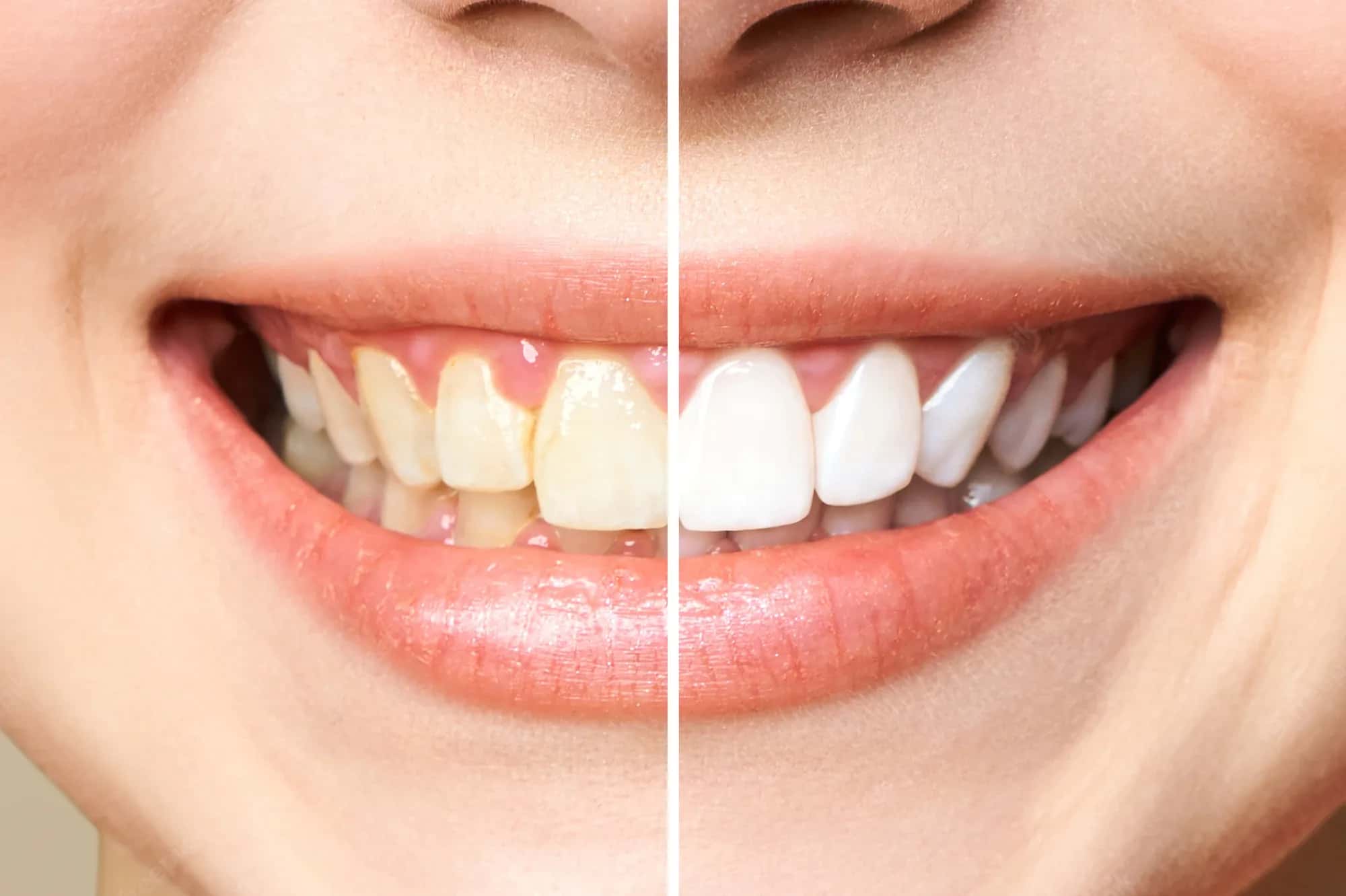
Teeth whitening costs around the world vary substantially, with professional treatment generally costing less in countries such as Turkey, Mexico and India than in the United States or United Kingdom.

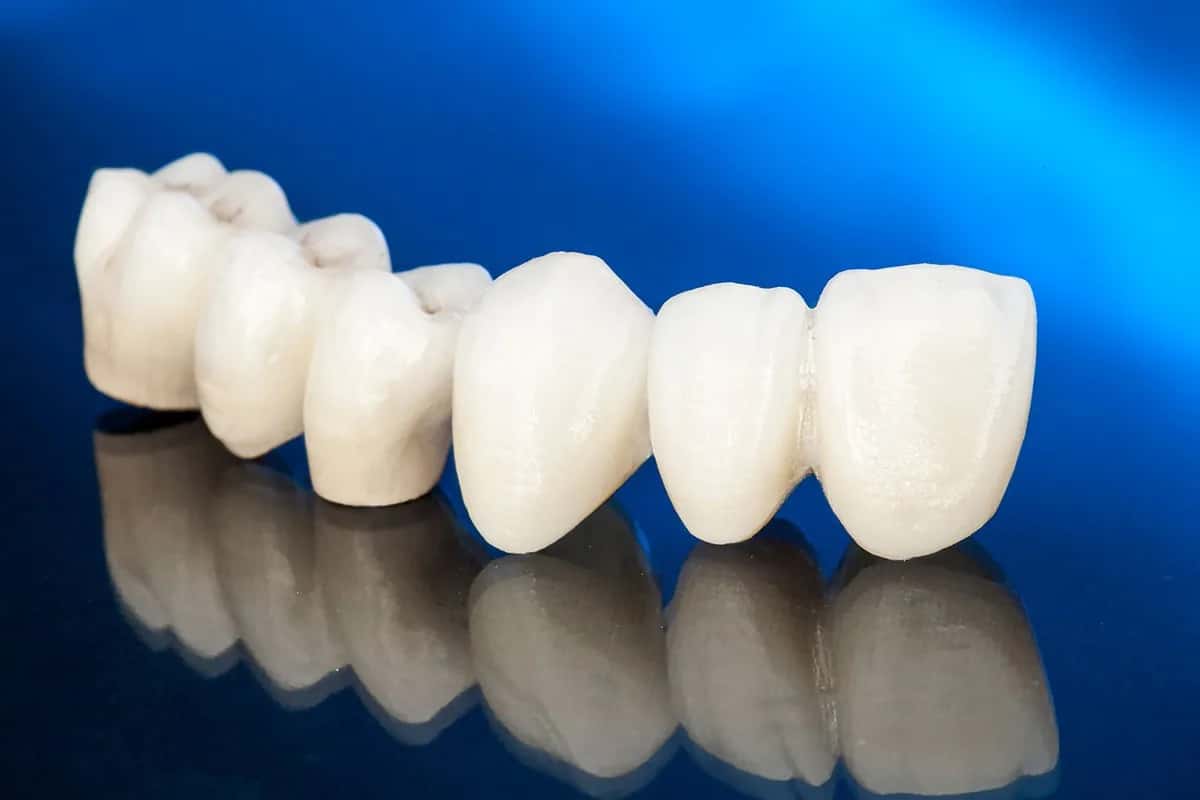
Zirconium crown costs around the world vary significantly, from approximately €180–€400 per tooth in Turkey to $1,000–$2,500 in the United States, based on published 2026 private-treatment prices.
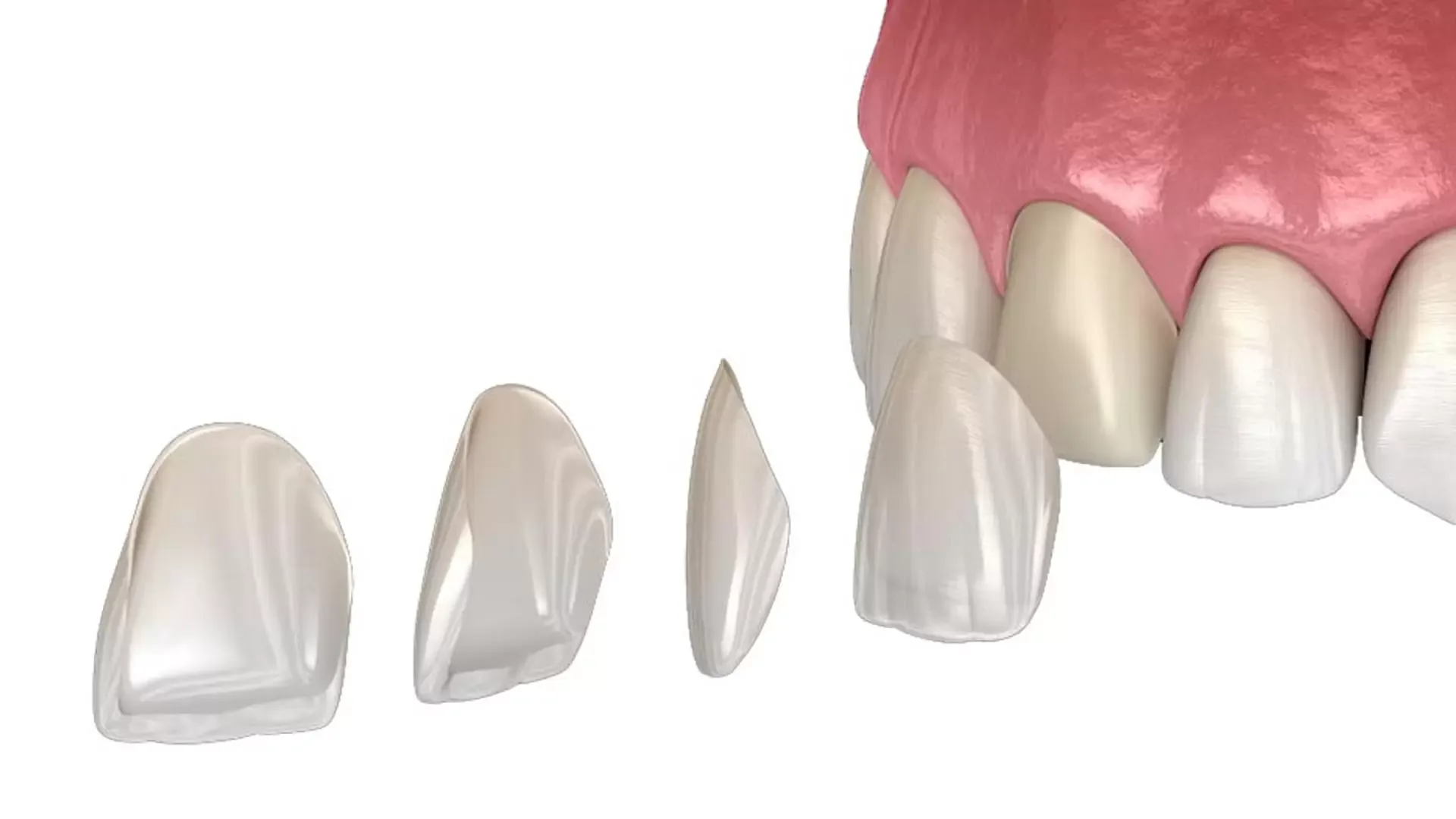
E-Max costs around the world differ significantly, with ceramic veneers and crowns available at lower published prices in countries such as Turkey, Mexico and Hungary than in the United States or United Kingdom.
Subscribe to the Medifinder newsletter and never miss our latest content.