










Stem Cell Therapy for Knees: Does It Help With Knee Pain?
Stem cell therapy for knees may help some patients with knee pain, especially those with early to moderate osteoarthritis or selected cartilage problems. It may reduce pain and improve function for certain people, but it should not be viewed as a guaranteed cure or proven cartilage-regrowth solution.

- Last updated
- 70 reads
- 9 min read


Stem cell therapy effectively helps reduce knee pain by promoting natural tissue repair and reducing joint inflammation. Doctors inject your own concentrated stem cells directly into the damaged knee joint. This advanced treatment specifically targets osteoarthritis and painful cartilage degeneration. The injected cells actively work to heal damaged tissues from the inside out.
Many patients experience significant pain relief and improved mobility within just a few months. It is a fantastic minimally invasive alternative to major knee replacement surgery. However, individual healing results can vary based on the severity of your specific condition. Always consult a certified orthopedic specialist to determine if this innovative therapy suits you.
Knee pain can come from many causes. Osteoarthritis is one of the most common reasons, especially in adults with cartilage thinning, stiffness, swelling, and reduced mobility. Meniscus injuries, ligament strain, tendon problems, kneecap tracking issues, previous trauma, excess weight, and inflammatory joint disease can also create pain. Before any regenerative treatment is considered, the real cause of pain should be diagnosed clearly. A painful knee is not a diagnosis on its own.
Stem cell therapy is usually discussed under regenerative medicine. The goal is to use cells or cell-related signals to support tissue repair, reduce inflammation, and improve the environment inside the joint. For knee pain, most treatments involve injections into the knee joint. These injections may use material taken from the patient’s own bone marrow or fat tissue. Some clinics also promote donor-derived products, exosomes, or other biologic preparations, but patients should be cautious and ask exactly what is being used.
What Is Stem Cell Therapy for Knees?
Stem cell therapy for knees is a treatment that aims to support damaged or irritated joint tissue by injecting biologically active material into the knee. In many clinics, the treatment uses bone marrow aspirate concentrate or fat-derived cell preparations. These materials may contain mesenchymal stromal cells, growth factors, platelets, signaling proteins, and other components that may influence inflammation and tissue response.
The treatment is usually performed in an outpatient setting. The doctor may collect bone marrow from the pelvis or fat tissue from a small area of the body. The sample is processed, concentrated, and injected into the painful knee. Imaging guidance, such as ultrasound or fluoroscopy, may be used to improve accuracy.
It is important to understand that stem cell therapy does not simply create new cartilage on demand. Cartilage is a complex tissue with limited natural healing ability. While regenerative injections may influence the joint environment, current evidence does not prove that routine stem cell injections reliably rebuild healthy cartilage in advanced knee arthritis.
How It May Help Knee Pain?
Stem cell therapy may help knee pain by reducing inflammation, improving joint signaling, and supporting the natural repair response. Some patients report less pain, better movement, and improved ability to walk or exercise after treatment. These improvements may be related to changes in inflammation rather than true cartilage regrowth.
For early or moderate knee osteoarthritis, the joint may still have enough remaining cartilage and active tissue to respond to biologic stimulation. In these cases, a patient may notice symptom relief. However, results vary widely. Some people improve, some feel only mild change, and others do not benefit.
Patients with severe bone-on-bone arthritis are less likely to see major improvement. When the joint space is almost gone and the knee is structurally deformed, injections may not restore normal mechanics. In these cases, knee replacement may still be the more predictable option when pain and disability become severe.
Stem Cell Therapy and Knee Osteoarthritis
Knee osteoarthritis is a gradual condition where cartilage breaks down, the joint becomes inflamed, and surrounding bone and soft tissue change over time. Symptoms may include pain with walking, morning stiffness, swelling, clicking, grinding, reduced range of motion, and difficulty with stairs.
Stem cell therapy for knee osteoarthritis is often marketed as a way to delay or avoid surgery. For some patients, symptom improvement may help postpone more invasive treatment. However, patients should be careful with promises that the injection will reverse arthritis completely.
A better way to view stem cell therapy is as a possible symptom-management option for selected patients. It may be considered when standard treatments such as exercise therapy, weight management, medication, bracing, physical therapy, or other injections have not provided enough relief. It should not replace a full knee care plan.
Who May Be a Good Candidate?
A good candidate for stem cell therapy for knees usually has mild to moderate knee osteoarthritis, stable joint alignment, manageable weight, and realistic expectations. The patient should still have enough joint structure for the knee to function reasonably well. People with early cartilage damage, chronic inflammation, or persistent pain after conservative care may be considered after specialist evaluation.
Patients with severe arthritis, major deformity, advanced instability, uncontrolled inflammatory disease, active infection, cancer history, or serious medical conditions may not be suitable. The same applies to people expecting the treatment to grow a brand-new knee joint.
Age alone does not determine candidacy. A younger patient with a focal cartilage injury may be different from an older patient with advanced arthritis throughout the joint. Imaging, physical examination, pain pattern, mobility level, and treatment history all matter.
What Happens During the Procedure?
The process usually begins with consultation, examination, and imaging review. The doctor may request X-rays, MRI, or ultrasound depending on the case. Blood tests may also be recommended if inflammatory disease, infection, or other health concerns are suspected.
If bone marrow is used, the area near the pelvis is numbed, and a small amount of marrow is collected with a needle. If fat-derived material is used, a small liposuction-like collection may be performed under local anesthesia. The sample is processed in a sterile manner, then injected into the knee.
The injection itself may take only a short time, but the full visit can take longer because of preparation and processing. Patients usually return home the same day. Some soreness, swelling, or stiffness may occur after the procedure.
Recovery After Stem Cell Knee Treatment
Recovery is usually shorter than surgery, but the knee still needs time to settle. Patients may be advised to limit heavy activity for several days. Walking is often allowed, but running, jumping, heavy lifting, and intense sports may be delayed.
The doctor may provide a rehabilitation plan. This often includes gradual movement, strengthening, stretching, and controlled return to activity. Physical therapy can be important because knee pain is not only about cartilage. Muscle strength, balance, hip control, walking pattern, and body weight all affect joint stress.
Some patients feel improvement within weeks, while others need several months to judge the result. Regenerative treatments do not work instantly. The body’s response takes time, and improvement may be gradual.
Possible Benefits
The main possible benefit of stem cell therapy for knees is pain reduction. Patients may also experience better function, improved walking tolerance, less stiffness, and reduced need for pain medication. Some may delay more invasive treatment if symptoms improve enough.
Another advantage is that the procedure is usually minimally invasive compared with knee surgery. There is no large incision, hospital stay is usually not required, and recovery is generally faster than joint replacement.
Stem cell therapy may also be used as part of a broader knee preservation strategy. Combined with weight management, physical therapy, bracing, and activity changes, it may help some patients maintain a more active lifestyle.
Risks and Safety Concerns
Stem cell therapy for knees still carries risks. Possible side effects include pain at the injection site, swelling, infection, bleeding, bruising, allergic reaction, nerve irritation, and temporary flare of symptoms. If tissue is collected from bone marrow or fat, the collection site can also become sore or bruised.
The biggest safety concern is not only the injection itself, but the quality and legality of the product being used. Patients should be cautious with clinics that offer donor cells, exosomes, or heavily processed products without clear regulation, safety data, and medical explanation. Unproven products can carry risks such as contamination, immune reaction, poor handling, or misleading claims.
A responsible clinic should explain what is being injected, where it comes from, how it is processed, what evidence supports it, and what risks are possible. Patients should avoid any provider that promises guaranteed cartilage regrowth, permanent arthritis reversal, or a sure way to avoid knee replacement.
Stem Cell Therapy vs PRP
PRP, or platelet-rich plasma, is another regenerative injection used for knee pain. It is made from the patient’s own blood and contains concentrated platelets and growth factors. PRP is usually less expensive than stem cell therapy and may be recommended for mild to moderate osteoarthritis or tendon-related knee pain.
Stem cell therapy is more complex because it may involve bone marrow or fat tissue collection. It may be marketed as stronger, but stronger marketing does not always mean better evidence. Some patients may be better suited for PRP, while others may be considered for bone marrow concentrate or another biologic treatment.
The right choice depends on diagnosis, arthritis stage, budget, previous treatments, and medical advice. Patients should compare expected benefit, safety, cost, and evidence before choosing.
Stem Cell Therapy vs Knee Replacement
Stem cell therapy and knee replacement serve very different purposes. Stem cell therapy aims to reduce symptoms and support the joint environment. Knee replacement removes damaged joint surfaces and replaces them with artificial components. For advanced arthritis, knee replacement is often more predictable for pain relief and function.
Stem cell therapy may be considered earlier in the disease process. It may help patients who are not ready for surgery or who want to delay surgery. However, if the knee is severely damaged, unstable, or deformed, injections may offer limited relief.
Patients should not delay necessary surgery for years based only on hope. Long-term pain, reduced movement, and inactivity can affect overall health. A balanced discussion with an orthopedic specialist can help determine whether regenerative treatment or surgery is more appropriate.
Cost and Insurance
Stem cell therapy for knees is often paid out of pocket because many insurance plans consider it experimental for knee osteoarthritis. The cost can vary widely by country, clinic, cell source, processing method, imaging guidance, and number of injections.
A low price may not include evaluation, imaging, follow-up, rehabilitation, or treatment of complications. A higher price may include more detailed planning, sterile processing, experienced medical staff, and structured aftercare. Patients should request a written cost breakdown before starting treatment.
The full value should be judged by safety, diagnosis, medical oversight, and realistic expectations. Paying more does not guarantee success, but choosing only by price can increase risk.
Questions to Ask Before Treatment
Before choosing stem cell therapy for knee pain, patients should ask what type of knee problem they have, whether the arthritis is mild, moderate, or severe, and whether the treatment is appropriate for their stage. They should also ask what material will be injected, whether it comes from their own body, how it is processed, and whether imaging guidance will be used.
Other important questions include how many treatments are needed, what improvement is realistic, how long results may last, what side effects can occur, and what happens if the treatment fails. A clear answer is essential before paying for any regenerative procedure.
Patients should also ask whether physical therapy, weight loss, strengthening, bracing, or medication should be part of the plan. Knee pain usually responds best to a complete strategy rather than one injection alone.
- Last updated
- Language
- English
How did you find this article?
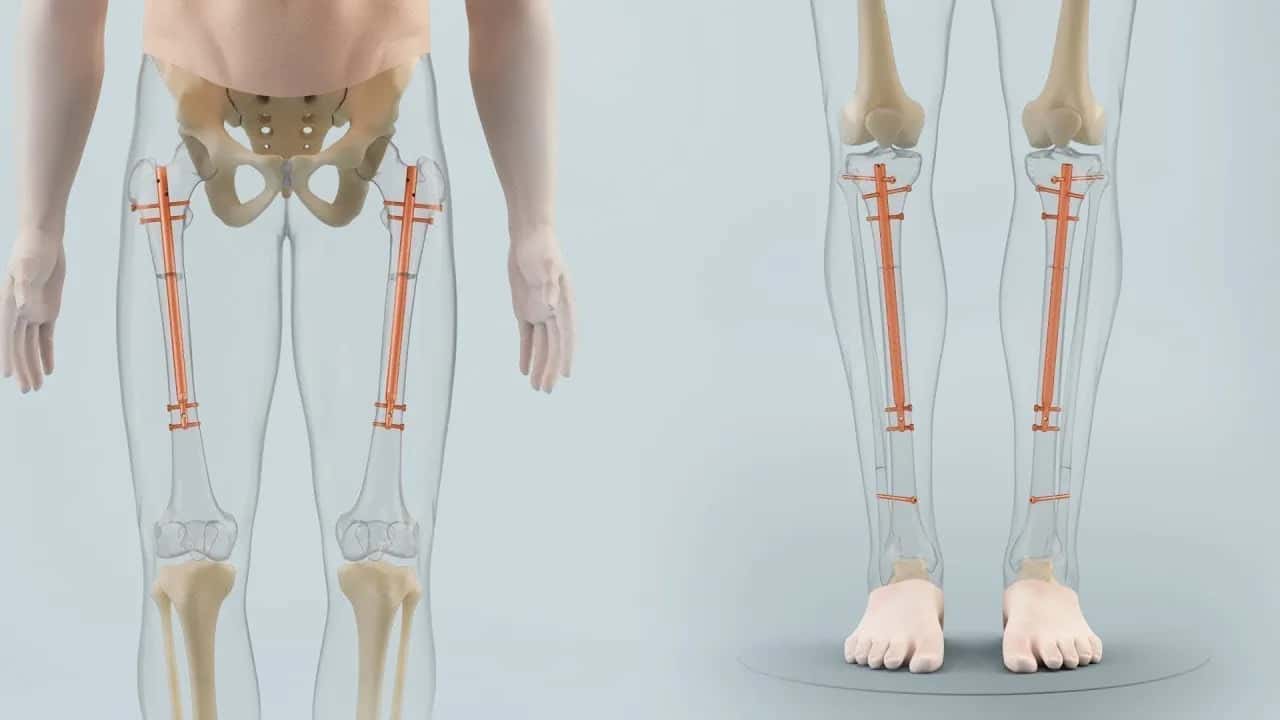
Height reduction surgery is a rare orthopedic procedure in which part of a leg bone is surgically shortened, primarily to correct meaningful limb-length differences rather than as a routine cosmetic operation for people who simply want to be shorter.
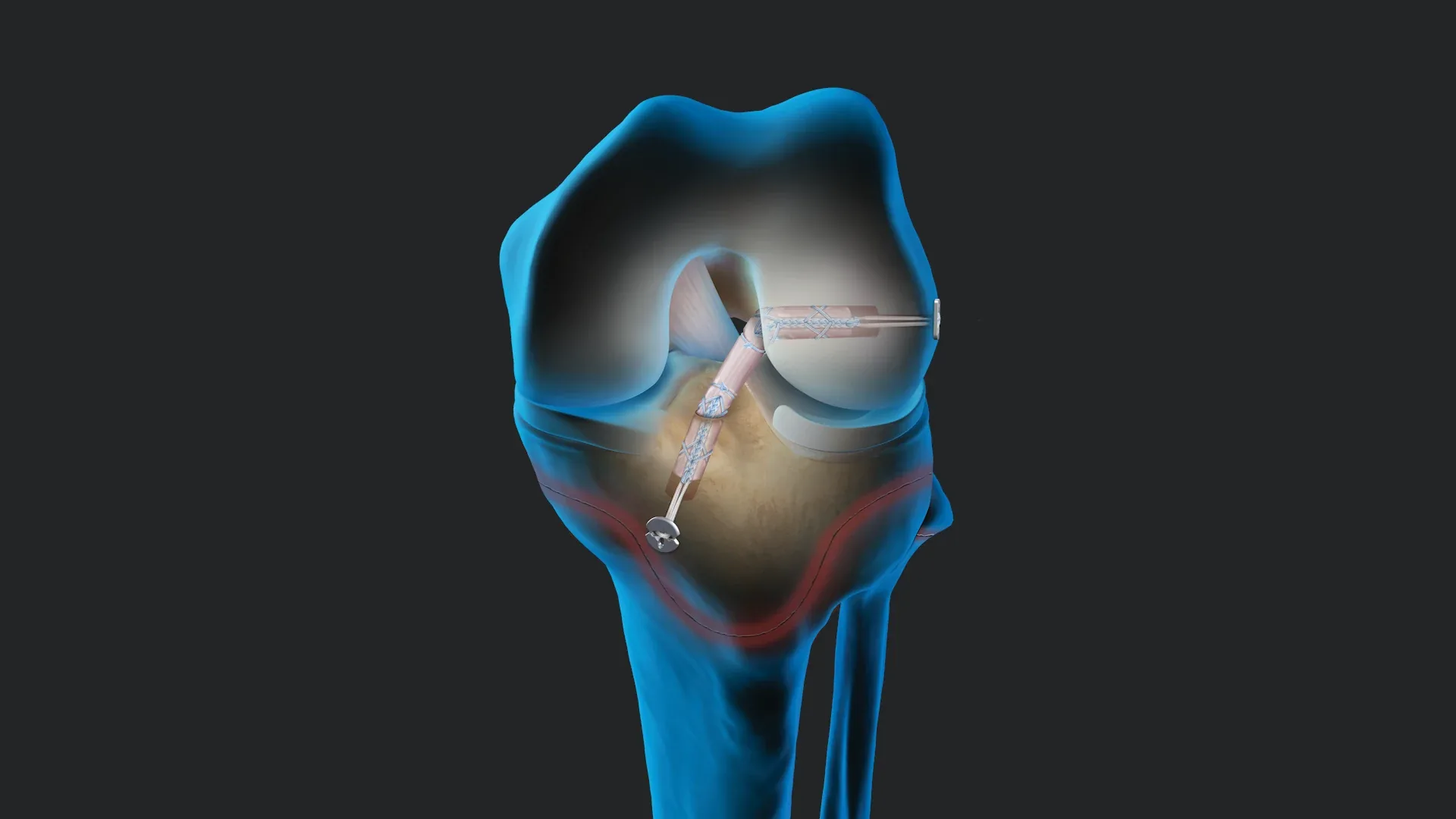
This guide compares ACL surgery costs around the world in 2026, including private treatment, graft choices, hospital packages, rehabilitation, insurance, and medical travel expenses.

Botox Treatment for Spasticity is a medical use of botulinum toxin injections to relax selected overactive muscles for a limited time. It is usually considered when muscle tightness, spasms, or stiffness affect comfort, movement, hygiene, caregiving, or daily activities.

Subscribe to the Medifinder newsletter and never miss our latest content.