










SMP Hair Simulator
SMP Hair Simulator is a digital preview tool that helps people visualize how scalp micropigmentation may look before they decide to start treatment. It is especially useful for men and women dealing with a receding hairline, thinning crown, shaved scalp, patchy density, or visible scalp contrast.

- Last updated
- 153 reads
- 9 min read


What Is An SMP Hair Simulator?
An SMP Hair Simulator is a digital tool that creates a visual preview of scalp micropigmentation results. It may use a photo of the patient to show how a new hairline, shaved-head look, or density enhancement could appear after treatment.
The tool can help demonstrate different hairline shapes, levels of darkness, scalp coverage, and blending options. This is important because SMP is highly visual. A small change in hairline height, temple shape, or density can affect the entire face.
For someone who has never had scalp micropigmentation, imagining the final result can be difficult. A simulator gives a starting point. It allows the patient to see whether a soft natural hairline, more defined frame, or subtle density improvement feels right for their face.
Why Do People Use SMP Hair Simulation?
People use SMP hair simulation because they want more confidence before making a cosmetic decision. Hair loss can affect appearance, self-image, and daily grooming choices. Many patients spend years shaving, covering, styling, or avoiding certain lighting because of thinning hair. A simulator gives them a private and practical way to explore change.
It also helps reduce uncertainty. Instead of relying only on before and after photos of other people, users can preview a result on their own face or scalp. This makes the process more personal.
For practitioners, an SMP simulator can support consultation. It helps show what may look natural, what may look too low, and why gradual density often creates a better long-term result.
How Does An SMP Hair Simulator Work?
An SMP hair simulator usually works by applying a visual hairline or scalp pigmentation effect to a photo. The user may upload an image, choose a hairline style, adjust density, and review the simulated result. Some tools are simple, while others offer more advanced editing and customization.
The quality of the preview depends on the photo. Clear lighting, a straight head position, and visible scalp areas help create a more accurate simulation. Poor lighting or angled photos can make the preview less reliable.
The simulator may show what a shaved scalp with replicated follicles could look like. It may also help patients compare a sharp hairline with a softer and more mature hairline. This comparison is valuable because the most natural SMP result is not always the darkest or lowest option.
What Can SMP Hair Simulation Show?
SMP hair simulation can show possible hairline shape, frontal framing, temple balance, crown coverage, and the illusion of better scalp density. It can also help compare different styles before treatment begins.
For a receding hairline, the simulator may show how a reconstructed front hairline could frame the face. For crown thinning, it may show how added pigment density could reduce scalp contrast. For a fully shaved look, it may show how uniform follicle replication can create the appearance of a close buzz cut.
However, simulation cannot show every detail of healing. It cannot fully predict pigment retention, skin response, fading, color softness, or how the result will look under every type of lighting. This is why it should be paired with a professional consultation.
Is An SMP Hair Simulator Accurate?
An SMP hair simulator can be helpful, but it is not perfectly accurate. It creates a visual estimate based on an image. Real scalp micropigmentation depends on skin texture, pore size, hair follicle pattern, pigment behavior, and the way the skin heals after each session.
A good simulation should look believable, not exaggerated. If the preview looks too dark, too sharp, or too dense, the real result may not be appropriate for long-term wear. The most natural SMP results often use a soft edge, careful spacing, and gradual layering.
Patients should treat the simulator as a guide. It can support better planning, but the final design should be adjusted by an experienced practitioner who understands scalp anatomy and facial proportion.
Why Is Hairline Design So Important In SMP?
Hairline design is one of the most important parts of scalp micropigmentation. A hairline that sits too low, looks too straight, or appears too dark can make the result look artificial. A well-designed hairline should match the patient’s age, facial structure, natural hair pattern, and personal style.
An SMP hair simulator can help test different hairline positions before treatment. This makes it easier to see how small adjustments change the face. A soft, slightly recessed, age-appropriate hairline often looks more realistic than an aggressive straight line.
The goal is not to create the youngest possible hairline. The goal is to create a believable frame that suits the person naturally.
Can SMP Hair Simulation Help With Receding Hairlines?
Yes, SMP hair simulation can be especially useful for receding hairlines. Many patients considering scalp micropigmentation want to know whether a restored hairline will suit their face. A simulator can show how different shapes may look before pigment is applied.
Receding hairlines require careful planning. The temples, forehead height, side profiles, and existing hair must all be considered. A simulator can help the patient compare a conservative hairline with a stronger design.
This preview process can prevent unrealistic choices. It may show that a slightly mature hairline looks more natural than a dense, youthful shape. This is important because SMP should remain believable as the patient ages.
Can It Help With Thinning Hair?
An SMP hair simulator can also help people with thinning hair understand how density treatment may improve scalp appearance. When hair becomes thin, light reflects from the scalp and creates contrast. SMP can reduce that contrast by placing tiny pigment impressions between existing hairs.
Simulation may show how the scalp could look darker, fuller, and more even after treatment. This is useful for people with thinning on the crown, top of the head, or part line.
Still, density SMP works best when there is enough existing hair to blend with the pigment. If hair continues to thin significantly, future maintenance or a different style may be needed. A consultation can help determine whether density treatment is suitable.
What Are The Benefits Of Using An SMP Hair Simulator?
The main benefit is better decision-making. An SMP hair simulator allows patients to explore potential results without committing immediately. It can reduce anxiety and make the consultation more productive.
It also helps improve communication. Instead of explaining a desired hairline with words alone, the patient and practitioner can review a visual reference together. This reduces misunderstanding and helps align expectations.
Another benefit is style comparison. Some people think they want a bold hairline, but after seeing it on their face, they may prefer a softer design. Others may realize that density improvement matters more than hairline reconstruction. The simulator helps make these choices clearer.
What Are The Limitations Of SMP Simulation?
SMP simulation has limitations. It cannot replace professional judgment. It cannot fully show healed pigment, skin reaction, texture, long-term fading, or how the treatment will appear in sunlight, office lighting, or close-up viewing.
It may also make a result look smoother than real skin. Real SMP is created with thousands of small pigment impressions, each placed at the right depth and spacing. If the treatment is too dense or too dark, it may heal poorly or look unnatural.
A simulation should never be used to promise an exact result. It should be used to start a conversation about what is possible, safe, and appropriate.
How Should You Prepare A Photo For SMP Simulation?
A good photo improves the quality of the simulation. Take the photo in clear natural light or bright indoor lighting. Keep the head straight, relax the face, and avoid strong shadows. The scalp and hairline should be visible without hats, filters, or heavy styling products.
For hairline simulation, a front-facing photo is important. Side photos can also help with temple and profile planning. For crown thinning, a top-down photo may be useful.
The more accurate the photo, the more useful the preview. A blurry or angled image can make the hairline look higher, lower, or uneven.
How Is SMP Different From A Hair Transplant?
SMP and hair transplant surgery are different solutions. A hair transplant moves real hair follicles into thinning or bald areas. Scalp micropigmentation places pigment into the skin to create the appearance of hair follicles.
SMP does not add hair length, thickness, or growth. It creates a visual effect. This makes it a good option for people who like a shaved look, want to reduce scalp contrast, or are not suitable for surgery.
Some patients use SMP after a hair transplant to improve the appearance of density. Others choose it instead of surgery because it is non-surgical and often requires less recovery time. The right option depends on hair loss pattern, donor hair availability, budget, goals, and medical suitability.
What Should You Expect During SMP Treatment?
SMP is usually completed over multiple sessions. The first session often creates the foundation. Later sessions build density, refine the hairline, and adjust the shade after the skin has healed. This gradual process helps create a more natural result.
During treatment, the practitioner uses specialized equipment to place tiny pigment impressions in the scalp. The sensation varies from person to person. Some areas may feel more sensitive than others.
After each session, the scalp may look darker at first. As the skin heals, the color softens. This is why patience is important. Judging the final result too early can lead to unnecessary worry.
Is SMP A Medical Aesthetic Treatment?
SMP is generally considered a non-surgical cosmetic or medical aesthetic procedure because it changes the appearance of the scalp using pigment and specialized technique. It should be performed in a clean, professional setting by a trained practitioner who follows hygiene and safety standards.
Although SMP is not surgery, it still involves the skin barrier. This means aftercare, sanitation, pigment quality, and practitioner training matter. Patients should ask about cleanliness, equipment handling, healing instructions, and suitability before treatment.
Anyone with scalp infections, active skin disease, keloid tendency, allergies, or certain medical conditions should discuss these issues before proceeding.
How Do You Choose The Right SMP Practitioner?
Choosing the right practitioner is more important than choosing the darkest or cheapest result. Look for someone who understands natural hairline design, pigment selection, skin tone, needle depth, density control, and long-term fading.
Review healed results, not only fresh photos. Fresh SMP often looks darker and sharper than the final healed outcome. Healed work gives a better idea of skill and realism.
A good practitioner will not rush the design. They will explain the number of sessions, expected fading, aftercare, maintenance, and possible limitations. They should also be honest if SMP is not suitable for your hair loss pattern or expectations.
What Should You Ask Before Booking SMP?
Before booking, ask how many sessions may be needed, how the hairline will be designed, what pigment tone will be used, and how the result is expected to heal. Ask whether the preview is only a guide or part of the actual treatment plan.
You should also ask about aftercare, downtime, maintenance, and the possibility of future touch-ups. If you have sensitive skin, allergies, scars, or previous hair transplant marks, mention them during the consultation.
A clear consultation helps avoid disappointment. It also shows whether the practitioner values safety, realism, and long-term appearance.
How Long Do SMP Results Last?
SMP results can last for several years, but fading is expected over time. Sun exposure, skin type, immune response, pigment selection, and lifestyle can affect longevity. Maintenance sessions may be needed to refresh the appearance and keep the result balanced.
A natural result should fade softly. If the pigment is placed too deep or too dark, it may change in an unwanted way. This is why proper technique matters from the beginning.
Good aftercare can help protect the result. Sun protection, gentle scalp care, and avoiding harsh products during healing can support better outcomes.
- Last updated
- Language
- English
How did you find this article?

A single session can cost less than $30 in one market yet exceed $200 when medical-grade equipment, professional supervision or premium full-body systems are involved. So, how much does red light therapy cost around the world in 2026, and which prices actually represent comparable treatments?

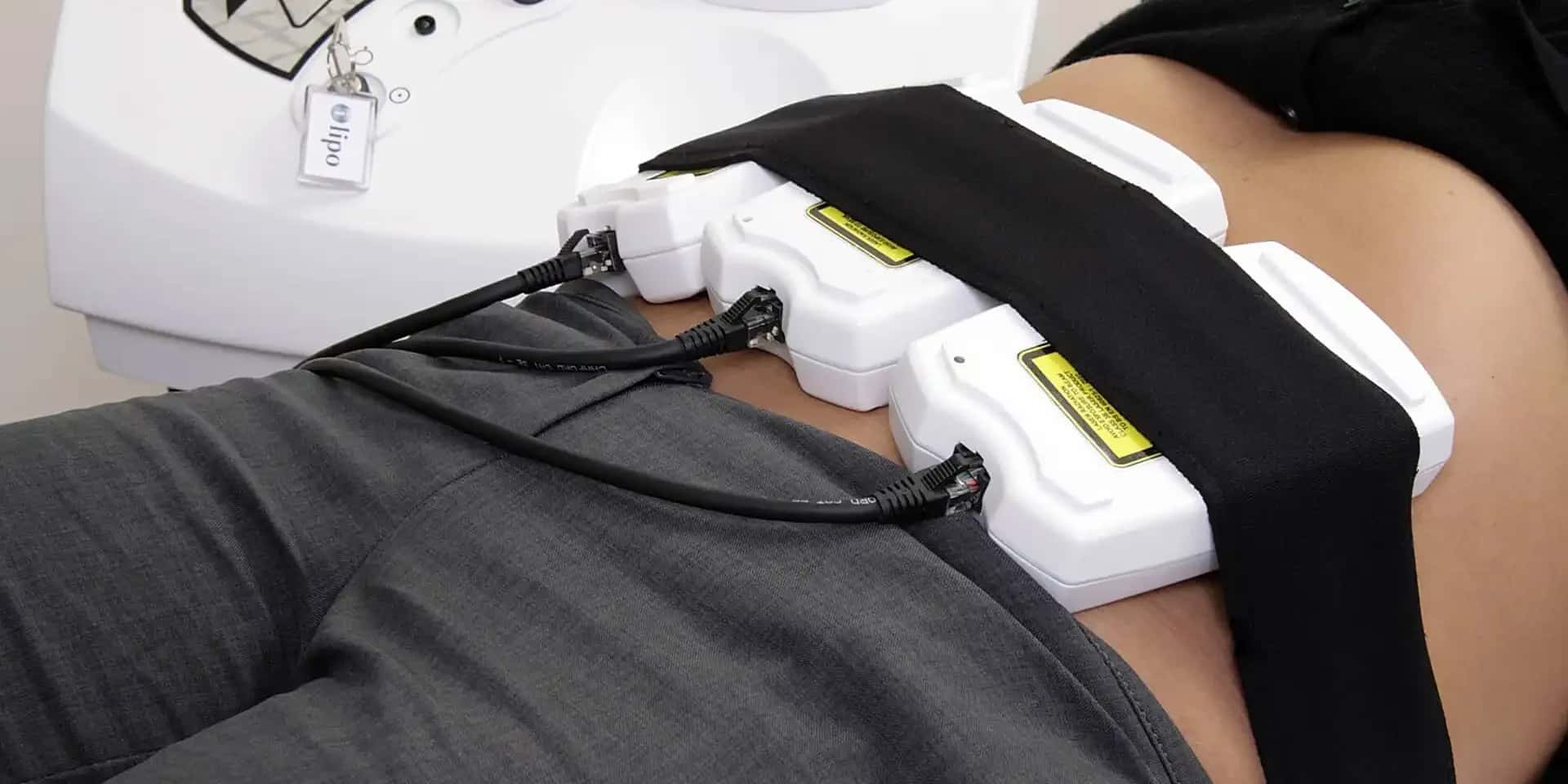
This guide compares laser lipolysis costs around the world in 2026, including surgical laser-assisted liposuction, non-surgical treatments, package inclusions, insurance, and medical travel expenses.
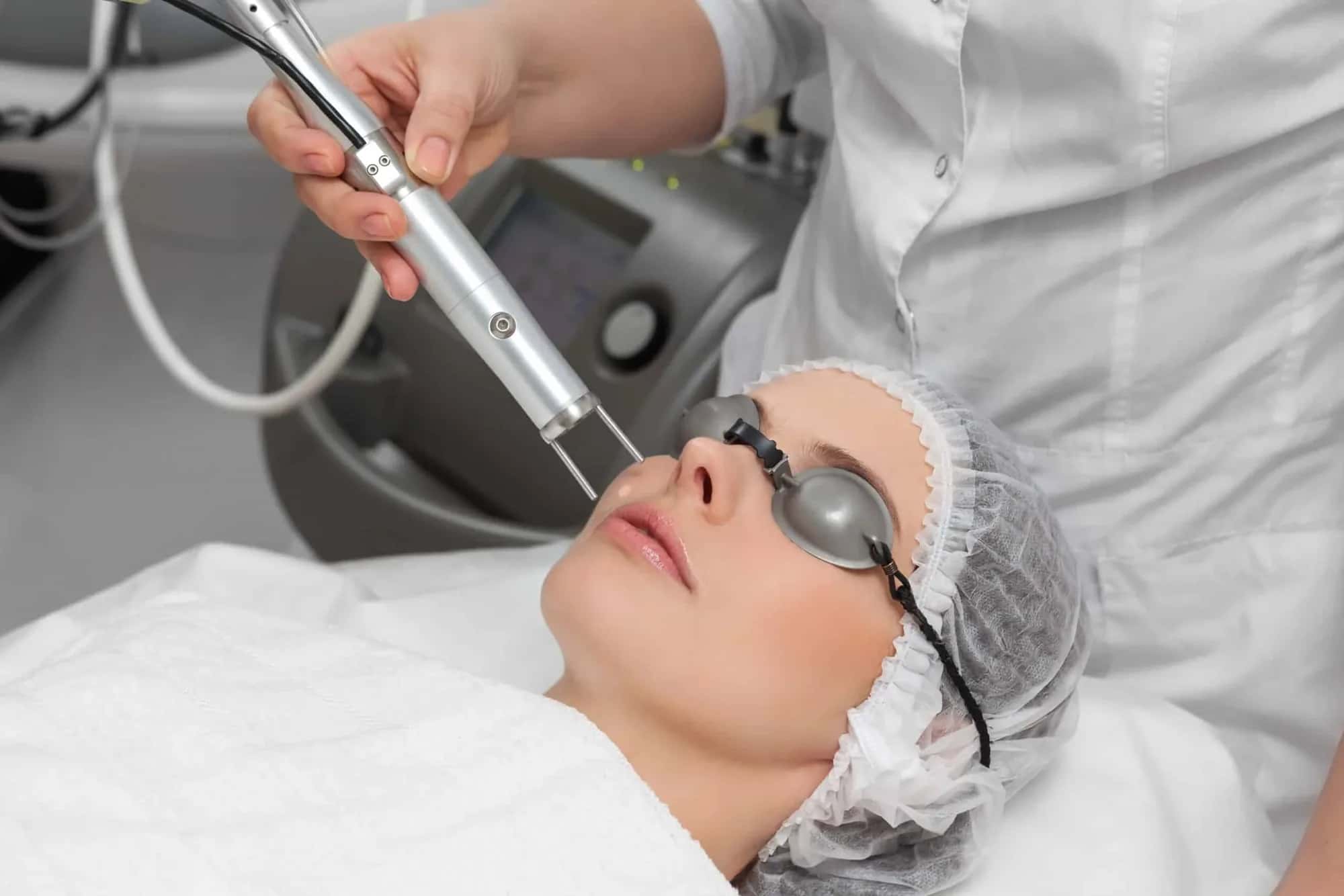

Subscribe to the Medifinder newsletter and never miss our latest content.