










Red Light Therapy Costs Around the World: 2026 Country-by-Country Guide
A single session can cost less than $30 in one market yet exceed $200 when medical-grade equipment, professional supervision or premium full-body systems are involved. So, how much does red light therapy cost around the world in 2026, and which prices actually represent comparable treatments?

- Last updated
- 145 reads
- 12 min read
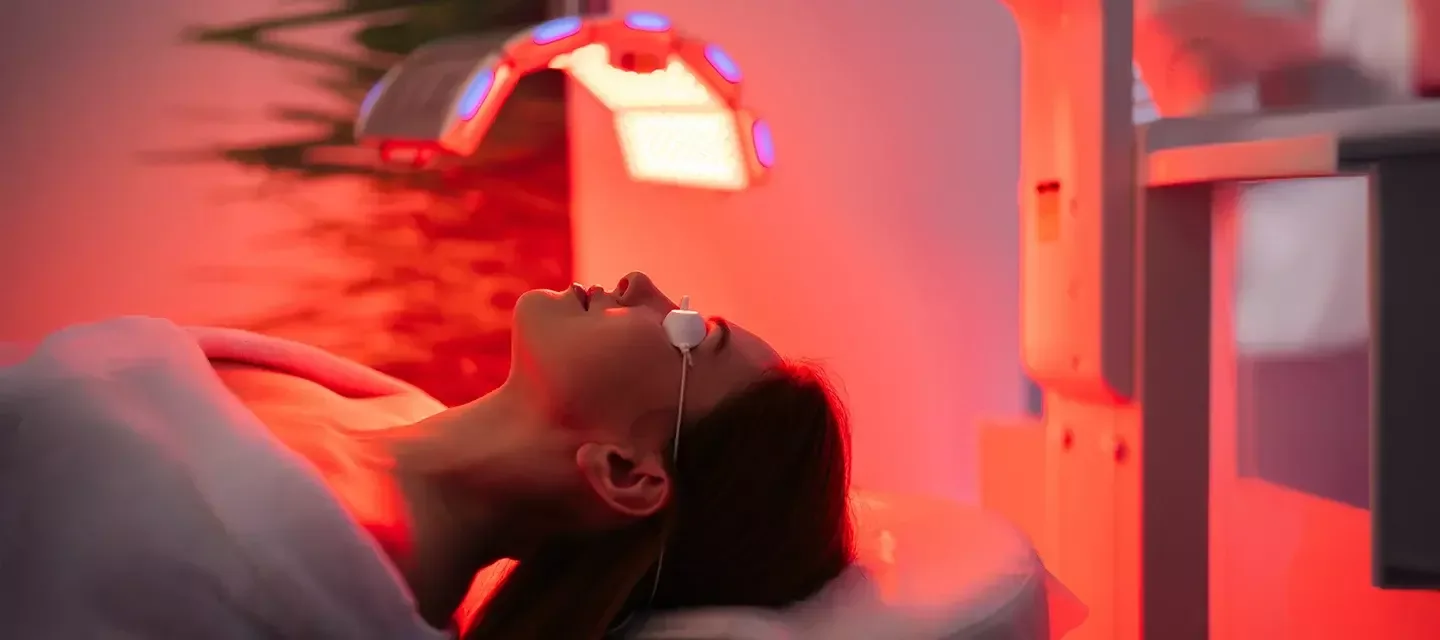


How Much Does Red Light Therapy Cost Around the World in 2026?
Red light therapy commonly costs about $20 to $100 per standard clinic session worldwide in 2026, while specialist medical treatments can reach $200 to $400 or more.
A practical international comparison looks like this:
| Country | Approximate 2026 Single-Session Price |
|---|---|
| United States | $25–$100 typical, $200–$400 medical settings |
| United Kingdom | £30–£80 |
| Canada | C$25–C$100 |
| Australia | A$40–A$100 typical |
| Turkey | International clinical offerings from about $190 |
| South Korea | ₩20,000–₩70,000 |
| Thailand | ฿1,000–฿4,000 |
| France | €30–€80 |
| UAE | AED 150–AED 400 |
| Poland | Around €15–€30 |
| Czech Republic | Around €15–€30 |
These ranges are useful benchmarks, but device type and treatment purpose need to match before prices can be compared properly.
What Exactly Is Red Light Therapy?
Red light therapy is a non-invasive form of photobiomodulation that exposes tissue to controlled red or near-infrared light without deliberately damaging the skin.
Many systems use red wavelengths somewhere around the 600-nanometre range and near-infrared wavelengths in the 800-nanometre range, although exact specifications differ between devices.
The treatment appears in several settings. Dermatology practices may use LED light for skin recovery, hair clinics may treat the scalp, and wellness centres may operate full-body panels or beds.
Research has examined photobiomodulation for several purposes, but evidence is not equally strong for every advertised benefit. Device wavelength, output, treatment dose and clinical goal therefore matter more than simply seeing red-coloured light.
What Makes One Red Light Therapy Session More Expensive?
Red light therapy prices change according to equipment, treatment area, professional supervision and whether the session forms part of a broader medical treatment plan.
The main cost factors include:
-
Full-body bed versus targeted panel
-
LED system versus laser-based photobiomodulation
-
Device power and treatment coverage
-
Session duration
-
Facial, scalp or whole-body treatment
-
Dermatology clinic versus wellness studio
-
Medical assessment before treatment
-
Combination with another procedure
-
Premium recovery or performance facilities
-
Number of prepaid sessions
-
Membership pricing
-
City and local operating costs
-
Whether the treatment is a standalone service or postoperative add-on
This explains why two 20-minute sessions can carry very different prices even when both are marketed as red light therapy.
Red Light Therapy Costs in the United States
Red light therapy in the United States commonly costs about $25 to $100 per wellness session, while medically supervised or premium treatments can reach $200 to $400.
Current provider-level data place the typical American market near the middle of the international range, with many full-body sessions around $40 to $100.
Pricing becomes considerably higher in medical spas and specialist offices using advanced systems or combining photobiomodulation with another treatment.
Packages can change the calculation substantially. Someone paying $60 for one appointment may obtain a 10-session course at a much lower effective rate per visit.
For this reason, patients expecting repeated treatment should compare package cost rather than focusing entirely on the first-session price.
Red Light Therapy Costs in the United Kingdom
Red light therapy in the United Kingdom generally costs approximately £30 to £80 for a professional session.
Full-body LED beds or pods often sit within this range, while targeted treatments can cost approximately £25 to £60. Some specialist laser-based photobiomodulation appointments cost more.
London tends to occupy the upper end of UK pricing.
Memberships can reduce the effective cost considerably for people attending multiple times each week. A clinic charging around £70 for one full-body session may offer monthly plans that bring the per-visit cost closer to £30.
That difference becomes important because photobiomodulation protocols commonly rely on repeated exposure rather than a single one-off session.
Red Light Therapy Costs in Canada
Professional red light therapy in Canada commonly costs approximately C$25 to C$100 per session, depending on treatment format and location.
Current Canadian pricing shows considerable variation between simple wellness-studio sessions and more comprehensive full-body treatments. Lower-cost appointments can sit around C$25 to C$50, while higher-end services commonly move toward C$100.
Toronto, Vancouver and other large metropolitan markets may charge more, particularly when treatment takes place within a medical or premium wellness environment.
The Canadian market also has a significant home-device sector. Frequent users sometimes compare repeated clinic appointments with buying a panel, particularly when their proposed treatment schedule involves several sessions each week.
Red Light Therapy Costs in Australia
Red light therapy in Australia usually costs approximately A$40 to A$100 for a standard session, although premium systems can cost considerably more.
Current Australian studio pricing commonly falls around A$45 to A$90. Full-body beds may cost roughly A$50 to A$100 when purchased individually, while packages lower the effective price.
A separate premium category also exists.
Certain body-contouring or advanced recovery systems can exceed A$200 per session, meaning they should not be compared directly with a simple LED panel appointment.
Sydney and Melbourne generally provide the widest price range, while smaller markets may have fewer device options but lower overhead.
Red Light Therapy Costs in Turkey
Internationally marketed clinical red light therapy in Turkey can start around $190 to $200, although local wellness sessions and postoperative add-ons may follow a very different pricing structure.
This makes Turkey unusually difficult to represent with one national figure.
Photobiomodulation may appear as a standalone clinical treatment, an add-on following skin procedures or part of recovery after hair transplantation. When the session is bundled into another procedure, patients may not see a separate red light therapy fee at all.
That structure differs from countries where consumers commonly walk into a wellness studio for an isolated 15-minute session.
Patients comparing Turkish pricing should therefore establish whether the quote represents one light session or a broader recovery protocol.
Red Light Therapy Costs in South Korea
Red light therapy in South Korea commonly costs around ₩20,000 to ₩50,000 for a standard LED session, while combination treatments may approach ₩70,000.
Seoul has an extensive dermatology and aesthetic medicine market, and LED phototherapy often appears as an inexpensive addition after another skin procedure.
Post-laser LED treatment can cost even less when offered as an add-on.
The low headline price does not necessarily mean the treatment matches a Western full-body photobiomodulation bed. Many Korean sessions focus only on the face and use shorter dermatology-oriented protocols.
For a meaningful comparison, international patients should check treatment area, session duration, wavelength and whether the price represents standalone therapy or postoperative skin care.
Red Light Therapy Costs in Thailand
Red light therapy in Thailand commonly costs around ฿1,000 to ฿4,000, with current market data placing many sessions around ฿1,500.
Bangkok has one of the broader selections, ranging from simple LED treatments to more sophisticated recovery and wellness systems.
Extremely cheap light treatments require closer examination because some may use infrared heat lamps, blue-light acne devices or other technologies rather than a comparable red and near-infrared photobiomodulation system.
The treatment remains inexpensive enough that travellers already in Thailand may find it attractive.
Flying internationally solely for red light therapy usually makes less financial sense because the saving per session is relatively small compared with airfare and accommodation.
Red Light Therapy Costs in France
Photobiomodulation in France typically costs approximately €30 to €80 per clinic session, although larger treatment areas can reach around €150.
Sessions commonly last about 10 to 25 minutes, and multi-session packages may cost roughly €250 to €700 depending on the number of visits and treatment setting.
French pricing highlights an important difference between red light therapy and many injectable treatments.
The individual appointment is relatively inexpensive, but repeated visits can create a significant total cost over several months.
Someone attending twice weekly for an extended period should therefore compare treatment-course pricing rather than calculating value from the first €40 or €50 appointment alone.
Red Light Therapy Costs in Dubai and the UAE
Red light therapy in Dubai can start around AED 150 per session, with premium wellness and medical settings commonly charging higher amounts.
Dubai has a large luxury wellness market, so facility positioning can influence price almost as much as session duration.
A short targeted LED treatment might remain near AED 150, while larger full-body systems or combined wellness services can move toward several hundred dirhams.
Patients should also check whether infrared heat, red LED photobiomodulation and near-infrared light are being marketed as the same service.
These technologies can overlap in commercial descriptions but do not necessarily deliver the same wavelengths, dose or treatment experience.
Red Light Therapy Costs in Poland and the Czech Republic
Poland and the Czech Republic currently sit among Europe's lower-cost markets for red light therapy, with published benchmarks around €18 per session and broader prices roughly in the €15 to €30 range.
These prices can make repeated sessions substantially cheaper than treatment in London, Australia or North America.
However, the low cost does not establish that every device delivers an equivalent photobiomodulation dose.
Treatment area, device design and exposure time still need comparison.
Because one individual session is already relatively inexpensive throughout much of Europe, travelling specifically for treatment rarely produces meaningful savings unless red light therapy forms part of a longer wellness or medical trip.
Does Full-Body Red Light Therapy Cost More?
Full-body red light therapy can cost more than targeted facial or scalp treatment because it requires a larger device and exposes a much greater surface area.
Beds and large panel arrays may surround the body with red and near-infrared LEDs, while targeted systems treat one joint, the face or a small section of the scalp.
The relationship is not universal, however.
High-volume wellness studios sometimes offer full-body beds cheaply because each appointment requires minimal practitioner time. A dermatologist performing targeted treatment may charge more because medical assessment and professional supervision form part of the visit.
Patients should therefore compare total coverage and treatment context rather than assuming larger devices always produce higher prices.
How Much Does Red Light Therapy for Hair Loss Cost?
Red light therapy for hair loss can cost anywhere from a standard clinic-session fee to several hundred dollars monthly when treatment requires frequent visits or specialised scalp devices.
Hair treatment also has a different economic model because consistency may be required for months.
People with pattern thinning sometimes choose a home cap or helmet rather than repeatedly attending a clinic. The evidence and limitations of red light therapy for hair loss also depend on the diagnosis, because light treatment cannot create entirely new follicles in long-standing bald areas.
Before paying for months of sessions, confirming the reason for hair loss can prevent spending money on a treatment that does not match the underlying condition.
Is Red Light Therapy the Same as Laser Treatment?
Red light therapy is not the same as cosmetic laser resurfacing because photobiomodulation generally uses low-intensity light without intentionally heating, vaporising or removing skin tissue.
Some photobiomodulation devices do use low-level laser diodes, which explains why the terminology can become confusing. The biological goal remains different from high-energy aesthetic lasers.
Procedures such as Q-Switch laser treatments target pigment using short, concentrated energy pulses, while red light therapy aims to influence cellular activity without creating comparable tissue injury.
Their prices should therefore not be compared directly.
A $50 LED session and a $300 laser procedure may both involve light, but they represent fundamentally different treatments.
What Is Usually Included in the Price?
A red light therapy price usually covers equipment use and treatment time, while medical consultations and combination services may cost separately.
Possible inclusions include:
-
Use of the LED panel, bed or targeted device
-
Private treatment room
-
Eye protection when required
-
Initial treatment instructions
-
Preset session duration
-
Face, scalp or whole-body exposure
-
Professional device setup
-
Medical assessment in selected clinics
-
Post-procedure LED treatment when bundled
-
Access through a wellness membership
-
Reduced pricing through prepaid packages
-
Monitoring during medically supervised treatment
Providers should clearly identify whether the advertised amount represents one session, an introductory price or a package-derived per-session figure.
Are Red Light Therapy Packages Cheaper?
Red light therapy packages are usually cheaper per session because providers reward patients who prepay for several appointments or join a monthly membership.
A single American appointment might cost $60, while a package can reduce the effective price toward $40. Similar discount structures appear in the UK, Australia, Canada and France.
Some unlimited memberships produce even lower theoretical costs for frequent users.
The cheapest package is not automatically the best purchase.
Photobiomodulation should match a specific goal, and buying 20 sessions before knowing whether treatment is appropriate can lock the patient into unnecessary spending.
A shorter introductory course often makes more financial sense before committing to a long membership.
How Much Can Regular Treatment Cost Per Year?
Regular red light therapy can cost from several hundred dollars to several thousand dollars annually because frequency has a much greater effect on total spending than the price of one session.
Someone paying $50 once weekly spends about $2,600 over a full year. At three sessions weekly, the same per-session price would exceed $7,000 without package discounts.
Memberships can lower this amount dramatically.
This is why red light therapy should be budgeted differently from an occasional facial. The appointment itself may appear inexpensive, yet frequent treatment creates substantial cumulative spending.
Patients planning long-term use should calculate the six-month or annual total before choosing between clinic visits, memberships and home equipment.
Are Home Red Light Therapy Devices Cheaper?
Home red light therapy devices can become cheaper for frequent users, but purchasing a device shifts the cost from repeated appointments to one larger upfront payment.
Small masks and targeted devices may cost roughly $50 to $500, while larger panels frequently start in the hundreds and can reach several thousand dollars.
Premium full-body systems can cost far more.
Ownership does not automatically provide an equivalent treatment to professional equipment. Irradiance, wavelength, treatment distance, coverage, timer design and regulatory status all differ.
For someone using therapy occasionally, clinic visits may remain cheaper. For a person following a frequent long-term schedule, a suitable home device can reduce the eventual cost per session substantially.
Does Insurance Cover Red Light Therapy?
Insurance usually does not cover red light therapy when it is purchased for cosmetic appearance, general wellness, athletic recovery or other elective purposes.
Medical photobiomodulation presents a more complicated situation because coverage can depend on diagnosis, treatment indication, local healthcare rules and the individual insurance policy.
Patients should therefore obtain direct confirmation rather than assuming that a treatment described as medical will qualify automatically.
Hair-growth devices and cosmetic skin sessions are commonly self-funded.
Even when a broader rehabilitation service receives coverage, the red light component may not be reimbursed separately.
For cost comparisons, the safest assumption is usually that elective red light therapy will be paid out of pocket unless an insurer confirms otherwise.
How Should You Compare Red Light Therapy Prices?
Red light therapy prices should be compared only after confirming that the device, treatment area and session structure are reasonably similar.
Useful comparison points include:
-
Exact device or system
-
Red and near-infrared wavelengths used
-
Treatment area
-
Full-body versus targeted exposure
-
Session duration
-
Whether the service uses LEDs or low-level lasers
-
Single-session price
-
Package price per session
-
Membership requirements
-
Professional or medical supervision
-
Whether consultation costs extra
-
Whether treatment is bundled with another procedure
-
Eye-protection requirements
-
Intended treatment goal
-
Home versus clinic use
A cheaper session can still represent poor value when it delivers a completely different treatment from the one being compared.
Which Country Has the Cheapest Red Light Therapy in 2026?
Poland, the Czech Republic and South Korea currently sit among the lower-cost markets for straightforward red light or LED phototherapy sessions in 2026.
Thailand also offers relatively inexpensive appointments, while Canada, the UK and Australia commonly occupy the middle range.
The United States has one of the widest price spreads because low-cost wellness sessions coexist with medical-grade treatments costing several hundred dollars.
Turkey is difficult to rank directly because international clinical offerings may package photobiomodulation differently from local wellness sessions.
Ultimately, the cheapest country is less important than matching the device and protocol. Red light therapy involves repeated exposure, so the best value usually comes from a suitable treatment delivered consistently at a sustainable per-session cost.
- Last updated
- Language
- English
How did you find this article?
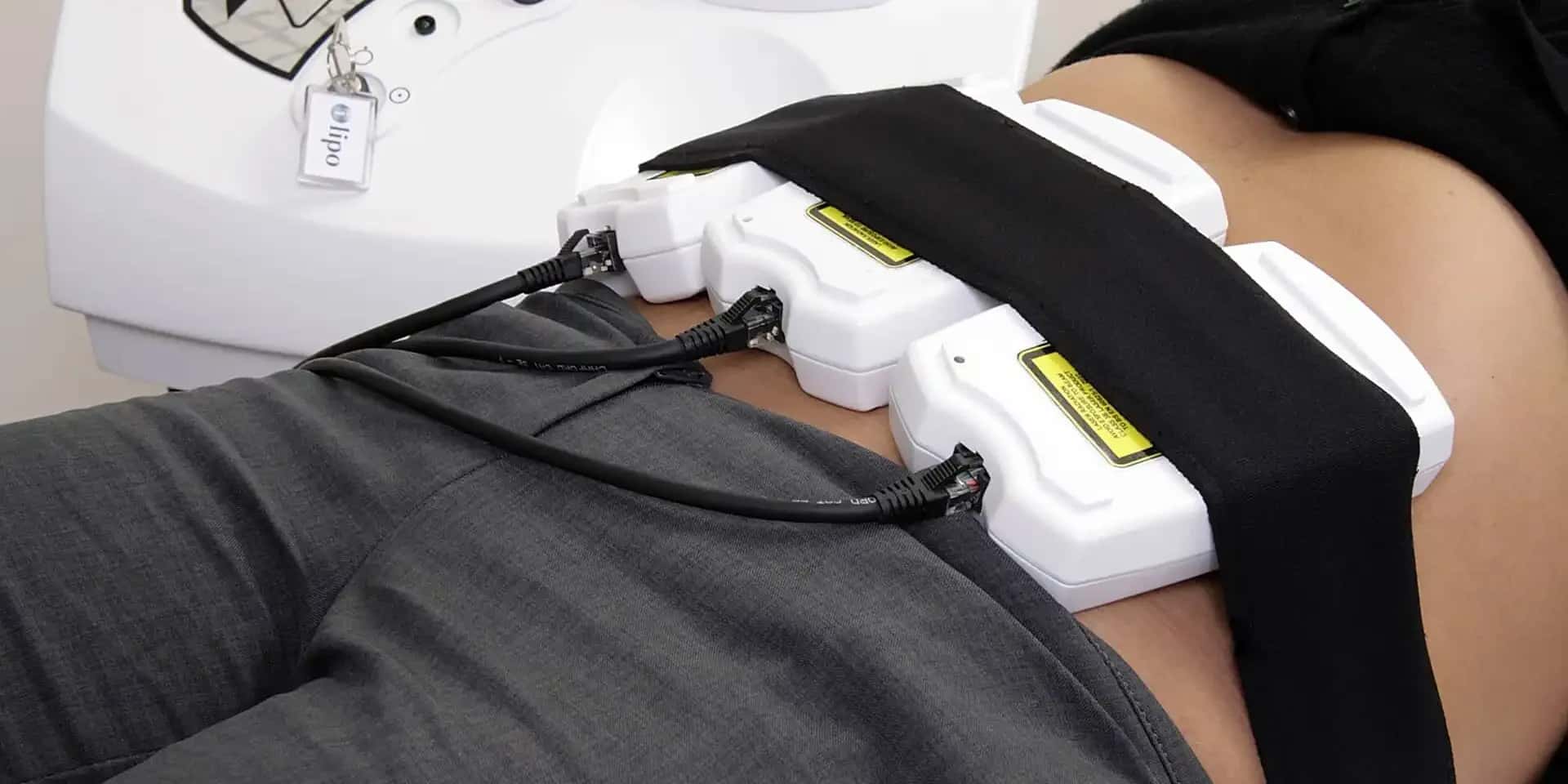
This guide compares laser lipolysis costs around the world in 2026, including surgical laser-assisted liposuction, non-surgical treatments, package inclusions, insurance, and medical travel expenses.
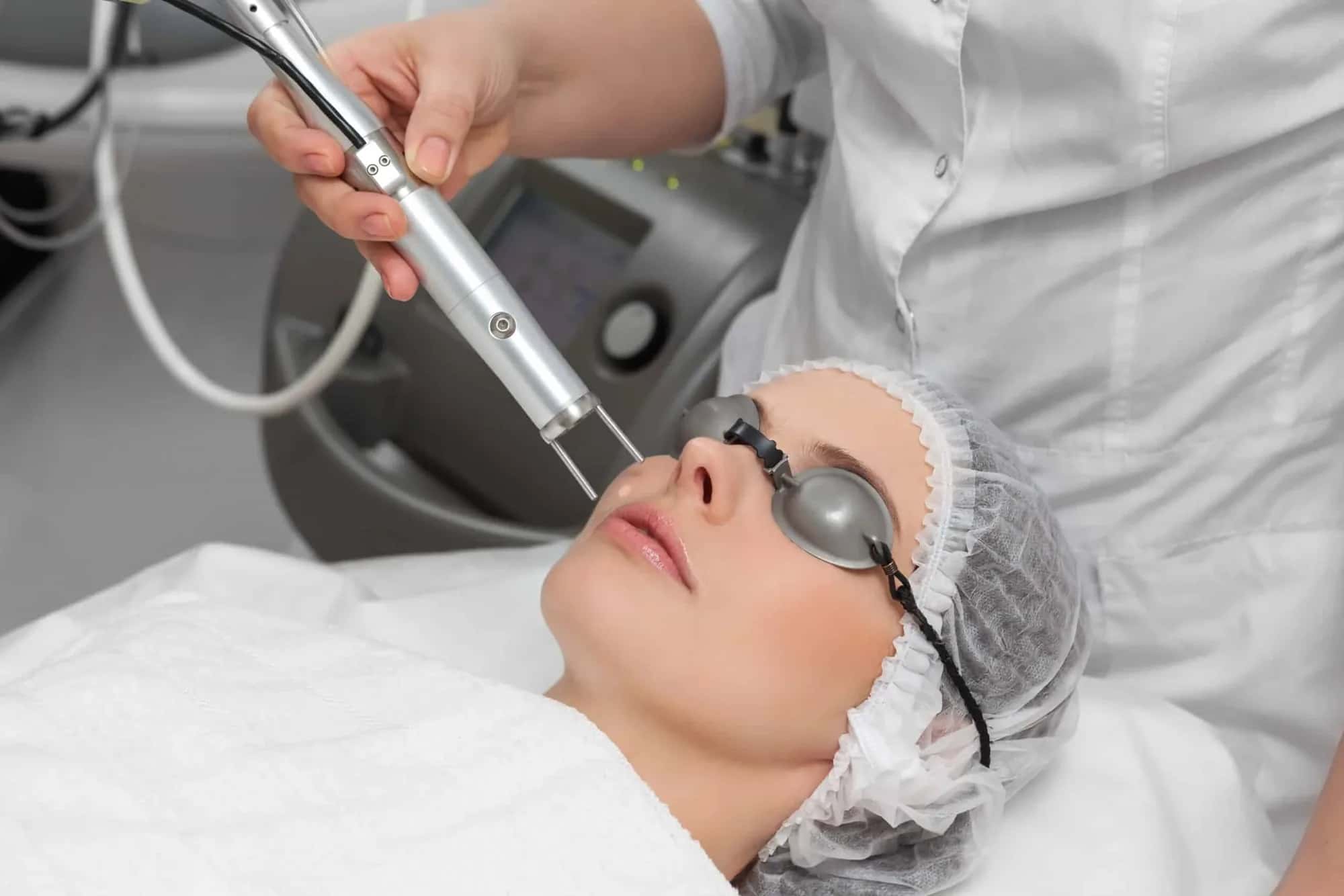

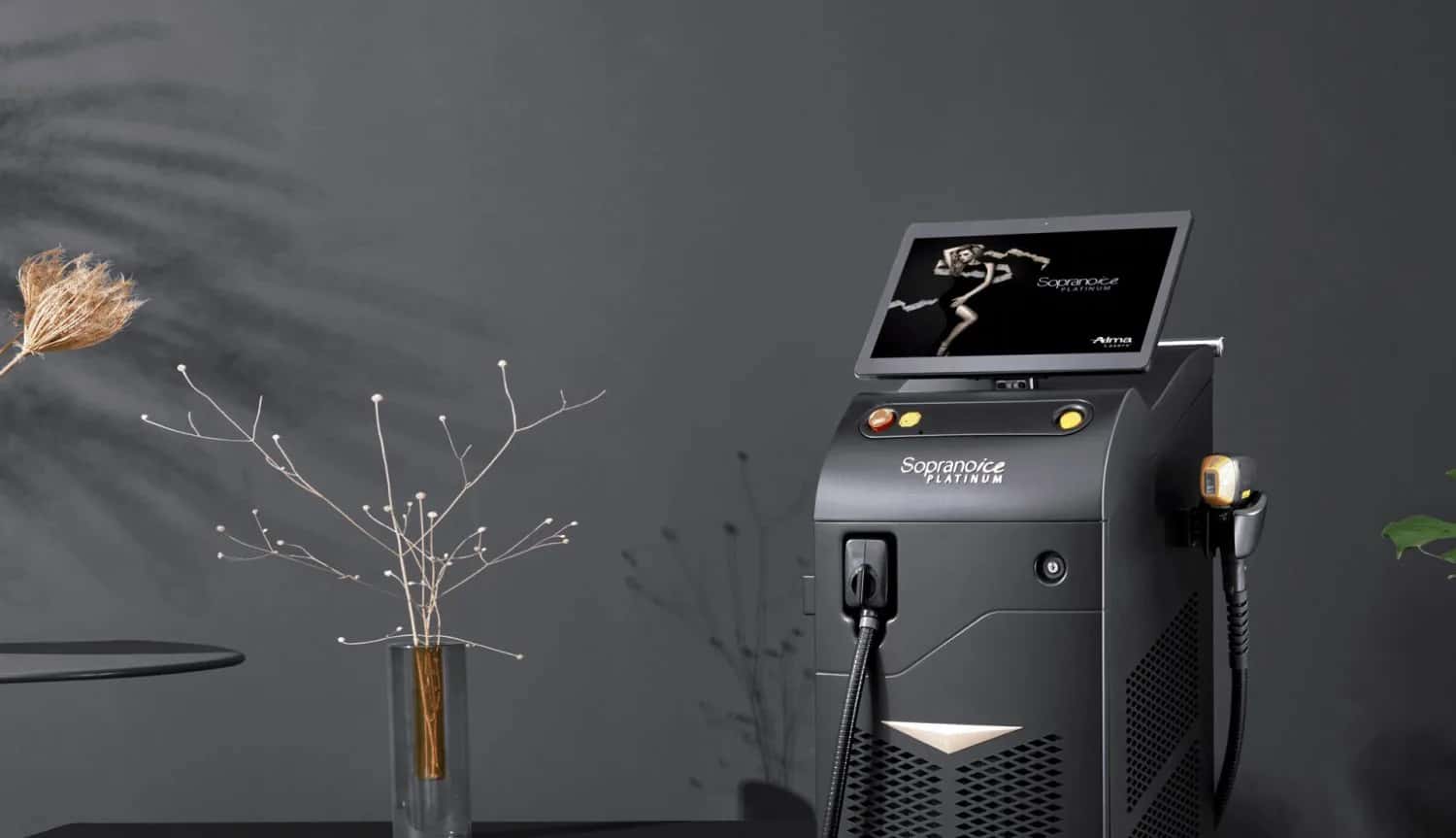
Soprano ICE Platinum is a professional laser hair removal platform designed to make hair reduction feel more comfortable, more adaptable, and more efficient for a wide range of clients. Its appeal comes from combining multiple laser wavelengths, in-motion treatment technique, and skin-cooling technology in one system.
Subscribe to the Medifinder newsletter and never miss our latest content.