










Skin Botox for Pores and Oil Control: How It Works?
Skin Botox is a cosmetic injection technique that uses small amounts of botulinum toxin within the skin to help reduce excess oil production and improve the appearance of enlarged pores. Although early clinical findings are encouraging, understanding how the treatment works.

- Last updated
- 40 reads
- 13 min read
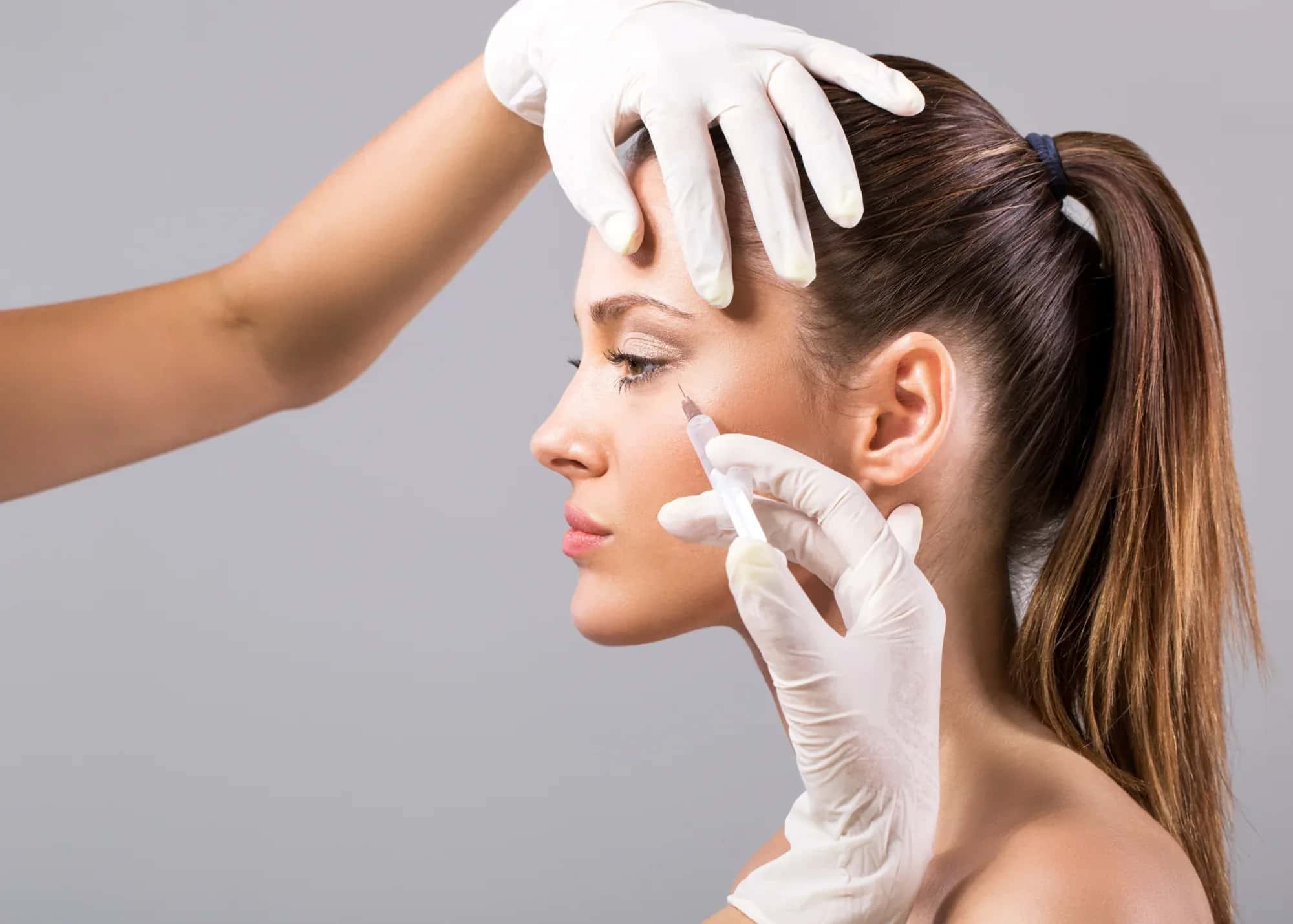


What Is Skin Botox?
Skin Botox is a minimally invasive treatment that involves placing small quantities of botulinum toxin into the superficial layers of the skin rather than primarily targeting the deeper facial muscles responsible for expression lines. The technique is often called Microbotox or intradermal Botox, although these terms do not always refer to identical treatment protocols.
The treatment focuses on skin quality rather than conventional wrinkle reduction. Its proposed benefits include controlling excessive facial shine, making enlarged pores less noticeable and creating a smoother-looking skin surface.
People with oily skin may find these concerns particularly frustrating because makeup can become shiny within hours, while visible pores around the nose and cheeks remain noticeable even after cleansing.
Unlike standard Botox for forehead wrinkles, Skin Botox is not intended to produce strong muscle relaxation. Its cosmetic use for pore reduction and oil control is generally considered off-label, and the clinical evidence remains more limited than for established wrinkle treatments.
How Does Skin Botox Work on Oil Production?
Sebum is the natural oil produced by sebaceous glands, which are connected to hair follicles throughout much of the skin. It helps maintain the skin barrier and contributes to lubrication, although excessive production can create persistent shine and make pores appear more prominent.
Skin Botox may influence oil production by interfering with certain chemical signals involved in sebaceous gland activity. Botulinum toxin blocks the release of acetylcholine, a neurotransmitter associated with muscle contraction and several functions within the skin.
Sebaceous glands also contain receptors involved in cholinergic signaling, suggesting a possible explanation for the oil-reducing effects observed after superficial injections.
However, the exact mechanism is not fully understood. Sebum production is influenced by hormones, genetics and other biological processes that botulinum toxin does not directly eliminate.
Several small clinical investigations have reported reductions in facial oiliness following intradermal treatment. These findings support further research, but they do not establish that Skin Botox provides predictable or permanent oil control for everyone.
Can Skin Botox Make Enlarged Pores Look Smaller?
Skin Botox may reduce the visible appearance of enlarged pores, particularly when excessive oil production contributes to their prominence. The effect is best understood as temporary pore refinement rather than a physical removal or permanent closing of pores.
Pores are natural openings associated with hair follicles and sebaceous glands. Their visibility depends on several factors, including inherited skin characteristics, oil production, accumulated debris and the condition of surrounding tissue.
When sebum accumulates within a pore, the opening may appear more noticeable. Reducing excess oil can sometimes make the skin surface look more uniform and the pores less prominent.
Some clinical studies have reported measurable improvements in pore appearance after intradermal botulinum toxin treatment. However, study sizes remain relatively small, treatment techniques differ and larger controlled trials are still needed.
Skin Botox cannot permanently eliminate pores, reverse every structural change around them or guarantee the appearance of completely smooth skin.
What Is the Difference Between Skin Botox and Traditional Botox?
The main difference lies in the depth of injection and the treatment objective. Traditional cosmetic Botox is generally administered into selected muscles to reduce the contractions responsible for dynamic facial wrinkles.
Skin Botox uses more superficial injections, aiming to influence skin characteristics such as oiliness and texture while limiting the extent of deeper muscle relaxation.
A conventional forehead treatment may significantly reduce horizontal creasing when someone raises their eyebrows. Skin Botox, by contrast, may target visible shine and enlarged-looking pores across portions of the forehead or cheeks.
Although both techniques involve botulinum toxin, their clinical evidence, dosage patterns and intended outcomes are different.
A superficial injection does not guarantee that surrounding muscles will remain unaffected. Botulinum toxin can spread beyond its intended location, making appropriate injection depth and precise placement important.
Skin Botox should therefore be understood as a distinct treatment approach rather than ordinary Botox administered in a larger number of smaller injections.
Is Skin Botox the Same as Baby Botox?
Skin Botox and Baby Botox are sometimes confused because both involve relatively small amounts of botulinum toxin. However, the amount injected does not fully describe what either procedure is intended to accomplish.
Baby Botox generally refers to a conservative muscle-targeting approach used to soften early expression lines while maintaining natural facial movement. Its goal is primarily related to how the face moves.
Skin Botox usually involves superficial intradermal injections, with oil control, pore visibility and skin texture forming the main treatment objectives.
The distinction between Baby Botox and traditional Botox is useful for understanding why lower-dose injections are not necessarily the same as superficial skin treatment.
Neither term represents a universally standardized technique. When discussing an appointment, the important details are the intended injection depth, the facial areas being treated and whether the goal involves wrinkle reduction or skin quality.
Which Facial Areas Can Benefit From Skin Botox?
Skin Botox is most often considered for facial regions where excess sebum production or enlarged-looking pores create a persistent cosmetic concern.
-
Forehead: The forehead commonly develops visible shine as oil accumulates during the day. Superficial treatment may help reduce this appearance, although injection placement must account for nearby muscles that control eyebrow movement.
-
Cheeks: Enlarged-looking pores around the inner cheeks can make the skin appear uneven, particularly under bright lighting. Intradermal injections have been investigated for improving pore visibility and oil production in this region.
-
Nose and surrounding areas: The nose frequently contains prominent sebaceous filaments and relatively active oil glands. Treatment around this area requires careful anatomical assessment, and improvements in oiliness do not necessarily eliminate normal sebaceous filaments.
-
Selected parts of the T-zone: When shine affects several connected facial areas, a broader treatment pattern may be considered. More extensive injections do not automatically provide better results and can increase the importance of accurate placement.
Who Is a Suitable Candidate for Skin Botox?
Skin Botox may be considered by adults with persistent facial oiliness and prominent pores who want a temporary cosmetic improvement after understanding the available evidence and treatment limitations.
Someone whose makeup repeatedly separates around the forehead or cheeks because of excessive sebum may find short-term oil reduction appealing. Similarly, people concerned about noticeable pores may be interested in a procedure that does not rely on aggressive skin resurfacing.
However, pore appearance should be assessed before assuming that oil production is the main problem. Acne scarring, reduced skin elasticity and structural changes around follicles can also create an uneven surface.
Skin Botox is not necessarily appropriate for individuals with active skin infections, significant inflammation at the injection sites or certain medical conditions affecting nerve and muscle function.
The decision should account for skin sensitivity, current medications and any previous adverse reactions to botulinum toxin.
Can Skin Botox Help With Acne and Blackheads?
Reducing excessive oil production may help address one factor involved in acne development, but Skin Botox is not an established replacement for conventional acne treatment.
Acne develops through a combination of excess sebum, blocked follicles, inflammation and biological activity within the pilosebaceous unit. Controlling oil alone does not necessarily resolve these processes.
Some early investigations suggest that intradermal botulinum toxin may improve certain symptoms associated with oily, acne-prone skin. However, evidence that it reliably treats inflammatory acne or prevents new breakouts remains insufficient.
Blackheads and sebaceous filaments present another distinction. Their appearance involves material within the follicular opening, and they may remain visible even when surface oiliness decreases.
Deep acne scars are structural changes in the skin and cannot be corrected simply by reducing sebum secretion.
People with persistent inflammatory acne generally benefit more from an appropriate acne treatment plan than from treating Skin Botox as a comprehensive solution.
What Happens During a Skin Botox Procedure?
A Skin Botox appointment begins with an examination of facial oiliness, pore visibility and the overall condition of the skin. Areas of active irritation, infection or inflammation should be identified before any injections are considered.
The skin is cleaned, and the intended treatment regions are mapped according to the desired effect and relevant facial anatomy.
A medical professional then places small amounts of botulinum toxin into multiple superficial locations using a fine needle. The procedure typically involves more injection points than a limited muscle-targeting Botox treatment.
Temporary pinching sensations, small bumps or localized redness may occur as the injections are performed. These effects often settle relatively quickly, although occasional bruising or tenderness is possible.
There is no single universally accepted Skin Botox dilution, dose or injection pattern for pore reduction. Product choice and technique require careful medical judgment because the treatment is not a standardized, approved cosmetic indication for oil control.
When Do Skin Botox Results Become Visible?
Skin Botox does not produce an immediate, fully developed reduction in oil production. Its effects require time to emerge as botulinum toxin influences signaling within the treated tissues.
Some people begin noticing changes in surface shine during the first one to two weeks. A reduction in visible pore prominence may develop gradually rather than appearing immediately after the injections.
Initial redness or small injection bumps should not be confused with the actual outcome. These temporary skin reactions can alter how the surface looks during the first days.
Because Skin Botox results are often subtle, photographs taken under consistent lighting conditions may provide a more useful comparison than inspecting the pores repeatedly throughout the day.
Changes in cleansing habits, skincare products and hormonal activity can also influence oiliness, making it difficult to attribute every improvement solely to the injections.
How Long Does Skin Botox Last?
The effects of Skin Botox are temporary because botulinum toxin does not permanently change the structure of sebaceous glands or stop the skin from producing oil.
Published clinical observations suggest that improvements in oiliness and pore appearance may last approximately two to four months in some patients. However, the duration remains less predictable than that of more established cosmetic Botox applications.
Differences in injection technique, product preparation and outcome measurements make direct comparisons between studies difficult.
As the effect diminishes, normal sebum production may gradually return, bringing back some of the shine or pore prominence that existed before treatment.
A shorter-lasting response does not justify automatically repeating injections at very frequent intervals. The medical risks of repeated superficial treatment and the limited long-term evidence should be considered before establishing a maintenance schedule.
Does Skin Botox Change Facial Expressions?
Skin Botox is intended to influence superficial skin characteristics without producing the pronounced muscle relaxation associated with conventional facial Botox.
However, facial movement can still be affected if botulinum toxin reaches nearby muscles. This possibility is particularly relevant around the forehead, eyes and mouth, where small changes in muscle activity can influence expression.
Unwanted effects might include temporary asymmetry, changes in smiling or altered eyebrow movement.
The treatment's superficial approach may reduce the intended degree of muscle relaxation, but it does not eliminate the risk of diffusion.
For someone considering Skin Botox primarily to improve pores, the possibility of affecting normal facial movement is an important part of informed consent.
A smoother skin surface is not a satisfactory outcome if it comes at the expense of comfortable, familiar facial function.
What Are the Risks and Side Effects of Skin Botox?
Skin Botox involves multiple injections of a prescription medication, so its potential risks should be considered even when the intended result is limited to oil reduction and pore improvement.
-
Temporary injection-site reactions: Redness, small raised bumps, tenderness and bruising can occur after treatment. Repeated superficial injections may also cause short-lived irritation or swelling across a broader facial area.
-
Unwanted facial muscle weakness: If the medication affects deeper muscles, temporary asymmetry, eyebrow changes or an altered smile may develop. Accurate injection placement helps manage this risk but cannot completely eliminate it.
-
Infection and skin irritation: Every injection creates a small break in the skin barrier. Poor injection hygiene or treatment through infected skin can increase complications, while sensitive skin may react more noticeably.
-
Rare serious complications: Botulinum toxin products carry warnings about effects spreading beyond the treatment area. Difficulty swallowing, speaking or breathing, or unusual generalized muscle weakness requires immediate emergency medical attention.
How Should You Care for Your Skin After Treatment?
After Skin Botox, the priority is to protect the injection sites while allowing the skin barrier to recover from the multiple superficial punctures.
-
Cleanse gently: Use a mild cleanser and avoid scrubbing the treated areas. Strong rubbing, exfoliating brushes and aggressive facial massage can irritate skin that has recently received numerous injections.
-
Temporarily limit irritating products: Strong exfoliating acids, retinoids and other potentially irritating ingredients may need to be paused until the skin is comfortable. Their return should follow appropriate aftercare guidance.
-
Maintain hydration and sun protection: A suitable moisturizer can support the skin barrier, while broad-spectrum sunscreen helps protect the skin from ultraviolet damage that may contribute to uneven texture and visible aging.
-
Watch for unusual symptoms: Mild redness differs from increasing pain, spreading inflammation or unexpected facial weakness. Persistent or worsening reactions should prompt medical assessment rather than repeated application of cosmetic products.
Can Skincare Products Replace Skin Botox for Oil Control?
For many people, a consistent skincare routine offers a more established starting point for managing oily skin and visible pores.
Salicylic acid can help loosen material within pores, while suitable retinoids may improve abnormal follicular plugging and support a smoother surface over time. Niacinamide is another ingredient commonly used in formulations designed for oily skin, although the extent of its oil-reducing effect varies.
Gentle cleansing also matters. Washing too frequently or using harsh products can irritate the skin barrier without reliably controlling the biological processes responsible for sebum production.
A lightweight, non-comedogenic moisturizer can support skin comfort, and daily sunscreen remains important even when the skin naturally produces considerable oil.
These products do not achieve the same mechanism as intradermal botulinum toxin. However, they are generally more practical for long-term maintenance and can address clogged pores as well as surface appearance.
Prescription treatment may be necessary when persistent acne or other skin conditions accompany excessive oiliness.
How Does Skin Botox Compare With Other Pore Treatments?
Skin Botox approaches pore visibility by attempting to influence oil production and superficial skin characteristics. Other treatments address different contributing factors, including congestion, uneven texture and changes in dermal support.
For example, exfoliating treatments may reduce material accumulating inside pores, while selected resurfacing procedures aim to improve the appearance of surrounding skin.
Hydrating and extraction-based facials can temporarily improve congestion and surface smoothness. However, as explained in the article on whether one HydraFacial session is enough, a cleaner appearance does not mean that pores have permanently changed size or stopped producing oil.
Microneedling and certain energy-based treatments may be considered when acne scars or altered skin texture contribute to pore prominence, although they introduce different risks and recovery requirements.
The most useful comparison begins with identifying whether the concern is mainly excess oil, blocked pores, structural texture or a combination of these factors.
How Much Does Skin Botox Cost?
Skin Botox pricing reflects the amount of medication used, the number of superficial injections, the facial areas being treated and the overall complexity of the procedure.
Because the technique may involve numerous small injection points, its cost cannot always be compared directly with conventional Botox pricing for a single muscle group.
Some treatment plans focus on a limited region such as the forehead, while others involve the cheeks or multiple areas of the T-zone. The amount of medication and the time needed to complete the procedure may differ accordingly.
There is also no universally standardized Skin Botox unit count, making advertisements based solely on the number of units difficult to interpret.
Maintenance costs deserve attention because the result is temporary. Repeated appointments may increase the long-term expense, especially when oiliness returns after several months.
The treatment's off-label status and relatively limited evidence should also form part of any cost-benefit decision.
What Results Should You Realistically Expect From Skin Botox?
Skin Botox may provide a temporary reduction in facial oiliness and make some enlarged-looking pores less noticeable. For suitable patients, the most meaningful change may be less midday shine, a smoother-looking cheek surface or makeup that remains more even throughout the day.
However, the treatment cannot permanently remove pores, cure acne, erase deep scars or eliminate the natural production of sebum.
The clinical evidence is promising but still developing. Existing studies include relatively small patient groups, varied injection techniques and differing methods of measuring results, making it difficult to predict a specific level of improvement for every individual.
Skin Botox is best understood as a possible additional option for selected concerns rather than an essential part of oily-skin management.
A careful decision considers the underlying cause of visible pores, the effectiveness of existing skincare, the temporary nature of the result and the potential risks of superficial botulinum toxin injections.
For people interested in smoother-looking skin, realistic expectations matter more than the promise of a poreless finish. Healthy skin naturally contains pores and produces oil; successful treatment aims to improve their appearance without unnecessarily compromising normal skin function.
- Last updated
- Language
- English
How did you find this article?
Many singers, actors, reality stars and influencers have talked openly about getting lip filler, and a growing number have also shared why they later had it dissolved. This guide looks at what 20 of these public figures said about their own lip treatments and what their experiences can teach anyone considering filler.

Filler fatigue describes the point where repeated dermal filler treatments leave a face looking heavier, puffier or less like itself, and it is pushing many people to rethink how they approach injectables. This guide explains what causes it, how to recognize an overfilled face.
Overfilled faces develop when injectable treatments add more volume than the facial anatomy can accommodate naturally, altering contours, proportions and sometimes facial expression.
Subscribe to the Medifinder newsletter and never miss our latest content.