










Root Canal Treatment Costs Around the World
Root canal treatment costs around the world range from relatively affordable private dental fees in countries such as Turkey, India and Mexico to substantially higher prices in the United States, Australia and other markets.

- Last updated
- 9 reads
- 14 min read
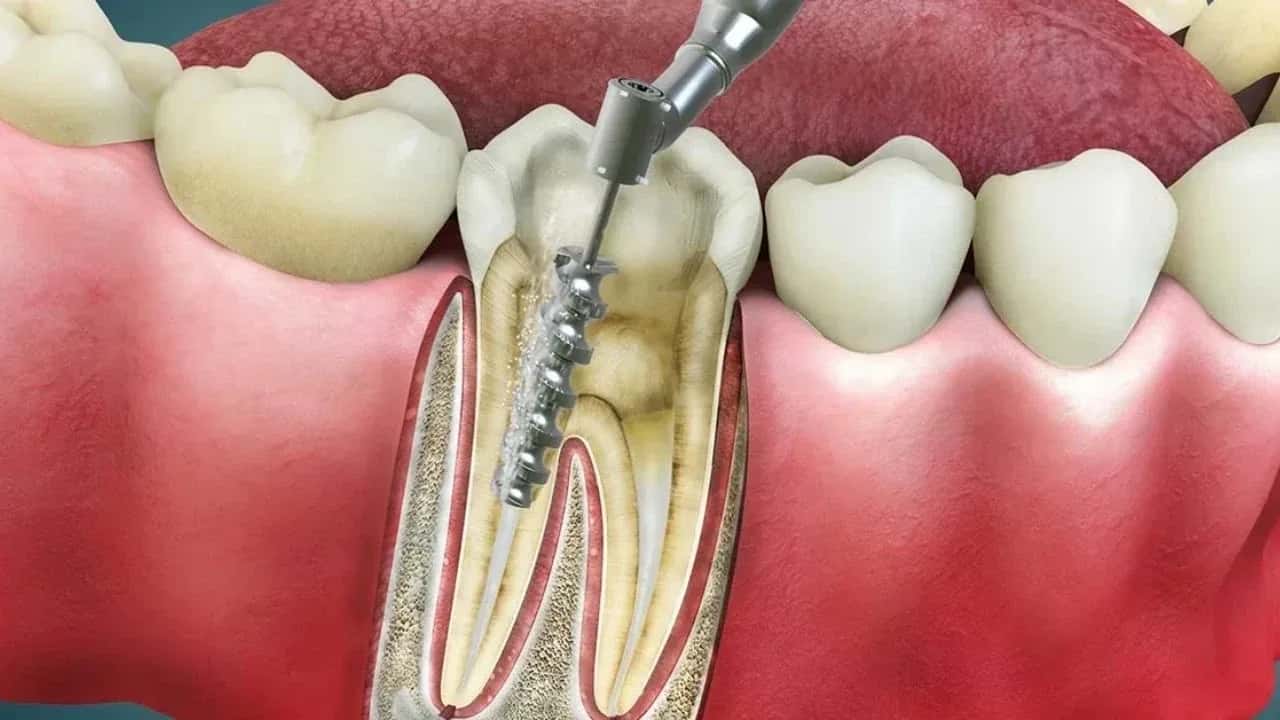


What Does Root Canal Treatment Actually Involve?
Root canal treatment, also called endodontic therapy, aims to preserve a natural tooth when the soft tissue inside it becomes inflamed or infected.
During the procedure, the infected or damaged dental pulp is removed, and the root canals are cleaned, shaped and disinfected. The prepared spaces are then sealed, commonly with a material called gutta-percha, to reduce the risk of further bacterial contamination.
The tooth subsequently needs a suitable permanent restoration to protect its remaining structure.
A completed root canal should therefore be understood as one part of saving the tooth, rather than an isolated procedure that ends when the canals have been filled.
Why Do Root Canal Treatment Costs Differ So Much?
Two patients receiving root canal treatment may require very different amounts of work.
A front tooth often has one relatively accessible canal. A molar may contain three or four canals, some of which are narrow, curved or difficult to locate.
The condition of the tooth matters as well. An uncomplicated first treatment differs from managing an extensive infection or removing old root-filling material during retreatment.
International differences in professional expenses, equipment costs and local purchasing power also affect published fees.
However, a lower price does not necessarily indicate a simpler procedure. The real comparison begins by identifying the tooth, number of canals and exact services included.
How Much Does a Root Canal Cost Around the World in 2026?
Published private dental prices provide the following approximate guide to primary root canal treatment in 2026.
| Country | Indicative cost per tooth |
|---|---|
| United States | US$700–$2,000 |
| United Kingdom | £300–£1,500 |
| Turkey | €100–€300 |
| Mexico | US$200–$750 |
| Hungary | US$110–$400 |
| Poland | PLN 800–2,800 |
| Germany | €300–€1,500 |
| Spain | €110–€340 |
| Thailand | US$150–$550 |
| India | ₹4,100–₹10,500 |
| Australia | A$900–A$3,500 |
| Canada | C$750–C$2,000 |
These are broad pricing indicators compiled from published private fees and treatment listings, not official national averages or guaranteed quotations. Complex specialist cases can exceed the stated ranges, and the prices generally exclude a separate permanent crown. Local currencies are retained to avoid misleading conversions.
How Much Does Root Canal Treatment Cost in the United States?
In the United States, root canal treatment commonly costs approximately $700 to $2,000 without insurance, although complex specialist procedures may exceed that amount.
A straightforward front tooth often falls toward the lower end. Molars usually cost more because their internal anatomy requires additional cleaning and preparation.
For example, a $1,200 root canal may initially appear expensive, but that number still does not necessarily include the final restoration.
If the treated molar needs a crown, the complete bill can rise considerably.
Patients should compare the total cost of preserving the tooth, including its restoration, rather than looking only at the endodontic fee.
What Is the Price of a Root Canal in the United Kingdom?
Private root canal treatment in the United Kingdom commonly ranges from approximately £300 to £1,500, with specialist molar treatment generally occupying the higher end.
There is also an important distinction between private care and publicly funded dental treatment.
In England, qualifying root canal treatment under the NHS falls within Band 2, which carries a patient charge of £76.60 from April 2026 for non-exempt patients.
If a clinically necessary crown is included in the same course of treatment, Band 3 applies, with a charge of £332.10 rather than both bands being added together.
These arrangements concern NHS treatment in England; other parts of the United Kingdom operate different charging systems.
How Much Does Root Canal Treatment Cost in Turkey?
Turkey has relatively low published private endodontic prices compared with many Western markets.
Indicative international-patient fees are approximately €100 to €300 for primary treatment, while published Turkish-lira prices also distinguish between teeth with one, two or several canals.
The difference is significant because treating a straightforward incisor requires less canal preparation than treating a molar with complex anatomy.
A final composite restoration or ceramic crown may carry a separate charge.
For someone traveling to Turkey, a low root canal fee should therefore be assessed alongside the complete restoration plan and the practical arrangements for follow-up after returning home.
What Does a Root Canal Cost in Mexico?
Published root canal prices in Mexico commonly extend from approximately $200 to $750, covering different tooth types and treatment arrangements.
A simple anterior tooth may cost substantially less than a molar requiring extensive instrumentation.
The country can offer a notable price advantage for patients accustomed to higher United States fees, particularly when traveling across the border is straightforward.
However, the treatment should not be reduced to a single advertised starting price.
A preliminary emergency procedure that relieves pain is not necessarily the same as completing canal disinfection, obturation and permanent tooth restoration.
The written estimate should identify which stages are included.
How Do Root Canal Prices Compare in Hungary and Poland?
Hungary and Poland are established destinations for private dental treatment, with published fees generally below many Western European private prices.
In Hungary, international treatment listings commonly show primary root canal procedures from approximately $110 to $400.
In Poland, 2026 published fees for initial endodontic treatment commonly begin around PLN 800 for simpler teeth and can approach PLN 2,800 for complex molars.
A recent Polish price analysis identified a median molar root canal fee of approximately PLN 1,600.
The figures show why broad country comparisons need context. A single-canal starting price cannot be compared directly with a complete three- or four-canal molar procedure.
How Much Does Endodontic Treatment Cost in Germany and Spain?
Private root canal treatment in Germany can involve fees of approximately €300 to €1,500, with particularly complex procedures costing more.
However, German statutory health insurance may cover medically indicated treatment when defined tooth-preservation conditions are satisfied. Optional advanced procedures or treatments outside those conditions may lead to additional private expenses.
In Spain, published private endodontic fees commonly fall between approximately €110 and €340 for straightforward primary treatment, with prices increasing according to the number of canals.
These different payment systems complicate international comparisons.
The relevant amount is the actual cost borne by the patient, including any eligible insurance contribution and the subsequent restoration.
What Are Root Canal Prices in Thailand and India?
Thailand and India are among the countries offering comparatively affordable private endodontic treatment.
In Thailand, published prices vary considerably, with lower-cost options beginning around $150 and premium molar procedures reaching approximately $550 or more.
In India, common published prices range from approximately ₹4,100 to ₹10,500 for primary root canal treatment.
These figures generally concern the endodontic procedure itself, not necessarily the final crown.
For someone considering treatment abroad, the price difference may be meaningful when several teeth need care.
For one urgently infected tooth, however, travel expenses and delays may outweigh the savings from a lower treatment fee.
How Much Does a Root Canal Cost in Australia and Canada?
Australia has comparatively high private endodontic fees. Published 2026 estimates commonly start around A$900 for straightforward anterior treatment and can reach A$3,500 for more complex cases.
The final crown may add another substantial amount to the bill.
In Canada, indicative treatment fees frequently begin around C$750 for a simpler tooth, while complex molars and specialist care can approach or exceed C$2,000.
Both countries have insurance arrangements that may reduce eligible out-of-pocket expenses, although coverage and annual limits require attention.
A comparison with international prices is most useful after determining what the patient would actually pay locally, including the permanent restoration.
Why Are Molar Root Canals More Expensive Than Front Tooth Treatments?
Molar treatment commonly involves greater technical demands because the tooth contains a more complicated internal canal system.
-
More canals to prepare: Front teeth frequently have one canal, whereas molars often contain three or four that must each be located, cleaned and sealed.
-
Difficult canal anatomy: Curved roots, calcified passages and additional small canals can increase the time and precision required for treatment.
-
Restricted access: Back teeth are harder to reach and visualize, making controlled instrumentation more demanding.
-
Greater treatment complexity: Existing fillings, extensive decay or previously treated canals can complicate access and disinfection, increasing the work needed before the procedure can be completed.
How Much Does a Root Canal Cost for an Incisor, Premolar or Molar?
The type of tooth helps explain the differences within each country's price range.
An incisor commonly has one canal and is often the least expensive tooth to treat. Canines also usually have one canal, although their roots may be long or curved.
Premolars can have one or two canals, sometimes more, so their treatment may fall into an intermediate pricing category.
Molars generally involve the greatest canal complexity and consequently tend to carry higher fees.
To illustrate the difference, a straightforward anterior root canal in Australia might cost around A$1,000, whereas a complicated molar procedure could cost several times that amount.
These are different clinical tasks, not merely different prices for the same service.
Is Root Canal Retreatment More Expensive Than the First Procedure?
Root canal retreatment is often more expensive than the original procedure because it requires additional steps.
The existing root-filling material must be removed before the canals can be reassessed and disinfected.
A tooth may also contain a missed canal, a broken instrument, a complicated restoration or an infection that has persisted around the root tip.
These conditions can make retreatment substantially more demanding than a first-time procedure.
In some situations, surgical endodontic treatment or extraction may be considered if conventional retreatment cannot predictably resolve the problem.
The financial decision should be based on whether the tooth can realistically be preserved.
Does Microscope-Assisted Root Canal Treatment Cost More?
An operating microscope provides magnification and illumination that can help identify small canal openings, cracks and anatomical features that are difficult to see directly.
Its value becomes particularly relevant in retreatment, calcified canals and teeth with complex internal anatomy.
Some published price lists include microscope-assisted endodontics within the standard fee, while others charge separately for advanced treatment.
The equipment itself does not guarantee a successful outcome, and not every uncomplicated root canal requires the same level of instrumentation.
The important question is whether the treatment approach can locate, clean and seal the relevant canals effectively while preserving as much healthy tooth structure as possible.
Are Dental X-Rays and 3D Scans Included in the Price?
Diagnostic imaging is an essential component of endodontic assessment, but not every quotation includes the same imaging services.
Conventional dental radiographs help evaluate root length, surrounding bone and changes associated with infection.
Additional images may be needed during treatment and afterward to assess the canal filling.
Cone beam computed tomography, or CBCT, can be valuable in selected complex cases, particularly when conventional images do not adequately explain the anatomy or pathology.
However, a three-dimensional scan is not routinely necessary for every root canal.
Imaging should be justified by its diagnostic benefit, and patients should confirm whether the relevant fees are included in the proposed price.
How Much Does a Crown Add to the Total Root Canal Bill?
A root canal treats the interior of the tooth, while a crown or filling restores the tooth's ability to function during chewing.
This distinction can have a major effect on the total expense.
For example, a $1,200 root canal followed by a $1,400 crown produces a combined restoration cost of $2,600 before any additional treatment.
The crown may represent more than half the amount originally expected when only the endodontic fee was considered.
Back teeth that have lost substantial structure often benefit from protective cuspal coverage because they carry considerable chewing forces.
The need for a crown should be established from the condition of the remaining tooth, not simply from the fact that root canal treatment was performed.
Which Expenses Are Often Missing From Root Canal Quotes?
The quoted price may cover canal preparation and filling while excluding procedures necessary to complete the treatment and protect the tooth.
-
Diagnostic services: Consultation, dental radiographs, additional imaging and specialist assessment may appear as separate charges.
-
Restorative work: Permanent fillings, core build-ups, posts and crowns can add substantially to the amount paid after the canals are sealed.
-
Complexity-related procedures: Removing old root fillings, retrieving broken instruments or addressing unusual canal anatomy may involve additional work.
-
Follow-up and travel: Review appointments, accommodation, transport and any return visit for a final restoration should be included when comparing treatment abroad.
Does Every Root Canal-Treated Tooth Need a Crown?
A crown is not automatically necessary after every root canal.
A front tooth with a small access opening and substantial healthy structure remaining may be restored effectively with a permanent filling.
A molar that has lost several walls to decay or earlier fillings faces a different mechanical challenge.
Because back teeth withstand considerable chewing pressure, a crown or another restoration providing cuspal protection may be appropriate.
The choice should reflect the location of the tooth, the amount of remaining enamel and dentin, and the pattern of biting forces.
Unnecessary crowning removes additional tooth structure, while inadequate restoration can leave a treated tooth vulnerable to fracture.
Is Root Canal Treatment Cheaper Than Extraction and an Implant?
Saving a restorable natural tooth through root canal treatment is often less expensive than extracting it and replacing it with a dental implant.
An extraction may have a relatively low immediate cost, but it does not replace the missing tooth.
An implant requires surgery, healing, restorative components and a final crown. Additional bone treatment can increase both cost and complexity.
A dental bridge introduces different expenses and may require preparation of neighboring teeth.
However, preservation is not always appropriate. A tooth with an untreatable fracture or insufficient remaining structure may have a poor long-term outlook despite endodontic treatment.
The relevant comparison is between realistic complete treatment options, not the isolated extraction fee.
Can a Root Canal Be Completed in One Visit?
Some uncomplicated root canals can be completed during a single appointment.
A straightforward tooth with accessible canals may be cleaned, shaped and filled without requiring a second endodontic session.
Other cases need additional time because of infection, difficult anatomy or extensive restorative work.
A temporary dressing may sometimes be placed before the canals are permanently sealed.
Even if the endodontic treatment is completed in one visit, a final crown may need a separate appointment after the tooth has been prepared and the restoration fabricated.
Travel plans should account for the complete treatment process rather than assuming that completing the root canal means every necessary stage has finished.
Does Dental Insurance Cover Root Canal Treatment?
Root canal treatment is generally considered restorative dental care rather than an elective cosmetic procedure, but reimbursement depends on the applicable health system.
Private dental insurance in the United States or Canada may cover part of the procedure, subject to deductibles, annual limits and benefit conditions.
In Australia, some private extras policies provide endodontic benefits, although waiting periods and maximum reimbursements can affect the amount paid.
Public systems introduce different rules.
For instance, qualifying treatment in England follows the relevant NHS charge band, while German statutory coverage depends on whether specific conditions for preserving the tooth are met.
The final out-of-pocket amount is therefore more informative than the published private fee alone.
Can Traveling Abroad for a Root Canal Really Save Money?
Dental treatment abroad may produce substantial savings when a patient needs several procedures and the combined private cost at home is high.
However, a single root canal is not necessarily a suitable reason to arrange international travel.
If the tooth is painful or infected, delaying treatment to organize a cheaper trip may allow the problem to worsen.
Flights and accommodation can also consume much of the apparent price advantage.
Another practical concern is restoration timing. A tooth should not remain inadequately protected simply because the patient intends to receive its final crown during a later international visit.
The complete treatment schedule needs to be clinically appropriate before the potential financial savings are considered.
What Happens if a Root Canal Is Delayed to Avoid the Cost?
An infected dental pulp does not necessarily recover merely because the pain temporarily becomes less noticeable.
Untreated infection may persist around the root tip and can eventually produce an abscess, swelling or further destruction of surrounding tissues.
A tooth can sometimes become less painful when the pulp dies, even though the infection remains.
Delaying assessment can therefore transform a potentially manageable problem into a more complex and expensive one.
Severe facial swelling, fever accompanied by dental infection, difficulty swallowing or breathing, or rapidly worsening symptoms require urgent medical attention.
Early treatment may help preserve the natural tooth and avoid the additional financial consequences of extensive damage.
What Should an International Root Canal Treatment Package Include?
A meaningful package should identify the full treatment pathway rather than advertising only the lowest fee for opening and cleaning a tooth.
-
Diagnosis and tooth assessment: The plan should include appropriate examination and imaging, with a clear decision about whether the tooth is restorable.
-
Complete endodontic treatment: Access preparation, canal cleaning, disinfection, obturation, necessary isolation and the expected number of appointments should be specified.
-
Permanent tooth restoration: The quotation should clarify whether a filling, core build-up or crown is included or requires separate payment.
-
Follow-up arrangements: Treatment records, postoperative instructions, review plans and arrangements for complications after returning home should be explained before travel.
How Long Does a Root Canal-Treated Tooth Last?
A successfully treated tooth can function for many years, sometimes for the rest of a person's life.
Its longevity depends on more than whether the infection was initially removed.
The quality of the canal seal, amount of remaining tooth structure, health of the supporting gums and strength of the final restoration all contribute to long-term survival.
In a large observational study involving more than 70,000 root canal-treated teeth, the estimated median tooth survival was approximately eleven years. This figure describes a particular patient population and should not be interpreted as an expiration date for endodontic treatment.
Appropriate restoration and ongoing dental care can substantially influence how long the tooth remains functional.
How Can You Compare Root Canal Costs Without Compromising Tooth Health?
A fair international comparison begins with the same tooth and the same endodontic problem.
A single-canal incisor in India should not be compared directly with a four-canal molar receiving specialist retreatment in the United States.
Similarly, a quotation covering only canal filling is not equivalent to one that includes diagnostic imaging, endodontic treatment and a permanent crown.
The financial assessment should consider the complete cost of retaining a healthy, functional tooth.
When treatment is needed urgently, prompt access to appropriate care may be more important than obtaining the lowest possible international fee.
For planned treatment, an itemized estimate makes it easier to evaluate potential savings without overlooking essential procedures.
The most valuable outcome is not simply an inexpensive root canal. It is a properly treated and restored natural tooth that remains comfortable, stable and maintainable over the long term.
- Last updated
- Language
- English
How did you find this article?
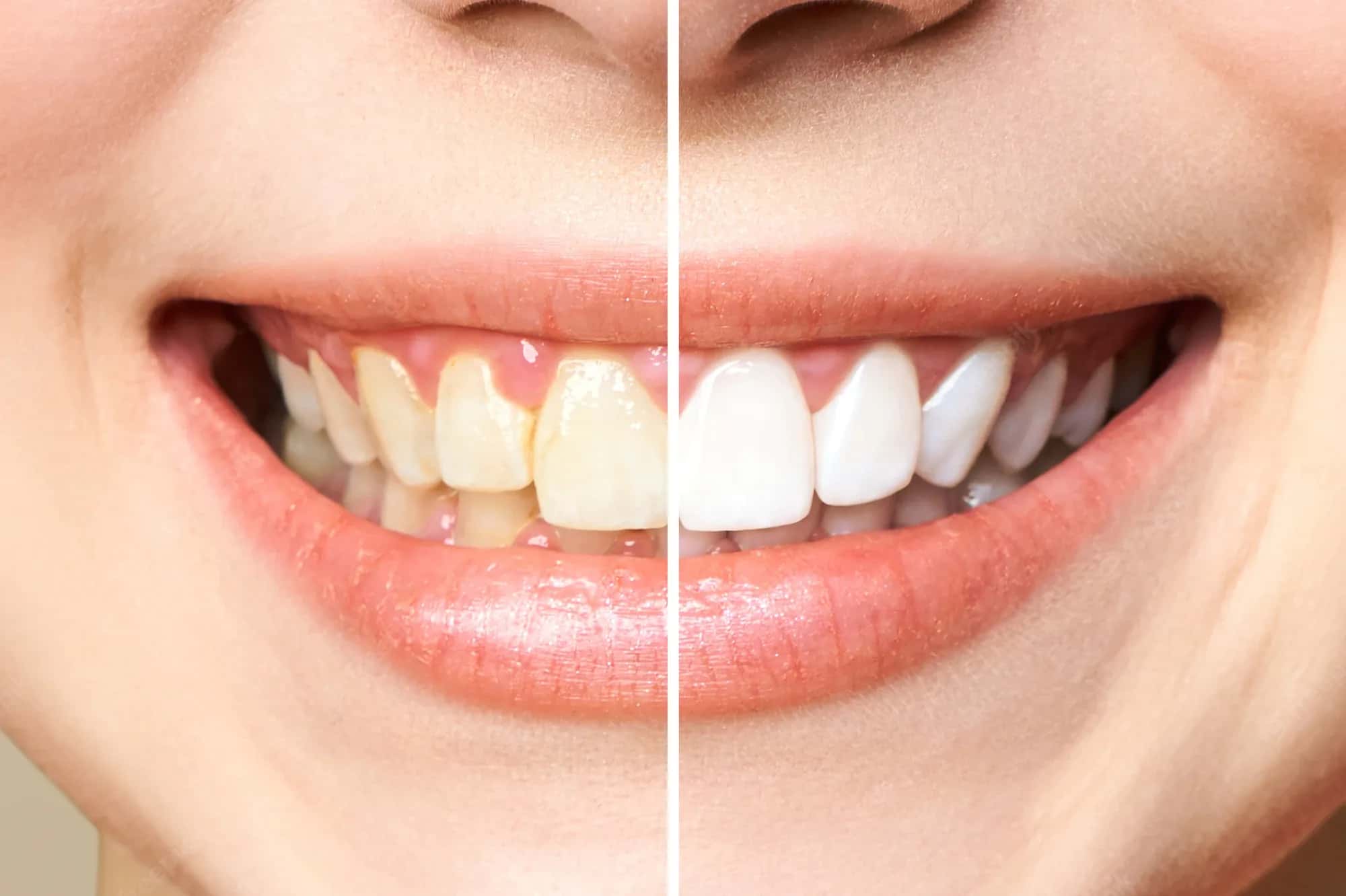
Teeth whitening costs around the world vary substantially, with professional treatment generally costing less in countries such as Turkey, Mexico and India than in the United States or United Kingdom.
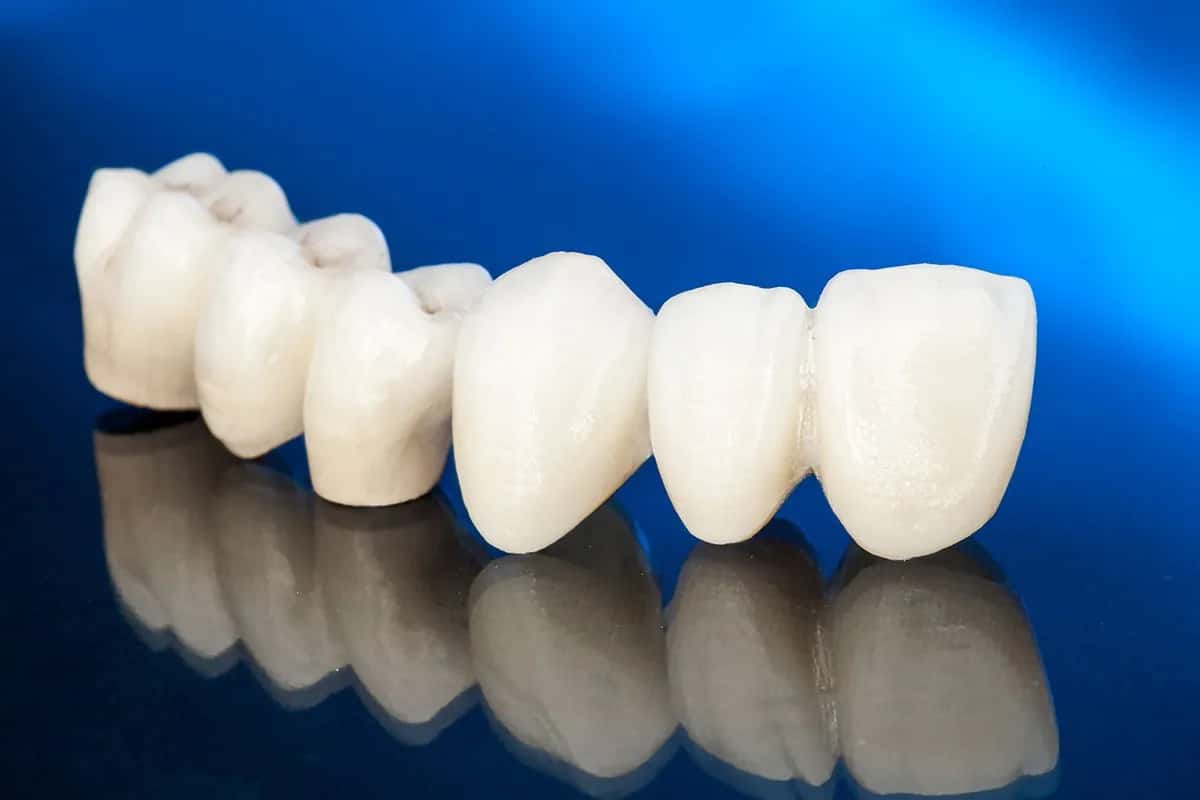
Zirconium crown costs around the world vary significantly, from approximately €180–€400 per tooth in Turkey to $1,000–$2,500 in the United States, based on published 2026 private-treatment prices.
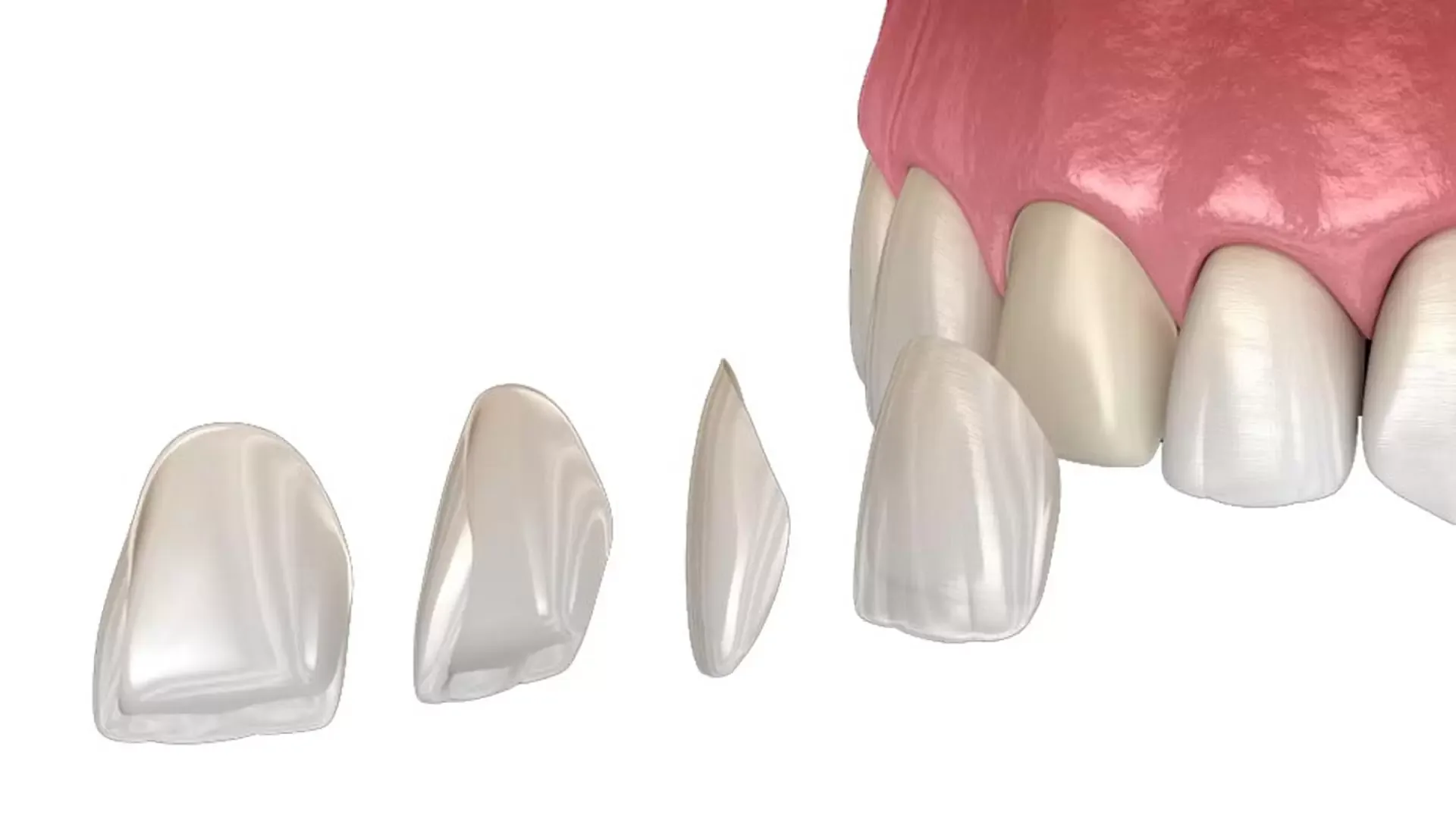
E-Max costs around the world differ significantly, with ceramic veneers and crowns available at lower published prices in countries such as Turkey, Mexico and Hungary than in the United States or United Kingdom.
Subscribe to the Medifinder newsletter and never miss our latest content.