










Root Canal Treatment Cost UK 2026
This comprehensive financial guide outlines the root canal treatment costs across the United Kingdom in 2026, detailing public dental bands, private pricing structures, and additional restorative expenses.

- Last updated
- 117 reads
- 8 min read


What Is The Average Root Canal Treatment Cost In The UK In 2026?
The average cost of root canal treatment in the United Kingdom in 2026 ranges from £73.50 under standard public dental bands to between £350 and £950 for private therapy. Public dental services provide endodontic treatment under fixed treatment bands covering the complete preparation and sealing of affected canals. In contrast, private practices establish fees based on anatomical complexity and tooth location.
Front teeth occupy the lower private fee scale, whereas multi-rooted molars sit at the upper end. These private investments generally cover digital radiographs, local anaesthesia, chemo-mechanical cleaning, and temporary restorations. Dedicated private endodontic specialists charge higher fees to reflect advanced surgical operating microscopes. Overall expenditure balances directly between clinical complexity and necessary post-treatment structural reinforcements.
How Much Does A Front Tooth Root Canal Cost In The UK?
A front tooth root canal in the UK costs £73.50 under standard public dental care and between £350 and £550 in private dental clinics in 2026. Front teeth, comprising incisors and canines, feature a single, accessible root canal that presents fewer procedural hurdles during therapy. Because instrument navigation is direct, appointments generally require less chairside time compared to complex posterior teeth. Private fees cover dental dam isolation, mechanical disinfection, and thermal obturation with biocompatible materials.
Public care covers the procedure entirely under the intermediate dental fee tier. Private patients benefit from rapid appointment availability and extended procedural time allocations. The treatment concludes with an aesthetic composite resin restoration, typically incorporated into the primary fee schedule.
What Is The Cost Of A Premolar Root Canal Treatment In The UK?
Premolar root canal treatment in the United Kingdom costs £73.50 through standard public dental schemes and ranges from £450 to £700 in private dental practices. Premolars occupy an intermediate anatomical position, commonly featuring one or two narrow canals that demand meticulous debridement. The increased technical challenge requires advanced rotary endodontic instruments and repeated electronic apex measurements. Private fees cover the comprehensive decontamination of each separate canal alongside antimicrobial irrigation protocols. Public healthcare provides identical procedural completion within its standard middle tier charge. After successful root obturation, premolars frequently require durable composite reinforcements to endure daily masticatory stress. Ensuring thorough root canal sealing establishes a durable foundation for long-term oral health and function.
What Does A Molar Root Canal Treatment Cost In The UK?
A molar root canal treatment in the UK costs £73.50 under public provisions and ranges between £650 and £950 within private dental practices.
Molars represent the most complex dental structures, containing three to four curved canals requiring extensive clinical attention. Clinicians utilize dental operating loupes, rotary instrumentation, and apex locators to eliminate bacteria from these convoluted spaces. Private practices allocate multi-hour sessions to achieve optimal irrigation and airtight three-dimensional canal obturation. Public healthcare delivers this treatment under standard intermediate band tariffs regardless of procedural duration. Due to heavy masticatory forces, treated molars typically require a protective crown following therapy to avoid structural fractures. This meticulous investment prevents complete tooth loss and maintains proper dental arch stability.
How Much Does Root Canal Retreatment Cost In The UK?
Root canal retreatment in the United Kingdom generally costs £73.50 through public dental care and between £600 and £1,200 in private practices.
Retreatment is technically demanding because the clinician must disassemble existing restorations, remove old obturation materials, and eliminate newly established bacterial colonies. Hidden canals, calcifications, and anatomical anomalies that contributed to the initial failure require microscopic exploration and specialized solvents. Private treatment fees reflect the increased time commitment, specialized ultrasonic equipment, and advanced expertise necessary for revision procedures. Public services cover retreatment under standard pricing when the tooth presents a viable restorative prognosis. If previous treatments left separated instruments or ledges, referral to a registered specialist endodontist becomes essential. Successful revision resolves persistent infections and avoids invasive tooth extractions.
What Additional Costs Are Associated With Root Canal Therapy?
Beyond the foundational endodontic procedure, several supplemental diagnostic, therapeutic, and restorative interventions influence the total financial investment for complete dental recovery.
- Pre-operative digital periapical radiographs and three-dimensional CBCT scans range from £25 to £160 to accurately map complex root configurations.
- Permanent dental crowns fabricated from porcelain or zirconia cost between £450 and £1,000 to restore tooth strength after structural tissue removal.
- Core build-up restorations using fibre posts and resin composites range between £100 and £250 to anchor the definitive crown securely.
- Specialized antimicrobial medications and temporary sedative dressings applied during multi-visit procedures cost between £50 and £120.
- Post-treatment follow-up appointments and healing assessments generally add £40 to £80 to verify tissue regeneration over subsequent months.
What Is The Cost Difference Between Public Dental Care And Private Endodontic Treatment?
The cost difference between public dental care and private endodontic treatment in the UK spans from £275 for front teeth to over £850 for complex molars.
Public dental arrangements function through fixed statutory charges, offering root canal procedures under a single intermediate band rate of £73.50. In contrast, private fees reflect market rates determined by appointment lengths, magnification equipment, and bioceramic sealing materials. While public services provide reliable outcomes, appointment waiting times can be prolonged, occasionally risking disease progression. Private treatment offers rapid scheduling, operating microscope usage, and dedicated single-use instruments. The additional private investment secures immediate clinical intervention and specialized appointment flexibility. Both frameworks preserve natural teeth through standardized disinfection protocols.
How Much Does A Specialist Endodontist Charge In The UK?
A registered specialist endodontist in the United Kingdom charges between £700 and £1,400 for root canal treatment based on root complexity.
Specialists possess advanced postgraduate qualifications and dedicate their clinical practice entirely to managing intricate endodontic conditions. Their surgical suites feature operating microscopes, three-dimensional imaging units, and micro-ultrasonic instruments. Front teeth managed by a specialist cost around £700, while calcified molars command fees near £1,400. Specialized diagnostic assessments usually carry a separate evaluation fee between £80 and £180. Dentists refer patients to endodontists when teeth exhibit severe anatomical curves, calcifications, or failed prior procedures. This higher financial commitment ensures specialized management for structurally vulnerable teeth.
Is A Dental Crown Included In The Root Canal Treatment Cost?
A dental crown is excluded from standard private root canal fees, whereas public healthcare transitions patients into a higher payment tier for crown placement.
Private endodontic quotes cover pulp chamber debridement, chemical disinfection, and canal obturation, ending with an interim sealing material. Once internal healing is confirmed, an indirect crown must be commissioned separately to restore structural durability. Private crown restorations cost between £450 and £1,000 based on chosen materials like porcelain-fused-to-metal or monolithic zirconia. Under public provisions, obtaining a crown elevates the charge to the top restorative tier at £319.10. Encapsulating posterior teeth prevents brittle tooth walls from fracturing during mastication. Effective long-term planning requires accounting for both internal therapy and outer crown protection.
What Dental Financing Options Are Available For Root Canal Procedures In The UK?
Dental financing options in the UK include interest-free payment plans, extended healthcare credit agreements, and monthly dental membership schemes.
Private clinics routinely partner with regulated credit providers to offer zero-percent interest repayment plans spanning six to twelve months. This structure allows patients to distribute endodontic and crown fees across predictable monthly payments without additional financial penalties. For prolonged repayment schedules, extended financing up to sixty months is accessible with fixed interest rates. Monthly dental membership schemes also grant members notable percentage reductions on restorative and endodontic treatments. Digital credit approvals occur within minutes, allowing treatment to start without administrative delay. Financing options eliminate upfront barriers to receiving critical, tooth-preserving interventions.
Does Private Dental Insurance Cover Root Canal Costs In The UK?
Private dental insurance policies in the UK provide partial or complete reimbursement for root canal costs up to designated annual policy limits.
Comprehensive dental insurance plans categorize root canal therapy as major restorative care, usually reimbursing between fifty and eighty percent of eligible expenses. Basic dental policies or employer cash plans often enforce capped annual reimbursement limits, providing £150 to £400 per policy year for complex endodontic treatments. Patients typically settle clinical invoices directly with their dental practice before submitting itemized receipts to their insurance underwriter for prompt reimbursement. Some premium policies cover specialist endodontic care, while entry-level policies limit payouts to general practitioner standard fees. Checking waiting periods and pre-existing condition exemptions before treatment is essential for maximizing claim success.
What Factors Determine The Overall Price Of Root Canal Therapy?
The overall price of root canal therapy is determined by tooth anatomy, infection severity, diagnostic technology, and subsequent restorative requirements.
Multi-rooted molars displaying severe curvature or heavy calcification demand extended operating time and specialized flexible instruments, increasing the procedural fee. Complex infections requiring multi-stage visits with antibacterial intracanal dressings generate additional appointment expenses. The deployment of advanced diagnostics, including three-dimensional digital imaging, adds directly to baseline costs. Furthermore, the selection of final restorative components shapes total expenditure substantially. Securing a compromised tooth with a fibre post and full-coverage crown demands greater financial investment than direct resin restorations. These interdependent procedural requirements collectively establish the ultimate treatment cost.
How Much Does An Emergency Root Canal Cost In The UK?
An emergency root canal appointment in the United Kingdom typically costs between £100 and £350 for immediate pain relief and extirpation.
Emergency interventions focus primarily on diagnosing acute pain, draining periapical abscesses, and extirpating the inflamed or necrotic nerve tissue. The urgent care fee covers diagnostic radiographs, profound local anaesthesia, and placing a soothing antibacterial dressing inside the pulp chamber. Under public dental arrangements, urgent care is charged under the primary emergency band fee of £26.80. In private practices, out-of-hours appointments or weekend emergency visits carry a surcharge alongside procedural costs. This initial emergency visit successfully relieves acute agony, but does not complete the treatment. Patients must schedule subsequent visits to complete thorough canal shaping, obturation, and final coronal restoration.
Is Root Canal Treatment More Cost-Effective Than Tooth Extraction And Replacement?
Root canal treatment combined with a crown is significantly more cost-effective over a lifetime than extracting a tooth and replacing it with an implant or bridge.
While a simple extraction appears inexpensive initially, leaving an empty space creates dental drift, bite misalignment, and progressive jawbone loss. Replacing an extracted tooth requires substantial financial expenditure, with dental implants costing between £2,000 and £3,500 in the UK. Fixed dental bridges represent another costly alternative, often priced between £1,000 and £2,500 while requiring irreversible preparation of adjacent healthy teeth. A successful root canal saves the natural biological root, preserving original bite mechanics and bone density permanently. Preserving natural teeth avoids recurring replacement expenses and complex bone grafting procedures in the future.
- Last updated
- Language
- English
How did you find this article?
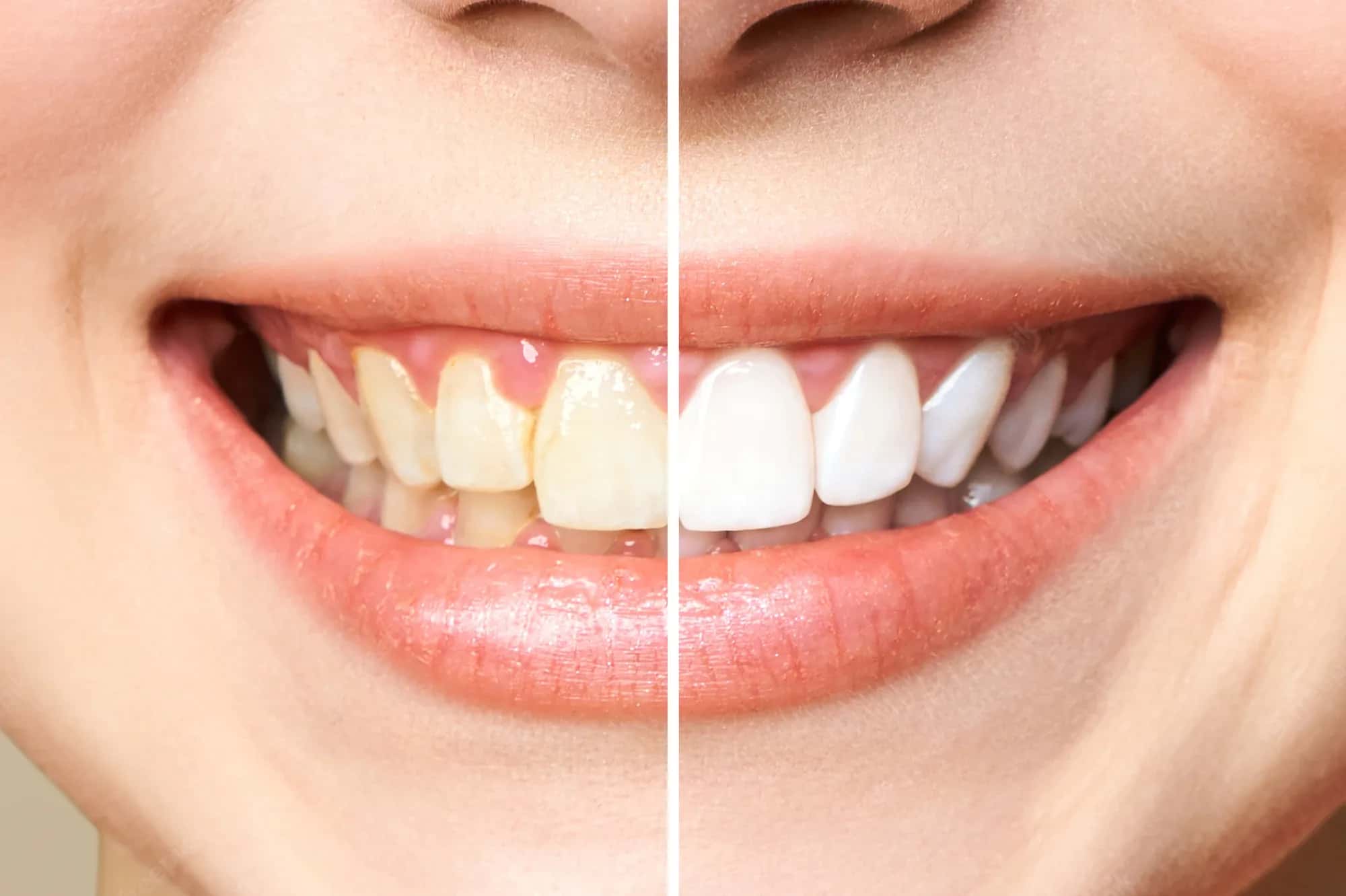
Teeth whitening costs around the world vary substantially, with professional treatment generally costing less in countries such as Turkey, Mexico and India than in the United States or United Kingdom.
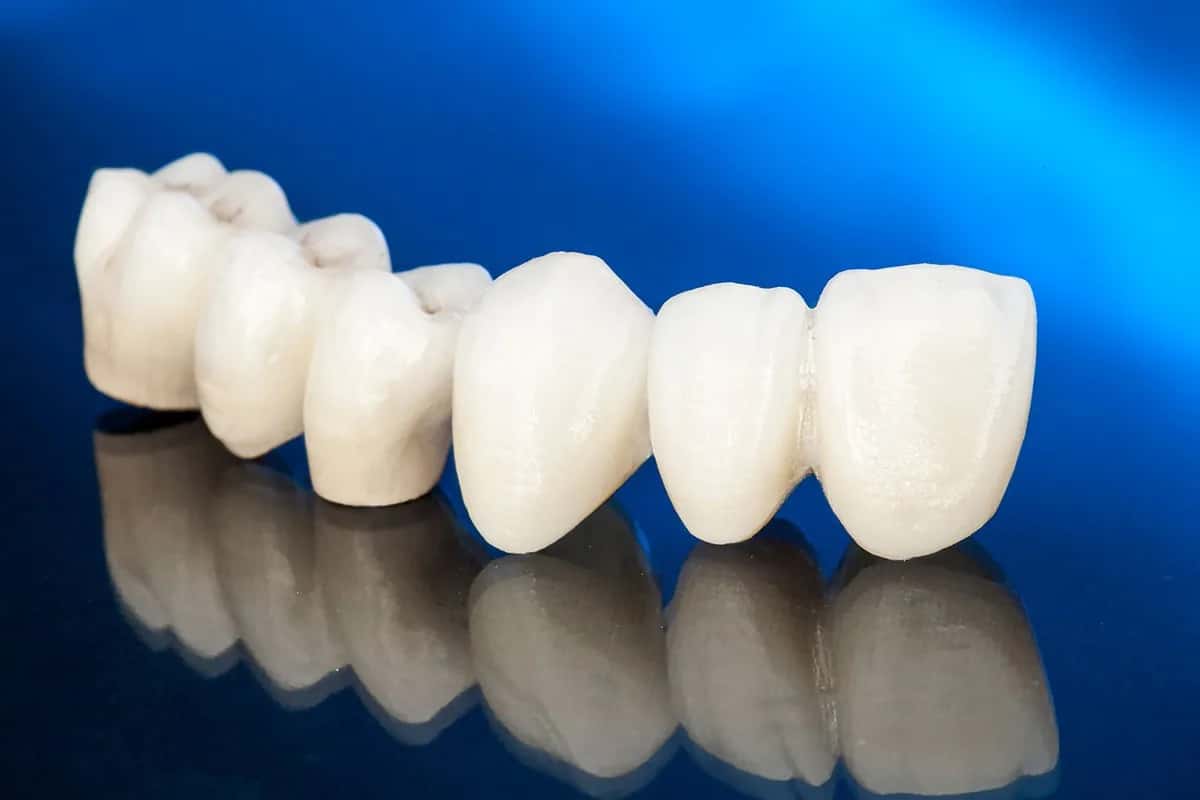
Zirconium crown costs around the world vary significantly, from approximately €180–€400 per tooth in Turkey to $1,000–$2,500 in the United States, based on published 2026 private-treatment prices.
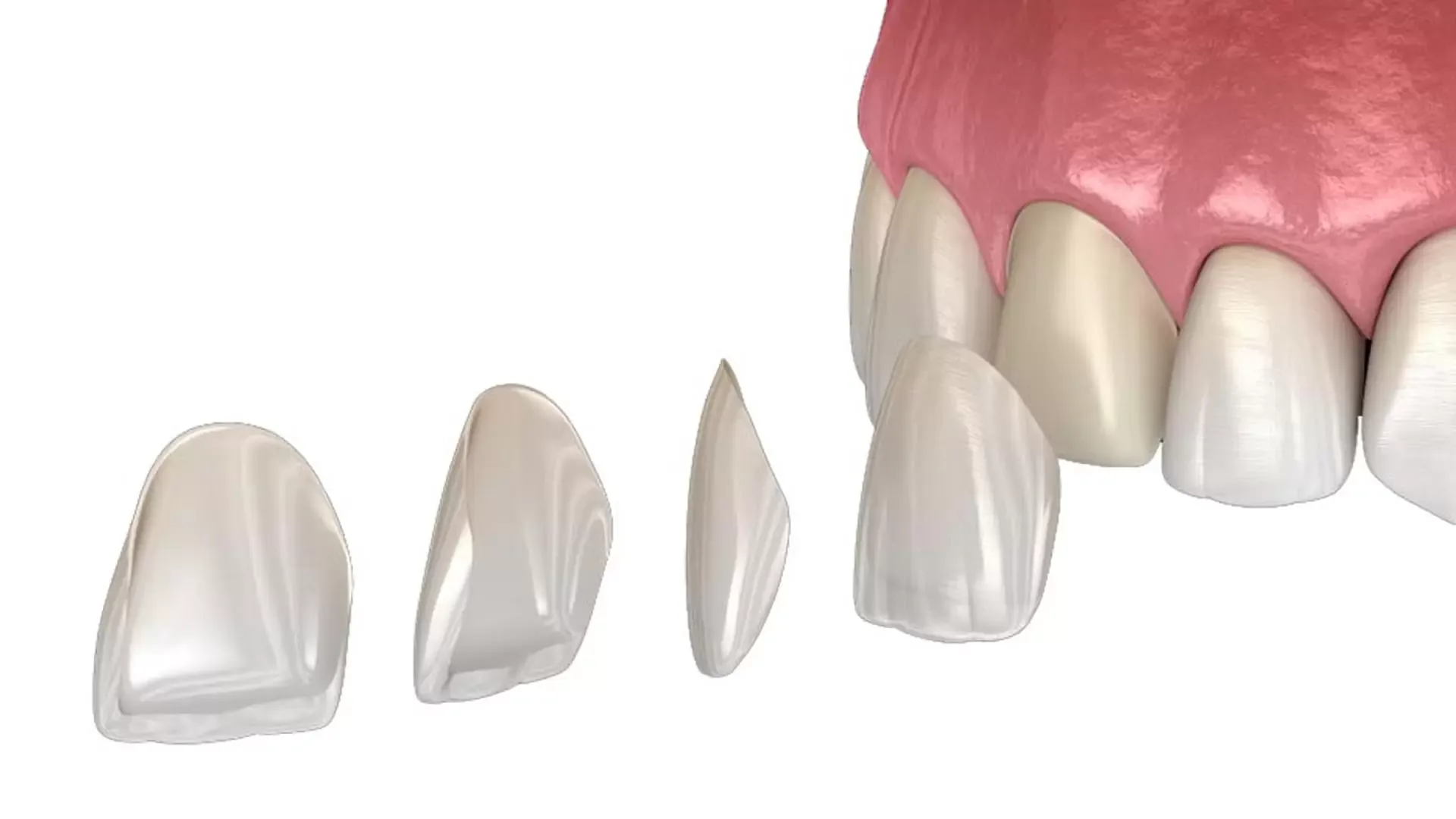
E-Max costs around the world differ significantly, with ceramic veneers and crowns available at lower published prices in countries such as Turkey, Mexico and Hungary than in the United States or United Kingdom.
Subscribe to the Medifinder newsletter and never miss our latest content.