










Periodontology in Turkey: How To Choose Clinic?
Choosing a periodontology in Turkey clinic requires checking Ministry of Health approvals and specific dentist qualifications. You should always ensure the treating physician is a board-certified periodontist, not a general dentist.

- Last updated
- 75 reads
- 10 min read


Periodontology in Turkey: How To Choose Clinic?
Periodontology in Turkey is an important option for patients who want to treat gum disease, gum recession, bone loss, loose teeth, implant-related gum problems, or long-term oral health concerns. Choosing the right clinic matters because periodontal treatment is not only about cleaning the teeth. It focuses on the tissues that hold the teeth in place and protects the foundation of the entire mouth.
A healthy smile depends on healthy gums. Teeth may look bright and well shaped, but if the gums bleed, pockets deepen, bone support weakens, or inflammation continues, dental health can decline over time. This is why selecting a periodontology in Turkey clinic should involve careful evaluation of diagnosis, specialist experience, treatment planning, hygiene standards, technology, patient communication, and maintenance care.
Turkey offers a wide dental care network for local and international patients. Istanbul, Antalya, Izmir, Ankara, Bursa, and other cities have clinics that provide periodontal treatments alongside implantology, prosthodontics, cosmetic dentistry, and oral surgery. This wide choice is useful, but it also makes the decision harder. A patient should not choose a clinic only because it appears modern, offers an attractive package, or promises fast results.
Patients can use MediFinder to explore top dental clinics in Turkey that list periodontology among their services. Clinic profiles can support initial comparisons of locations, treatment options and provider information, but professional credentials, current authorisations and individual suitability should still be verified independently.
Why Periodontology Needs Careful Clinic Selection
Periodontal problems often progress slowly. Many patients ignore bleeding gums, mild swelling, bad breath, sensitivity, or gum recession until the condition becomes more serious. By the time teeth feel mobile or bone loss appears on imaging, the disease may already require deeper treatment.
This is why clinical accuracy matters. A clinic that treats all gum problems with a simple cleaning may miss deeper periodontal disease. On the other hand, a clinic that recommends surgery too quickly may expose the patient to unnecessary treatment.
A strong periodontology clinic knows how to separate early gum inflammation from advanced periodontitis. It also understands when conservative care is enough and when surgical treatment becomes necessary. The clinic’s approach should be based on diagnosis, not on standard packages.
Start With a Complete Gum Evaluation
A proper periodontal consultation should include more than a quick look inside the mouth. The dentist or periodontist should measure gum pockets, check bleeding points, evaluate gum recession, assess tooth mobility, review plaque and tartar levels, and examine bone support through appropriate imaging.
The consultation should also include questions about medical history. Diabetes, smoking, pregnancy, stress, certain medications, immune conditions, and previous dental treatments can affect gum health. A patient with uncontrolled systemic risk factors may need a different treatment and maintenance approach than someone with mild localized gum inflammation.
The best clinics in Turkey take time to collect this information before giving a final treatment plan. A serious clinic does not claim certainty without proper examination. It explains what it sees, why the problem has developed, and which steps can help control it.
Choose a Clinic That Prioritizes Diagnosis Over Sales
One of the clearest signs of a reliable clinic is the way it communicates during the first contact. A patient may ask for gum treatment, implant treatment, veneers, crowns, or full-mouth restoration. A responsible clinic will still check gum health first.
Periodontal disease can affect the success of many other dental treatments. Crowns placed on inflamed gums may not remain stable. Implants placed in a mouth with uncontrolled gum disease may face a higher risk of future tissue problems. Cosmetic treatments can look less natural if gum levels are uneven or swollen.
A good clinic will not rush into visible dental work before stabilizing the gums. It will explain why periodontal health should come first. This approach may seem slower, but it protects the patient’s long-term result.
Specialist Experience Makes a Difference
Periodontology includes a wide range of treatments. Some cases involve basic scaling and root planing. Others require flap surgery, bone regeneration, soft tissue grafting, crown lengthening, frenectomy, peri-implantitis management, or combined implant and gum procedures.
Experience matters because periodontal tissues are delicate. Gum thickness, bone support, root shape, smile line, tooth position, and bite forces all influence the treatment result. A clinic that manages complex gum cases regularly is better prepared to choose the right technique and explain realistic outcomes.
When comparing clinics, patients should ask who will perform the treatment and what experience the clinician has with similar cases. If the patient has gum recession, the clinic should explain whether root coverage is possible. If the patient has bone loss, the clinic should discuss whether stabilization, regeneration, or tooth extraction is more appropriate.
Look at the Treatment Sequence
A well-planned periodontology clinic in Turkey usually follows a structured sequence. First, it diagnoses the condition. Then it controls inflammation. After that, it reassesses healing. Only then does it decide whether surgery, grafting, implants, or restorative treatment should follow.
This sequence protects the patient from rushed decisions. Gum tissues often improve after non-surgical treatment and better home care. Pocket depths may reduce, bleeding may stop, and tissue inflammation may calm down. In some cases, this improvement can reduce the need for surgery.
A clinic that schedules several procedures without reassessment may not be following the most careful approach. Periodontal treatment should respond to healing, not ignore it.
Conservative Care Should Come First When Suitable
Non-surgical periodontal therapy is often the first step for many patients. It may include professional cleaning, scaling, root planing, plaque control education, polishing, local antimicrobial support when needed, and follow-up evaluation.
This phase helps reduce bacteria and inflammation below the gumline. It also gives the clinic a clearer view of how the tissues respond. Some patients show strong improvement after this stage, while others continue to have deep pockets or defects that need additional care.
The best periodontology clinic in Turkey explains why conservative treatment is being recommended and what improvement should be expected. It also explains what will happen if the response is not enough.
Surgical Periodontal Care Requires Clear Explanation
Periodontal surgery may be needed when deep pockets remain, bone defects require access, gum recession needs correction, or tissue contours must be improved. These procedures can be highly effective in suitable cases, but patients should understand the purpose before agreeing.
A clinic should explain the exact reason for surgery. Is the goal to reduce pocket depth? Access root surfaces? Regenerate lost support? Improve gum thickness? Cover exposed roots? Prepare the area for an implant or crown?
The explanation should include recovery time, possible swelling, discomfort, diet restrictions, oral hygiene changes, and follow-up appointments. A patient should never feel unsure about why surgery is being performed.
Gum Recession Treatment Needs Realistic Planning
Gum recession is one of the common reasons patients seek periodontology in Turkey. It can cause sensitivity, root exposure, longer-looking teeth, aesthetic concerns, and difficulty cleaning certain areas.
However, gum recession does not have one universal solution. Treatment depends on tissue thickness, recession depth, bone level, tooth position, brushing habits, bite forces, and the condition of the exposed root surface.
Soft tissue grafting may improve gum thickness and root coverage in selected cases. In other cases, the goal may be stabilization rather than full coverage. A trustworthy clinic will not promise perfect gum restoration for every patient. It will explain what can realistically improve and what limits may remain.
Periodontology Before Implants
Many international patients travel to Turkey for dental implants, but periodontal evaluation should come before implant planning. Active gum disease can affect surrounding tissues and may increase the risk of complications around implants in the future.
A responsible clinic checks whether the mouth is ready for implants. It treats inflammation first, evaluates bone quality, reviews hygiene habits, and creates a maintenance plan. If the patient has lost teeth because of periodontal disease, the clinic should also discuss why the teeth were lost and how to prevent the same problem around implants.
Implants need healthy surrounding tissues. A clinic that places implants without addressing periodontal health may be focusing on short-term treatment rather than long-term success.
Technology Can Improve Planning
Technology helps periodontology when used correctly. Digital X-rays can show bone levels. Three-dimensional imaging may support complex implant or bone defect planning. Intraoral scanners and photographs can help document gum levels, recession, and treatment progress.
Digital periodontal charts can record pocket depths and bleeding points, making follow-up more precise. Magnification and microsurgical instruments may support delicate soft tissue procedures.
Still, technology should support clinical judgment. A clinic should not use equipment as a substitute for careful examination. The best results come when modern tools and experienced decision-making work together.
Hygiene and Sterilization Are Non-Negotiable
Periodontal treatment often involves inflamed gum tissue, blood, surgical sites, and instruments used below the gumline. Clean clinical conditions are essential.
Patients should pay attention to the treatment environment. Instruments should be properly sterilized. Protective barriers, gloves, masks, suction systems, and disposable items should be used correctly. The clinic should appear organized, calm, and consistent in its workflow.
Hygiene standards are not just technical details. They reflect the clinic’s overall discipline. A clinic that pays attention to infection control usually pays attention to other important parts of care as well.
Communication Should Be Clear for International Patients
Patients travelling to Turkey for periodontal treatment need especially clear communication. They should understand the diagnosis, treatment timeline, number of appointments, recovery period, and follow-up method before making travel plans.
Some periodontal treatments can be completed in a short visit. Others require staged care. Gum grafts, regenerative procedures, implant preparation, and advanced periodontitis cases may need more than one appointment or later reassessment.
A clinic that treats international patients should explain how long the patient should stay in Turkey, whether a control visit is needed before flying home, and how remote follow-up will be managed. Written instructions are very important because patients may forget details after treatment.
Price Should Reflect the Full Treatment Plan
Periodontal treatment cost in Turkey varies depending on the diagnosis, number of teeth involved, imaging, deep cleaning needs, surgical complexity, graft materials, regenerative procedures, medication, and follow-up appointments.
Patients should avoid comparing prices without comparing treatment details. A lower fee may include only basic cleaning, while a higher fee may include examination, periodontal charting, imaging, surgery, materials, medication guidance, and follow-up.
The clinic should provide a clear written plan. The patient should know what is included, what may cost extra, and whether future maintenance appointments are separate. Transparent pricing supports trust and reduces confusion.
Maintenance Determines Long-Term Success
Periodontal disease can return if plaque control weakens or maintenance visits are missed. This is why aftercare is not optional. It is part of the treatment.
A good clinic creates a maintenance schedule based on risk. Some patients may need professional cleaning every three months. Others may need less frequent review. The interval depends on disease history, bleeding tendency, pocket depth, smoking, diabetes, home care, and previous treatment response.
The clinic should also teach practical home care. Brushing technique, interdental brushes, floss, water flossers, mouth rinses, and diet habits may all play a role. Patients should leave the clinic knowing how to protect the result.
Avoid Clinics That Promise Too Much
Periodontal treatment can produce excellent improvements, but it has biological limits. Lost bone does not always fully regenerate. Gum recession cannot always be completely reversed. Mobile teeth cannot always be saved. Some teeth may have a poor long-term prognosis even with good care.
A reliable clinic explains these limits honestly. It does not promise guaranteed regeneration, permanent cure, painless surgery in every case, or perfect gum coverage. Honest expectations help patients make better decisions.
Warning signs include rushed consultation, unclear diagnosis, pressure to pay immediately, no periodontal measurements, no imaging when needed, vague treatment descriptions, and lack of follow-up planning.
Choosing Between Cities in Turkey
Turkey offers periodontal care in many cities, but the right city depends on the patient’s needs. Istanbul offers wide clinic choice and strong international access. Antalya may be practical for patients combining dental care with travel, though recovery should remain the priority. Ankara and Izmir offer strong healthcare infrastructure and experienced dental teams. Other cities may be suitable for patients who want local access and easier follow-up.
The city alone should not decide the choice. The clinic’s periodontal expertise, safety standards, communication, and maintenance approach matter more than location. A convenient clinic is valuable only if it provides careful care.
Questions to Ask Before Treatment
Before choosing a periodontology clinic in Turkey, patients should ask direct questions. What is my periodontal diagnosis? How deep are my gum pockets? Is there bone loss? Can my teeth be saved? Do I need non-surgical treatment first? Is surgery necessary? What results are realistic? How many visits do I need? How will healing be monitored? What maintenance schedule will I need after treatment?
The answers should be specific. If the clinic cannot explain the diagnosis clearly, the patient may not have enough information to make a safe decision.
- Last updated
- Language
- English
How did you find this article?
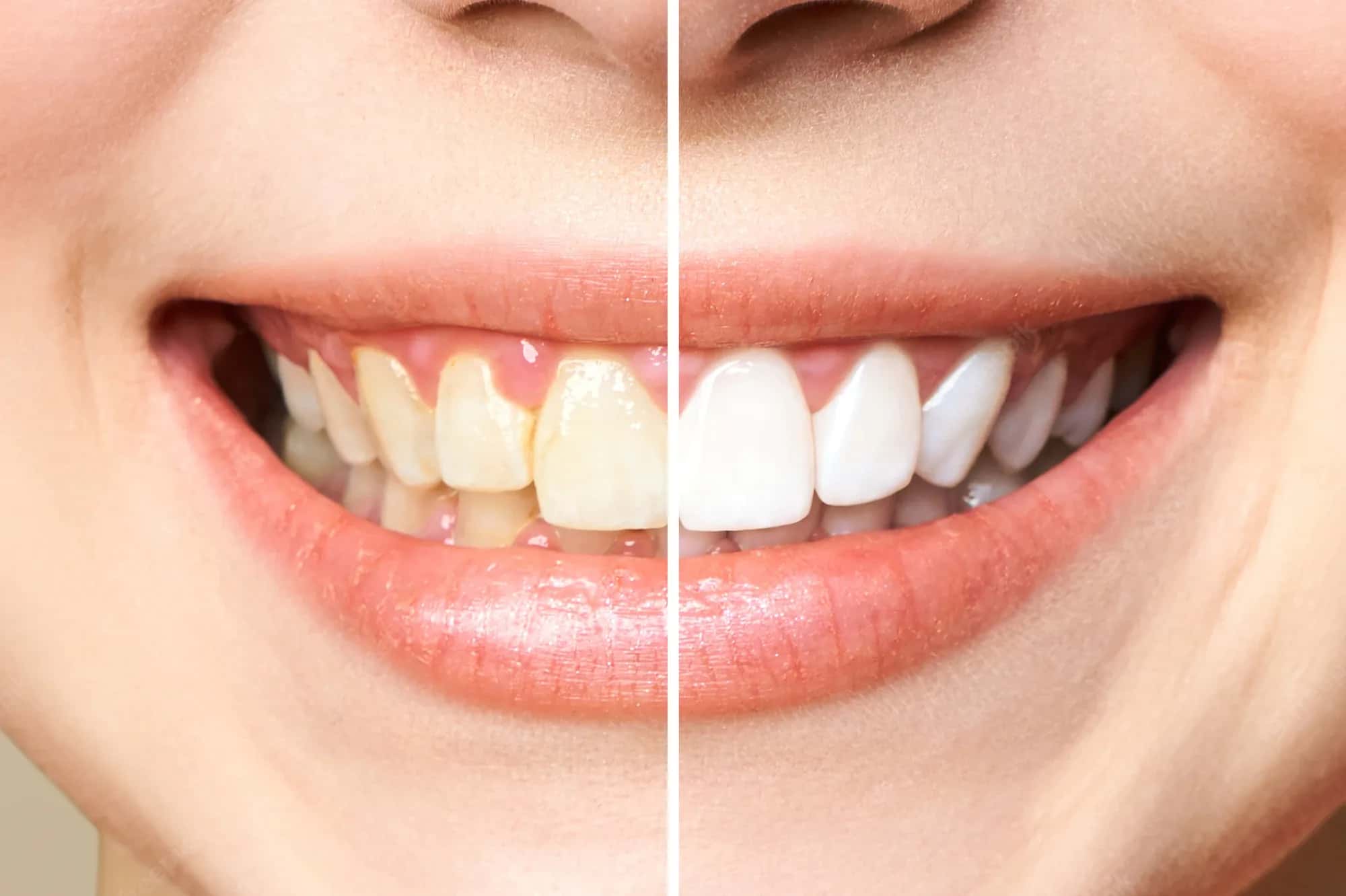
Teeth whitening costs around the world vary substantially, with professional treatment generally costing less in countries such as Turkey, Mexico and India than in the United States or United Kingdom.
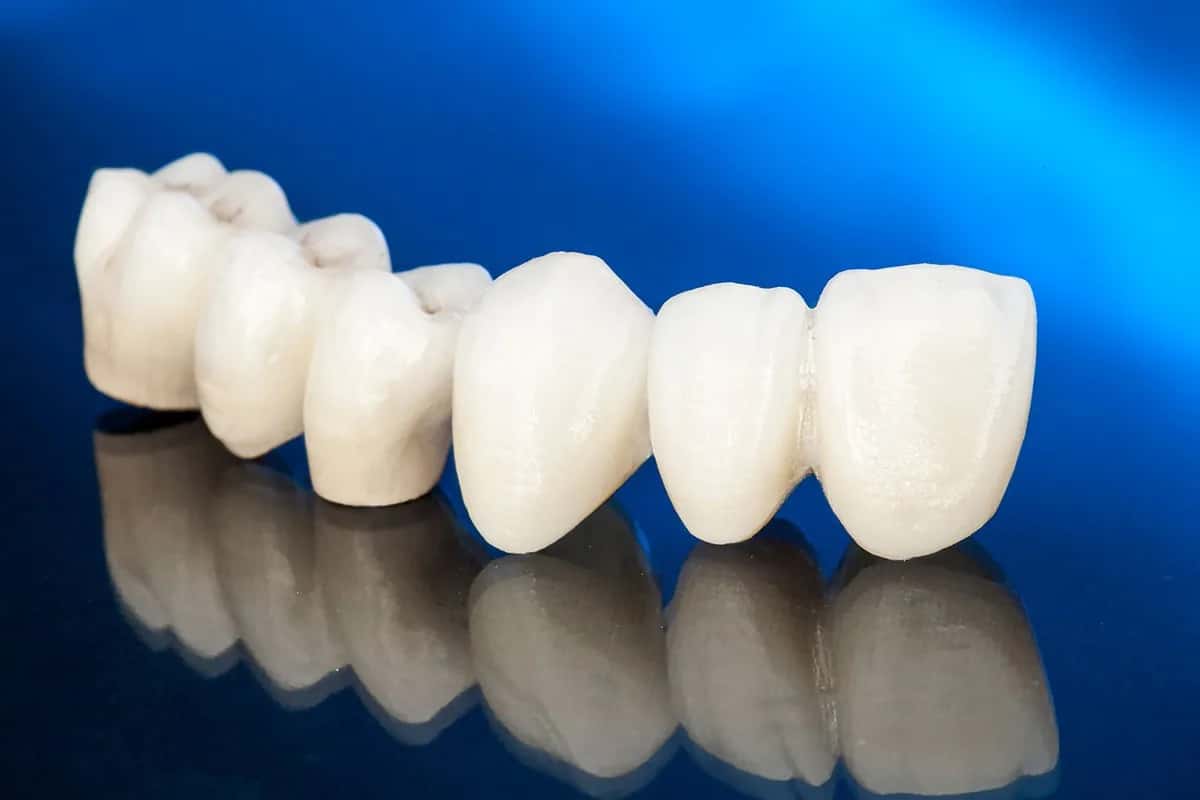
Zirconium crown costs around the world vary significantly, from approximately €180–€400 per tooth in Turkey to $1,000–$2,500 in the United States, based on published 2026 private-treatment prices.
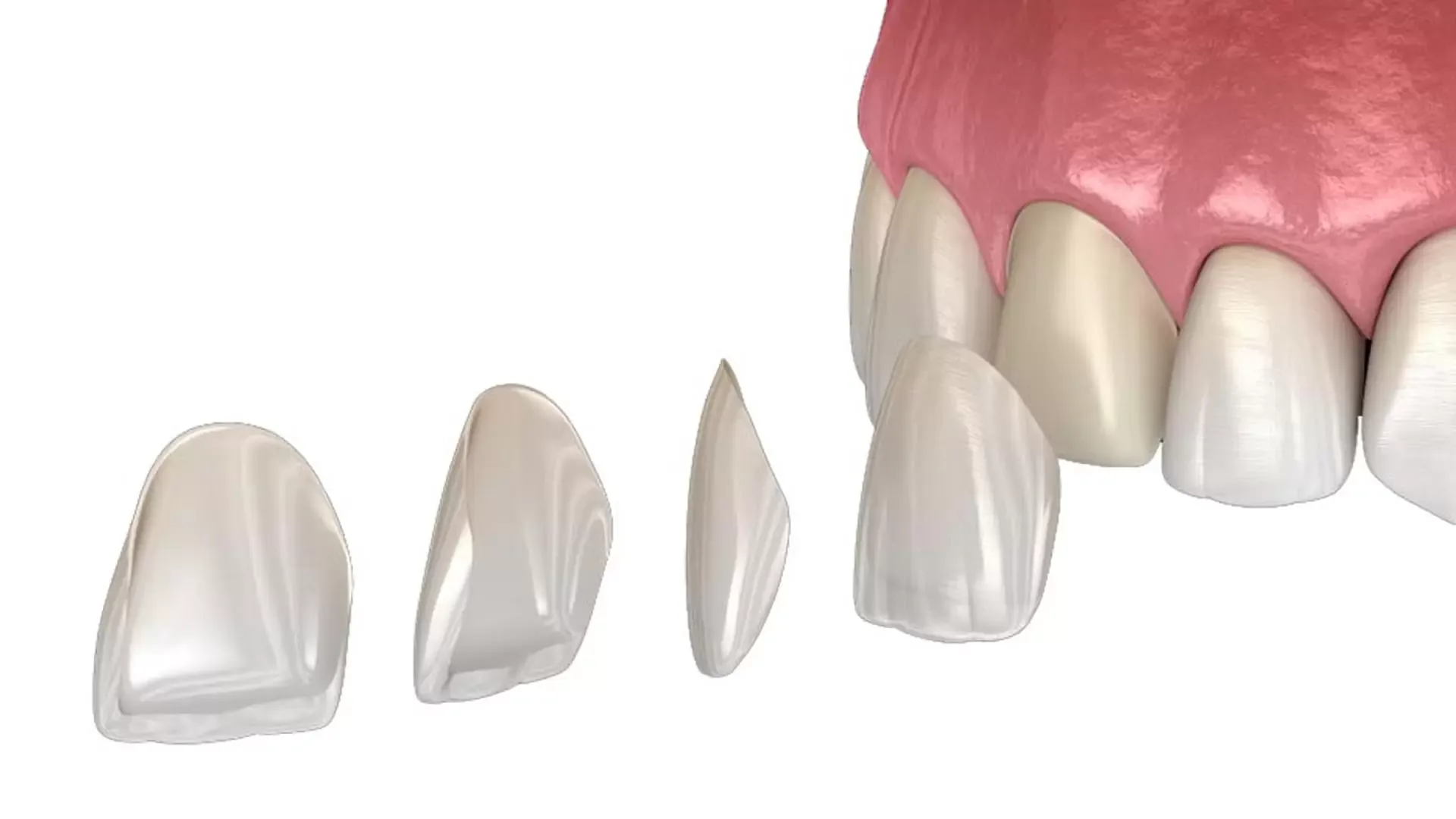
E-Max costs around the world differ significantly, with ceramic veneers and crowns available at lower published prices in countries such as Turkey, Mexico and Hungary than in the United States or United Kingdom.
Subscribe to the Medifinder newsletter and never miss our latest content.