










What Is ParisAline Orthodontic Treatment?
This comprehensive guide explains the mechanics, benefits, daily maintenance, and treatment process of the ParisAline clear aligner system.

- Last updated
- 57 reads
- 7 min read


What Is ParisAline Orthodontic Treatment?
ParisAline is an advanced orthodontic treatment utilizing custom-made transparent plastic trays to gradually straighten misaligned teeth.
These removable aligners provide a highly discreet alternative to traditional metal brackets and wires. The system uses sophisticated three-dimensional imaging technology to map out a precise dental movement plan. Each transparent tray is meticulously engineered to apply targeted pressure to specific teeth at designated times. This continuous gentle force systematically guides the dental arch into its ideal anatomical position. Patients receive a sequential series of these trays designed exclusively for their unique oral structure. The entire restorative journey focuses on improving both aesthetic alignment and functional bite mechanics without drawing unwanted attention.
How Does The ParisAline Aligner System Work?
The ParisAline system works by applying constant, calculated micro-forces to shift teeth incrementally into precise predetermined positions.
Each individual tray within the provided series represents a slightly different stage of the desired dental arch shape. When a patient inserts a new tray, the rigid plastic actively pushes against the current position of the teeth. This sustained biomechanical pressure stimulates the underlying periodontal ligament and surrounding jawbone to remodel gradually. The bone gently dissolves in the direction of the movement and rebuilds behind the moving root. Advancing to the next tray in the scheduled sequence continues this biological remodeling process. The sequence concludes when the final desired occlusal harmony is successfully established.
What Are The Main Benefits Of Using ParisAline?
The primary advantages of utilizing the ParisAline system include aesthetic discretion, enhanced oral hygiene, and superior daily comfort.
- Transparent plastic material makes the appliance virtually invisible during normal social interactions.
- Completely removable trays allow patients to eat any food without physical restrictions.
- The absence of metal brackets prevents painful soft tissue abrasions inside the mouth.
- Brushing and flossing routines remain entirely unobstructed, preventing accelerated bacterial plaque accumulation.
- Digital treatment mapping provides patients with an accurate visual preview of their final smile.
- Smooth edges on the aligners ensure a highly comfortable fit against the delicate gums.
How Long Does ParisAline Treatment Usually Take?
A complete ParisAline treatment usually takes between six and eighteen months to achieve final structural alignment.
The total timeline relies entirely on the biological complexity of the initial dental malocclusion. Minor cosmetic corrections involving only the front teeth frequently resolve within the shorter six-month timeframe. Severe crowding or complex bite relationship issues naturally demand a significantly longer series of aligners. Consistent patient compliance directly influences the speed and accuracy of these biological movements. Failing to wear the trays for the required daily duration stalls the remodeling process and extends the overall calendar significantly. Following the exact scheduled tray sequence guarantees the most efficient timeline possible.
Are ParisAline Clear Aligners Noticeable During Daily Wear?
ParisAline clear aligners remain virtually undetectable during daily wear due to their transparent medical-grade thermoplastic construction.
The custom-molded material fits completely flush against the natural contours of the dental anatomy. Observers standing at a normal conversational distance typically cannot see the appliance covering the teeth. The plastic features a specialized matte finish designed specifically to prevent unnatural light reflection. This optical property mimics the natural light absorption of biological dental enamel perfectly. Small tooth-colored composite attachments might be added to certain teeth to assist complex movements. Even with these functional attachments, the overall aesthetic profile remains exceptionally subtle and highly discreet.
How Many Hours A Day Should You Wear ParisAline?
Patients must wear their ParisAline trays for twenty-two hours every single day to guarantee continuous and effective tooth movement.
The appliance should only be removed for eating meals, drinking anything other than plain water, and performing oral hygiene. Teeth possess a strong natural tendency to shift back toward their original positions when pressure is released. Removing the trays for extended periods allows this undesirable relapse to occur almost immediately. This continuous application of gentle force is mechanically necessary to stimulate healthy bone remodeling. Adhering strictly to this twenty-two-hour rule ensures the treatment progresses accurately according to the initial digital simulation.
Does Wearing ParisAline Cause Discomfort Or Pain?
Wearing ParisAline causes mild, temporary pressure rather than severe pain, especially during the first few days of a new tray.
This dull aching sensation simply indicates that the aligner is actively and successfully moving the dental roots. The initial tightness subsides quickly as the periodontal ligaments adjust to the new mechanical boundaries. The smooth thermoplastic edges completely eliminate the sharp, tearing pain typically associated with broken metal wires. Over-the-counter pain relievers effectively manage any minor soreness experienced during the initial adaptation phase. The overall physical experience remains significantly more comfortable than traditional fixed orthodontic methods.
How Do You Clean And Maintain ParisAline Trays?
You maintain ParisAline trays by brushing them gently with a soft toothbrush and rinsing them thoroughly in lukewarm water.
Hot water must be strictly avoided because high temperatures will permanently warp and distort the precise plastic structure. Mild clear antibacterial soap serves as an excellent daily cleaning agent to remove invisible bacterial biofilms. Abrasive colored toothpastes can easily create micro-scratches on the surface, causing the transparent material to look cloudy. Soaking the appliance in specialized aligner cleaning crystals weekly helps eliminate stubborn protein deposits completely. Maintaining pristine trays prevents bad breath and ensures the plastic remains invisible against the teeth.
What Dental Issues Can ParisAline Effectively Correct?
ParisAline effectively corrects mild to moderate crowding, visible gaps, overbites, underbites, and minor crossbite misalignments.
The system excels at resolving aesthetic spacing issues and rotating individual teeth into their proper axial positions. Mild vertical bite discrepancies also respond very well to this continuous directional pressure. However, severe skeletal jaw deformities or extreme vertical impactions often exceed the mechanical capabilities of removable plastic trays. The specialized software calculates exact movement trajectories for a wide spectrum of functional malocclusions. Correcting these structural issues improves both facial aesthetics and long-term periodontal health simultaneously.
How Does Eating Work While Undergoing ParisAline Treatment?
Eating during ParisAline treatment requires patients to remove the aligner trays completely before consuming any type of food.
This simple removal process means there are absolutely no dietary restrictions throughout the entire restorative journey. Chewing food with the trays inside the mouth will immediately crack or deform the delicate thermoplastic material. Additionally, consuming pigmented foods or hot beverages while wearing them causes severe permanent staining. Patients must brush their teeth thoroughly after every meal before snapping the clean aligners back into place. This strict routine prevents destructive sugars and acids from becoming trapped securely against the vulnerable tooth enamel.
What Materials Are Used To Manufacture ParisAline Aligners?
ParisAline aligners are manufactured using a proprietary, BPA-free medical-grade polyurethane resin formulated specifically for sustained oral use.
This advanced polymer blend offers the perfect balance of rigid structural memory and comfortable flexibility. The material is biologically inert, meaning it will not cause allergic reactions or release toxic chemicals into the saliva. Its highly specialized molecular structure resists cracking and tearing under normal daily biting forces. The transparent resin retains its high optical clarity for the entire duration of a standard two-week wear cycle. This precise engineering guarantees a safe, durable, and aesthetically superior orthodontic appliance.
How Frequently Are New ParisAline Trays Swapped Out?
Patients swap out their current ParisAline trays for the next set in the sequence every ten to fourteen days.
This specific interval allows the teeth and surrounding bone tissue sufficient biological time to adapt to the new position. Moving to a new tray too early can severely damage the tooth roots and compromise the surrounding alveolar bone. Waiting too long unnecessarily extends the total treatment calendar without providing any additional alignment benefits. Each successive tray represents a new microscopic shift toward the final architectural goal. Maintaining this precise schedule ensures safe, predictable, and continuous dental arch remodeling.
How Does The Initial ParisAline Assessment Process Function?
The initial ParisAline assessment functions by utilizing a digital intraoral scanner to capture a highly accurate three-dimensional topographical map.
This rapid digital impression captures the exact geometry of every single tooth and the surrounding gingival margins. The specialized computer software analyzes this specific data to generate a comprehensive step-by-step biological movement simulation. Patients can visually review their projected final smile on a monitor before officially committing to the manufacturing phase. Once approved, the digital files are transmitted directly to the fabrication laboratory to produce the entire custom series. This advanced diagnostic phase completely eliminates the need for uncomfortable physical putty impressions.
What Is Required After Completing The ParisAline Process?
After completing the ParisAline process, patients must wear custom-fabricated retainers to prevent their teeth from shifting back into misalignment.
The biological fibers surrounding the newly moved tooth roots behave like microscopic elastic bands that want to retract. Without immediate and consistent retention, a rapid orthodontic relapse will undoubtedly ruin the achieved aesthetic results. Patients typically wear these clear retainers full-time for several months immediately following the active alignment phase. Eventually, the retention schedule transitions to nighttime wear only to maintain the perfect architectural harmony permanently. Protecting the final investment requires a lifelong commitment to wearing these protective retention appliances nightly.
How Does ParisAline Affect Speech Pronunciation?
ParisAline temporarily affects speech pronunciation by causing a very slight lisp during the first few days of initial wear.
The tongue normally rests flat against the backside of the upper anterior teeth when forming specific phonetic sounds. Introducing a thin layer of plastic slightly alters the familiar spatial boundaries inside the oral cavity. The brain and tongue muscles naturally require a brief period to adapt to this new physical dimension. Reading a book aloud helps accelerate this neuromuscular adjustment, resolving any phonetic issues rapidly. After this short biological adaptation phase, completely normal and clear articulation returns fully.
- Last updated
- Language
- English
How did you find this article?
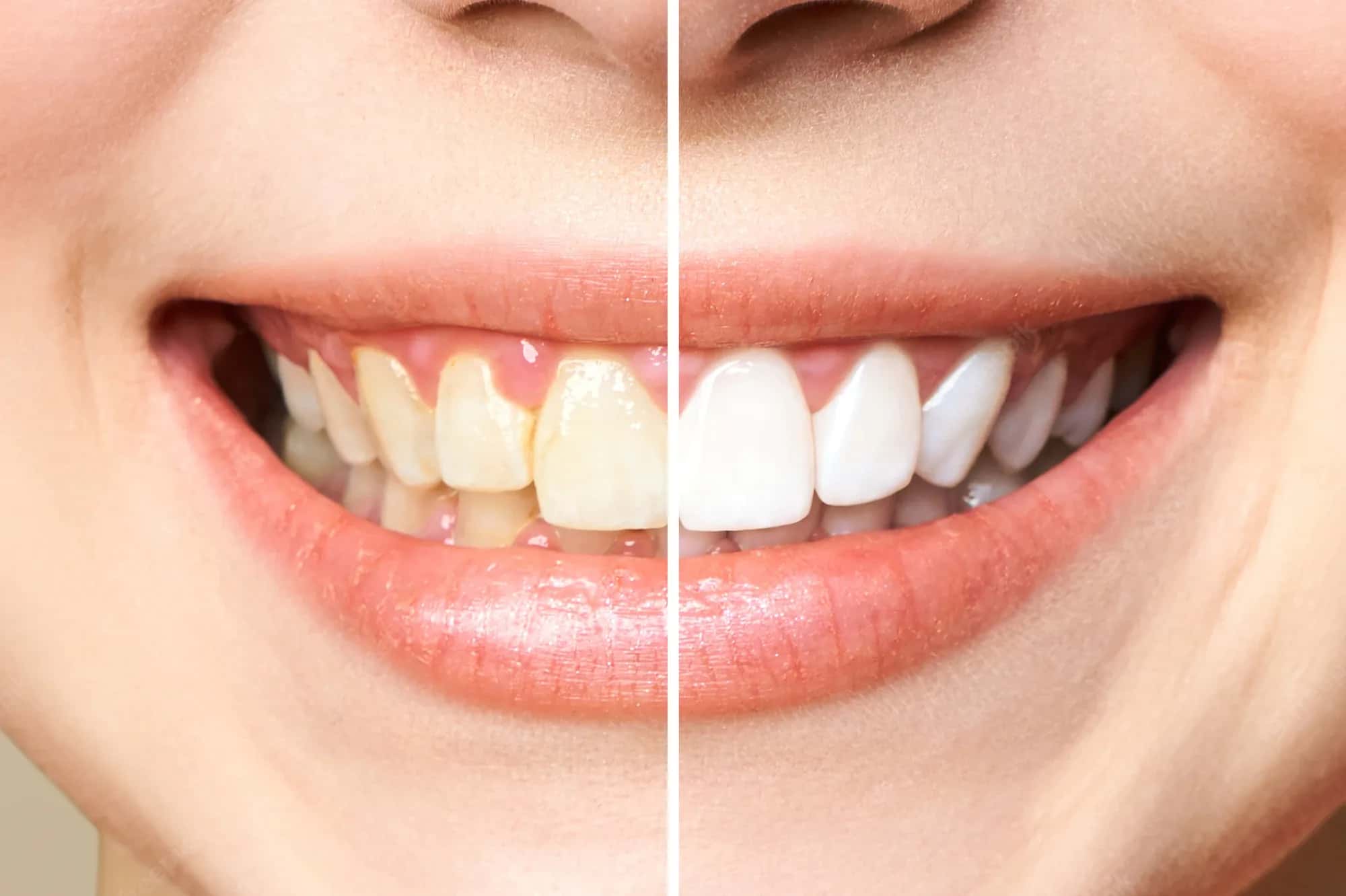
Teeth whitening costs around the world vary substantially, with professional treatment generally costing less in countries such as Turkey, Mexico and India than in the United States or United Kingdom.
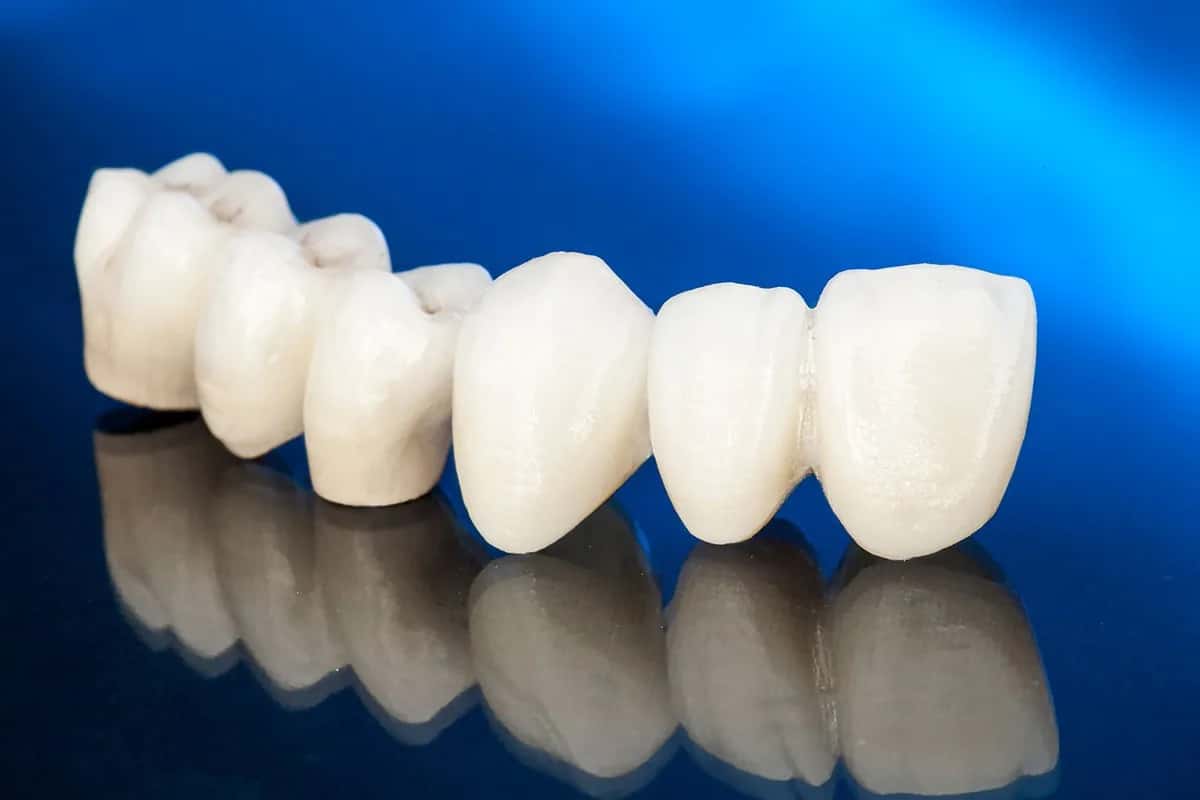
Zirconium crown costs around the world vary significantly, from approximately €180–€400 per tooth in Turkey to $1,000–$2,500 in the United States, based on published 2026 private-treatment prices.
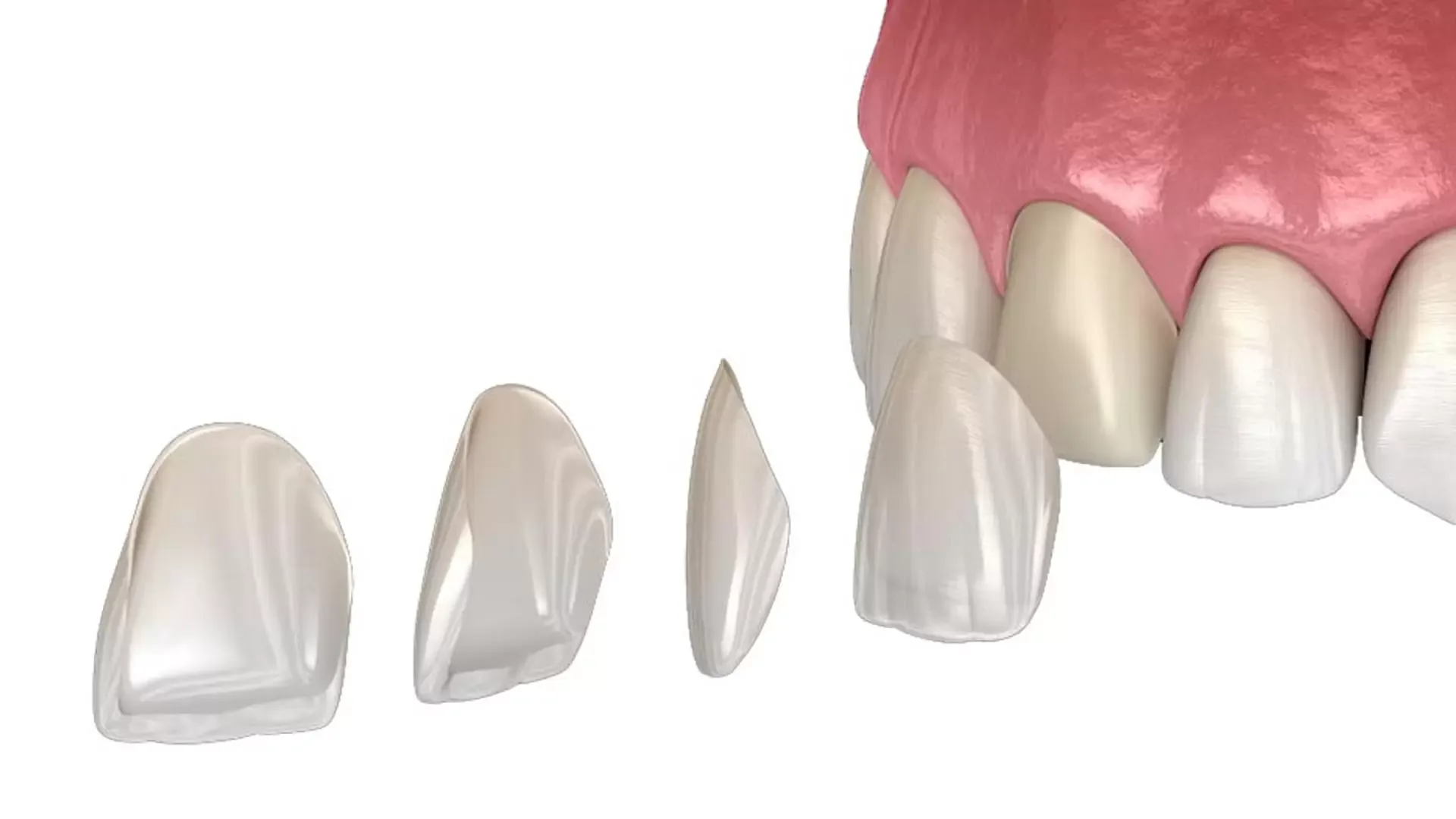
E-Max costs around the world differ significantly, with ceramic veneers and crowns available at lower published prices in countries such as Turkey, Mexico and Hungary than in the United States or United Kingdom.
Subscribe to the Medifinder newsletter and never miss our latest content.