










Nose Filler Costs Around the World
This guide compares nose filler costs across major international markets in 2026 and explains how treatment volume, nasal anatomy, product choice, maintenance, and safety affect the real price.

- Last updated
- 83 reads
- 11 min read



How Much Does Nose Filler Cost Around the World?
Nose filler costs range from relatively inexpensive treatments in some Asian and Latin American markets to four-figure prices in countries such as the United States, Canada, Australia, and Singapore.
A practical 2026 comparison shows the scale of that difference:
-
United States: commonly around $600 to $2,500, with a national average estimate near $1,456
-
United Kingdom: approximately £350 to £750 for many liquid rhinoplasty sessions
-
Turkey: published 2026 pricing commonly begins around ₺12,000 for limited treatment and rises with more extensive nasal filling
-
Australia: approximately A$1,020 to A$2,100 in one current market benchmark
-
Canada: roughly C$700 to C$1,500 in Toronto, with C$900 representing one current full treatment price
-
Dubai: many comparable filler prices fall around AED 1,200 to AED 4,000
-
Germany: approximately €399 to €700 per liquid nose treatment
-
South Korea: around ₩100,000 to ₩460,000 for many one-cc filler options, with nose-specific patient-reported prices sometimes lower
-
Brazil: approximately R$1,500 to R$3,500 for common hyaluronic acid rhinoplasty treatments
-
Singapore: approximately SGD 1,500 to SGD 2,500 for non-surgical nose reshaping
These figures work best as current planning ranges rather than interchangeable treatment packages.
Why Do Nose Filler Prices Differ Between Countries?
Nose filler pricing differs internationally because the same treatment sits inside very different healthcare economies, product distribution systems, tax structures, staffing costs, and aesthetic markets.
Volume also changes the comparison substantially. A small radix correction requiring around 0.5 ml should not be compared directly with a more extensive treatment involving the bridge, tip, and columella.
Imported filler products can cost considerably more in one market than domestically manufactured products in another. South Korea demonstrates this clearly, where locally produced one-cc fillers can cost far less than imported hyaluronic acid formulations.
How Much Does Nose Filler Cost in the United States?
Nose filler in the United States commonly costs around $600 to $2,500 per treatment, although published ranges can extend substantially higher in premium markets or complex cases. One current national estimate places the average around $1,456.
A separate patient-reported dataset places the average close to $1,417, with reported prices between $610 and $3,500.
Location also changes pricing within the country. Current examples include a one-millilitre liquid nose treatment around $850 in New York, while other published US treatments begin closer to $1,200.
How Much Does Nose Filler Cost in the United Kingdom?
Nose filler in the United Kingdom commonly sits around £350 to £750 per session when discussing a standard non-surgical rhinoplasty rather than surgical nose reshaping.
The lower end of the market can fall below this range, particularly for limited tip treatments or lower-cost one-millilitre services. Current published examples show how wide the British market can be.
A price comparison should therefore identify whether the quote covers a small tip adjustment, a complete liquid rhinoplasty, or a follow-up treatment. The procedure name alone does not reveal how much filler or how many nasal points the treatment includes.
How Much Does Nose Filler Cost in Turkey?
Nose filler in Turkey covers a wide price range, with current 2026 published examples beginning around ₺12,000 to ₺22,000 for smaller 0.5 ml treatments and increasing as the treatment becomes more extensive. One-millilitre nasal plans can move beyond ₺20,000.
Turkey can still appear financially attractive to international patients, particularly when compared with higher-priced North American markets. However, the cost advantage becomes less straightforward when airfare, accommodation, local transport, and possible follow-up travel are added.
For a procedure requiring a relatively small amount of filler, travelling internationally solely to reduce the injection fee may not always create meaningful overall savings.
How Much Does Nose Filler Cost in Australia?
Australian nose filler pricing can reach roughly A$1,020 to A$2,100 for a local liquid rhinoplasty according to a current 2026 international cost benchmark.
This places nose filler notably above standard lip filler pricing in the same market. The difference makes sense because nasal treatment requires highly controlled placement and involves a region with greater vascular risk.
The amount used is often relatively modest compared with jawline or cheek treatments, yet treatment cost does not necessarily follow volume alone. A small quantity placed in the nose carries different technical and safety considerations from the same quantity used in a lower-risk facial area.
How Much Does Nose Filler Cost in Canada?
Canadian nose filler pricing can be illustrated through Toronto, where current liquid rhinoplasty treatments commonly fall around C$700 to C$1,500. One published full nose treatment using approximately 0.5 to 1 ml is priced at C$900.
That makes nasal filler more expensive than some standard single-area filler treatments in the same city.
For Canadian patients comparing overseas prices, the savings should be calculated against the full travel cost rather than the filler fee alone. A second trip can become necessary if a later adjustment or in-person assessment is required, which can quickly change the financial advantage.
How Much Does Nose Filler Cost in Dubai and the UAE?
Nose filler prices in Dubai span a particularly wide market, although many comparable 2026 treatments sit around AED 1,200 to AED 4,000. Current one-syringe and one-millilitre listings include figures around AED 900, AED 1,500, and AED 2,849.
More comprehensive non-surgical nose treatments may be positioned substantially higher, so the charging basis matters.
A price advertised per area cannot automatically be compared with a per-syringe price. Before deciding that one option is dramatically cheaper, the patient needs to know the amount of filler included and whether the entire nose or only one feature is being treated.
How Much Does Nose Filler Cost in Germany?
Germany offers a relatively compact published price range for standard hyaluronic acid liquid rhinoplasty, with 2026 estimates around €399 to €700 per session.
This commonly covers treatments aimed at visually smoothing a hump, supporting the tip, or balancing mild asymmetry without surgery. More general hyaluronic acid treatment prices across German-speaking markets extend considerably wider when other facial areas and larger volumes are included.
The price should always be interpreted according to the actual procedure. A limited bridge correction requires a different product distribution from a treatment involving radix, bridge, tip, and other structural points.
How Much Does Nose Filler Cost in South Korea?
South Korea can offer some of the lowest nose filler prices among major aesthetic markets because domestic filler products create a significantly different pricing structure. One-cc Korean fillers can sit around ₩100,000 to ₩220,000, while imported alternatives may reach approximately ₩340,000 to ₩460,000.
Nose-specific patient data also shows low reported treatment costs, although the figures differ depending on whether advertised, listed, or actually paid prices are compared.
This market demonstrates why international price comparisons should identify the filler category. A domestic product and a premium imported product cannot be assumed to represent identical cost structures.
How Much Does Nose Filler Cost in Brazil?
Nose filler in Brazil commonly costs around R$1,500 to R$3,500 for hyaluronic acid treatments involving approximately one to two millilitres, while more extensive structured reshaping can reach around R$2,500 to R$6,000.
The distinction between simple filling and more extensive rhinoplasty-style contouring matters when comparing Brazil with other markets.
A person requiring only a small bridge correction sits at a different end of the treatment spectrum from someone seeking adjustments at multiple nasal points. Comparing both using a single national average can therefore create the wrong impression about the real cost.
How Much Does Nose Filler Cost in Singapore?
Non-surgical nose reshaping in Singapore can cost around SGD 1,500 to SGD 2,500 according to current 2026 pricing for filler or related non-surgical techniques.
That places Singapore toward the higher end of many Asian markets, particularly when compared with domestic filler pricing in South Korea.
The headline cost can still remain considerably below surgical rhinoplasty, but the two treatments should not be treated as direct substitutes. Nose filler adds material to camouflage or reshape selected areas, while surgery can remove, reduce, reposition, or structurally reconstruct nasal tissues.
Is Nose Filler Priced Per Syringe or Per Treatment?
Nose filler can be priced per syringe, per millilitre, per anatomical area, or as one complete liquid rhinoplasty treatment, so identical-looking prices may describe completely different services.
Three details make the comparison clearer:
-
Confirm whether the price covers 0.5 ml, 1 ml, or another amount
-
Check whether the quote treats the full nose or only the tip, bridge, or radix
-
Determine whether consultation, follow-up, and possible adjustment are included
Dubai pricing demonstrates this problem particularly well, with current listings separated into per-area, per-syringe, and whole-treatment categories because those prices are not directly comparable.
Does 0.5 ml Cost Much Less Than 1 ml?
A 0.5 ml nose filler treatment does not necessarily cost half as much as a one-millilitre treatment because product volume represents only one part of the appointment. Assessment, preparation, sterile equipment, treatment time, and follow-up remain necessary.
The smaller amount may suit limited radix or tip refinement, while a complete bridge and tip plan can require more material.
Turkey provides a useful example, where published 2026 pricing for 0.5 ml and one-millilitre treatments does not follow a simple doubling formula.
The most useful quote therefore states both the total cost and the volume intended for the procedure.
What Can Nose Filler Actually Change?
Nose filler can add controlled volume to selected areas, allowing a practitioner to visually straighten a bridge, camouflage a dorsal hump, support a low radix, improve minor asymmetry, or change the appearance of the tip.
It works by adding rather than removing tissue. This distinction matters because a smoother profile can sometimes make the nose appear more balanced even though its physical volume has increased.
The expected change should therefore be defined before comparing prices. Someone seeking a tiny profile correction and someone seeking extensive multi-point reshaping are purchasing different treatment plans even when both services carry the liquid rhinoplasty label.
Can Nose Filler Make the Nose Smaller?
Nose filler cannot physically make the nose smaller because an injectable filler adds volume rather than removing bone, cartilage, skin, or soft tissue. It can instead change proportions so certain features appear less obvious.
Filling above and below a dorsal hump, for example, can create the impression of a straighter bridge. Supporting selected areas may also change how the nose looks from the side.
Someone primarily seeking reduction of a large nose, major tip narrowing, substantial structural correction, or breathing improvement is considering a different type of treatment. Paying for increasing amounts of filler cannot reproduce the structural changes available through surgery.
Does Filler Product Choice Affect Nose Filler Cost?
Product choice can affect nose filler cost because fillers differ in manufacturing origin, structural properties, distribution costs, and market positioning. The nose generally requires a product capable of creating controlled structural support rather than very soft superficial volume.
South Korean pricing illustrates how large this difference can become. Domestic hyaluronic acid filler may cost around ₩100,000 to ₩220,000 per cc, while imported formulations can reach approximately ₩340,000 to ₩460,000.
A higher product price does not automatically create a better contour. The relevant question is whether the material suits the anatomical objective and can be managed appropriately if complications occur.
Is Nose Filler After Rhinoplasty More Expensive?
Nose filler after previous surgical rhinoplasty can require a more cautious and detailed assessment because surgery may alter tissue planes, scarring, blood supply, and normal anatomy. The treatment plan can therefore become more complex than a first-time filler procedure.
That complexity may influence the total cost when additional assessment or staged correction is needed.
Price should not be the first consideration in this situation. Previous surgery changes the risk discussion, and the desired correction may sometimes be better addressed through surgical revision rather than repeatedly adding filler to an already altered nose.
A full history of previous procedures should therefore be disclosed before treatment.
Is Traveling Abroad for Nose Filler Worth the Cost Difference?
Travelling abroad purely for nose filler makes financial sense only when the total trip cost remains meaningfully below local treatment and adequate follow-up remains accessible.
A lower injection fee can become less impressive after adding:
-
Return flights
-
Accommodation
-
Airport and local transport
-
Meals and travel expenses
-
Time away from work
-
Follow-up after returning home
-
Potential filler correction
-
A second trip if an in-person review becomes necessary
-
Currency conversion and payment fees
Current international benchmarks show that travel can erase much of the price difference for a small injectable treatment, particularly when the destination requires a long flight.
What Should Be Included When Comparing Nose Filler Prices?
A meaningful nose filler comparison should describe the complete treatment rather than showing one number beside a country name. Price becomes useful only when the underlying service is comparable.
The amount of filler, treatment areas, filler type, consultation, follow-up, correction policy, and whether previous filler needs dissolving can all alter the final cost.
Hyaluronic acid is particularly relevant because it can be broken down with hyaluronidase when medically appropriate, although dissolving itself may involve additional cost and does not eliminate every possible complication.
Patients should also establish how urgent concerns will be managed before treatment rather than trying to arrange that pathway after a problem develops.
How Much Does Nose Filler Maintenance Cost Over Time?
The long-term cost of nose filler can become considerably higher than the first appointment because hyaluronic acid filler is temporary and maintaining the same appearance may require repeat treatment.
Someone paying around $1,000 to $1,500 for a treatment may spend several times that amount over a period of years if they continue regular maintenance. The exact timing of repeat treatment should follow actual loss of effect rather than a rigid calendar.
This long-term calculation becomes especially relevant when comparing filler with surgical rhinoplasty. Filler has a lower initial financial commitment, while repeated maintenance gradually changes the overall cost equation.
Why Is Safety Especially Important with Nose Filler?
Nose filler deserves greater safety attention than an ordinary beauty purchase because accidental injection into a blood vessel can block circulation and cause serious complications, including tissue necrosis, visual injury, blindness, or stroke. The nasal region is among the facial areas repeatedly associated with visual complications.
Emergency warning signs include unusual severe pain, skin blanching or abnormal discoloration, sudden visual disturbance, and neurological symptoms. These require immediate medical assessment rather than waiting for a routine follow-up.
In the United States, filler injection into the nose is not an approved anatomical use, which is another important distinction when interpreting treatment marketing and cost.
The cheapest international price therefore cannot be evaluated separately from product traceability, medical qualifications, emergency planning, and access to prompt follow-up.
- Last updated
- Language
- English
How did you find this article?
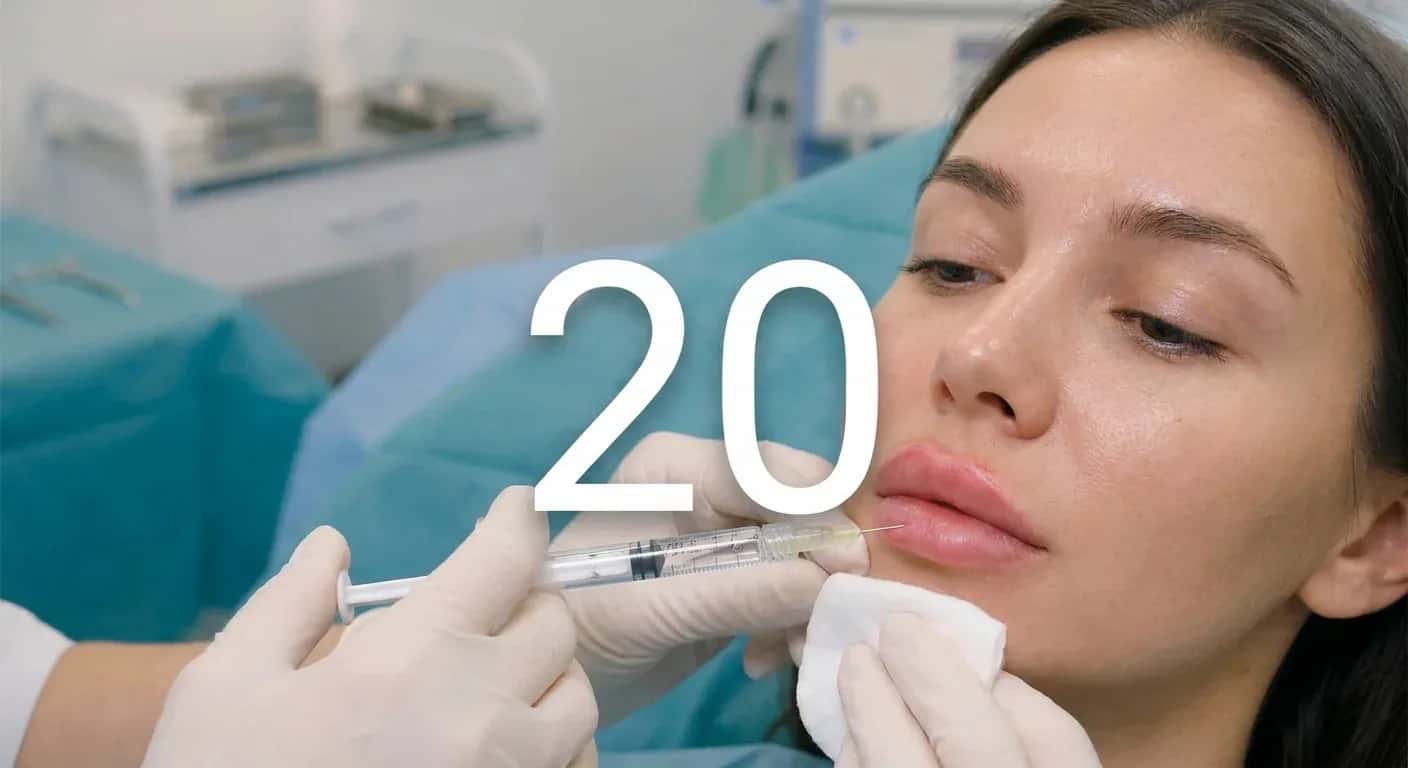
Many singers, actors, reality stars and influencers have talked openly about getting lip filler, and a growing number have also shared why they later had it dissolved. This guide looks at what 20 of these public figures said about their own lip treatments and what their experiences can teach anyone considering filler.

Filler fatigue describes the point where repeated dermal filler treatments leave a face looking heavier, puffier or less like itself, and it is pushing many people to rethink how they approach injectables. This guide explains what causes it, how to recognize an overfilled face.


Overfilled faces develop when injectable treatments add more volume than the facial anatomy can accommodate naturally, altering contours, proportions and sometimes facial expression.
Subscribe to the Medifinder newsletter and never miss our latest content.