










Nose Filler
Nose filler temporarily reshapes the nose by adding injectable material beneath selected areas. It can camouflage a dorsal hump, raise a low bridge, or refine tip projection. It cannot reduce nasal tissue, narrow bones, or correct breathing problems.

- Last updated
- 141 reads
- 6 min read



What Is Nose Filler?
Nose filler is a nonsurgical procedure that adds volume to reshape selected nasal contours.
Clinicians usually inject small amounts along the bridge, radix, tip, or columella. Added volume changes light reflection and creates a straighter profile. It does not remove cartilage, bone, skin, or internal airway tissue. The procedure often uses local numbing and requires less recovery than surgery. However, nonsurgical does not mean low-risk or medically simple. The nose contains vessels connected with circulation supplying the eyes. Therefore, treatment requires advanced facial anatomy knowledge and rapid complication management.
What Changes Can Nose Filler Actually Make?
Nose filler can camouflage mild contour irregularities, but it cannot correct every nasal concern.
Strategic volume may smooth the appearance of a small dorsal hump. It can raise a low radix or create a more continuous bridge line. Careful tip support may improve projection or apparent rotation. Small depressions and selected postoperative irregularities may also become less noticeable. However, adding filler can increase total nasal volume. Large humps, major deviation, severe asymmetry, and structural collapse usually need surgical assessment. Realistic treatment planning should separate visual camouflage from true anatomical correction.
Can Nose Filler Make the Nose Smaller or Improve Breathing?
Nose filler cannot physically make the nose smaller or correct nasal obstruction.
It creates optical balance by adding volume around a prominence. A straighter profile may make a hump appear less dominant. However, the underlying bone and cartilage remain unchanged. Filler also cannot repair a deviated septum, narrow valve, or collapsed airway. Adding product near compromised structures may create unwanted pressure or bulk. People seeking size reduction or breathing improvement need surgical evaluation. A qualified clinician should examine functional symptoms before discussing cosmetic injections.
Is Nose Filler FDA-Approved?
No dermal filler currently has FDA approval for injection into the nose in the United States.
The FDA specifically lists nasal injection among unapproved filler uses. It also recommends against injections in the nose, glabella, forehead, and around the eyes. This status differs from approved indications involving lips, cheeks, chin, jawline, or certain facial folds. Off-label treatment can occur legally within medical practice. However, FDA-reviewed evidence does not establish nasal safety or effectiveness for those products. Patients should receive clear consent explaining this regulatory distinction and the site-specific risks.
Which Type of Filler Is Usually Preferred for the Nose?
Hyaluronic acid filler is generally preferred because clinicians can dissolve it with hyaluronidase.
This reversibility provides an important option for excess product or certain vascular complications. However, dissolution does not guarantee recovery after vision loss or prolonged tissue ischemia. Hyaluronidase also cannot dissolve calcium hydroxylapatite, silicone, or other non-hyaluronic materials. Product firmness, concentration, and tissue integration differ between formulations. No filler becomes automatically safe because it contains hyaluronic acid. Clinicians must match product properties, injection depth, anatomy, and correction goals carefully.
How Long Does Nose Filler Last, and What Is Recovery Like?
Nose filler usually remains visible for eight to twelve months, while early swelling often improves within days.
A literature review found this duration across several hyaluronic acid studies. Some noses retain correction longer because nasal tissues move less than lips. Product type, dose, depth, metabolism, and repeat treatment affect persistence. Temporary redness, tenderness, bruising, or swelling can follow injection. Initial shape may therefore differ from the settled result. Visible change can fade unevenly as filler gradually degrades. Providers should review previous product before adding more volume.
Why Is the Nose a High-Risk Filler Area?
The nose is high-risk because its vessels connect with circulation supplying the eyes and central nervous system.
Filler can enter an artery or compress nearby blood flow. Backward movement under injection pressure may carry material toward ophthalmic circulation. Possible outcomes include skin ischemia, necrosis, vision loss, and stroke. A 2024 systematic review reported serious vascular complications reaching 0.27% across included evidence. That estimate reflects varied studies and cannot predict one clinic’s exact risk. Even rare complications matter because damage can become permanent. Careful technique reduces risk but cannot eliminate it.
Which Warning Signs Require Emergency Care After Nose Filler?
Sudden pain, blanching, discoloration, vision changes, or neurological symptoms require emergency action after nose filler.
-
Severe or increasing pain may signal interrupted blood flow.
-
White, grey, blue, or net-like purple skin requires urgent assessment.
-
Cool skin, blisters, or delayed capillary refill may indicate ischemia.
-
Blurred vision, eye pain, drooping, or vision loss needs immediate emergency care.
-
Weakness, confusion, speech difficulty, or severe headache may indicate neurological injury.
Patients should not wait for swelling to settle when these symptoms appear. Contact emergency services and the injector immediately. Treatment delays can reduce the chance of tissue recovery.
Can Ultrasound Make Nose Filler Safer?
Ultrasound can improve anatomical assessment and treatment guidance, but it cannot make nose filler risk-free.
High-frequency imaging can locate vessels, previous filler, and altered tissue planes. Color Doppler can show blood flow before or during selected injections. Ultrasound can also guide hyaluronidase toward an identified hyaluronic acid deposit. A 2025 review found faster treatment produced better ischemia outcomes than delayed intervention. However, imaging quality depends on equipment, training, and real-time interpretation. It cannot replace conservative dosing, anatomical expertise, or emergency protocols. Patients should ask whether ultrasound supports assessment or merely appears in marketing.
Is Nose Filler Riskier After Surgical Rhinoplasty?
Nose filler after rhinoplasty requires extra caution because surgery can alter vessels, tissue planes, and skin mobility.
Scar tissue may make filler placement less predictable. A tight soft-tissue envelope can also increase pressure and visible irregularity. Previous grafts or structural changes may obscure the safest injection plane. Filler can camouflage selected postoperative depressions without correcting underlying weakness. Repeated camouflage may complicate future revision surgery. Patients should provide operative details and previous injection records whenever available. Complex postoperative noses need clinicians experienced in rhinoplasty anatomy and filler complications.
Who Is a Suitable Candidate for Nose Filler?
Suitable candidates have modest contour goals, healthy nasal tissue, and realistic expectations about temporary results.
They should understand that treatment adds volume rather than reducing nasal structures. People with active infections, inflamed skin, or uncontrolled medical conditions should postpone treatment. Severe deformity, major obstruction, or unrealistic expectations favor surgical consultation. Unknown permanent filler also complicates safe planning. Previous vascular complications require specialist assessment. Postoperative anatomy may require imaging or a rhinoplasty-focused evaluation. A responsible clinician may decline treatment when expected cosmetic benefit does not justify anatomical risk.
What Should Patients Ask Before Getting Nose Filler?
Patients should ask questions that reveal the provider’s training, product choice, and emergency readiness.
-
Is nasal treatment off-label for the proposed filler?
-
Who performs the injection and manages complications?
-
Which product will be used, and can hyaluronidase dissolve it?
-
Is sufficient hyaluronidase immediately available?
-
What happens after vision changes or suspected vascular occlusion?
-
Can ultrasound assess existing filler or postoperative anatomy?
Request sealed product packaging and retain the treatment record. Review comparable results photographed under consistent lighting. Avoid providers promising risk-free, permanent, or guaranteed outcomes.
References
-
FDA, Dermal Fillers: Soft Tissue Fillers
https://www.fda.gov/medical-devices/aesthetic-cosmetic-devices/dermal-fillers-soft-tissue-fillers -
Song D, et al., Nonsurgical Rhinoplasty: An Updated Systematic Review
https://pubmed.ncbi.nlm.nih.gov/38862661/ -
DeVictor S, et al., Complications Secondary to Nonsurgical Rhinoplasty
https://pubmed.ncbi.nlm.nih.gov/33588622/ -
Beneduce N, et al., The Longevity of the Nonsurgical Rhinoplasty
https://pubmed.ncbi.nlm.nih.gov/36280110/ -
Hall SS, et al., Nonsurgical Rhinoplasty
https://pmc.ncbi.nlm.nih.gov/articles/PMC10541163/ -
Vasconcelos-Berg R, et al., Middle Third of the Face, Nose, and Tear Troughs
https://pubmed.ncbi.nlm.nih.gov/39594210/ -
Azizi N, et al., Ultrasound-Guided Hyaluronidase Injections for Filler-Induced Ischemia
https://pubmed.ncbi.nlm.nih.gov/41200269/ -
Wang X, et al., Restylane Lyft for Aesthetic Shaping of the Nasal Dorsum and Radix
https://pubmed.ncbi.nlm.nih.gov/36103665/ -
FDA, Dermal Filler Safety Executive Summary
https://www.fda.gov/media/146870/download -
Khan M, et al., Postoperative Fillers Reduce Revision Rates in Rhinoplasty
https://pmc.ncbi.nlm.nih.gov/articles/PMC10111282/
- Last updated
- Language
- English
How did you find this article?
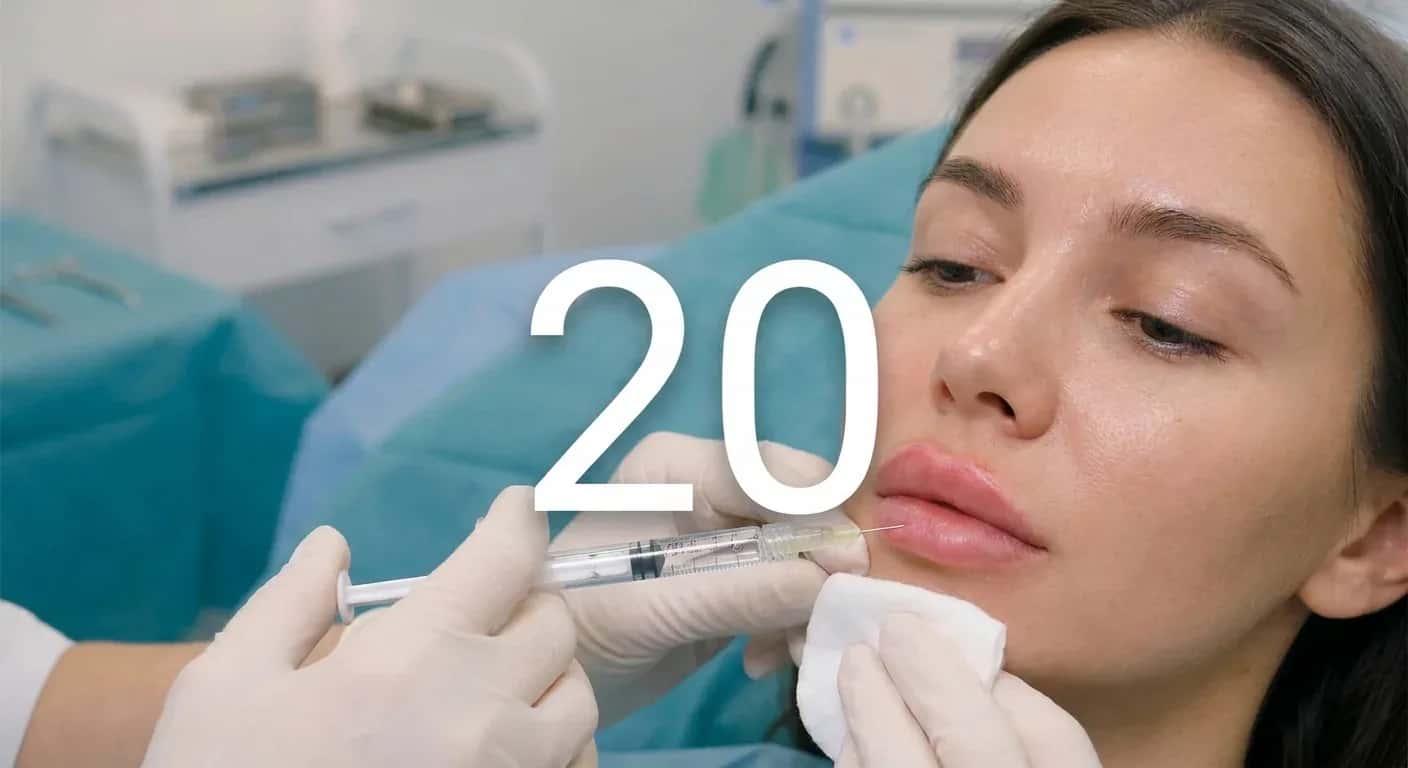
Many singers, actors, reality stars and influencers have talked openly about getting lip filler, and a growing number have also shared why they later had it dissolved. This guide looks at what 20 of these public figures said about their own lip treatments and what their experiences can teach anyone considering filler.


Filler fatigue describes the point where repeated dermal filler treatments leave a face looking heavier, puffier or less like itself, and it is pushing many people to rethink how they approach injectables. This guide explains what causes it, how to recognize an overfilled face.

Overfilled faces develop when injectable treatments add more volume than the facial anatomy can accommodate naturally, altering contours, proportions and sometimes facial expression.
Subscribe to the Medifinder newsletter and never miss our latest content.