










Neck Pain: Which Doctor To See?
Persistent neck pain can affect daily life. Learn the proper care paths for mobility loss, posture-related ache, and urgent health assessments.

- Last updated
- 107 reads
- 9 min read


Neck pain can show up after a long day at a desk, a poor night of sleep, a sudden twist, or a car accident. Sometimes it feels like stiffness. Sometimes it is sharp, burning, or heavy. It may stay in the neck, spread into the shoulders, travel down the arm, or trigger headaches at the base of the skull. That is why the question neck pain: which doctor to see? is not always answered in one sentence.
The right care path depends on how the pain started, how long it has been present, whether it is getting better or worse, and whether symptoms such as numbness, weakness, fever, headache, dizziness, or arm pain are present. Mild neck strain often improves with simple care and movement changes. Neck pain after trauma, or pain with nerve symptoms, needs a more careful assessment. Severe neck pain after an injury, pain spreading into the arms or legs, and pain with weakness, numbness, tingling, or headache should be medically evaluated.
Why Neck Pain Can Be Confusing?
The neck is a busy area. It supports the head, protects the spinal cord, allows movement, and carries nerves that travel into the shoulders, arms, and hands. Pain may come from muscles, joints, discs, ligaments, nerves, posture habits, arthritis, injury, stress, or inflammation.
This is why two people can describe very similar neck pain but need different care. One person may have muscle strain from screen posture. Another may have a pinched nerve. Someone else may have pain after whiplash. A person with fever and severe stiffness may need urgent evaluation for a more serious cause.
Pain location gives clues, but it does not tell the whole story. Neck pain with arm tingling is different from a stiff neck after sleeping awkwardly. Neck pain with headache and fever is different from soreness after exercise. The pattern matters more than the label.
When Neck Pain Needs Emergency Care?
Some neck pain should not wait for a routine appointment. Emergency care is the safer choice when neck pain follows a serious injury, such as a fall, car accident, diving accident, or direct blow. Trauma can affect bones, ligaments, discs, and nerves, even when the first symptoms do not seem dramatic.
Urgent evaluation is also important when neck pain comes with weakness, numbness, tingling, trouble walking, loss of balance, loss of bladder or bowel control, confusion, severe headache, fever, stiff neck, or unexplained weight loss. These red flags may suggest nerve compression, infection, spinal cord involvement, or another serious condition. Clinical guidance on neck pain consistently highlights the need to watch for red flags that may require urgent testing or treatment.
A stiff neck with fever, severe headache, light sensitivity, confusion, nausea, or vomiting also needs prompt attention. These symptoms can sometimes appear with dangerous infections involving the tissues around the brain and spinal cord.
Start With Primary Care For Most Non-Urgent Neck Pain
For mild, moderate, recurring, or unclear neck pain without emergency warning signs, primary care is often the best first step. This is especially true when pain has developed gradually, seems connected to posture or stress, or has not improved after several days of self-care.
Primary care can review the pain pattern, check movement, examine the neck and shoulders, test strength and reflexes, and ask about symptoms in the arms or hands. They may also review sleep position, work setup, recent activity, medicines, previous injuries, and general health.
This first visit helps separate simple strain from problems that need focused care. Many neck pain cases improve with conservative treatment, including activity changes, gentle exercise, physical therapy, heat or cold therapy, and medication when appropriate. Neck pain that persists for several weeks, worsens, or radiates into the arms or legs should be assessed rather than ignored.
When Spine Or Orthopedic Care May Be Needed?
Spine or orthopedic care may be considered when neck pain appears related to discs, joints, bones, alignment, arthritis, injury, or structural changes. This route is more likely when pain follows trauma, limits daily activity, keeps worsening, or does not improve after initial treatment.
Pain that becomes worse with certain positions, lifting, twisting, or looking down for long periods may still be mechanical, but persistent symptoms deserve a closer look. Structural neck problems may involve discs, facet joints, spinal narrowing, or age-related changes.
This type of care does not automatically mean surgery. Many people receive nonsurgical treatment first. That may include guided rehabilitation, anti-inflammatory treatment when suitable, posture changes, injections in selected cases, or careful monitoring. Surgery is usually considered only for specific cases, such as severe compression, instability, or symptoms that do not respond to other care.
When Neurology Care Fits Better?
Neurology care may be needed when neck pain appears with nerve-related symptoms. These may include burning pain, electric-like pain, numbness, tingling, weakness, reduced grip strength, clumsiness, or pain traveling from the neck into the shoulder, arm, or hand.
One common nerve-related pattern is cervical radiculopathy. This happens when a nerve root in the neck becomes irritated or compressed. It can cause pain beyond the neck, including the arm, shoulder, upper back, chest, or hand, and may also affect strength, sensation, or reflexes.
Nerve symptoms should be taken seriously when they are new, worsening, or interfering with daily tasks. Dropping objects, trouble buttoning clothes, changes in handwriting, balance problems, or weakness in the arm or hand may suggest that the nervous system needs focused evaluation.
When Physical Therapy Or Rehabilitation Can Help?
Physical therapy and rehabilitation are often helpful for neck pain related to posture, muscle tension, stiffness, weakness, recovery after injury, or repeated strain. Many neck problems are not solved by rest alone. In fact, too much guarding can make the area more sensitive and stiff.
A rehabilitation plan may include mobility work, strengthening, stretching, posture education, breathing mechanics, shoulder blade control, and gradual return to normal movement. The goal is not simply to loosen the neck for a day. It is to reduce the strain that keeps feeding the pain.
Neck pain linked with desk work, phone use, driving, lifting, or sleep position often responds well to movement correction. Small daily habits can matter. Screen height, chair support, pillow choice, shoulder position, and frequent breaks may all influence symptoms.
When Pain Management May Be Considered?
Pain management may be useful when neck pain becomes chronic, affects sleep, limits work, or continues despite initial care. Chronic neck pain can involve muscles, joints, nerves, stress response, sleep disruption, and movement avoidance all at once.
A pain-focused plan may include medication review, physical therapy coordination, injections when appropriate, nerve-related treatments, and strategies to improve daily function. The aim is usually not only to reduce pain, but also to help the person move, sleep, and work with less disruption.
Pain management may be especially relevant when imaging does not fully explain symptoms. Many people have scan findings that do not match their pain level. A careful physical exam and symptom pattern are still important.
Neck Pain With Headache
Neck pain and headaches often travel together. Tension in the upper neck and shoulders can contribute to headache around the back of the head, temples, or forehead. Poor posture, stress, jaw tension, and long screen use may play a role.
Some headaches start in the neck and worsen with certain head movements. Others may be migraine, sinus-related, or linked with another condition. The warning signs are important. Neck pain with sudden severe headache, fever, confusion, fainting, weakness, vision changes, or stiff neck should be treated urgently.
For recurring neck-related headaches without red flags, primary care may begin the evaluation. Depending on the pattern, care may involve rehabilitation, neurology, eye care, or jaw-related assessment.
Neck Pain After An Accident
Neck pain after an accident should be handled carefully. Whiplash from a car crash, sports collision, fall, or sudden jolt may not feel severe right away. Pain and stiffness can increase over the next day or two.
Medical evaluation is important after significant trauma, especially when pain is severe, movement is limited, or symptoms spread into the arms or hands. Numbness, tingling, weakness, dizziness, confusion, or trouble walking after injury should not be watched at home.
Even when imaging is not needed, an assessment can help guide safe movement, activity limits, medication choices, and follow-up care. Returning too quickly to sports or heavy work may slow recovery.
Neck Pain From Posture Or Work Habits
A large amount of everyday neck pain is linked with repeated positions. Looking down at a phone, working on a laptop, driving for long periods, sleeping with poor support, or holding stress in the shoulders can all contribute.
This kind of pain often feels tight, aching, or sore. It may improve with movement and worsen after long still periods. The shoulders may feel heavy, and the upper back may feel stiff.
Primary care or rehabilitation care can help when posture-related pain keeps returning. The answer is rarely just sitting up straighter. It usually involves stronger support muscles, better workstation setup, movement breaks, and less time spent in one position.
What To Share During The Appointment?
A clear symptom story makes evaluation easier. It helps to explain when the pain started, whether there was an injury, where the pain travels, and what makes it better or worse. Mention headache, numbness, tingling, weakness, dizziness, fever, weight loss, balance problems, or changes in bladder or bowel control.
It is also useful to describe work habits, sleep position, exercise, recent lifting, stress, and previous neck problems. Pain that wakes a person from sleep, keeps worsening, or appears with unexplained symptoms deserves extra attention.
Bring a list of medicines, previous imaging reports if available, and notes about treatments already tried. These details can help avoid repeating steps that did not work.
How The Right Care Path Is Chosen?
The safest path starts with urgency. Neck pain after serious trauma, or pain with fever, severe headache, weakness, numbness, balance trouble, or bladder and bowel changes, needs urgent evaluation. Mild or recurring neck pain without red flags often starts with primary care.
Nerve symptoms may lead to neurology or spine care. Injury-related or structural pain may lead to orthopedic or spine-focused care. Posture-related and muscle-related pain often benefits from rehabilitation. Chronic pain may need a broader pain management plan.
The main point is simple: neck pain should be matched to the pattern. A stiff neck after poor sleep is not the same as neck pain with arm weakness. The right first step can shorten the path to relief and reduce unnecessary worry.
Frequently Asked Questions
What Doctor Should I See First For Neck Pain?
For mild, moderate, or unclear neck pain without warning signs, primary care is usually the best first step. They can assess the pain pattern and guide referrals if needed.
When Should Neck Pain Be Treated As An Emergency?
Neck pain should be treated as urgent when it follows serious injury or comes with fever, severe headache, weakness, numbness, tingling, balance problems, confusion, or bladder and bowel changes.
Which Provider Treats A Pinched Nerve In The Neck?
A pinched nerve may start with primary care evaluation. Depending on severity, care may involve neurology, spine-focused care, physical therapy, or pain management.
Can Neck Pain Cause Arm Pain?
Irritated or compressed nerves in the neck can cause pain, numbness, tingling, or weakness that travels into the shoulder, arm, or hand.
Can Poor Posture Cause Neck Pain?
Long periods looking down, poor desk setup, weak upper back support, and repeated strain can contribute to neck pain. Rehabilitation and habit changes may help.
Should Neck Pain After A Car Accident Be Checked?
Neck pain after a car accident, fall, sports collision, or sudden jolt should be evaluated, especially when pain is severe or symptoms spread into the arms or hands.
Do I Need Imaging For Neck Pain?
Many cases begin with history and physical examination. Imaging may be considered after trauma, persistent symptoms, neurologic signs, or red flags.
Can Stress Cause Neck Pain?
Stress can increase muscle tension in the neck, shoulders, and jaw. It can also affect sleep and pain sensitivity. Still, new or severe symptoms should be properly assessed.
How Long Should Neck Pain Last Before Getting Checked?
Neck pain that does not improve after several days, keeps returning, worsens, or affects daily activity should be evaluated. Symptoms lasting several weeks deserve medical attention.
Can Physical Therapy Help Neck Pain?
Physical therapy can help many neck pain patterns by improving strength, mobility, posture, and movement habits. It is often useful for recurring stiffness, muscle strain, and recovery after injury.
Source: https://www.mayoclinic.org/diseases-conditions/neck-pain/symptoms-causes/syc-20375581
- Last updated
- Language
- English
How did you find this article?
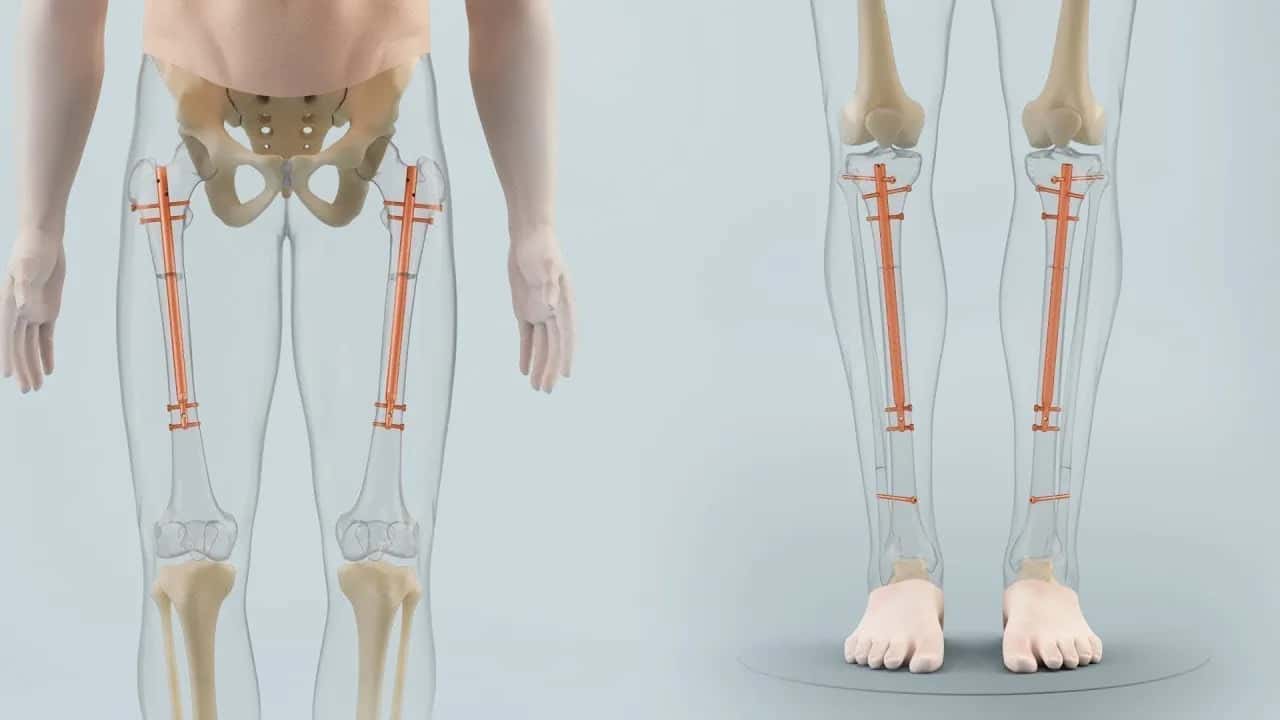
Height reduction surgery is a rare orthopedic procedure in which part of a leg bone is surgically shortened, primarily to correct meaningful limb-length differences rather than as a routine cosmetic operation for people who simply want to be shorter.
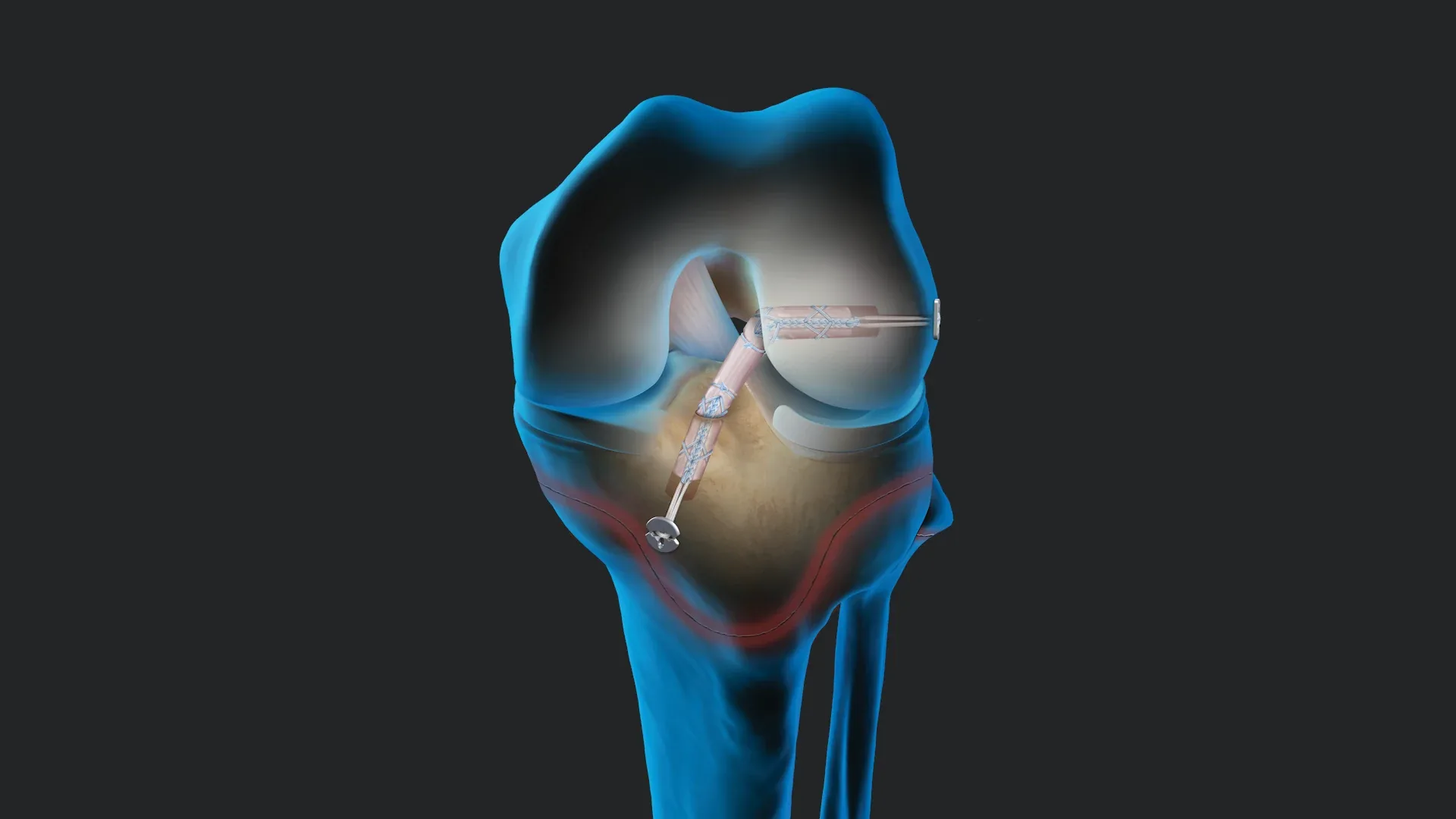
This guide compares ACL surgery costs around the world in 2026, including private treatment, graft choices, hospital packages, rehabilitation, insurance, and medical travel expenses.

Botox Treatment for Spasticity is a medical use of botulinum toxin injections to relax selected overactive muscles for a limited time. It is usually considered when muscle tightness, spasms, or stiffness affect comfort, movement, hygiene, caregiving, or daily activities.

Subscribe to the Medifinder newsletter and never miss our latest content.