










Natural-Looking Front Tooth Implants
This guide explains what makes a front tooth implant look natural, including gum shape, implant position, crown design, color matching, translucency, and smile symmetry.

- Last updated
- 37 reads
- 10 min read
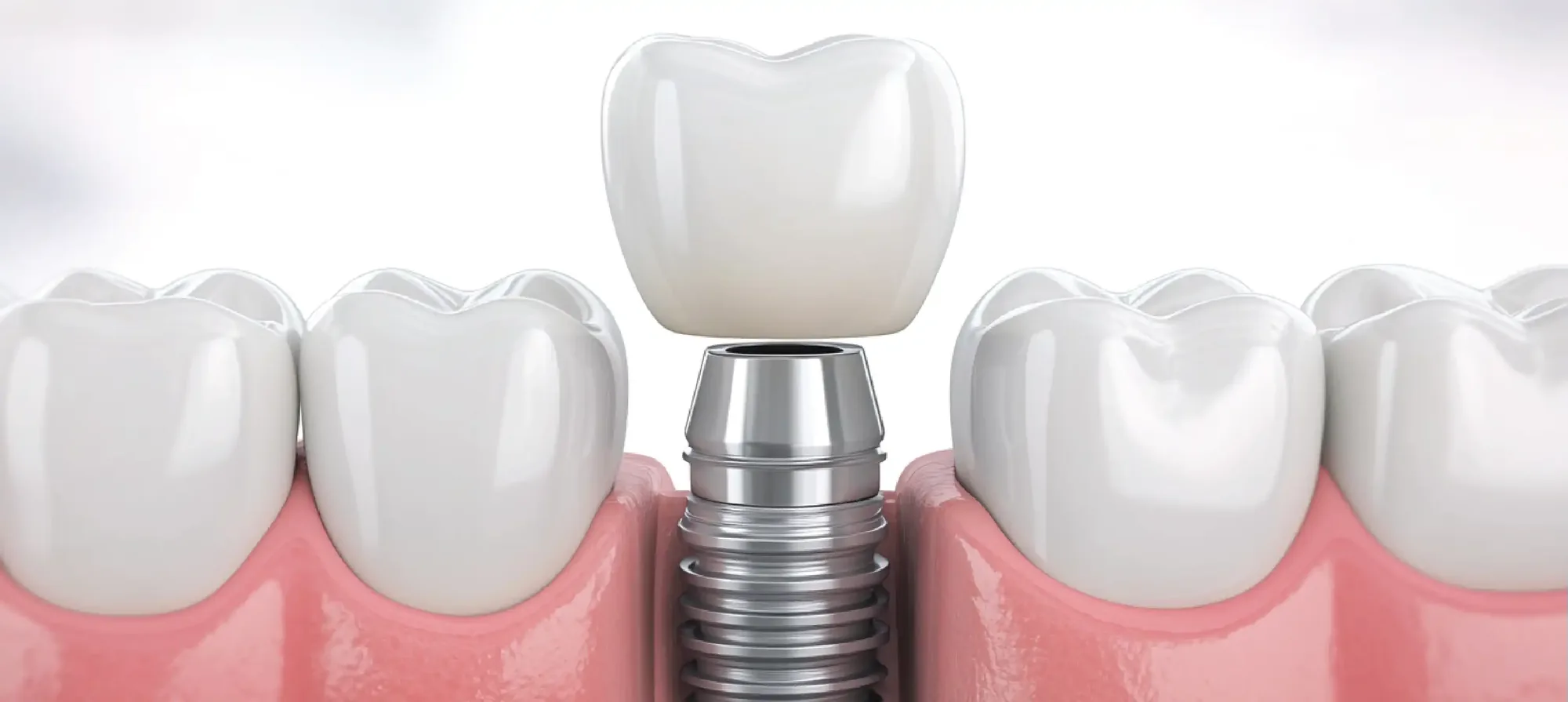


Can a Front Tooth Implant Look Completely Natural?
A front tooth implant can look highly natural when the implant, gum tissue, crown, and surrounding teeth are planned as one visual unit.
The implant itself sits beneath the gum and is not normally visible. What people see is the crown and the way it emerges from the gum. A realistic result depends on correct implant depth, crown proportions, gum contour, color, and surface texture. The final tooth should also reflect light similarly to neighboring teeth. When these details work together, the implant can blend into the smile without drawing attention to itself.
What Makes a Front Tooth Implant Look Natural?
A natural-looking front tooth implant depends on accurate tooth shape, realistic color, balanced gum contours, correct implant position, and subtle surface characteristics.
Front teeth are highly visible, so small differences become noticeable quickly. A crown that is too long, too flat, too bright, or too opaque can stand out. The gum should frame the restoration in a way that resembles the neighboring tooth. Surface texture also matters because natural enamel is not completely smooth. The most convincing result recreates several small details rather than focusing only on matching one shade.
Why Is Implant Position Important for Front Teeth?
Implant position is critical because it determines where the final crown emerges and how naturally the gum can frame the replacement tooth.
An implant placed too far forward can make the crown look bulky and may leave the gum difficult to shape. Placement too far backward can create an unnatural crown contour. Vertical depth also influences how the restoration emerges through the tissue. Front tooth implants therefore require three-dimensional planning rather than simply placing the implant into the missing tooth space. Correct positioning creates a foundation for natural crown proportions and stable soft-tissue contours.
How Does Gum Shape Affect a Front Tooth Implant?
Gum shape strongly affects natural appearance because the tissue should create a smooth, symmetrical frame around the implant crown.
The front teeth are surrounded by small peaks of gum tissue between neighboring teeth. These areas help fill the spaces beside the crown. If the gum is flat or uneven, dark triangular spaces may become visible. The height of the gum line also affects whether the implant appears longer than the opposite tooth. Natural-looking treatment therefore requires attention to soft-tissue thickness, contour, and symmetry. The crown alone cannot compensate for poorly shaped surrounding gums.
What Is the Emergence Profile of a Front Tooth Implant?
The emergence profile is the shape created as the implant crown transitions from beneath the gum into the visible portion of the tooth.
A natural emergence profile prevents the crown from looking as though it suddenly appears from a narrow metal base. The contour should gradually support the gum while reproducing the shape of a natural tooth root. If the profile is too bulky, the tissue may look swollen or uneven. If it is too narrow, the crown can look disconnected from the gum. Careful contouring helps create a realistic transition between implant, tissue, and crown.
How Is the Implant Crown Matched to Natural Teeth?
The implant crown is matched by reproducing the neighboring teeth in color, width, length, surface texture, translucency, and overall proportion.
Color matching involves more than choosing one shade from a chart. Natural teeth often contain several tones from the gum line to the biting edge. The crown may also need subtle changes in brightness and translucency. Shape is equally important. A crown with the correct color can still look artificial if it is too wide or too symmetrical. The objective is to reproduce the character of the surrounding teeth rather than create an isolated perfect-looking tooth.
Why Is Tooth Translucency Important in the Front of the Smile?
Translucency is important because natural front teeth allow light to pass through the enamel differently across separate parts of the tooth.
The biting edge often appears more translucent than the area closer to the gum. A crown that has one uniform opaque color can therefore look artificial under daylight. Natural-looking restorations reproduce this gradual change in light transmission. Small variations in brightness and internal color help create depth. Translucency must also remain balanced because excessive transparency can make the crown appear gray. The goal is to copy how neighboring teeth interact with light.
Which Crown Material Looks Most Natural for a Front Tooth Implant?
High-quality ceramic materials can create highly natural front tooth implant crowns because they can reproduce enamel-like color, texture, and translucency.
Different ceramic systems offer varying levels of strength and optical detail. The best aesthetic result depends on selecting a material that can match the surrounding teeth while supporting normal biting forces. Front teeth often benefit from materials that allow subtle layering and realistic light reflection. The crown should not appear overly opaque or reflective. Material choice matters, but precise shade control, shape, thickness, and surface characterization are equally important for a natural appearance.
Can the Implant Crown Match the Shape of the Opposite Tooth?
An implant crown can closely match the opposite front tooth by reproducing its length, width, edge shape, curvature, and visible surface details.
The matching process is especially important when only one central incisor is being replaced. Human faces and teeth are not perfectly symmetrical, so an exact mirror image is not always necessary. The new crown should instead feel visually balanced with the natural tooth. Small differences in edge wear, line angles, and texture may be intentionally reproduced. Matching these details prevents the implant crown from appearing newer or more artificial than the rest of the smile.
Why Is the Gum Line Important Around a Front Tooth Implant?
The gum line is important because even a well-designed crown can look unnatural when its visible height differs significantly from the neighboring front tooth.
Front tooth symmetry depends heavily on where the gum meets the crown. A gum line that sits too high can make the implant tooth look longer. A lower position can make it appear shorter or bulky. Tissue thickness also affects color and stability. Thin tissue may reveal underlying shadows more easily. Natural appearance therefore requires the gum margin to be considered during implant placement, temporary restoration, and final crown design rather than after the crown is completed.
Can Gum Recession Make a Front Tooth Implant Look Unnatural?
Gum recession can make a front tooth implant look less natural by exposing more of the crown, creating asymmetry, or revealing darker areas near the implant.
The risk becomes more important in people with thin gum tissue or limited bone on the front side of the implant. Recession can also change the shape between neighboring teeth and create visible gaps. Preventing excessive tissue pressure and preserving adequate bone support are therefore important aesthetic goals. Once significant recession develops, the implant may still function well, but the visible result can become harder to disguise through crown changes alone.
How Does Bone Volume Affect the Final Appearance?
Adequate bone volume supports a natural-looking front tooth implant because the bone helps maintain both implant position and the shape of the surrounding gum tissue.
The front surface of the upper jaw can be relatively thin. After a tooth is lost, this bone may gradually shrink. Limited bone can make ideal implant positioning more difficult and may reduce soft-tissue support. The crown may then need unnatural contours to reach the correct tooth position. Maintaining or rebuilding suitable bone volume can therefore improve both structural support and gum shape. A natural final result begins beneath the visible surface.
Is Bone Grafting Important for Natural-Looking Front Tooth Implants?
Bone grafting can be important when the front tooth area lacks enough bone to support ideal implant placement and stable gum contours.
The aesthetic zone requires precise positioning, so placing an implant wherever bone remains is not always the best approach. Added bone can provide better support on the visible front side of the implant. This may help preserve the gum line and reduce an overly sunken appearance. Grafting is not required for every front tooth implant. Its value depends on whether existing bone can support the implant in the position needed for a realistic crown.
Why Are Temporary Teeth Important During Front Tooth Implant Treatment?
Temporary teeth can help shape the gum around a front tooth implant before the final crown is made.
The temporary restoration acts as a guide for soft tissue during healing. Its contour can gradually support the gum and help create a natural emergence profile. Small adjustments can be made before the final restoration is produced. This allows the tissue response to be observed instead of guessing the ideal crown shape immediately. A well-designed temporary tooth therefore contributes to the final appearance, especially when the goal is to reproduce the contour of a natural front tooth.
Can a Front Tooth Implant Look Natural in Photos and Bright Light?
A well-designed front tooth implant can look natural in photographs and bright light when its translucency, surface texture, shade, and reflection closely match nearby teeth.
Strong lighting often reveals differences that are harder to notice in ordinary indoor conditions. An overly opaque crown may look flat, while an excessively bright crown may dominate photographs. Surface texture also changes how light is reflected. Subtle grooves and natural irregularities can reduce an artificial shine. The crown should therefore be evaluated under several lighting conditions. A restoration that looks convincing only in one environment may still need small aesthetic adjustments.
How Is the Correct Shade Chosen for a Front Tooth Implant?
The correct shade is selected by comparing the implant crown with neighboring teeth under controlled lighting while considering brightness, undertone, translucency, and internal color variation.
The process should not focus only on one overall color. Natural teeth may appear warmer near the gum and more translucent at the edge. Hydration also affects appearance, since teeth can temporarily look lighter when they become dry. Shade selection should therefore occur while surrounding teeth have a normal appearance. The final crown should blend into the smile instead of appearing noticeably lighter, darker, or more opaque.
Should a Front Tooth Implant Be Perfectly White?
A front tooth implant should match the surrounding smile rather than being made as white as possible.
Excessive brightness is one of the easiest ways to make a single implant crown look artificial. Natural teeth contain small tonal variations and rarely appear completely uniform. The ideal crown should reproduce the brightness and undertone of neighboring teeth. If future whitening is planned, tooth color should be considered before the final shade is selected. A realistic implant crown does not need to attract attention. Its success is often measured by how easily it disappears into the surrounding smile.
What Can Make a Front Tooth Implant Look Fake?
Several design and tissue problems can make a front tooth implant look artificial even when the implant itself is stable.
Common aesthetic problems include:
-
A crown that is too white
-
Excessively opaque ceramic
-
An unnaturally straight gum line
-
Poor crown proportions
-
A tooth that appears too long
-
Incorrect implant angle
-
Dark shadows near the gum
-
Missing gum tissue between teeth
-
Surface texture that differs from neighboring teeth
-
A crown edge that reflects light unnaturally
A natural result depends on correcting the entire visible relationship between tooth, gum, and surrounding smile.
Can Two Front Tooth Implants Look Natural Together?
Two front tooth implants can look natural together when their spacing, gum contours, crown proportions, and symmetry are carefully coordinated.
Replacing adjacent front teeth can be more challenging than replacing one tooth because there is less natural tissue between the implants. The central gum peak between two crowns can be difficult to reproduce perfectly. Crown shape and tissue support therefore become especially important. Small differences between the two teeth may still be needed because natural smiles are rarely mathematically identical. Balanced proportions and realistic gum architecture help the pair look integrated rather than manufactured.
How Long Does It Take for a Front Tooth Implant to Look Natural?
A front tooth implant may require several months to reach its most natural appearance because bone healing and gum maturation continue after implant placement.
The visible result can improve gradually as swelling settles and the gum adapts to the temporary or final restoration. Early tissue may appear slightly uneven or fuller than expected. Final crown placement is often timed after enough healing has occurred to create a stable foundation. Even after the final crown is fitted, soft tissue can continue to mature. Aesthetic implant treatment should therefore be judged after the gum has stabilized, not only during the first weeks.
What Should Be Checked Before Finalizing a Front Tooth Implant Crown?
Before finalizing a front tooth implant crown, the shape, shade, gum line, bite, translucency, surface texture, and smile symmetry should all be evaluated together.
The crown should look natural from the front, side, and during normal speech. Its biting edge should relate properly to the opposite teeth. The gum should appear comfortable and should not look compressed or excessively pale. Color should be checked under different lighting conditions. Small adjustments before final completion can make a significant visual difference. A successful front tooth implant should feel like part of the existing smile rather than a separate restoration.
- Last updated
- Language
- English
How did you find this article?
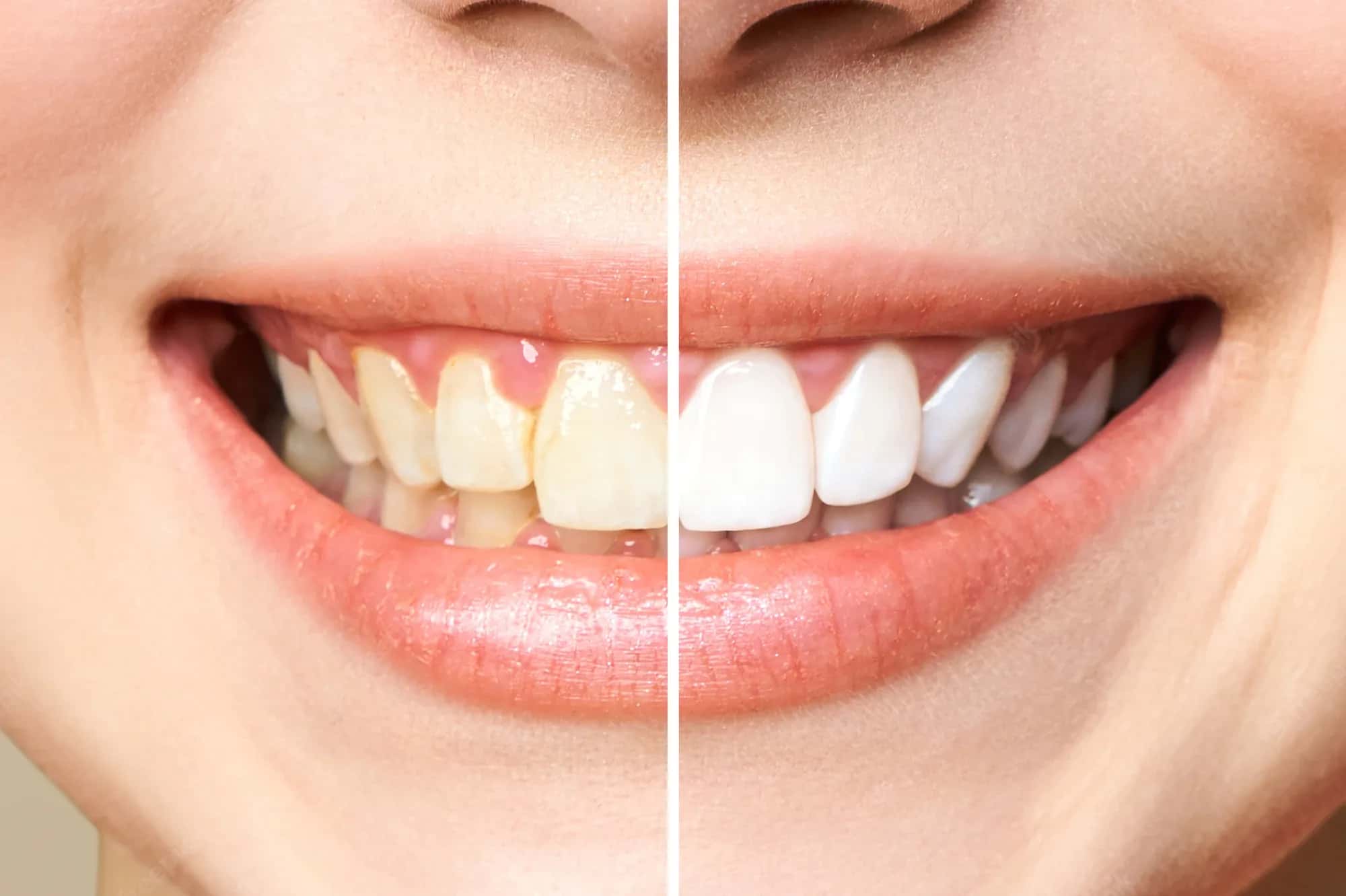
Teeth whitening costs around the world vary substantially, with professional treatment generally costing less in countries such as Turkey, Mexico and India than in the United States or United Kingdom.
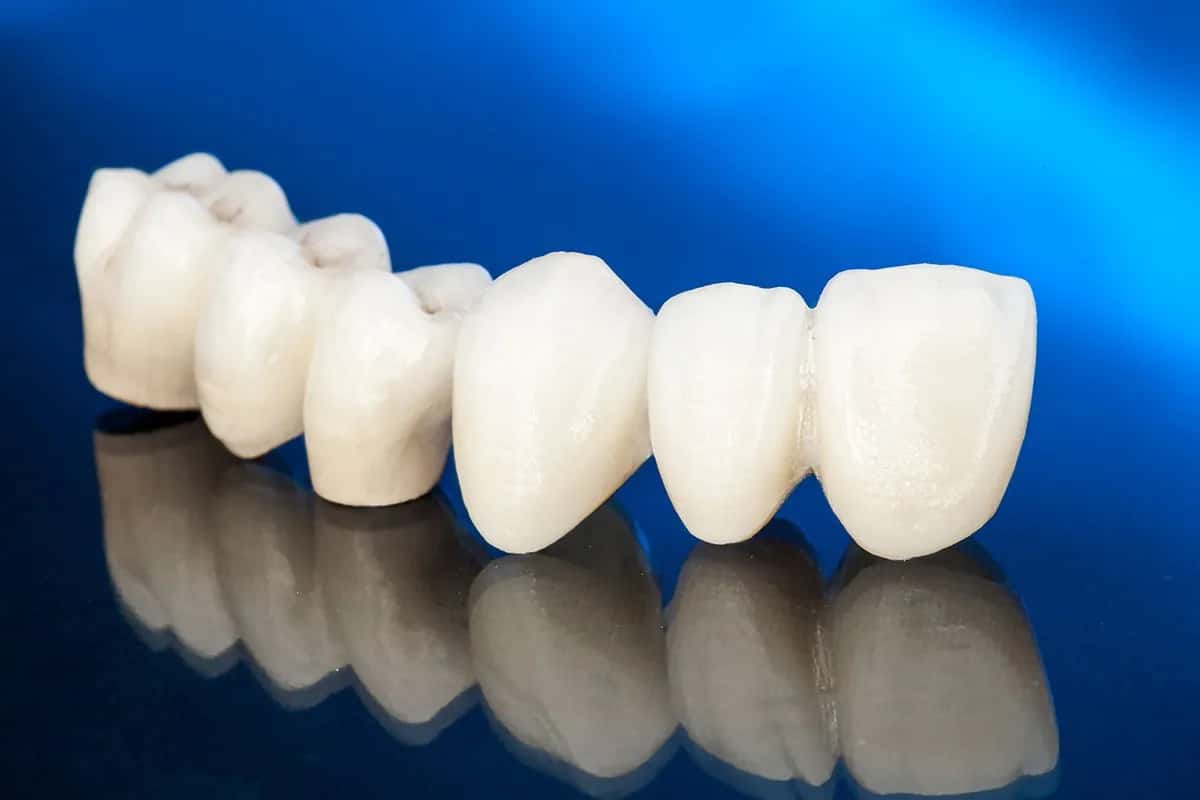
Zirconium crown costs around the world vary significantly, from approximately €180–€400 per tooth in Turkey to $1,000–$2,500 in the United States, based on published 2026 private-treatment prices.
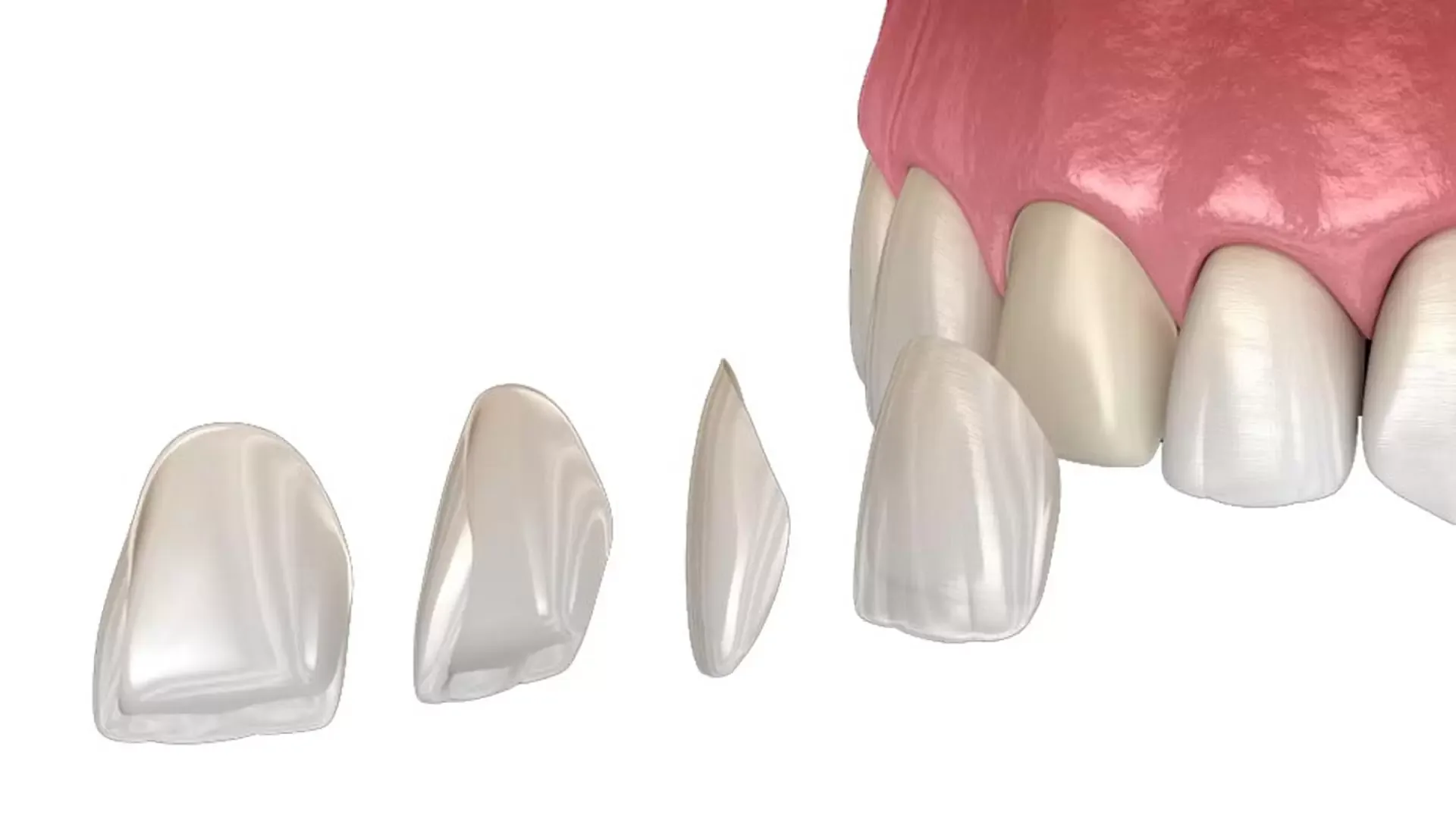
E-Max costs around the world differ significantly, with ceramic veneers and crowns available at lower published prices in countries such as Turkey, Mexico and Hungary than in the United States or United Kingdom.
Subscribe to the Medifinder newsletter and never miss our latest content.