










Nasolabial Fold Filler
Learn how nasolabial fold filler works, who may benefit, how long results last, what recovery involves, and which risks you should consider before treatment.

- Last updated
- 146 reads
- 9 min read


Nasolabial folds are the lines that run from the sides of the nose toward the corners of the mouth. Everyone has them to some degree because they form naturally when you smile, speak and move your face. As you get older, these folds may become deeper due to changes in facial fat, bone support, skin elasticity and collagen.
Nasolabial fold filler can soften the appearance of these lines by restoring support beneath the skin. In many cases, the practitioner places filler directly into the fold. In others, they treat nearby areas such as the cheeks first because loss of mid-face volume may contribute to the crease.
The goal should not be to remove every line. A completely flat nasolabial area can look unnatural and may require too much product. A well-planned treatment creates a smoother transition while preserving normal facial movement.
What Is Nasolabial Fold Filler?
Nasolabial fold filler is a non-surgical injectable treatment used to reduce the depth or shadow of the lines beside the nose and mouth.
Practitioners most commonly use hyaluronic acid filler in this area. Hyaluronic acid is a substance that attracts water and adds volume. Different products vary in firmness, flexibility and lifting capacity, so the practitioner should choose one that suits the depth of the fold and the quality of your skin.
Other filler materials may also be used in selected cases. Some provide stronger structural support or stimulate collagen over time. However, they may not offer the same degree of reversibility as hyaluronic acid.
The correct product depends on your anatomy, treatment history and desired result. A filler that works well in the cheeks may not always be the best choice for a superficial fold.
Why Do Nasolabial Folds Become Deeper?
Nasolabial folds do not develop because of one single change. Several age-related processes usually contribute.
The cheek fat pads may lose volume or move downward. This reduces support in the mid-face and places more weight above the fold. The bones around the cheeks and upper jaw also change gradually, which can alter the structure beneath the skin.
Collagen and elastin decrease with age, making the skin thinner and less able to return to its previous position after movement. Repeated facial expressions can then make the lines appear more noticeable.
Genetics also play a role. Some people develop deep folds at a relatively young age because of facial shape, cheek fullness or skin characteristics. Weight changes, sun exposure and smoking may make the folds more visible as well.
Is Direct Filler Always the Best Option?
Not always. A deep nasolabial fold may result partly from reduced cheek support. In that situation, filling only the line can create heaviness without correcting the underlying cause.
Your practitioner may first assess the cheekbones, mid-face volume and lower-face balance. Restoring a small amount of support in the cheek can sometimes soften the fold indirectly.
Direct treatment may still help when the crease remains visible after mid-face support has improved. The practitioner can then place a conservative amount into the fold itself.
The best plan often combines structural assessment with local correction. This approach usually looks more natural than filling the crease aggressively from top to bottom.
Who May Be a Good Candidate?
You may be a suitable candidate if the folds create a persistent shadow or crease that bothers you and you want improvement without surgery.
Good candidates generally have realistic expectations. Filler can soften the area, but it cannot stop facial movement or permanently prevent ageing.
Your skin should be healthy at the time of treatment. Active infection, cold sores, inflamed acne or dental infection near the injection area may require postponement.
You should also disclose all previous fillers, cosmetic procedures and medical conditions. Blood-thinning medicines, pregnancy, breastfeeding, immune disorders and a history of severe allergic reactions may affect whether treatment is appropriate.
Who Should Avoid Nasolabial Fold Filler?
Treatment may not suit you if the main problem involves substantial skin laxity rather than volume loss. When the lower face has significant sagging, adding filler can make the area look heavier.
You may need to postpone treatment if you have:
-
An active skin infection
-
Dental infection or recent dental treatment
-
Open wounds or severe inflammation
-
A known allergy to the product
-
Uncontrolled bleeding problems
-
A history of serious filler complications
-
Pregnancy or breastfeeding
-
Unrealistic expectations about eliminating every line
A responsible practitioner should be willing to recommend another option when filler is unlikely to create a balanced result.
How Is Nasolabial Fold Filler Performed?
The appointment usually begins with a facial assessment. The practitioner examines your face at rest and while you smile. They may mark the treatment area and take photographs for comparison.
The skin is then cleaned carefully. A topical anaesthetic may be applied, although many fillers already contain local anaesthetic.
The practitioner injects the product with a needle or cannula. The choice depends on the treatment plan, product and individual anatomy. A needle allows very precise placement, while a cannula may reduce the number of entry points.
Small amounts are usually placed at different depths. Deeper filler can provide support, while more superficial placement may soften the crease. The practitioner should avoid overfilling the upper part near the nose because this can create puffiness or an unnatural ridge.
The procedure often takes less than an hour, although consultation and preparation can increase the total time.
Does Nasolabial Fold Filler Hurt?
You may feel pressure, stinging or a brief pinching sensation. Most people tolerate the procedure well, especially when the product contains anaesthetic.
The area near the nose can feel more sensitive than the lower part of the fold. Your practitioner may inject slowly and pause between areas to improve comfort.
Pain should not become severe. Intense or increasing pain during or after treatment requires immediate attention because it may indicate pressure on a blood vessel or another complication.
What Results Can You Expect?
You may notice an immediate reduction in the depth of the fold. However, swelling can temporarily make the area look fuller than the final result.
During the first few days, the two sides may look slightly different. One side of the face often has a naturally deeper fold, and swelling may not develop equally.
The filler gradually settles as the swelling decreases. You can usually assess the result more accurately after one to two weeks.
A successful treatment softens the shadow without making the area look swollen or stiff. Your face should still move naturally when you smile.
How Much Filler Is Usually Needed?
The required amount varies widely. A mild fold may need only a small quantity, while deeper lines may require more product or treatment in the cheeks.
Using more filler does not automatically create a better result. Excessive volume can make the lower face look heavy, create lumps or distort the transition between the cheek and mouth.
The practitioner should start conservatively, especially during your first treatment. You can add more later if needed, but correcting overfilling can be more difficult.
Your face should be treated as a whole. The correct amount depends on your bone structure, skin thickness and the difference between the two sides.
How Long Does Nasolabial Fold Filler Last?
Results often last between six and eighteen months, depending on the product and your individual response.
Softer fillers may break down sooner, while firmer products placed more deeply may remain visible for longer. Facial movement, metabolism, product quantity and previous treatments also influence longevity.
The fold does not usually return overnight. The effect gradually decreases as the body breaks down the filler.
You do not need to repeat treatment on a fixed schedule. Ask the practitioner to reassess the area before adding more product. Repeated injections without proper review may lead to unnecessary volume.
What Is Recovery Like?
Most people return to normal daily activities soon after treatment. You may experience swelling, redness, tenderness or bruising around the injection sites.
These effects often improve within several days. Bruising may last longer, particularly if you use medicines or supplements that affect bleeding.
Avoid pressing, massaging or repeatedly touching the area unless your practitioner specifically instructs you to do so. Unnecessary manipulation can move the product or increase irritation.
You may be advised to avoid strenuous exercise, alcohol, excessive heat and facial treatments for a short period. Follow the instructions given for your own procedure.
Can Filler Create Lumps?
Small areas of firmness can occur while swelling settles. Some disappear naturally within a few days.
Persistent lumps may develop if filler sits too close to the skin, gathers unevenly or triggers inflammation. You should not squeeze or massage them without advice.
Hyaluronic acid filler can often be adjusted or dissolved if necessary. This reversibility is one reason many practitioners prefer it for first-time treatment.
Firm, painful, red or enlarging lumps require assessment. They may indicate infection, inflammation or another complication.
What Are the Main Risks?
Common side effects include swelling, bruising, redness, tenderness and temporary asymmetry.
Less common complications include infection, persistent nodules, migration, skin discolouration and unwanted contour changes.
The most serious risk involves accidental injection into a blood vessel or compression of a vessel. This can reduce blood flow to the skin and, in rare cases, affect vision or cause neurological injury.
Warning signs include severe pain, pale or grey skin, a mottled pattern, unusual coolness, visual disturbance or rapidly worsening swelling. These symptoms require immediate medical assessment.
The clinic should have a clear emergency plan and the necessary supplies to manage complications.
Can Nasolabial Fold Filler Be Dissolved?
Hyaluronic acid filler can usually be dissolved with an enzyme called hyaluronidase. A practitioner may use it for overcorrection, poor placement or certain complications.
Dissolving filler can also reduce some of your natural hyaluronic acid temporarily, so it should not be treated as a casual adjustment.
Non-hyaluronic acid fillers do not have the same immediate reversal option. This makes accurate product selection and conservative dosing especially important.
Always ask which material will be used before the procedure.
How Does Filler Compare With Other Treatments?
Filler works best when volume loss and structural changes create the fold. It may not be the ideal option when skin quality or major sagging causes the problem.
Skin treatments such as laser procedures, radiofrequency or microneedling may improve texture and collagen, but they usually do not replace deeper structural volume.
Thread lifts may offer limited lifting in selected patients, although the result and longevity vary. Surgery provides a more substantial change when facial tissues have descended significantly.
Some people benefit from a combination of treatments. Your practitioner should explain which option addresses the cause of the fold rather than recommending filler simply because it is quick.
How Should You Choose a Practitioner?
Choose a licensed medical professional with detailed knowledge of facial anatomy and experience treating the area around the nose and mouth.
Ask which product they plan to use, how much they recommend and why they have chosen that injection level. They should also explain the risks and show you how they manage an emergency.
Avoid practitioners who promise to erase every line or encourage large amounts during the first session. Natural treatment usually requires restraint.
Make sure the product comes in sealed packaging and ask for a record of the brand and batch details.
Conclusion
Nasolabial fold filler can soften the lines that extend from the nose toward the corners of the mouth. It works by restoring volume and support, either directly within the fold or in nearby areas such as the cheeks.
The best results come from treating the underlying facial structure rather than simply filling the deepest part of the crease. Conservative placement helps maintain natural movement and avoids heaviness.
Results usually last for several months to more than a year. Swelling and bruising are common temporary effects, while vascular blockage represents the most serious potential complication.
Choose an experienced medical practitioner, ask which product will be used and maintain realistic expectations. A successful treatment should refresh the area without changing the character of your face.
- Last updated
- Language
- English
How did you find this article?
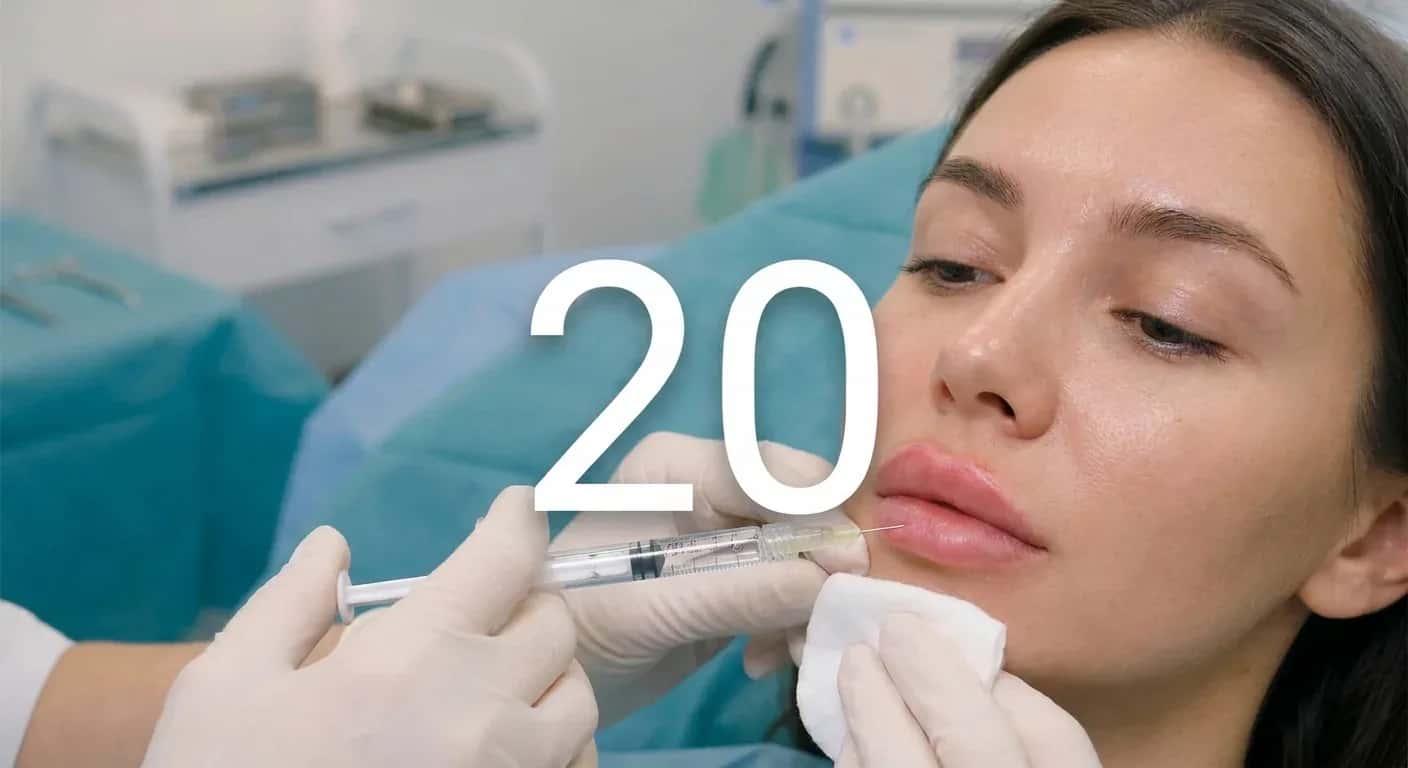
Many singers, actors, reality stars and influencers have talked openly about getting lip filler, and a growing number have also shared why they later had it dissolved. This guide looks at what 20 of these public figures said about their own lip treatments and what their experiences can teach anyone considering filler.


Filler fatigue describes the point where repeated dermal filler treatments leave a face looking heavier, puffier or less like itself, and it is pushing many people to rethink how they approach injectables. This guide explains what causes it, how to recognize an overfilled face.

Overfilled faces develop when injectable treatments add more volume than the facial anatomy can accommodate naturally, altering contours, proportions and sometimes facial expression.
Subscribe to the Medifinder newsletter and never miss our latest content.