










What Is A Malo Bridge In Dental Restoration?
This comprehensive guide explores the Malo Bridge dental restoration system, detailing its structural components, functional benefits, and long-term maintenance requirements for total arch replacement.

- Last updated
- 115 reads
- 8 min read


What Is A Malo Bridge In Dental Restoration?
A Malo Bridge is an advanced fixed dental prosthesis supported by implants that replaces an entire arch of missing teeth using a strong titanium framework and individual crowns.
This innovative architectural design provides exceptional structural integrity by separating the supporting base from the aesthetic teeth. Instead of using a single solid block of material, individual ceramic or composite crowns are cemented directly onto the precisely milled metal substructure. If a single tooth sustains damage, it can be replaced individually without removing or remaking the entire prosthetic framework. This engineering approach closely mimics biological dental anatomy while distributing chewing forces evenly across the supporting implants. The system ensures superior biomechanical stability for patients requiring complete mouth rehabilitation.
How Does The Malo Bridge Differ From Traditional Dentures?
The Malo Bridge differs from traditional dentures by being permanently anchored to titanium dental implants rather than resting loosely on the sensitive gum tissue.
Traditional removable prosthetics often slip during speech and require messy adhesives to maintain a basic level of stability throughout the day. Furthermore, conventional dentures block the roof of the mouth, significantly reducing taste sensation and altering natural speech patterns. The implant-supported bridge leaves the palate completely uncovered, allowing for normal sensory experiences while eating. Because it is permanently affixed to the jawbone, this fixed solution provides maximum bite force comparable to natural teeth. Patients experience a permanent, stable bite that never shifts or causes painful friction sores on the gums.
What Materials Are Used To Construct A Malo Bridge?
A Malo Bridge is constructed using a computer-milled medical-grade titanium framework supporting individual crowns made from highly durable ceramic, zirconia, or advanced composite resins.
The internal titanium bar serves as the unbreakable foundation, providing maximum resistance against heavy masticatory forces without adding unnecessary weight. Specialized computer-aided design software maps the precise dimensions of the jaw to carve this metal substructure flawlessly. Over this sturdy base, prosthetic technicians craft individual aesthetic crowns that replicate the exact translucency and texture of natural enamel. Soft tissue areas are simulated using biocompatible pink acrylic or composite materials that blend seamlessly with the patient's existing gingival anatomy. This combination of robust metals and aesthetic ceramics guarantees both structural longevity and visual excellence.
What Are The Primary Advantages Of Choosing A Malo Bridge?
The primary advantages of choosing a Malo Bridge include superior structural repairability, excellent aesthetics, and exceptional biomechanical stability for full arch restorations.
- Individual tooth replacement allows for targeted repairs without removing the entire titanium framework.
- Palate-free design enhances natural taste perception and improves phonetic articulation significantly.
- Permanent fixation to dental implants eliminates the need for messy daily adhesives.
- High-strength materials withstand intense chewing forces associated with eating hard or crunchy foods.
- Customizable artificial gums seamlessly conceal bone loss and maintain proper facial proportions.
- Even weight distribution prevents excessive stress on individual supporting titanium roots.
Who Is The Ideal Candidate For A Malo Bridge Restoration?
The ideal candidate for a Malo Bridge restoration is an individual experiencing total tooth loss or possessing failing teeth that require complete arch extraction.
Patients suffering from severe periodontal disease often lack the necessary biological foundation to support individual restorations, making this full-arch approach highly appropriate. Adequate bone volume must remain in the jaw to securely anchor the four to six necessary supporting implants. Individuals seeking a permanent alternative to removable prosthetics benefit immensely from this securely fixed architectural design. Good general health is required to ensure the surgical implant sites heal properly and integrate with the surrounding bone tissue. A thorough clinical evaluation utilizing three-dimensional imaging determines exact anatomical suitability before initiating the restorative phase.
How Does The Malo Bridge Prevent Jawbone Deterioration?
The Malo Bridge prevents jawbone deterioration by transferring dynamic chewing forces directly through the titanium implants into the underlying bone to stimulate continuous cellular regeneration.
When natural teeth are lost, the alveolar bone begins to resorb rapidly because it no longer receives mechanical stimulation during mastication. Conventional removable prosthetics only accelerate this bone loss by applying destructive friction directly to the surface of the alveolar ridge. The implants acting as artificial roots restore the necessary biomechanical stress required to keep the skeletal structure dense and healthy. Preserving this vital bone volume maintains the natural contours of the lower face and prevents the sunken appearance commonly associated with prolonged tooth loss. This continuous stimulation secures long-term facial structural integrity.
What Is The Expected Lifespan Of A Malo Bridge?
A Malo Bridge typically lasts between ten to fifteen years, while the underlying titanium implants integrating with the jawbone can easily last a lifetime.
The longevity of the prosthetic superstructure heavily relies on rigorous daily oral hygiene and consistent professional maintenance schedules. Although the titanium framework is virtually indestructible, the individual ceramic or composite crowns experience normal wear from continuous daily chewing. Patients who suffer from nocturnal teeth grinding might wear down the aesthetic materials faster, necessitating occasional individual crown replacements. Wearing a custom-fitted protective nightguard significantly extends the functional lifespan of the entire restorative structure. Regular professional evaluations ensure that any minor mechanical wear is addressed promptly before structural integrity is compromised.
How Do You Clean And Maintain A Malo Bridge Properly?
Cleaning a Malo Bridge properly requires utilizing specialized water flossing devices and interdental brushes to remove plaque from beneath the prosthetic framework daily.
Standard brushing twice a day remains essential to keep the visible ceramic crowns glossy and free from sticky bacterial biofilms. However, normal toothbrush bristles cannot reach the critical junction where the titanium base meets the natural gum tissue. A water flosser forcefully flushes out trapped food debris from these hidden horizontal spaces, preventing localized tissue inflammation. Passing specialized spongy floss underneath the bar guarantees thorough mechanical disruption of harmful anaerobic bacteria. Adhering to professional cleanings every six months allows dental hygienists to remove hardened calculus utilizing specialized instruments that will not scratch the titanium.
Does A Malo Bridge Look And Feel Like Natural Teeth?
A Malo Bridge looks and feels remarkably like natural teeth because individual ceramic crowns are customized to match exact biological anatomical proportions and translucency.
The separation of the pink gingival base and the white dental crowns creates a highly realistic visual depth that single-block prosthetics simply cannot replicate. Each tooth is expertly crafted with subtle surface textures and developmental grooves reflecting light exactly like genuine enamel. The transition line between the artificial pink acrylic and the natural gums remains hidden completely beneath the upper or lower lip during a full smile. Functionally, the rigid titanium foundation eliminates any unnatural movement, providing a solid biting sensation identical to healthy biological roots. This meticulous design restores total confidence in social interactions.
How Does The Malo Bridge Affect Speech And Chewing Functions?
The Malo Bridge positively affects speech and chewing functions by providing a completely rigid palate-free structure that restores maximum biting force and normal tongue movement.
Removable prosthetics severely limit the types of food a patient can consume due to instability and reduced mechanical pressure. This fixed restoration allows individuals to confidently eat crisp apples, tough meats, and raw vegetables without fearing the appliance will dislodge. Phonetic articulation improves drastically because the tongue has unhindered access to the roof of the mouth to form complex consonant sounds clearly. During the initial adaptation phase, minor lisping may occur, but oral muscles adjust rapidly to the new structural boundaries. Ultimately, the system returns complete functional normalcy to daily masticatory and phonetic activities.
Can A Damaged Malo Bridge Be Repaired Without Total Replacement?
A damaged Malo Bridge can easily be repaired without total replacement because each aesthetic crown is cemented individually onto the underlying titanium substructure.
When a patient accidentally fractures a single tooth by biting down on a highly rigid object, the structural framework remains completely intact. The clinician simply removes the broken ceramic or composite crown from its specific metal post on the titanium bar. A fresh digital impression is taken for that single unit, and a replacement crown is milled to blend perfectly with the adjacent teeth. This modular engineering approach saves immense amounts of time and financial resources compared to replacing a monolithic prosthetic. Quick targeted repairs ensure that aesthetic disruptions are resolved swiftly and efficiently.
How Long Does The Malo Bridge Procedure Take To Complete?
The complete Malo Bridge procedure takes approximately three to six months, allowing sufficient time for the titanium implants to fuse securely with the jawbone.
The initial surgical appointment involves placing the implants and attaching a fixed provisional acrylic bridge on the very same day. This temporary restoration ensures the patient leaves the clinic with a fully functional, aesthetic smile while the biological healing process commences. Over the next several months, the surrounding bone cells meticulously grow into the microscopic pores of the titanium roots. Once absolute osseointegration is confirmed clinically, the fabrication of the final permanent titanium and ceramic superstructure begins. The final phase involves precise bite registrations and aesthetic try-ins to guarantee absolute perfection before permanent fixation.
Is The Malo Bridge Surgical Procedure Painful For Patients?
The Malo Bridge surgical procedure is not painful because clinicians utilize profound local anesthesia combined with advanced sedation protocols to eliminate discomfort completely.
Patients remain entirely relaxed and unaware of surgical manipulations during the precise placement of the titanium roots. The jawbone itself possesses very few nerve endings, meaning the actual drilling process generates practically no painful biological sensations. Post-operative discomfort is generally managed effectively using standard over-the-counter anti-inflammatory medications for the first few days following surgery. Minor tissue swelling and slight bruising around the surgical sites are normal biological responses that subside rapidly within a week. Strict adherence to prescribed postoperative care instructions ensures a smooth, uneventful recovery phase with minimal physical distress.
What Is The Healing Process After Getting A Malo Bridge?
The healing process after getting a Malo Bridge involves a strict soft-food diet for six weeks to prevent micromovement of the newly placed implants.
Eating exclusively soft foods allows the bone to heal tightly around the titanium threads without experiencing disruptive mechanical shear forces. Patients must avoid aggressive physical exertion during the first two weeks to minimize throbbing and prevent excessive localized bleeding. Gentle warm saltwater rinses help soothe the surgical sites and keep the healing gingival tissues clean without harsh chemical irritation. The fixed temporary bridge splints the implants together, distributing minimal functional forces evenly to promote stable structural integration. Complete biological healing and tissue maturation conclude just before the final permanent ceramic restoration is installed.
How Does The Malo Bridge Connect To Dental Implants?
The Malo Bridge connects securely to dental implants using specialized tiny titanium screws that pass through the internal framework directly into the implant abutments.
This screw-retained mechanism creates an incredibly rigid and stable connection that effortlessly withstands continuous heavy masticatory forces. The access holes for these retaining screws are strategically located on the chewing surfaces or the inner aspect of the prosthetic teeth. After the framework is torqued securely into its final position, these small access channels are sealed seamlessly with tooth-colored composite resin. Only a trained clinician possesses the specific precision instruments required to unscrew and remove the bridge during annual maintenance appointments. This sophisticated engineering guarantees the restoration remains permanently fixed during all daily functional activities.
- Last updated
- Language
- English
How did you find this article?
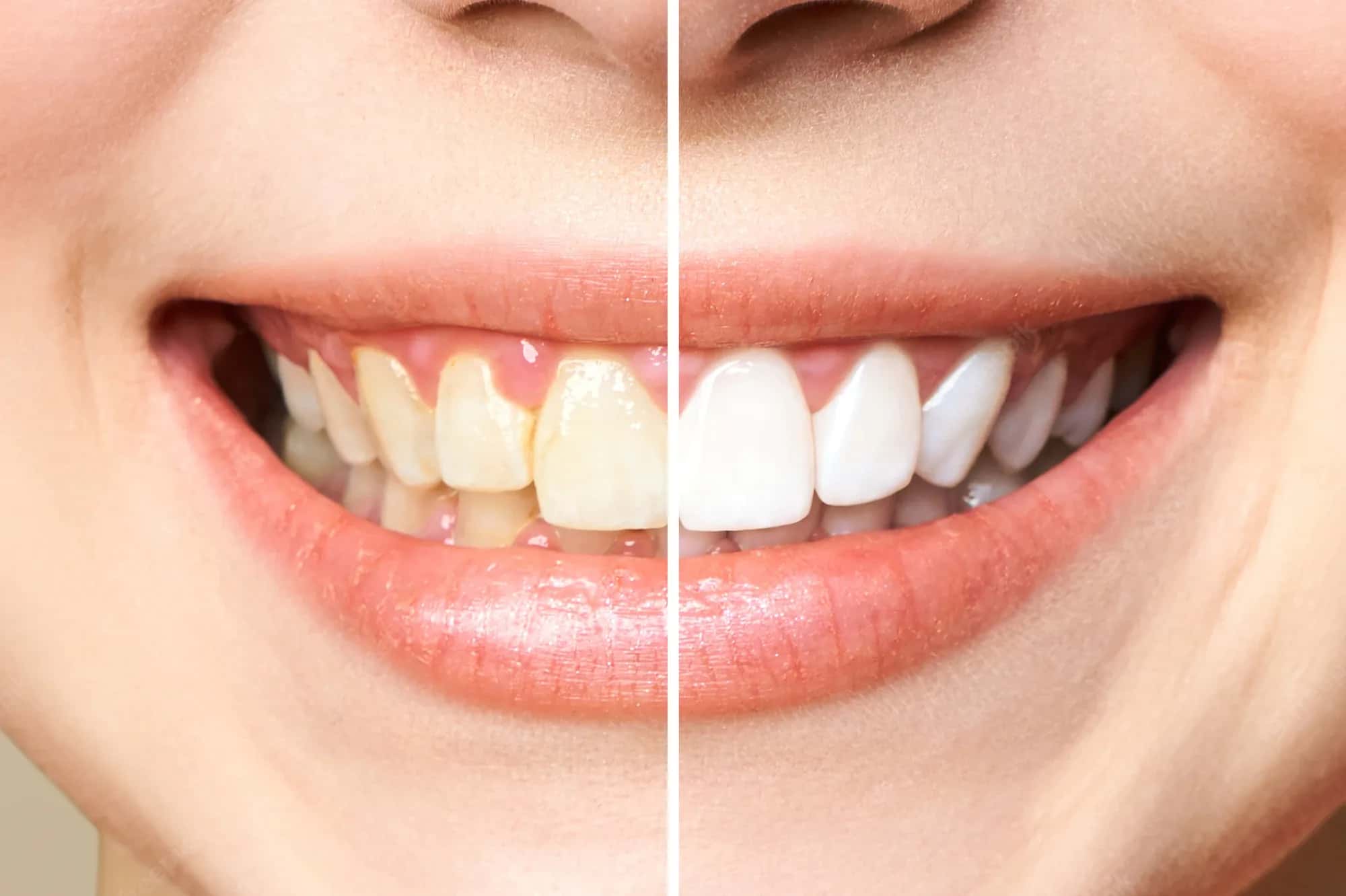
Teeth whitening costs around the world vary substantially, with professional treatment generally costing less in countries such as Turkey, Mexico and India than in the United States or United Kingdom.
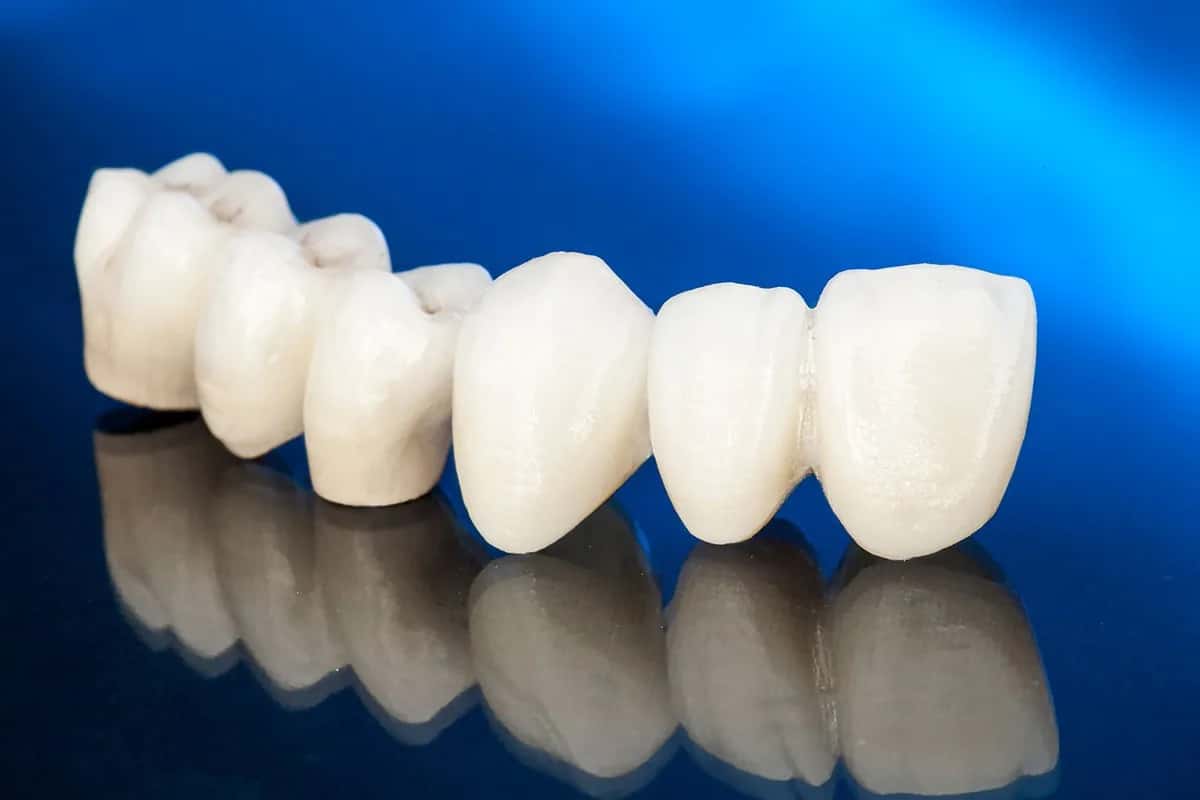
Zirconium crown costs around the world vary significantly, from approximately €180–€400 per tooth in Turkey to $1,000–$2,500 in the United States, based on published 2026 private-treatment prices.
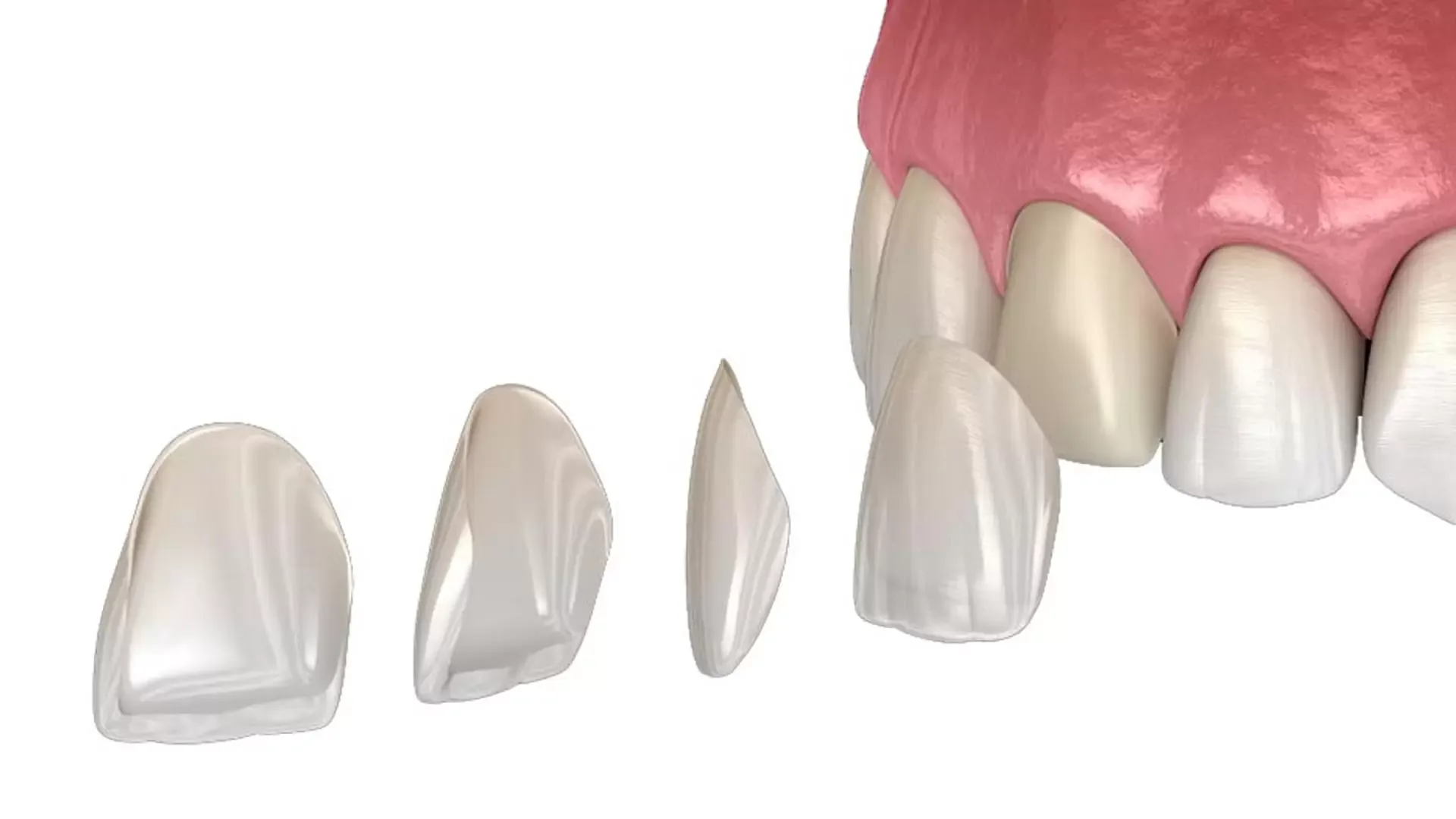
E-Max costs around the world differ significantly, with ceramic veneers and crowns available at lower published prices in countries such as Turkey, Mexico and Hungary than in the United States or United Kingdom.
Subscribe to the Medifinder newsletter and never miss our latest content.