










Liplase Laser
Liplase Laser is a non-invasive lip enhancement treatment designed to improve lip volume, definition, smoothness, and overall lip quality without using injectable filler. It is often preferred by people who want a softer and more natural-looking result rather than a sudden change in lip size.

- Last updated
- 76 reads
- 8 min read


What Is Liplase Laser?
Liplase Laser is a laser-based lip rejuvenation treatment that targets the lips and the surrounding mouth area. It is commonly used to support natural lip plumping, improve lip texture, soften fine lines, and create a more defined lip border.
The treatment uses controlled heat energy to stimulate the deeper layers of the lip tissue. This process can encourage collagen remodeling, which may help the lips look smoother, firmer, and slightly fuller over time. Because the treatment does not rely on injections, it may be suitable for patients who prefer a needle-free approach to lip enhancement.
How Does Liplase Laser Work?
Liplase Laser works by delivering gentle thermal energy to the lip tissue. The controlled heat stimulates natural repair mechanisms in the skin and mucosa. As the tissue responds, collagen activity may increase, and the lips may appear smoother, more hydrated, and more defined.
The treatment can be applied to the outer lip surface and, in some protocols, the inner lip area. This helps target the tissue from different angles. The energy is adjusted according to the patient’s skin type, lip structure, sensitivity, and treatment goals.
Because the process depends on natural tissue response, the result does not appear instantly in the same way as filler. Some patients notice early freshness or mild plumping after treatment, but the more meaningful improvement usually develops gradually as collagen remodeling continues.
Who Is A Good Candidate For Liplase Laser?
A good candidate for Liplase Laser is someone who wants natural lip enhancement without injectable filler. It may suit patients with mild volume loss, fine lines around the lips, reduced lip definition, or early signs of aging around the mouth.
It can also be a good choice for people who feel their lips look dry, flat, or less structured but do not want a dramatic cosmetic change. Patients who are nervous about needles may also prefer this treatment.
However, Liplase Laser is not suitable for everyone. People with active cold sores, open wounds, active infections, uncontrolled medical conditions, or certain skin sensitivities may need to delay treatment or choose another option. A consultation is important before treatment because the provider must assess medical history, lip condition, skin type, and expectations.
What Results Can You Expect From Liplase Laser?
Liplase Laser results are usually natural and gradual. The lips may look slightly fuller, smoother, and more refreshed. Fine lines around the mouth may soften, and the lip border may appear better defined.
The main advantage is subtle enhancement. The treatment does not usually create oversized lips or a heavily filled look. Instead, it helps improve the existing lip structure. This makes it attractive for patients who want people to notice that they look refreshed rather than identify that they had a treatment.
Results vary from person to person. Age, collagen quality, lifestyle, hydration, smoking habits, sun exposure, and treatment consistency can all affect the outcome. Some patients respond quickly, while others need multiple sessions to see visible change.
Is Liplase Laser Better Than Lip Filler?
Liplase Laser and lip filler serve different purposes. One is not automatically better than the other. The right choice depends on the patient’s goals.
Lip filler adds volume directly. It can shape the lips, correct asymmetry, improve projection, and create a more visible change in one appointment. Liplase Laser does not add filler material. It stimulates the tissue and encourages a natural response.
Patients who want clear volume and contour may prefer filler. Patients who want subtle plumping, smoother texture, and a non-injectable option may prefer Liplase Laser. In some cases, the two approaches can complement each other, but this should only be planned by a qualified provider.
How Many Liplase Laser Sessions Are Needed?
Many patients need a series of sessions for the best result. A single treatment may provide a mild improvement, but repeated sessions usually support stronger collagen response and better tissue quality.
The number of sessions depends on the patient’s lip condition, age, expectations, and how well the tissue responds. Some people may need three sessions, while others may benefit from additional maintenance treatments. The provider will usually recommend a personalized schedule after examining the lips.
Spacing between sessions allows the tissue to recover and respond. Since collagen remodeling takes time, results should be assessed gradually rather than judged immediately after the first treatment.
How Long Do Liplase Laser Results Last?
Liplase Laser results can last for several months, but the duration varies. Since the treatment relies on natural collagen stimulation, results depend on the body’s repair process and lifestyle. Some patients may maintain improvement longer with good skincare, hydration, sun protection, and regular maintenance.
The lips continue to age naturally, so results are not permanent. Maintenance sessions may be recommended to preserve smoothness, definition, and subtle plumpness. Patients who smoke, experience frequent sun exposure, or have naturally fast collagen breakdown may notice that results fade sooner.
The most realistic expectation is gradual improvement followed by periodic maintenance. Liplase Laser should be seen as a lip rejuvenation plan, not a one-time permanent change.
Does Liplase Laser Hurt?
Most patients describe Liplase Laser as tolerable. The lips are sensitive, so warmth, tingling, or mild discomfort may occur during treatment. The sensation depends on the energy settings, individual pain tolerance, and treatment area.
A good provider will adjust the settings carefully and communicate throughout the session. The treatment should feel controlled, not overwhelming. If the patient feels excessive heat or pain, this should be mentioned immediately.
After the procedure, the lips may feel warm, slightly swollen, or sensitive for a short time. These effects usually settle quickly. Patients should follow aftercare instructions to reduce irritation and support healing.
What Are The Possible Side Effects?
Possible side effects of Liplase Laser may include temporary redness, swelling, tenderness, dryness, warmth, or mild sensitivity. Some patients may experience peeling or temporary texture changes depending on the treatment intensity.
Less common risks may include burns, prolonged redness, pigment changes, infection, or scarring. The risk is higher when the treatment is performed with unsuitable settings, poor technique, or without proper assessment of skin type and medical history.
Patients with a history of cold sores should inform the provider before treatment. Lip procedures can sometimes trigger an outbreak in people who are prone to them. Preventive guidance may be needed.
Safety depends heavily on proper patient selection, skilled technique, suitable device settings, and clear aftercare.
How Should You Prepare Before Treatment?
Before Liplase Laser, patients should attend a proper consultation. The provider should review medical history, current medications, previous lip treatments, cold sore history, skin sensitivity, and aesthetic goals.
It is usually best to avoid irritating lip products before treatment. Patients may also be advised to avoid strong exfoliants, active skincare ingredients around the mouth, tanning, and unnecessary sun exposure. Hydrated lips often respond better and feel more comfortable during the procedure.
If the patient recently had lip filler, dental work, skin treatments, or an active infection, the provider may recommend waiting. Timing matters because the lip area should be calm and healthy before laser treatment.
What Should You Do After Liplase Laser?
After Liplase Laser, the lips should be treated gently. Patients should avoid picking, rubbing, or aggressively exfoliating the area. A simple hydrating lip product may be recommended to reduce dryness and support comfort.
Heat exposure should usually be limited for a short period. This may include saunas, steam rooms, intense exercise, and direct sun exposure. The provider may also suggest avoiding spicy foods, alcohol, or strong lip products for a limited time if the lips feel sensitive.
Sun protection around the mouth is important. The skin near the lips can be delicate, and proper protection helps reduce the risk of pigmentation changes. Following aftercare instructions can improve comfort and help the final result develop smoothly.
Can Liplase Laser Help With Lip Lines?
Liplase Laser may help soften fine lines around the lips by supporting collagen activity and improving tissue texture. Vertical lip lines, often called smoker’s lines, can appear due to aging, repeated movement, sun exposure, smoking, and collagen loss.
The treatment may improve mild to moderate lines, especially when the skin still has good elasticity. Deeper lines may need a combined approach, such as laser resurfacing, filler, skin boosters, or other rejuvenation treatments. The right plan depends on the depth of the lines and the condition of the surrounding skin.
Patients should expect improvement, not complete erasure. Natural facial movement continues, so maintenance and lifestyle habits play an important role.
Is Liplase Laser Suitable For Thin Lips?
Liplase Laser can be suitable for naturally thin lips when the goal is subtle enhancement. It may improve texture, hydration, and definition, giving the lips a healthier and slightly fuller appearance.
However, patients with very thin lips who want a major size increase may not achieve their desired look with laser alone. In that case, filler may provide more visible volume. Liplase Laser is better for people who want a conservative result and prefer not to add injectable material.
A consultation helps determine whether the patient’s expectations match what the treatment can realistically provide.
How Do You Choose The Right Provider?
Choosing the right provider is one of the most important parts of Liplase Laser treatment. The provider should understand lip anatomy, laser safety, skin types, healing patterns, and aesthetic balance.
During the consultation, the provider should explain what the treatment can do, what it cannot do, how many sessions may be needed, and what side effects are possible. They should also discuss whether another treatment would be more appropriate.
A responsible provider will not promise extreme results from a non-invasive treatment. They will set realistic expectations and create a plan that protects the natural look of the lips.
What Makes Liplase Laser A Natural-Looking Option?
Liplase Laser is considered natural-looking because it works with the patient’s own tissue response. Instead of adding external volume, it encourages collagen remodeling and gradual improvement. This makes the result softer and less obvious than some injectable treatments.
The lips may look fresher, smoother, and more defined without a sudden change in facial identity. For many patients, this is the main appeal. They want enhancement without looking overtreated.
The best results are balanced. The lips should match the face, smile, and surrounding features. Natural enhancement is not about making the lips as large as possible. It is about improving proportion, softness, and harmony.
- Last updated
- Language
- English
How did you find this article?
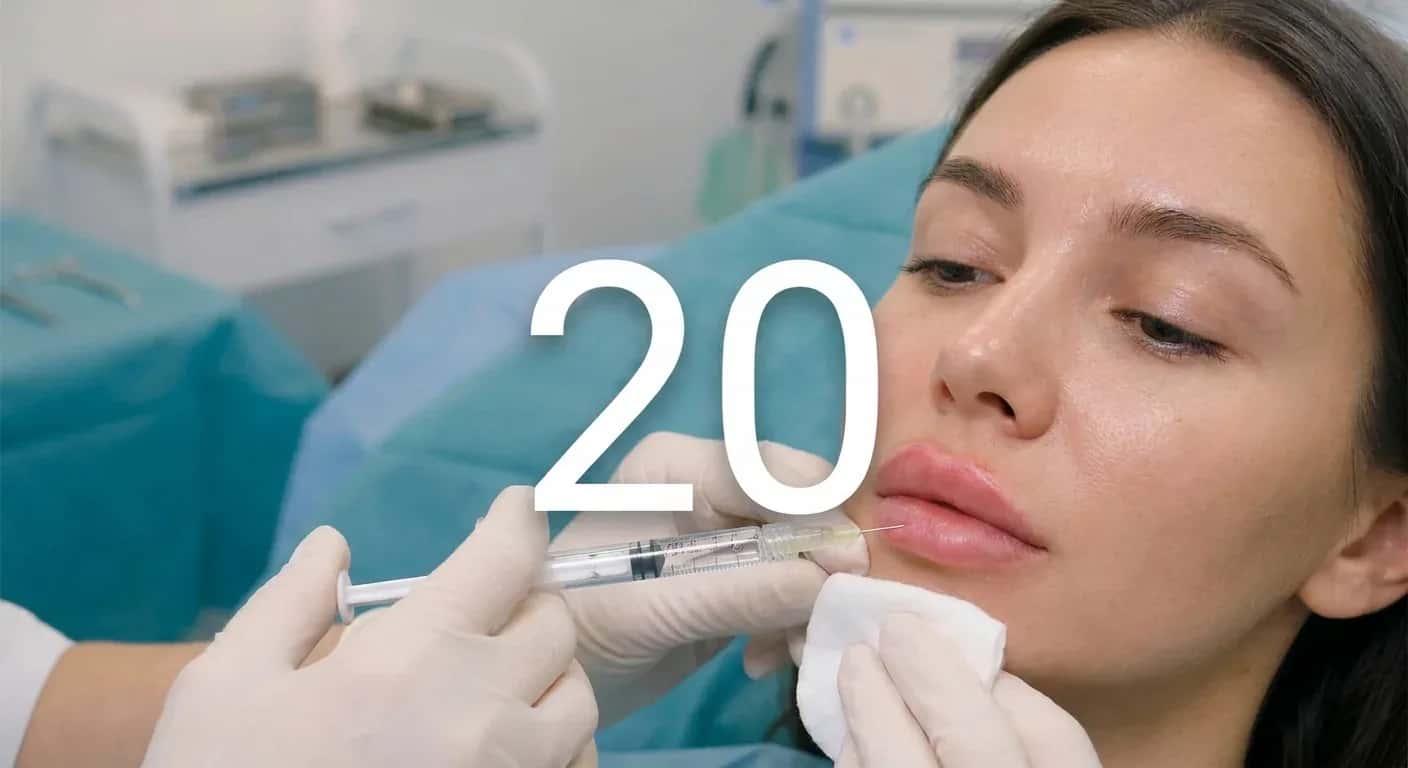
Many singers, actors, reality stars and influencers have talked openly about getting lip filler, and a growing number have also shared why they later had it dissolved. This guide looks at what 20 of these public figures said about their own lip treatments and what their experiences can teach anyone considering filler.

Filler fatigue describes the point where repeated dermal filler treatments leave a face looking heavier, puffier or less like itself, and it is pushing many people to rethink how they approach injectables. This guide explains what causes it, how to recognize an overfilled face.
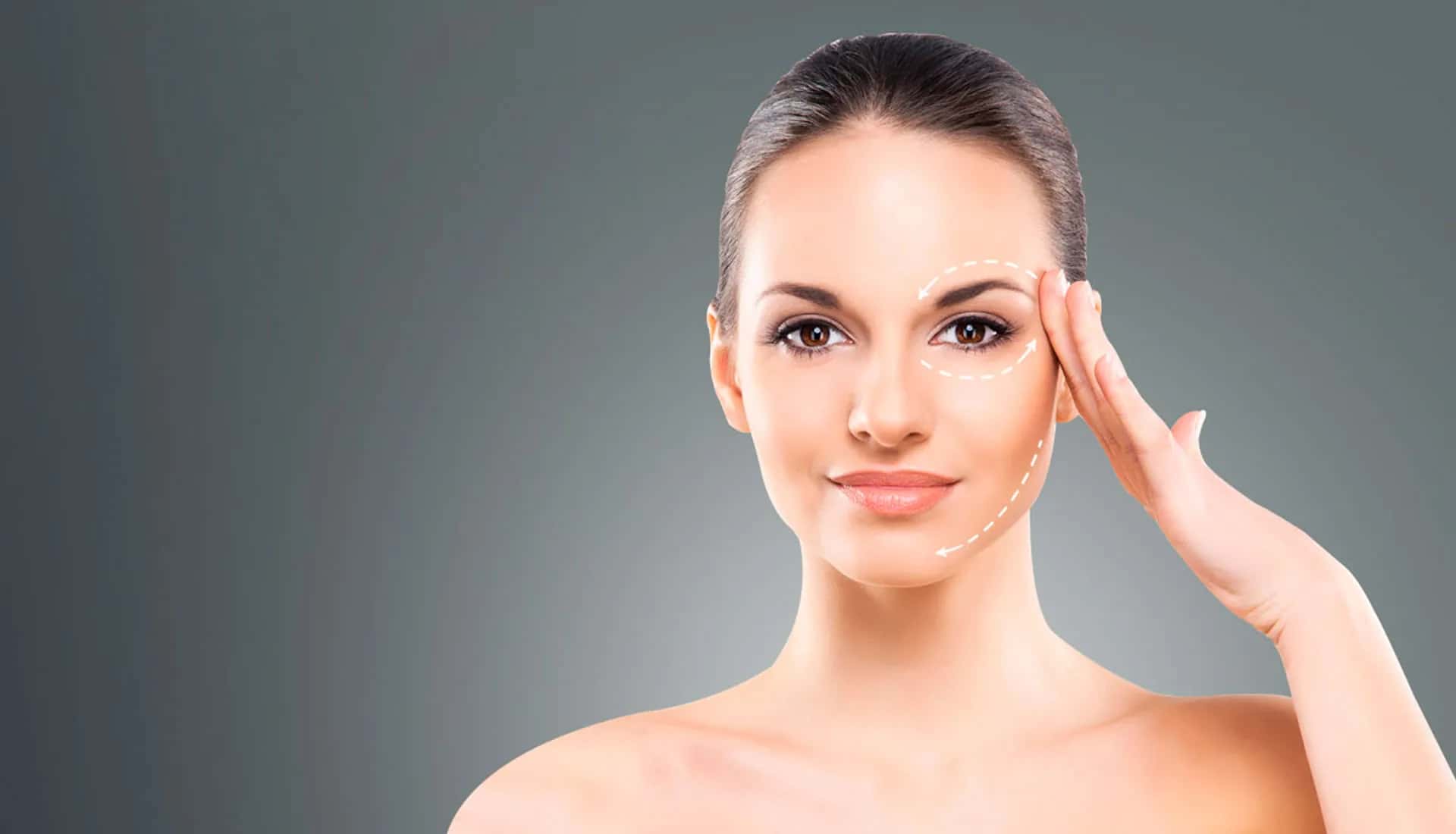
Overfilled faces develop when injectable treatments add more volume than the facial anatomy can accommodate naturally, altering contours, proportions and sometimes facial expression.
Subscribe to the Medifinder newsletter and never miss our latest content.