










Lip Filler
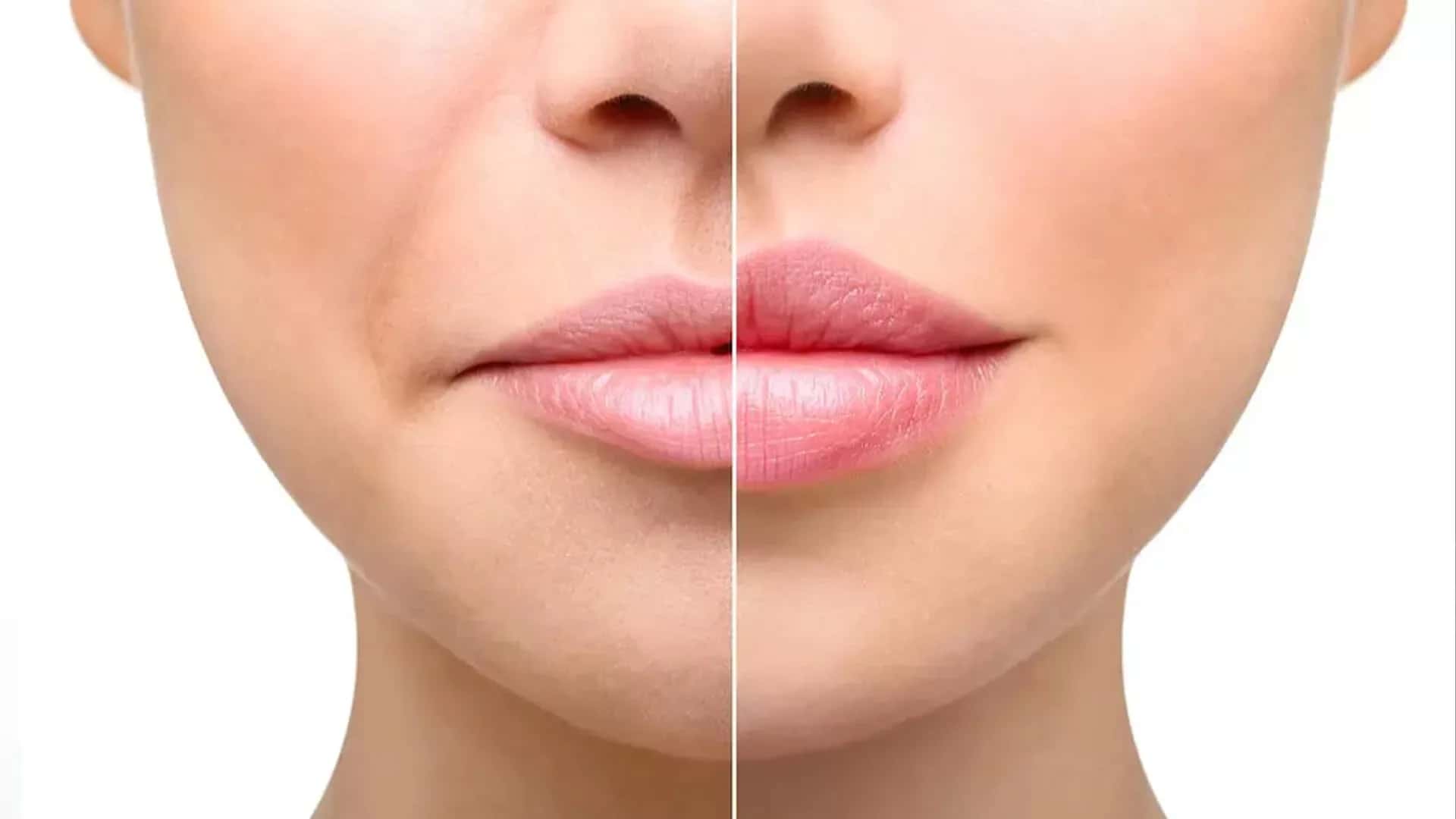
Lip filler temporarily increases volume, improves contours, and can soften selected lines around the mouth. Most treatments use crosslinked hyaluronic acid gels designed for specific injection areas. Results appear immediately, although swelling can distort the early shape.

- Last updated
- 137 reads
- 7 min read


What Is Lip Filler?
Lip filler is an injectable treatment that temporarily adds volume and structural support to the lips.
Most approved products contain crosslinked hyaluronic acid, which forms a biodegradable gel. Clinicians inject this gel into selected lip layers using needles or cannulas. The material supports surrounding tissue and attracts water after placement. Treatment can alter fullness, border definition, projection, or symmetry. It can also soften certain vertical lines around the mouth. However, filler does not create new tissue or permanently enlarge the lips. The body gradually breaks down the material. Treatment outcomes depend on anatomy, product properties, volume, placement depth, and injector technique.
What Can Lip Filler Change?
Lip filler can enhance fullness and contour, but it cannot solve every cosmetic or functional concern.
An injector may define the vermilion border or increase the visible lip body. Strategic placement can improve projection and balance differences between both sides. Filler may also support oral commissures and soften selected perioral lines. However, it cannot shorten a long upper lip or permanently lift severe downward corners. It cannot correct dental alignment, jaw imbalance, speech problems, or substantial skin laxity. Adding excessive volume may exaggerate heaviness rather than improve proportion. A complete assessment should consider teeth, chin projection, muscle movement, and surrounding facial structure before treatment.
Is Lip Filler FDA-Approved?
Several lip fillers have FDA approval, but every approval applies to a specific product, area, depth, and age group.
Juvéderm Volbella XC, Juvéderm Ultra XC, Restylane Silk, and Restylane Kysse have approved lip indications for adults over 21. RHA 3 carries a lip indication for adults aged 22 or older. Its approved areas include the vermilion body, border, and oral commissures. These differences show why “FDA-approved filler” remains an incomplete description. Approval for cheeks or facial folds does not automatically include lip augmentation. Patients should verify the exact product and approved treatment area before injection.
Which Lip Filler Material Is Usually Preferred?
Hyaluronic acid is usually preferred because it offers temporary results and possible enzymatic dissolution.
Crosslinking helps the gel remain within tissue longer than naturally occurring hyaluronic acid. Different manufacturing processes create varying firmness, flexibility, water attraction, and tissue integration. A softer gel may suit subtle movement, while another product may provide stronger projection. Concentration alone cannot predict the final appearance or swelling response. Hyaluronidase can break down hyaluronic acid during selected corrections or complications. However, it cannot dissolve calcium hydroxylapatite, silicone, or other non-hyaluronic materials. No product becomes risk-free simply because clinicians can potentially dissolve it.
How Much Lip Filler Is Usually Needed?
There is no standard lip filler volume because anatomy, baseline fullness, and treatment goals vary considerably.
The RHA 3 pivotal study used an average initial volume of 1.43 mL. Average total volume reached 1.78 mL after optional touch-up treatment. Furthermore, 58.2% of RHA 3 participants received a touch-up. These results challenge the popular assumption that one syringe defines a complete treatment. Clinical trial volumes should not become automatic recommendations for individual patients. Smaller staged treatments may suit subtle corrections or thin tissues. Larger amounts may require several sessions. Conservative planning allows swelling to settle before additional volume changes the final contour.
How Long Does Lip Filler Last?
Lip filler can remain visibly effective for twelve months, although individual duration remains unpredictable.
In the Restylane Kysse study, 60% of assessed participants retained measurable lip-fullness improvement after twelve months. Meanwhile, 78% still reported an improved overall appearance. RHA 3 data showed measurable improvement in 48% of participants after one year. These percentages describe responder definitions rather than unchanged filler volume. A patient can remain a responder after losing some initial fullness. Product choice, injected volume, movement, metabolism, and retreatment influence longevity. Therefore, a twelve-month claim should never guarantee identical shape or projection throughout that period.
What Is Lip Filler Recovery Like?
Lip filler recovery usually involves temporary swelling, tenderness, firmness, bruising, redness, and small palpable bumps.
These reactions often begin immediately and improve during the following week. Restylane Kysse study information states that most reactions lasted seven days or less. RHA 3 research found that 67% of recorded adverse device effects resolved within fourteen days. Early swelling can make one side appear larger or temporarily hide definition. Therefore, immediate photographs do not show the settled result. Increasing pain, expanding redness, heat, discharge, or skin discoloration requires assessment. Persistent symptoms should not receive automatic reassurance without examination.
Are Lumps and Migration Normal After Lip Filler?
Early firmness can reflect normal healing, while persistent or displaced lumps may require professional assessment.
Swelling and concentrated gel can create temporary irregularities during the first days. These areas should generally soften as inflammation settles and the product integrates. A painless persistent bump may reflect superficial placement, excess product, or uneven distribution. Delayed painful nodules may involve inflammation, infection, or another tissue reaction. Filler can also extend beyond the intended lip border, creating visible fullness above the vermilion. However, photographs cannot confirm migration or identify the filler layer. Ultrasound may help locate uncertain deposits before targeted treatment.
Why Can Lip Filler Cause Vascular Occlusion?
Vascular occlusion can occur when filler enters an artery or creates enough pressure to restrict blood flow.
The superior and inferior labial arteries supply the lips through anatomically variable courses. Research shows that these arteries can occupy different depths and positions between patients. Therefore, one universal safe injection layer does not exist for every lip. Restricted circulation can injure skin, mucosa, or deeper tissue. Facial vascular connections also create rare risks involving vision or neurological function. Slow placement and detailed anatomy knowledge may reduce risk. However, neither needles, cannulas, aspiration, nor ultrasound can eliminate every possible vascular complication.
Which Symptoms Require Urgent Care After Lip Filler?
Severe pain, unusual discoloration, vision changes, or neurological symptoms require immediate medical assessment.
-
Increasing pain may indicate restricted circulation rather than expected tenderness.
-
White, grey, blue, or net-like purple tissue may signal reduced blood flow.
-
Cool skin, blisters, or delayed color return can precede tissue damage.
-
Blurred vision, eye pain, drooping, or vision loss requires emergency treatment.
-
Weakness, confusion, speech difficulty, or severe headache may indicate neurological injury.
-
Fever, discharge, spreading redness, or increasing warmth may suggest infection.
Patients should contact emergency services and their injector immediately. Waiting for routine swelling to improve can delay essential treatment.
Can Lip Filler Be Dissolved?
Hyaluronidase can reduce hyaluronic acid filler, but dissolution remains an off-label treatment without one standardized protocol.
The enzyme can address excess volume, superficial deposits, asymmetry, and selected nodules. Clinicians also use it during suspected hyaluronic acid vascular occlusion. However, no hyaluronidase product has FDA approval specifically for dissolving dermal filler. Research has not established one ideal facial dose for every product or complication. Several sessions may become necessary when filler remains concentrated or widely distributed. Hyaluronidase can also cause swelling, bruising, or allergic reactions. It cannot guarantee recovery after prolonged ischemia or established visual injury.
Who Should Avoid or Postpone Lip Filler?
People with active infections, relevant allergies, or unresolved medical risks should avoid or postpone lip filler.
-
Active cold sores, oral infections, pimples, rashes, or wounds require healing before treatment.
-
Severe allergies or previous filler reactions require detailed medical assessment.
-
Lidocaine sensitivity prevents treatment with products containing that anesthetic.
-
Pregnancy and breastfeeding safety remains unestablished for commonly approved lip fillers.
-
Medicines affecting bleeding can increase bruising and require prescriber review.
-
Planned dental treatment may influence scheduling around filler injections.
-
Previous permanent filler can complicate anatomy and later correction.
Patients should never stop prescribed medication solely for cosmetic treatment without medical guidance.
How Should You Choose a Lip Filler Provider?
Choose a licensed medical provider who explains product selection, anatomy, alternatives, and complication procedures clearly.
Ask who performs the injection and who manages emergencies after business hours. Confirm the product name, approved indication, expiration date, and intended treatment volume. The provider should maintain appropriate hyaluronidase supplies when using hyaluronic acid fillers. They should also explain that dissolution remains off-label and carries independent risks. Review results photographed under consistent lighting, expression, and camera distance. Avoid guarantees involving symmetry, painless recovery, permanent results, or zero vascular risk. Keep your treatment record because future clinicians may need the product, volume, date, and injection areas.
References
-
FDA, Dermal Fillers: Soft Tissue Fillers
https://www.fda.gov/medical-devices/aesthetic-cosmetic-devices/dermal-fillers-soft-tissue-fillers -
FDA, FDA-Approved Dermal Fillers
https://www.fda.gov/medical-devices/aesthetic-cosmetic-devices/fda-approved-dermal-fillers -
FDA, Restylane Kysse Patient Information
https://www.accessdata.fda.gov/cdrh_docs/pdf14/P140029S021D.pdf -
FDA, RHA 3 Summary of Safety and Effectiveness Data
https://www.accessdata.fda.gov/cdrh_docs/pdf17/P170002S030B.pdf -
FDA, Juvéderm Volbella XC Summary of Safety and Effectiveness Data
https://www.accessdata.fda.gov/cdrh_docs/pdf11/P110033S018B.pdf -
FDA, Juvéderm Ultra XC Summary of Safety and Effectiveness Data
https://www.accessdata.fda.gov/cdrh_docs/pdf5/P050047S044B.pdf -
Cotofana S, et al., Anatomy of the Superior and Inferior Labial Arteries Revised
https://pubmed.ncbi.nlm.nih.gov/32469050/ -
Samizadeh S, et al., Anatomical Variations in the Course of Labial Arteries
https://pubmed.ncbi.nlm.nih.gov/30204834/ -
Convery C, et al., Delayed-Onset Nodules Following Hyaluronic Acid Fillers
https://pubmed.ncbi.nlm.nih.gov/34840652/ -
Kroumpouzos G, et al., Hyaluronidase for Dermal Filler Complications
https://pubmed.ncbi.nlm.nih.gov/38231537/ -
Borzabadi-Farahani A, et al., Hyaluronidase Use in Managing Aesthetic Complications
https://pubmed.ncbi.nlm.nih.gov/36536092/ -
FDA, Dermal Filler Safety Meeting Materials
https://www.fda.gov/media/147041/download
- Last updated
- Language
- English
How did you find this article?
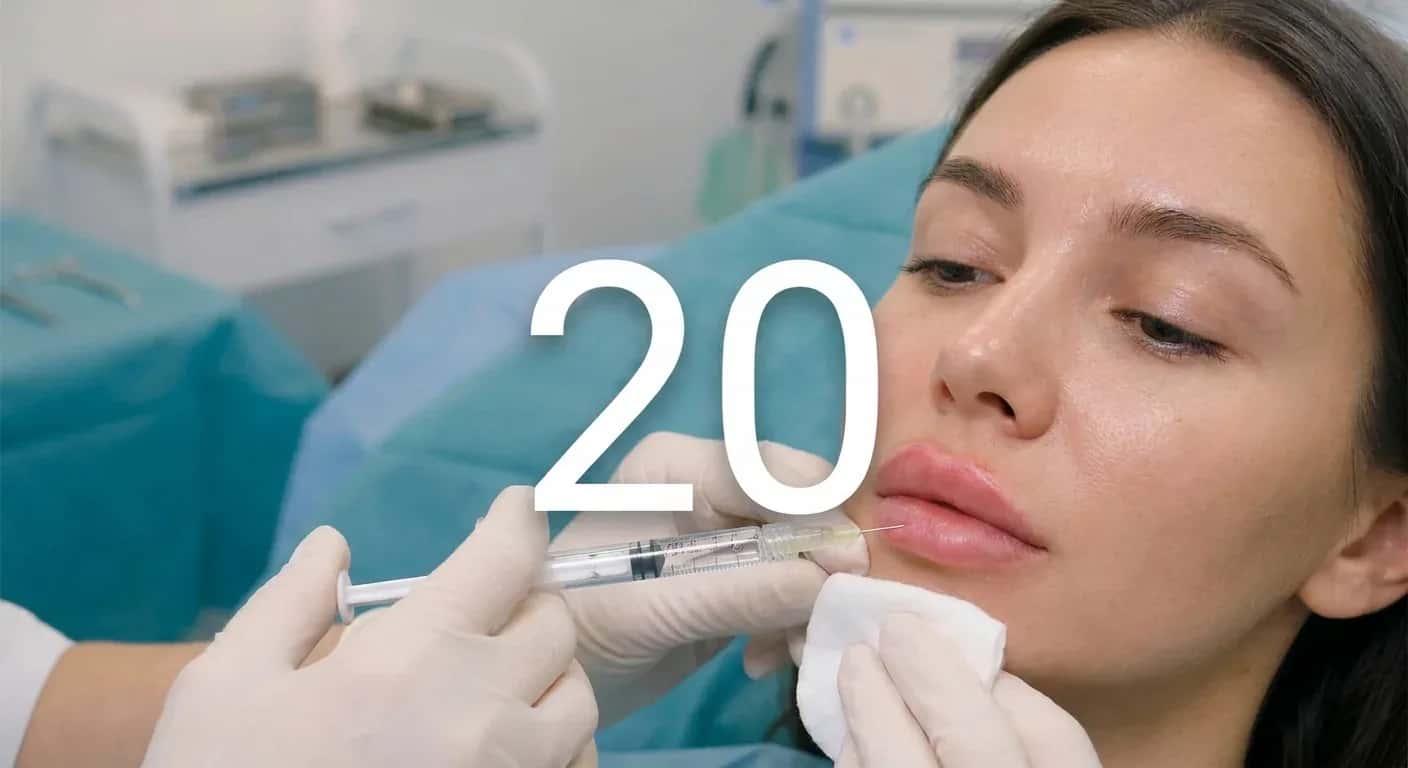
Many singers, actors, reality stars and influencers have talked openly about getting lip filler, and a growing number have also shared why they later had it dissolved. This guide looks at what 20 of these public figures said about their own lip treatments and what their experiences can teach anyone considering filler.


Filler fatigue describes the point where repeated dermal filler treatments leave a face looking heavier, puffier or less like itself, and it is pushing many people to rethink how they approach injectables. This guide explains what causes it, how to recognize an overfilled face.

Overfilled faces develop when injectable treatments add more volume than the facial anatomy can accommodate naturally, altering contours, proportions and sometimes facial expression.
Subscribe to the Medifinder newsletter and never miss our latest content.