










Laminate Veneers Costs Around the World
Laminate veneers costs around the world vary considerably, from a few hundred dollars per tooth in several dental tourism destinations to more than $2,000 for premium restorations in some higher-priced markets.

- Last updated
- 8 reads
- 15 min read
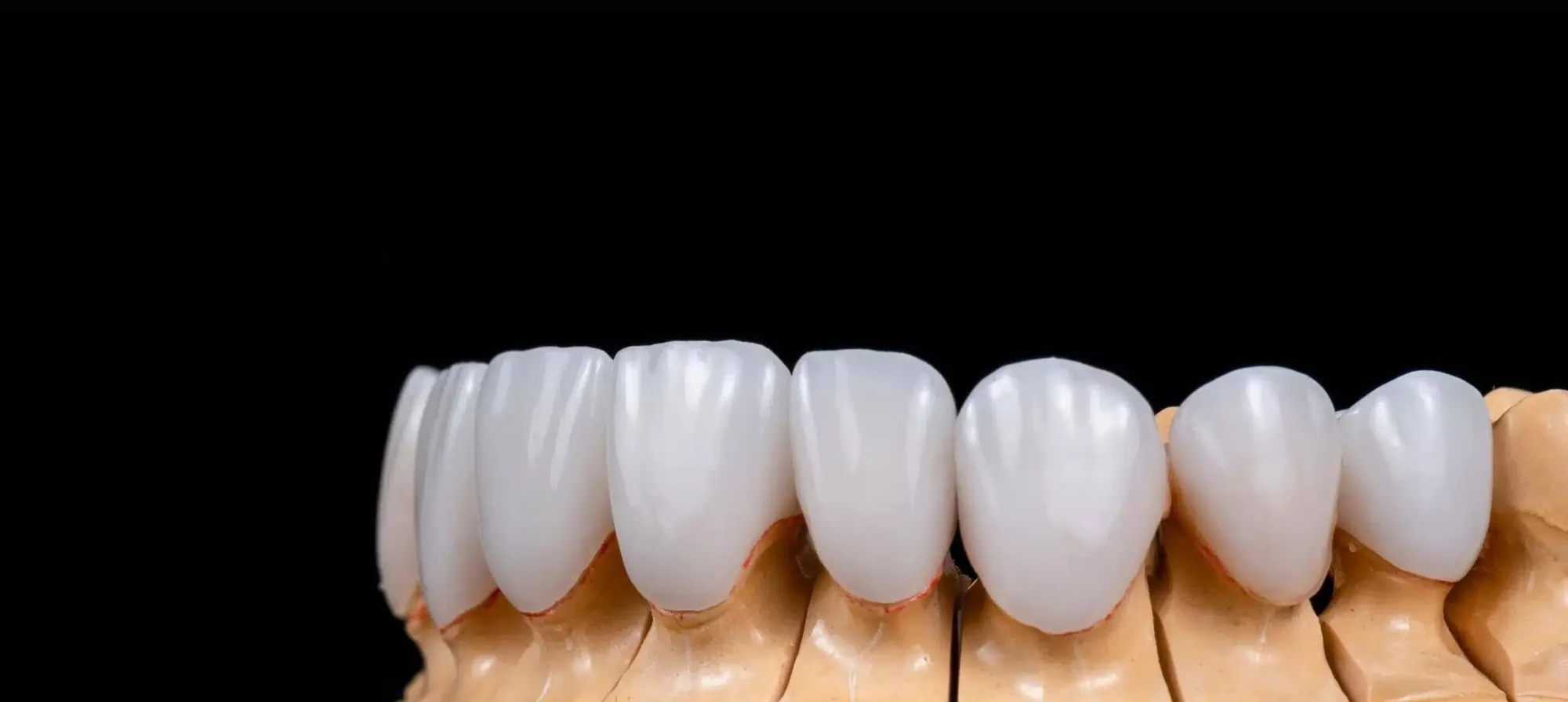


What Are Laminate Veneers and Why Are They Priced Per Tooth?
Laminate veneers are thin, custom-made restorations bonded to the visible surfaces of teeth to improve their color, shape, proportions or minor alignment irregularities.
Most traditional porcelain laminates are made individually for each tooth. Their fabrication requires an accurate impression or digital scan, careful selection of ceramic properties and adjustments that allow the restoration to blend with the surrounding teeth.
This explains why prices are generally quoted per tooth rather than for the smile as a whole.
Someone seeking to correct two discolored incisors faces a different financial commitment from a person considering ten veneers across the upper dental arch. The number of restorations matters, but so does whether every proposed tooth actually needs treatment.
Are Porcelain Laminate Veneers the Same as Dental Crowns?
A laminate veneer typically covers the front surface of a tooth and may extend over its biting edge, whereas a full dental crown surrounds substantially more of the remaining tooth structure.
The distinction affects both treatment cost and the long-term condition of the tooth.
A healthy front tooth with persistent discoloration may be suitable for a ceramic laminate. A tooth weakened by extensive decay, large fillings or fractures may require a crown or another restorative approach.
Some international smile makeover packages use the term veneers even when they include full-coverage crowns.
Before comparing prices, the patient should know whether the proposal involves surface laminates or restorations requiring much more extensive tooth preparation.
How Much Do Laminate Veneers Cost Around the World in 2026?
Published private-treatment prices from 2026 show substantial international differences for porcelain laminate veneers.
| Country | Indicative price per porcelain laminate veneer |
|---|---|
| United States | US$900–$2,500 |
| United Kingdom | £600–£1,500 |
| Turkey | €200–€500 |
| Mexico | US$350–$650 |
| Hungary | €210–€600 |
| Poland | PLN 1,200–3,300 |
| Germany | €700–€1,500 |
| Spain | €350–€800 |
| Thailand | US$270–$910 |
| India | US$230–$770 |
| Australia | A$1,200–A$2,500 |
| Canada | C$900–C$2,500 |
These figures represent broad published and advertised price bands, not official national averages or guaranteed quotations. Some markets have relatively limited published samples, and the figures may reflect different inclusions. Local currencies are retained rather than converted using a temporary exchange rate.
The table is best used to identify the likely price range before examining an itemized treatment proposal.
What Do Porcelain Laminate Veneers Cost in the United States?
In the United States, porcelain laminate veneers commonly carry published prices of approximately $900 to $2,500 per tooth.
At the lower end, six veneers represent a restoration expense of about $5,400. At the higher end, treating the same six teeth could reach $15,000.
This difference becomes important when patients consider extending treatment beyond the most visible teeth.
A person unhappy with two chipped incisors may achieve an appropriate result with limited restorative work instead of covering an entire upper arch.
Diagnostic planning, provisional restorations and other dental treatment can also add to the final bill.
The number of teeth selected should reflect the actual aesthetic problem rather than a predetermined package size.
How Much Are Laminate Veneers in the United Kingdom?
Private porcelain laminate veneers in the United Kingdom generally fall within an indicative range of £600 to £1,500 per tooth.
An eight-veneer treatment could therefore cost approximately £4,800 to £12,000 before any separately billed procedures.
Purely cosmetic veneers are generally paid for privately, which makes understanding the total fee particularly important.
A proposal may include digital planning and laboratory fabrication, while additional services could be listed separately.
The patient's natural smile line also affects the number of veneers required. Someone whose lower teeth are barely visible during smiling may have little aesthetic reason to restore both arches.
Reducing unnecessary treatment can sometimes produce greater savings than choosing a cheaper ceramic.
What Is the Cost of Laminate Veneers in Turkey?
Turkey is among the destinations where published porcelain veneer prices are considerably lower than those in many Western markets.
Indicative prices of approximately €200 to €500 per tooth suggest a restoration-only cost of €1,600 to €4,000 for eight laminate veneers.
However, the term Hollywood Smile sometimes appears alongside packages containing zirconia crowns rather than porcelain laminates.
These treatments should not be considered equivalent simply because both can produce white, symmetrical-looking teeth.
A veneer usually preserves more natural tooth structure than a conventional full crown.
The meaningful comparison is therefore between treatment plans using the same restoration type, with a clear explanation of how each tooth will be prepared.
How Much Do Porcelain Veneers Cost in Mexico?
Mexico offers published porcelain veneer prices commonly ranging from approximately $350 to $650 per tooth, although individual premium quotations can exceed this band.
At $450 per veneer, a treatment involving eight teeth would cost approximately $3,600 before additional expenses.
For patients traveling from nearby regions, follow-up appointments may be relatively convenient. Longer-distance travel can introduce substantial accommodation and transport costs.
Another consideration is the time required for laboratory fabrication and fitting adjustments.
An attractive per-tooth price should not encourage patients to compress a complex restorative procedure into an unrealistic schedule.
The final restorations need adequate assessment for appearance, fit and chewing comfort before treatment is considered complete.
How Do Laminate Veneer Prices Compare in Hungary and Poland?
Hungary and Poland both offer porcelain veneers at prices that can be lower than those in the United Kingdom, Germany or the United States.
Published Hungarian prices include veneers beginning at approximately €210, with more extensive aesthetic work reaching €600 or more per tooth.
In Poland, available 2026 price lists show porcelain veneer fees ranging from approximately PLN 1,200 to PLN 3,300.
The two markets cannot be compared accurately by looking only at the cheapest advertised entry.
A carefully characterized ceramic veneer and a simpler restoration may involve different laboratory processes.
When evaluating treatment in either country, the most useful comparison includes identical restoration materials, the same number of teeth and equivalent fitting and follow-up services.
What Do Laminate Veneers Cost in Germany and Spain?
Germany generally occupies a higher price category for porcelain laminate veneers, with indicative private fees of approximately €700 to €1,500 per tooth.
In Spain, published prices commonly fall within a broader range of approximately €350 to €800.
An eight-veneer treatment might therefore involve restoration-only fees of €5,600 to €12,000 in Germany, compared with approximately €2,800 to €6,400 in Spain.
These calculations do not include the value of convenience.
If adjustments become necessary after the veneers have been fitted, receiving treatment close to home may avoid additional travel expenses.
The total financial comparison should therefore account for both the procedure itself and practical access to future care.
How Much Are Laminate Veneers in Thailand and India?
Thailand and India are frequently included in international comparisons because their published private dental prices can be substantially lower than Western market fees.
Available 2026 pricing datasets show broad porcelain veneer bands of approximately $270 to $910 per tooth in Thailand and $230 to $770 in India.
The relatively wide ranges reflect differences between advertised starting prices, premium ceramic restorations and treatment packages.
For patients traveling from another continent, flights and accommodation may reduce the overall saving, especially when only a few teeth require treatment.
A larger case might offer a more substantial price difference, but it also increases the importance of accurate planning, laboratory coordination and postoperative arrangements.
What Are Porcelain Veneer Prices in Australia and Canada?
Porcelain veneer fees in Australia commonly fall within a broad indicative range of A$1,200 to A$2,500 per tooth.
Canadian private-market figures can range from approximately C$900 to C$2,500.
For someone considering ten veneers, the initial restoration cost can therefore represent a significant investment.
However, expensive treatment does not automatically mean that every visible tooth should receive a veneer.
If the primary concern is tooth color, whitening may produce a satisfactory improvement without attaching ceramic restorations.
Similarly, a minor chipped edge might be restored with composite bonding.
A properly targeted treatment plan can make more financial and biological sense than purchasing a complete set of laminates.
How Much Does a Set of Six, Eight or Ten Laminate Veneers Cost?
The total price can be estimated by multiplying the individual veneer fee by the number of teeth being treated.
At €350 per veneer, six restorations cost €2,100, eight cost €2,800 and ten cost €3,500.
At €1,200 per veneer, those treatment sizes increase to €7,200, €9,600 and €12,000.
These examples show how strongly the size of the proposed treatment influences the budget.
The correct number should emerge from an assessment of the teeth visible during smiling, their existing condition and the intended aesthetic changes.
Six carefully selected veneers may produce a more harmonious result than ten unnecessary restorations.
Why Do Laminate Veneer Prices Vary So Much Between Countries?
International price differences reflect a combination of economic, technical and treatment-related factors rather than the ceramic material alone.
-
Operating and labor expenses: Professional salaries, equipment costs, property expenses and local economic conditions influence the amount charged for restorative dentistry.
-
Dental laboratory work: Individually layered ceramics, detailed surface characterization and complex color matching can require considerably more fabrication time than simpler restorations.
-
Digital planning and provisional stages: Mock-ups, diagnostic scans, trial smiles and temporary restorations may be included in a higher initial fee rather than billed separately.
-
Differences in advertised treatment: Some inexpensive packages involve composite veneers or full crowns, making them unsuitable for direct comparison with premium porcelain laminates.
What Makes a Custom Ceramic Laminate More Expensive?
A porcelain laminate is more than a thin ceramic covering.
Its final appearance depends on how accurately the restoration reproduces natural tooth translucency, surface texture and the transition between the biting edge and the gum.
Two teeth may require different ceramic thicknesses or color characteristics even when they sit next to each other.
The laboratory may also need to account for unusually dark underlying tooth structure, irregular tooth positions or a challenging bite.
These details influence fabrication time and the number of adjustments required.
Paying more does not guarantee a superior aesthetic outcome, but a quotation that makes no allowance for individualized design may underestimate the work involved.
Do E-max and Feldspathic Porcelain Veneers Have Different Prices?
E-max veneers use lithium disilicate glass ceramic, while feldspathic veneers use a different porcelain formulation that can provide highly detailed aesthetic effects.
Both materials can produce natural-looking restorations, but their fabrication techniques and mechanical characteristics differ.
E-max restorations are commonly manufactured through pressing or digital milling, while feldspathic porcelain may involve detailed manual layering.
Their prices can overlap, and neither material is always more expensive.
The choice should account for ceramic thickness, the color of the underlying tooth, bonding conditions and expected chewing forces.
A material label alone does not establish whether the restoration is appropriate or whether the advertised price represents good value.
Are No-Prep Veneers Cheaper Than Conventional Laminate Veneers?
No-prep veneers are designed to be bonded with little or no intentional removal of natural tooth structure.
This can sound simpler than traditional veneer preparation, but minimal cutting does not automatically reduce laboratory costs.
In some cases, producing an extremely thin restoration that fits the tooth naturally demands particularly careful planning.
No-prep veneers are also unsuitable for certain tooth shapes or positions.
Adding ceramic to teeth that already protrude can make them appear bulky, while an excessively thick margin may complicate cleaning.
The value of a no-prep approach depends on whether the teeth can accommodate the additional material without compromising appearance or gum health.
Can Composite Bonding Provide a Similar Result for Less Money?
Composite bonding is often substantially less expensive than porcelain laminate veneers.
A tooth-colored resin can be applied directly to correct minor chips, close small gaps or modify selected tooth contours.
The technique may preserve more enamel and often permits relatively straightforward repairs.
However, composite generally requires more maintenance to manage surface wear, staining and edge deterioration.
Porcelain provides greater resistance to many common sources of staining and can retain its polished appearance for longer.
For minor defects, composite may offer the better value. When more extensive color or shape correction is required, ceramic laminates may provide advantages that justify their higher initial cost.
When Are Whitening or Aligners Better Value Than Veneers?
Not every cosmetic concern requires covering the teeth with ceramic.
Professional whitening may address generalized discoloration when the underlying teeth are otherwise healthy.
Clear aligners can correct certain spacing and alignment problems without permanently changing the tooth surfaces.
These approaches may take longer to produce the desired result, but they can preserve more natural enamel.
For example, a person seeking veneers primarily because two incisors overlap slightly may achieve a better long-term outcome through orthodontic movement.
The lower or higher initial price of veneers becomes less relevant when another treatment solves the original problem with fewer irreversible changes.
How Many Teeth Actually Need Laminate Veneers?
The number of restorations should reflect the appearance of the smile during natural conversation, not only a fully stretched smile in a photograph.
Some people display six upper teeth prominently. Others show eight, ten or more, along with part of the lower arch.
There is little reason to restore teeth that already look healthy and harmonious simply to reach a round package number.
The proposed veneer color must also blend with untreated teeth, which may make whitening useful before the final shade is selected.
A carefully designed treatment may combine a few ceramic laminates with more conservative procedures on adjacent teeth.
That approach can reduce both the immediate expense and the amount of enamel permanently altered.
How Does Tooth Preparation Affect the Lifetime Cost of Veneers?
The biological cost of a veneer matters alongside its financial price.
Conventional porcelain laminates often require limited enamel preparation so the finished restoration does not project unnaturally from the tooth.
Although the reduction is usually far less extensive than preparation for a full crown, it remains irreversible.
Bonding primarily to healthy enamel is generally favorable for long-term veneer performance.
Excessive preparation can expose more dentin, complicate adhesion and increase the likelihood of sensitivity or future restorative problems.
Once a tooth has been significantly altered, continued maintenance or replacement becomes part of its long-term care.
An inexpensive veneer that requires unnecessary enamel removal may therefore carry consequences far beyond the original quotation.
Can Fillings, Gum Problems or Teeth Grinding Increase the Price?
Existing dental conditions can change both the treatment plan and its total cost.
A tooth with a large filling may lack sufficient healthy enamel for a predictable laminate, requiring another restorative approach.
Inflamed gums can affect the accuracy of impressions and the appearance of veneer margins.
Teeth grinding also creates mechanical demands that must be considered before selecting ceramic thickness and restoration design.
In some situations, a protective night guard may be appropriate after treatment.
Addressing these problems first may increase the initial expense, but ignoring them can shorten the useful life of otherwise well-made restorations.
The purpose of preparatory care is to establish a healthy, stable foundation.
What Should a Complete Laminate Veneer Quotation Include?
A useful quotation should describe the complete process required to deliver and maintain the planned restorations, rather than simply multiplying an advertised price by the number of teeth.
-
Diagnostic assessment: The treatment plan should identify the teeth involved and clarify whether examinations, photographs, digital scans and smile design are included.
-
Ceramic type and fabrication: The quotation should specify the material, number of units, laboratory manufacturing and any individual color or shape customization.
-
Preparation and fitting: Tooth preparation, temporary restorations where required, adhesive bonding, bite adjustments and final polishing should be clearly accounted for.
-
Follow-up and additional charges: Any separate fees for gum treatment, replacement of old fillings, postoperative reviews or repairs should be explained before treatment begins.
Does Traveling Abroad for Veneers Still Save Money After Extra Expenses?
Dental tourism can offer genuine savings when the treatment plan is comparable and the price difference is substantial.
However, the cost of traveling abroad extends beyond the dental invoice.
Flights, accommodation, local transport and time away from work should be included in the calculation.
A small restoration involving two teeth may provide limited savings after these expenses, while a larger case could produce a more meaningful financial difference.
Patients should also consider what happens if a veneer becomes loose or requires a bite adjustment after returning home.
The cheapest treatment becomes less attractive when an otherwise manageable problem requires another international journey.
How Long Do Porcelain Laminate Veneers Last?
Porcelain laminate veneers can remain functional and attractive for many years when they are appropriately selected, bonded and maintained.
A systematic review involving thousands of restorations estimated a ten-year cumulative survival rate of approximately 95.5%.
That finding is encouraging, but it represents outcomes across the studied restorations rather than a guarantee for every individual veneer.
Fracture, debonding and changes in the supporting tooth can lead to repair or replacement.
Daily oral hygiene, bite forces, enamel bonding and the presence of teeth grinding all influence long-term performance.
The original purchase price should therefore be considered alongside the realistic possibility of future maintenance.
What Are the Risks of Choosing Veneers Mainly for Their Low Price?
A low advertised fee may encourage patients to focus on the number of restorations rather than whether the proposed treatment is appropriate.
The most concerning situation is when healthy teeth are prepared unnecessarily for full crowns despite the patient believing they are receiving conservative laminates.
Other problems can arise from bulky veneer contours, poorly fitting margins, incorrect bite contacts or insufficient assessment of gum health.
These complications may affect cleaning, comfort and restoration longevity.
Price alone cannot establish the quality of treatment in any country, and high fees do not eliminate the possibility of problems.
The central safeguard is understanding the proposed procedure and its consequences before consenting to irreversible tooth preparation.
What Should You Check Before Booking Laminate Veneers Abroad?
A careful comparison should focus on the clinical details and the arrangements for completing the treatment, rather than relying on promotional photographs or package terminology.
-
Confirm the restoration type: Establish that the proposed treatment involves actual porcelain laminate veneers rather than full-coverage crowns or composite restorations advertised under a similar name.
-
Review tooth preparation: Request a clear explanation of which surfaces will be prepared, how much enamel may be removed and whether less invasive alternatives are suitable.
-
Check the complete financial plan: Compare itemized fees for the same number of teeth, ceramic materials, laboratory work, temporary restorations and necessary preparatory treatment.
-
Understand the aftercare arrangements: Clarify the treatment schedule, adjustment appointments, repair provisions and practical options for receiving care after returning home.
How Can You Compare Laminate Veneer Costs Without Compromising Dental Health?
An accurate international comparison begins with a clearly defined dental treatment rather than the lowest price displayed in an advertisement.
Eight porcelain laminates in Turkey, Mexico or Hungary can be compared with eight equivalent laminates in the United States or United Kingdom when the materials, preparation methods and included services are genuinely comparable.
A package of full crowns cannot be treated as the same purchase simply because it creates a similarly bright smile.
The long-term financial calculation should also consider travel, potential repairs and eventual restoration replacement.
Most importantly, it should recognize the value of healthy tooth structure.
A veneer is worthwhile when it addresses a meaningful aesthetic concern through an appropriately conservative approach. Covering additional teeth or removing more enamel simply to match a package offer creates commitments that the initial savings may not justify.
The strongest result combines a natural appearance with healthy supporting teeth, a comfortable bite and restorations that remain practical to maintain over time.
- Last updated
- Language
- English
How did you find this article?
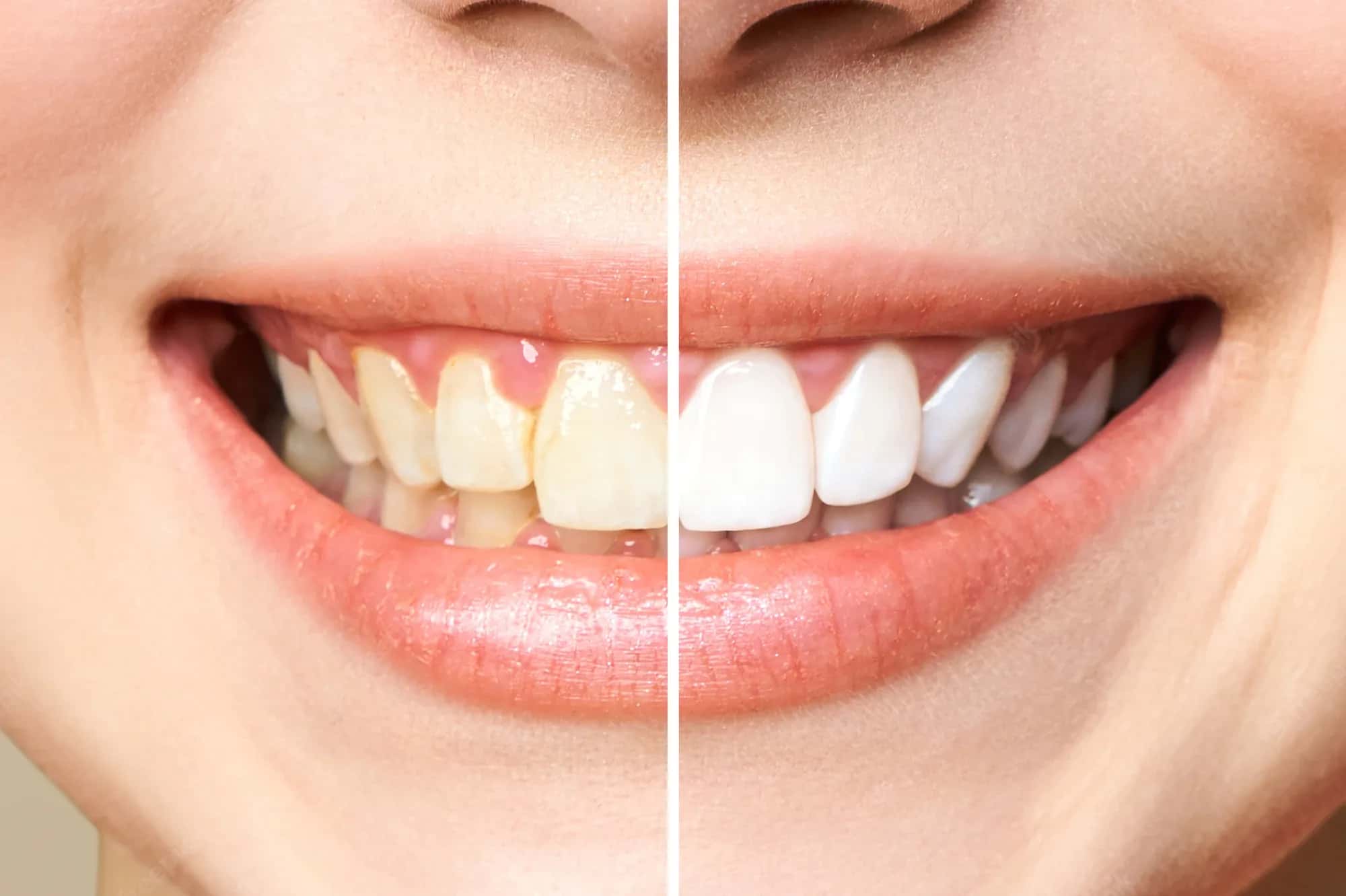
Teeth whitening costs around the world vary substantially, with professional treatment generally costing less in countries such as Turkey, Mexico and India than in the United States or United Kingdom.
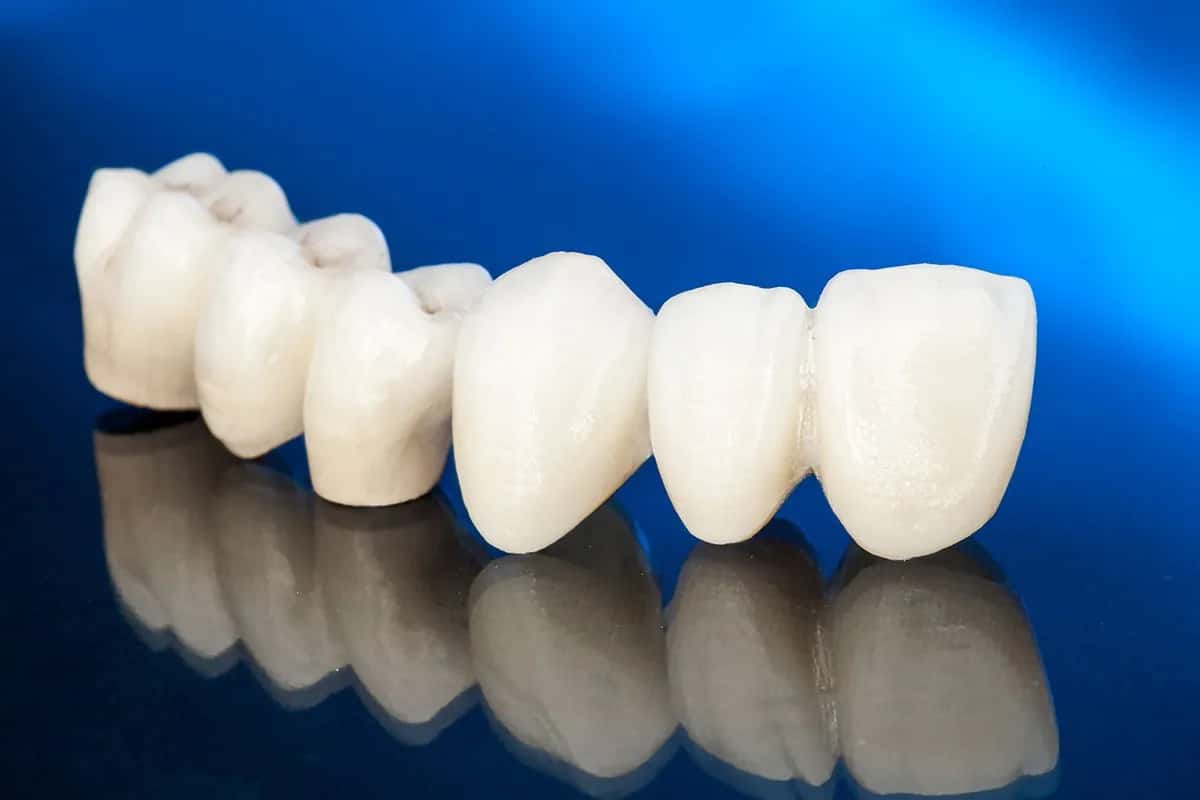
Zirconium crown costs around the world vary significantly, from approximately €180–€400 per tooth in Turkey to $1,000–$2,500 in the United States, based on published 2026 private-treatment prices.
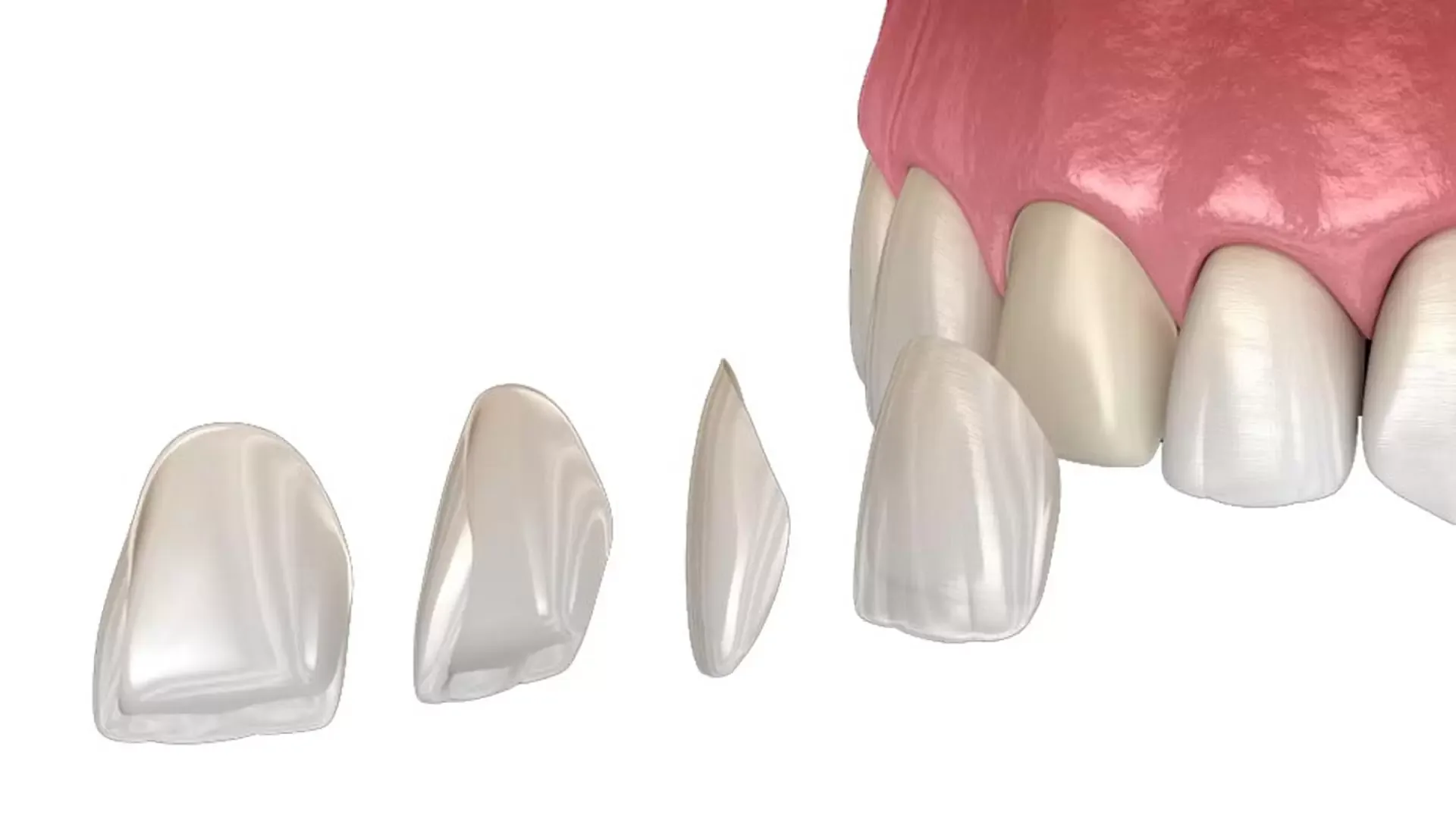
E-Max costs around the world differ significantly, with ceramic veneers and crowns available at lower published prices in countries such as Turkey, Mexico and Hungary than in the United States or United Kingdom.
Subscribe to the Medifinder newsletter and never miss our latest content.