










Joint Pain: Which Doctor To See?
Explore the causes of joint discomfort, stiffness, and swelling. Learn when to seek primary care, rheumatology evaluation, or physical therapy.

- Last updated
- 150 reads
- 10 min read


Joint pain can be a small annoyance at first. A stiff knee after walking, sore fingers in the morning, aching shoulders after work, or hip pain that appears when standing up may not seem serious right away. Still, when discomfort keeps returning or begins to limit movement, the question becomes important: joint pain: which doctor to see? The answer depends on the pattern of pain, the number of joints affected, whether swelling is present, and whether the problem began after an injury or developed slowly over time.
Joint pain may come from strain, overuse, arthritis, inflammation, infection, injury, gout, autoimmune disease, tendon problems, or age-related joint changes. Some cases can be managed through primary care and rehabilitation. Others need rheumatology care, orthopedic care, urgent evaluation, or a more focused treatment plan. The safest approach is to look at the whole picture rather than judging the problem only by pain level.
What Joint Pain Can Mean?
Joint pain is not one single condition. It is a symptom that can come from the joint itself or from nearby muscles, tendons, ligaments, nerves, and soft tissues. Pain may feel sharp, dull, throbbing, burning, stiff, or deep. It may happen during movement, after activity, at rest, or first thing in the morning.
The timing gives useful clues. Pain that worsens after heavy use may suggest wear, strain, or overuse. Stiffness that lasts a long time in the morning may point toward inflammation. Sudden pain in one swollen, hot joint may need urgent attention. Pain after a fall, twist, or direct impact may suggest a sprain, fracture, cartilage injury, or ligament problem.
Joint pain becomes more concerning when it comes with swelling, redness, warmth, fever, sudden loss of movement, deformity, or inability to put weight on the area. Persistent joint pain, repeated episodes, or stiffness that affects daily activity should also be evaluated.
When Joint Pain Needs Urgent Care?
Some joint symptoms should not wait for a routine appointment. Urgent care is important when joint pain is sudden and severe, especially if the joint is swollen, red, warm, or difficult to move. A joint infection can develop quickly and may cause acute pain, swelling, fever, and reluctance to move the affected joint.
Urgent evaluation is also needed after an injury if the joint looks out of shape, cannot be used normally, has sudden swelling, or causes severe pain. These symptoms may suggest a fracture, dislocation, ligament tear, or another injury that needs prompt treatment.
Fever with joint swelling should be taken seriously. The same applies when pain appears with chills, spreading redness, unexplained weakness, or feeling generally unwell. Joint pain may be common, but a hot, swollen joint with systemic symptoms is not something to simply watch at home.
Start With Primary Care For Many Cases
For mild, moderate, recurring, or unclear joint pain, primary care is often the best first step. This is especially true when the pain has developed slowly, affects daily activity, or does not have emergency warning signs. A broad first assessment can help determine whether the source is inflammatory, mechanical, injury-related, metabolic, or connected to another health issue.
Primary care may review the pain pattern, swelling, stiffness, activity level, previous injuries, family history, medications, and general health. A physical exam may check range of motion, tenderness, warmth, alignment, strength, and walking pattern. Depending on the findings, blood tests or imaging may be considered.
This first step is useful because joint pain can be misleading. Knee pain may come from the hip. Hand pain may be inflammatory. Shoulder pain may involve tendons rather than the joint itself. A broad evaluation helps avoid going straight to the wrong place.
When Rheumatology Care May Be Needed?
Rheumatology care is often the right direction when joint pain may be inflammatory or autoimmune. This includes pain in several joints, swelling that keeps returning, long morning stiffness, fatigue, unexplained fever, skin rashes, psoriasis-like skin changes, eye inflammation, or symptoms that affect both sides of the body.
Rheumatoid arthritis is one example of an inflammatory joint condition. It often involves pain, swelling, stiffness, and tenderness, especially in small joints of the hands and feet. Other inflammatory conditions may affect the knees, ankles, wrists, spine, or multiple areas at once.
Rheumatology care may also be considered when joint symptoms are not explained by injury or wear alone. Early assessment matters because inflammatory joint conditions can affect long-term mobility when they are not managed properly. Arthritis is a broad term covering many conditions, and common symptoms include joint pain, stiffness, swelling, tenderness, and reduced movement.
When Orthopedic Care Makes Sense?
Orthopedic care may be appropriate when joint pain appears related to injury, structure, alignment, cartilage, ligaments, tendons, or advanced wear. This route is common for pain after a fall, twist, sports injury, repetitive strain, or a joint that feels unstable, locked, or unable to move normally.
Knee pain after a twisting injury, shoulder pain after lifting, hip pain with walking, or ankle pain after a sprain may fit this path. Orthopedic evaluation may include movement testing, strength checks, imaging, bracing advice, rehabilitation planning, injections in selected cases, or discussion of procedures when conservative care is not enough.
Orthopedic care does not automatically mean an operation. Many joint problems improve with activity changes, physical therapy, medication guidance, strengthening, weight management when relevant, and time. The goal is to understand the structure causing pain and choose a treatment plan that protects function.
When Physical Therapy Or Rehabilitation Helps?
Physical therapy and rehabilitation can be helpful for many types of joint pain. This is especially true when pain is linked with weakness, stiffness, poor movement patterns, balance issues, posture, recovery after injury, or reduced activity.
A rehabilitation plan may include strengthening, stretching, mobility work, joint protection strategies, walking mechanics, and gradual return to normal activity. For knee, hip, shoulder, and ankle pain, targeted exercise can often reduce strain on painful joints.
Rehabilitation is also useful for chronic joint pain. When pain lasts for months, people often move less. Less movement can lead to weaker muscles, tighter tissues, and more pressure on the joint. A careful program can rebuild confidence and function without pushing too hard.
Joint Pain In One Joint
Pain in one joint can come from injury, arthritis, gout, infection, tendon irritation, or overuse. A single painful joint after a clear injury should be checked if swelling, bruising, instability, deformity, or inability to bear weight appears.
A sudden, hot, swollen joint without injury needs quicker attention. Gout can cause intense pain, often in the big toe, ankle, knee, or foot. Infection can also cause severe joint pain and swelling. These can look similar at first, which is why prompt evaluation matters.
If one joint aches after repeated use and improves with rest, the cause may be more mechanical. Still, pain that persists, returns often, or limits normal movement deserves assessment.
Joint Pain In Several Joints
Pain in several joints can suggest a body-wide issue rather than a local injury. It may appear with viral illness, inflammatory arthritis, autoimmune disease, medication effects, thyroid problems, or other conditions. The pattern is important.
Inflammatory pain often comes with swelling, warmth, and morning stiffness. Mechanical pain may worsen with activity and improve with rest. Pain that moves from joint to joint may suggest a different process than pain that stays in the same areas.
When several joints are painful for more than a short period, primary care is a reasonable starting point. Rheumatology care may follow if inflammation, autoimmune symptoms, or unexplained swelling is suspected.
Joint Pain With Morning Stiffness
Morning stiffness can be a helpful clue. Mild stiffness that improves quickly may happen with age-related joint changes or after unusual activity. Stiffness that lasts a long time, especially with swelling and fatigue, may suggest inflammation.
People with inflammatory joint pain often feel worse after rest and better after gentle movement. This is different from many wear-related problems, where pain may increase with repeated use.
Long morning stiffness should not be ignored when it keeps happening. It is one of the patterns that may lead to rheumatology care, especially if several joints are involved.
Joint Pain After Injury
Joint pain after injury should be judged by function, not just pain intensity. A person who cannot stand, walk, grip, lift, or move the joint normally may need prompt assessment. Sudden swelling, visible deformity, popping at the time of injury, locking, or instability are also important clues.
Some injuries feel better after the first day but return when activity resumes. This can happen with ligament sprains, cartilage injuries, tendon problems, or small fractures. If pain keeps returning after activity, evaluation is sensible.
For sports-related joint pain, care may involve primary care, orthopedic care, rehabilitation, or sports-focused assessment. The main goal is safe return to activity without turning a short-term injury into a long-term problem.
What To Share During The Appointment
A clear symptom story helps the evaluation. It is useful to explain when the pain began, which joints are involved, whether swelling is present, and what makes the pain better or worse. Morning stiffness, fever, fatigue, rashes, eye symptoms, recent infections, bowel changes, and family history can also matter.
Mention any injury, repeated movement, new exercise, recent illness, travel, tick exposure, new medication, or change in daily routine. Also share whether pain affects walking, stairs, sleep, work, dressing, gripping, or lifting.
Pictures of swelling or redness can help if symptoms come and go. A short pain diary may also be useful, especially when symptoms change from day to day.
How To Choose The Right Care Path?
The right care path depends on urgency and pattern. Sudden severe pain, swelling, redness, warmth, fever, deformity, or inability to use the joint calls for urgent evaluation. Mild or recurring joint pain without red flags often starts with primary care.
Rheumatology care fits better when symptoms suggest inflammation, autoimmune disease, multiple painful joints, long morning stiffness, or repeated swelling. Orthopedic care fits better when pain follows injury, affects joint structure, causes instability, or is linked with advanced wear. Rehabilitation can support recovery in many cases, especially when strength, mobility, and movement habits are part of the problem.
Joint pain should not be dismissed simply because it is common. A small ache may settle with rest, but persistent pain is information. The earlier the pattern is understood, the easier it is to protect movement and daily comfort.
Frequently Asked Questions
What Doctor Should I See First For Joint Pain?
For most mild, recurring, or unclear joint pain, primary care is a good first step. This visit can help determine whether the problem is mechanical, inflammatory, injury-related, or connected to another health condition.
When Should Joint Pain Be Treated As Urgent?
Joint pain should be treated as urgent when it is sudden and severe, or when the joint is swollen, red, warm, deformed, impossible to use, or painful after a major injury. Fever with joint swelling also needs prompt evaluation.
Which Doctor Treats Arthritis Pain?
Arthritis care depends on the type. Primary care may begin the assessment. Rheumatology care is often used for inflammatory arthritis. Orthopedic care may be considered for structural joint damage, advanced wear, or injury-related problems.
Should I See Rheumatology Or Orthopedics For Joint Pain?
Rheumatology care is more likely when joint pain involves swelling, morning stiffness, fatigue, autoimmune symptoms, or several joints. Orthopedic care is more likely after injury, instability, cartilage problems, or joint damage that affects movement.
Can Joint Pain Be Caused By Overuse?
Yes. Repeated movements, heavy activity, poor mechanics, and sudden increases in exercise can irritate joints and nearby tissues. Rest may help at first, but persistent pain should be assessed.
Is Morning Joint Stiffness Serious?
Morning stiffness can be mild and temporary, but stiffness that lasts a long time or appears with swelling may suggest inflammatory joint disease. Repeated morning stiffness should be discussed during evaluation.
What Causes Joint Pain In Multiple Joints?
Multiple joint pain may be linked with inflammatory arthritis, viral illness, autoimmune disease, medication effects, or other body-wide issues. The pattern, swelling, stiffness, and other symptoms help guide the next step.
Can Physical Therapy Help Joint Pain?
Physical therapy can help many joint problems by improving strength, flexibility, balance, and movement patterns. It is often part of care for knee, hip, shoulder, ankle, and post-injury pain.
Do I Need Imaging For Joint Pain?
Many cases begin with history and physical examination. Imaging may be considered when injury, swelling, deformity, persistent pain, limited movement, or structural damage is suspected.
How Long Should Joint Pain Last Before Getting Checked?
Joint pain that lasts several days, keeps returning, causes swelling, limits daily activity, or does not improve with basic care should be evaluated. Sudden severe symptoms should be checked sooner.
- Last updated
- Language
- English
How did you find this article?
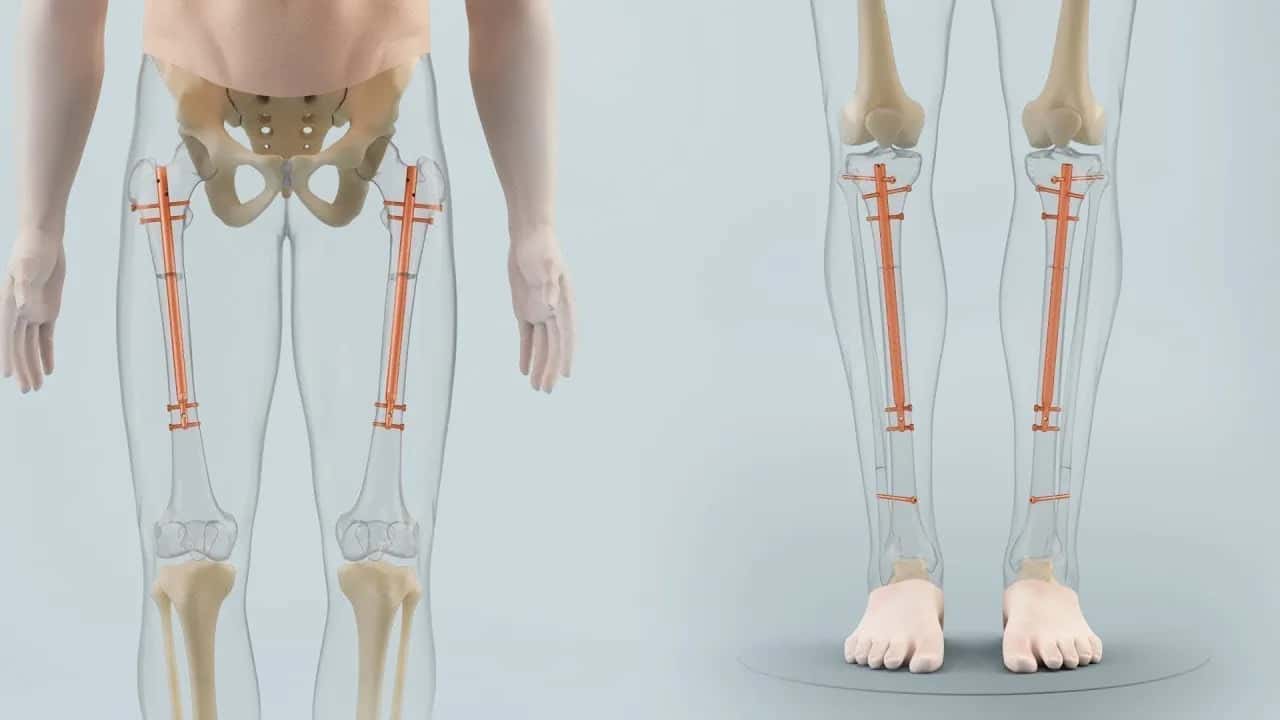
Height reduction surgery is a rare orthopedic procedure in which part of a leg bone is surgically shortened, primarily to correct meaningful limb-length differences rather than as a routine cosmetic operation for people who simply want to be shorter.
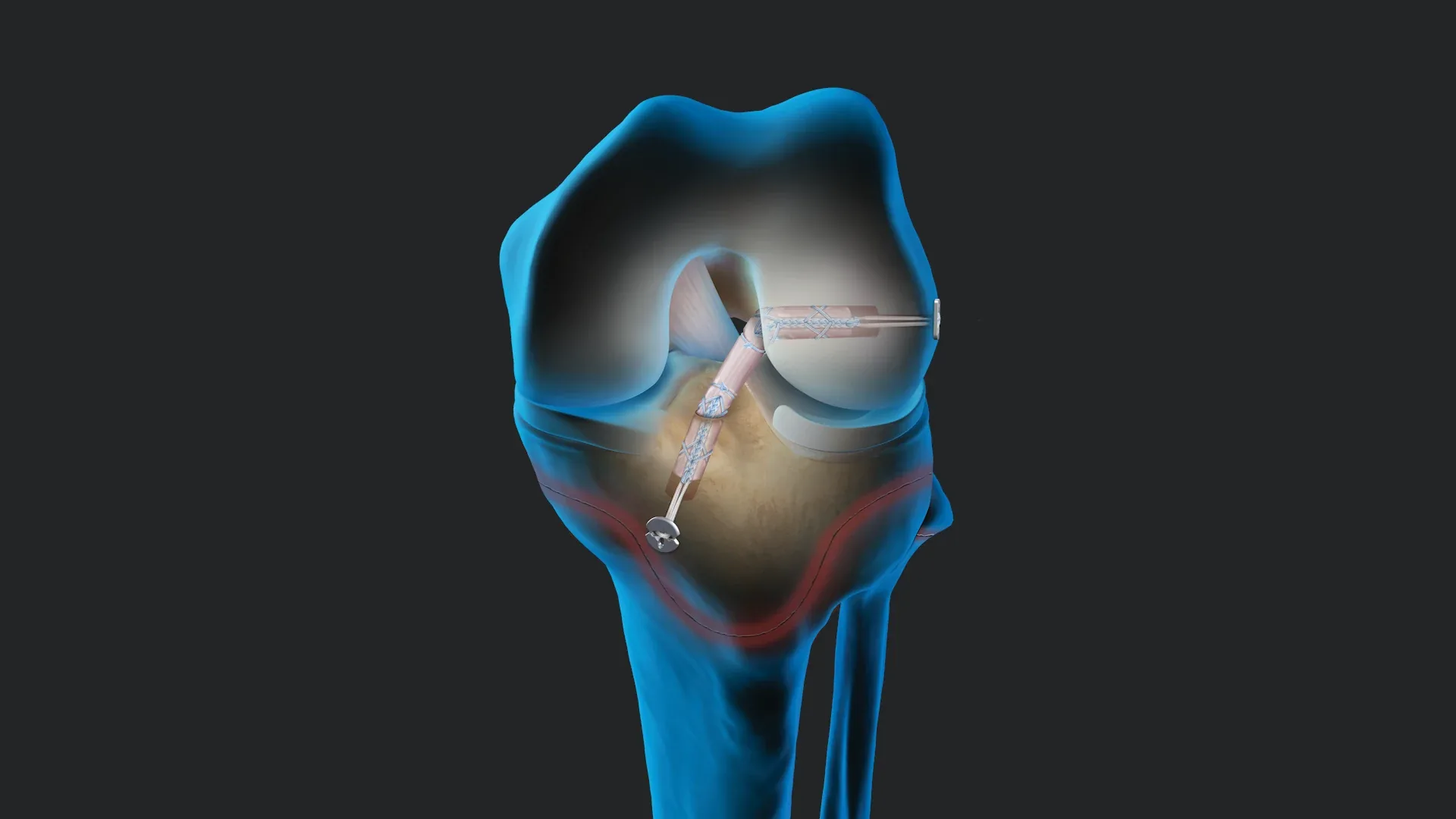
This guide compares ACL surgery costs around the world in 2026, including private treatment, graft choices, hospital packages, rehabilitation, insurance, and medical travel expenses.

Botox Treatment for Spasticity is a medical use of botulinum toxin injections to relax selected overactive muscles for a limited time. It is usually considered when muscle tightness, spasms, or stiffness affect comfort, movement, hygiene, caregiving, or daily activities.

Subscribe to the Medifinder newsletter and never miss our latest content.