










Is Black Plaque on Teeth Dangerous? Causes, Risks, and Removal
This guide explains whether black plaque on teeth is dangerous, what causes dark deposits, how black tartar differs from staining and decay, and when treatment is necessary.

- Last updated
- 69 reads
- 10 min read


Is Black Plaque on Teeth Harmful?
When black deposits on teeth are hardened tartar from plaque buildup, this can be problematic, although some black surface stains are mainly an esthetic problem.
Plaque is a soft film of bacteria that is normally removed by good brushing and cleaning between the teeth. When plaque calcifies into tartar, that rough deposit is hard to remove and can inflame gums. Tartar can be yellow, brown or black especially below the gum line. The dark areas could also be external staining or cavities; not tartar. As the treatments are different for these conditions, persistent dark deposits should be diagnosed not by color alone but by examination.
Black Plaque On Teeth: What Is It?
Black plaque is a non-specific term commonly used to describe dark bacterial deposits, hardened tartar or external staining that appears on the surface of the tooth.
Dental plaque is generally colorless or pale, not black in color. It is constantly being made by oral bacteria that collect in a sticky film on teeth. If left undisturbed, plaque can harden into dental calculus due to minerals in saliva. This hard material can take up pigments and become brown or black. Another condition, called bacterial black stain, can form dark dots or lines, especially near the gum line. So, you need to determine if the material is plaque, tartar, stain or decay before you can decide if it is significant.
What is black plaque on teeth?
Dark deposits on teeth can be caused by mineralized plaque , tobacco , strongly colored drinks , bleeding beneath the gums , chromogenic bacteria or dental decay .
Often texture and location make the cause obvious. Tartar are hard deposits which will remain even after brushing. Black lines or dots around the cervical tooth surface could be a sign of bacterial black stain. Existing calculus will be stained by smoking, coffee, tea and red wine. Tartar can mix with blood under inflamed gums, also making the gums look black. On the flip side, a darker spot on the surface of the tooth could be decay and not something attached to the enamel.
Black Plaque and Black Tartar
Black plaque and black tartar are not technically the same thing, plaque is a soft bacterial film and tartar is plaque that has been mineralized and hardened.
Normal plaque removal is by brushing and cleaning between teeth. Once the mineralization has occurred, there is little that regular home cleaning will do to remove the hardened deposit. Tartar can feel rough or crust-like and can form above or below the gum line. Pigments can accumulate and gradually darken. Many people describing black plaque are actually seeing black calculus and not fresh plaque. This is an important difference because hardened tartar can only be removed by a professional, not by more aggressive brushing at home.
Why Does Tartar Become Black?
Tartar may be black in color, if it is able to absorb dark pigments or it may be mixed with blood from inflamed gum tissue below the gumline.
Things like tea, coffee and red wine are common dietary staining agents. Exposure to tobacco can lead to particularly dark deposits. When there is bleeding around inflamed periodontal tissues and the blood products react with the mineralized plaque, the subgingival calculus may be black. This darker color doesn't make the tartar into a different thing. This is still hardened dental plaque that cannot be predictably removed with a toothbrush. Black subgingival calculus can be especially important, since the location under the gum line may be associated with periodontal inflammation which requires professional evaluation and cleaning.
Does Black Plaque Cause Gum Disease?
Black tartar can also cause gum disease because the hardened deposits create rough surfaces that trap plaque and make cleaning difficult.
Gingivitis is early gum inflammation that causes redness, swelling, tenderness and bleeding when you brush your teeth or clean between them. If plaque and calculus are left at the gum line, the inflammation can progress to periodontitis. Periodontitis is an infection of the tissues and bone that support your teeth and can eventually cause gum recession, loose teeth, or tooth loss. It's not the color black itself which is the biological reason. The concern is bacterial biofilm and mineralized deposit remaining in contact with gum tissues over a period of time.
Does Black Plaque Lead to Tooth Decay?
When the bacteria in the biofilm are exposed to sugar, they produce acids . This can lead to cavities. Plaque is harder to control when tartar is present .
Repeated exposure to acids can slowly erode enamel and let a cavity form. Eventually, a cavity may appear as a white, brown, or black spot on the tooth. Therefore, a black spot should not be automatically assumed to be surface plaque. Cavities can be painless in the beginning and painful and sensitive as they progress. If the dark area seems to be inside the tooth and not on its surface, a dental exam can distinguish between decay and external staining or calculus.
Is Black Stain Bacteria Harmful?
Bacterial black stain is generally more of a cosmetic than a medical problem, and research often links it to lower rather than higher rates of dental caries.
This type of staining usually appears as dark dots or lines surrounding the cervical third part of the teeth. Research has linked the color to certain oral bacteria and iron-containing compounds that settle on the surface of the tooth. A 2025 review found that studies often demonstrated a lower incidence of caries in subjects with black stain, but the biological explanation is unclear. Black stain can be stubborn and difficult to remove without professional cleaning. It also has to be distinguished from tartar, decay and other causes of dark tooth discoloration.
How To Differentiate Black Stain From Tooth Decay?
Black stain usually appears on the outside of the tooth, but tooth decay is a hole in the tooth that can become a cavity.
External bacterial stain often is thin, dark lines or clusters of dots adjacent to the gum margin. It is possible to involve several teeth in a similar way. Decay is more likely to show up inside pits, grooves, between teeth or around weakened areas of enamel. As it progresses a cavity can also cause sensitivity to sweet, hot or cold foods. Color alone is not a reliable distinguishing factor, as both may be dark. A dental examination and surface assessment and sometimes radiography provides a more reliable distinction than trying to diagnose a black area at home by sight.
Why is Black Plaque Often Near the Gumline?
Because bacterial biofilm accumulates in this area and it is close to saliva and gingival fluid that are rich in minerals, dark plaque and tartar often form near the gum line.
The junction of tooth and gum can be more difficult to clean properly than smooth exposed enamel. Plaque left in this area can take a while to mineralize into calculus. Deposits under the gum line may also mix with small amounts of blood from inflamed tissue forming a dark brown or black color. A black bacterial stain is often present around the cervical portion of the tooth. If dark material near the gums stays dark, it's worth watching, particularly if it comes with bleeding, swelling or bad breath.
Does Smoking Cause Black Tartar?
Dark tartar can be caused by smoking as tobacco pigments stain mineralized deposits and tobacco use also increases the chance of calculus formation.
Once formed, the rough surface of tartar readily absorbs external coloring matters. Tobacco can therefore lead to brown or black deposits that are especially noticeable around the gum line and behind teeth. Smoking can also increase the risk of periodontal disease, and it can change the appearance of gum inflammation. This means dark calculus in a smoker should not be a cosmetic staining problem alone. Professional removal of tartar and control of new plaque deposition remain important since the underlying rough deposit will continue to retain bacterial biofilm regardless of its color.
Does Coffee and Tea Turn Tartar Black?
The pigments in coffee and tea readily attach to the rough mineralized deposits on teeth, staining existing tartar.
Other brightly colored drinks like red wine can cause the same effect too . These drinks don't turn clean enamel into tartar by themselves. Instead, they stain deposits that have already formed or contribute to discoloration of external surfaces. A dark line that remains hard and rough after brushing is more characteristic of calculus than a fresh film that can be easily removed. You can minimize surface discoloration by cutting down on staining drinks but, once tartar has formed, it is there to stay. Mineralized deposits that have hardened onto the teeth need to be professionally cleaned.
Can You Get Rid Of Black Plaque At Home?
You can remove the soft plaque at home, but don’t attempt to scrape off the hardened black tartar with sharp instruments, as this can harm your teeth and gums.
Useful daily measures are:
- Brush twice daily with fluoride toothpaste
- Clean between teeth daily
- Pay special attention to the gum margin
- Avoid aggressive scraping with metal instruments
- Avoid tobacco exposure
- Limit frequent staining drinks if discoloration is a concern
- Regular dental check-ups
- Professional clean when hard deposits are left
Once plaque hardens into calculus, brushing and flossing can’t remove it all. Hardened deposits should be removed by professional instruments for safety.
How do you get rid of black tartar?
Professional scaling gets rid of black tartar and sometimes scaling and root planing below the gum line is needed for deeper deposits.
Calculus is removed from the tooth by dental instruments without abrasive scraping at home. Regularly accumulating deposits above the gum can often be removed in a professional cleaning. If calculus extends into periodontal pockets, deeper cleaning of the root surfaces may be necessary. After the hardened material is removed, polishing can then reduce some remaining external stain. The treatment is intended to remove rough plaque-retaining deposit, rather than to reduce its color. Whitening is not a substitute for scaling, because whitening agents do not remove attached calculus.
What Are the Red Flags on Black Deposits?
When black deposits are accompanied by signs of decay, gum disease or infection rather than simple external staining, a dentist should look at them more closely.
Bleeding gums, constant bad breath, swollen gums, receding gums, loose teeth, pain and sensitivity to temperature, are changes that should be of concern. Decay can be indicated by a dark hole or black area that gets larger in a tooth. Swelling of the gum, pus or a painful lump may indicate infection. Black tartar in itself is usually not an emergency, but if left untreated, it increases the likelihood of gum-related complications. A dark deposit with increasing symptoms, therefore, deserves more attention than a stable cosmetic stain without pain or inflammation.
Does Black Plaque Return After Cleaning?
But black plaque, tartar and bacterial staining can reappear after professional cleaning. This is because new bacterial biofilm starts forming constantly on the teeth.
Daily cleaning controls the process, but plaque will not be permanently prevented from occurring. This means that those who are prone to fast calculus formation can develop new build-up in between professional cleanings. Reappearance of chromogenic black stain after removal may also occur because the oral environment in which pigmentation occurs is still present. Recent reviews recommend repeated professional cleaning for persistent bacterial black staining . Good brushing and interdental cleaning will reduce the buildup of ordinary plaque and regular dental checkups will monitor when new hardened deposits need to be removed.
How to Avoid Black Plaque and Tartar?
The best way to prevent black tartar is to remove soft plaque regularly before it mineralizes into a hard deposit.
Brush your teeth twice a day with fluoride toothpaste and clean between them every day with floss or interdental brushes. Make sure to pay extra attention to the gum line and any area where calculus builds up repeatedly. Avoiding tobacco removes one major source of dark staining and periodontal risk. Regular check-ups and professional cleanings help control the deposits that remain even with home care. These procedures reduce plaque accumulation and gum inflammation, but chromogenic bacterial staining can sometimes return despite good hygiene as its microbiology is different from normal calculus formation.
When to Go to a Dentist for Black Plaque?
Black deposits that remain after brushing, are hard or rough to the touch, below the gums, or occur with pain, bleeding, swelling or tooth sensitivity should be checked by a dentist.
Hard black calculus requires professional removal, not home scraping. Also check for a dark spot inside the tooth as black coloring may be an indication of decay. Bleeding gums, gum recession, bad breath or loose teeth are signs of periodontal disease due to plaque and calculus build-up. A stable black stain may turn out to be harmless, but the diagnosis cannot be made on color alone. A professional examination is thus indicated where the deposit is recent, persistent, increasing or associated with other changes in the teeth or gums.
- Last updated
- Language
- English
How did you find this article?
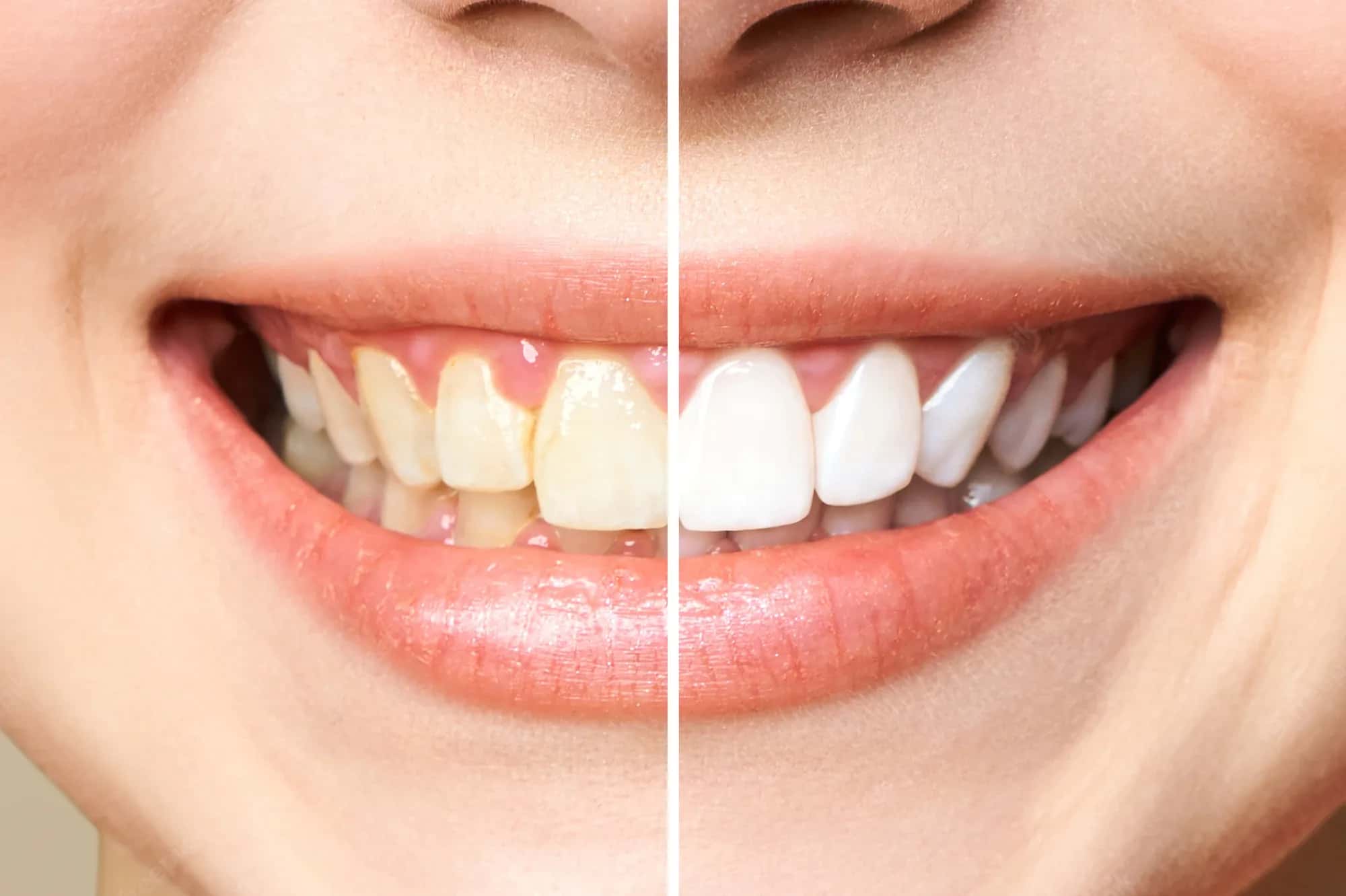
Teeth whitening costs around the world vary substantially, with professional treatment generally costing less in countries such as Turkey, Mexico and India than in the United States or United Kingdom.
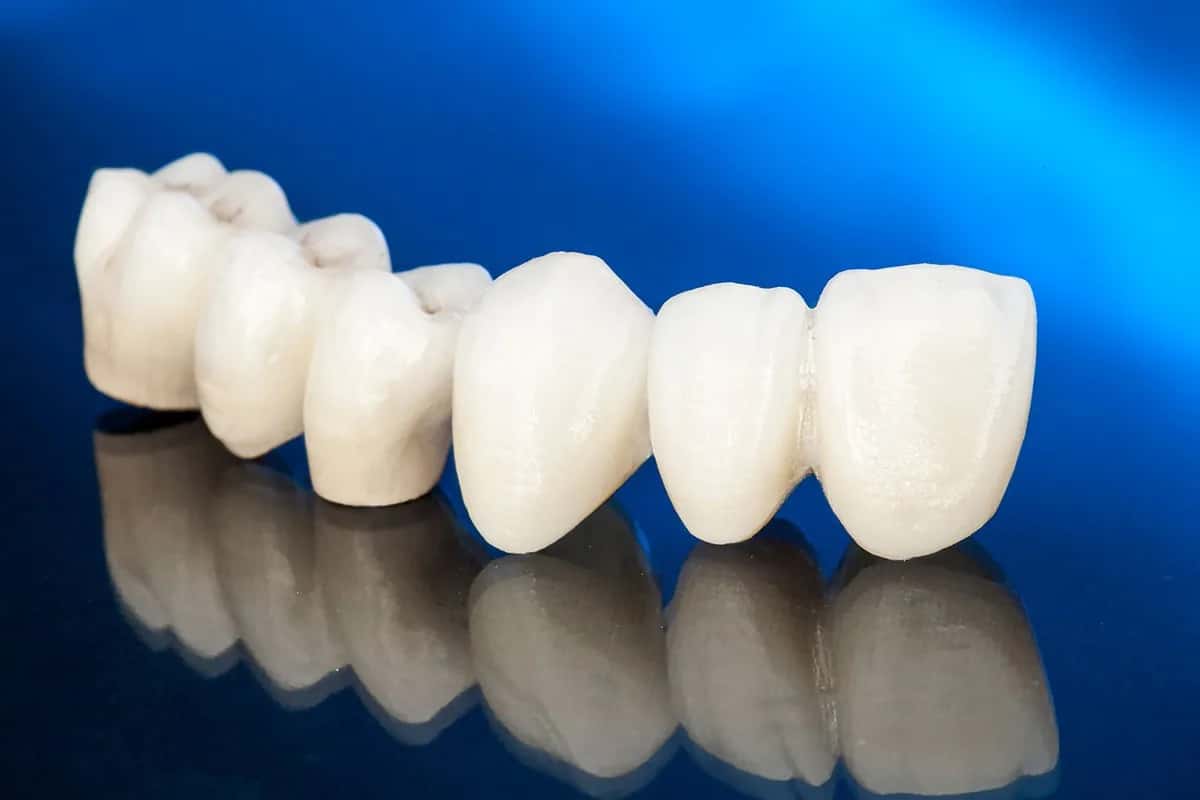
Zirconium crown costs around the world vary significantly, from approximately €180–€400 per tooth in Turkey to $1,000–$2,500 in the United States, based on published 2026 private-treatment prices.
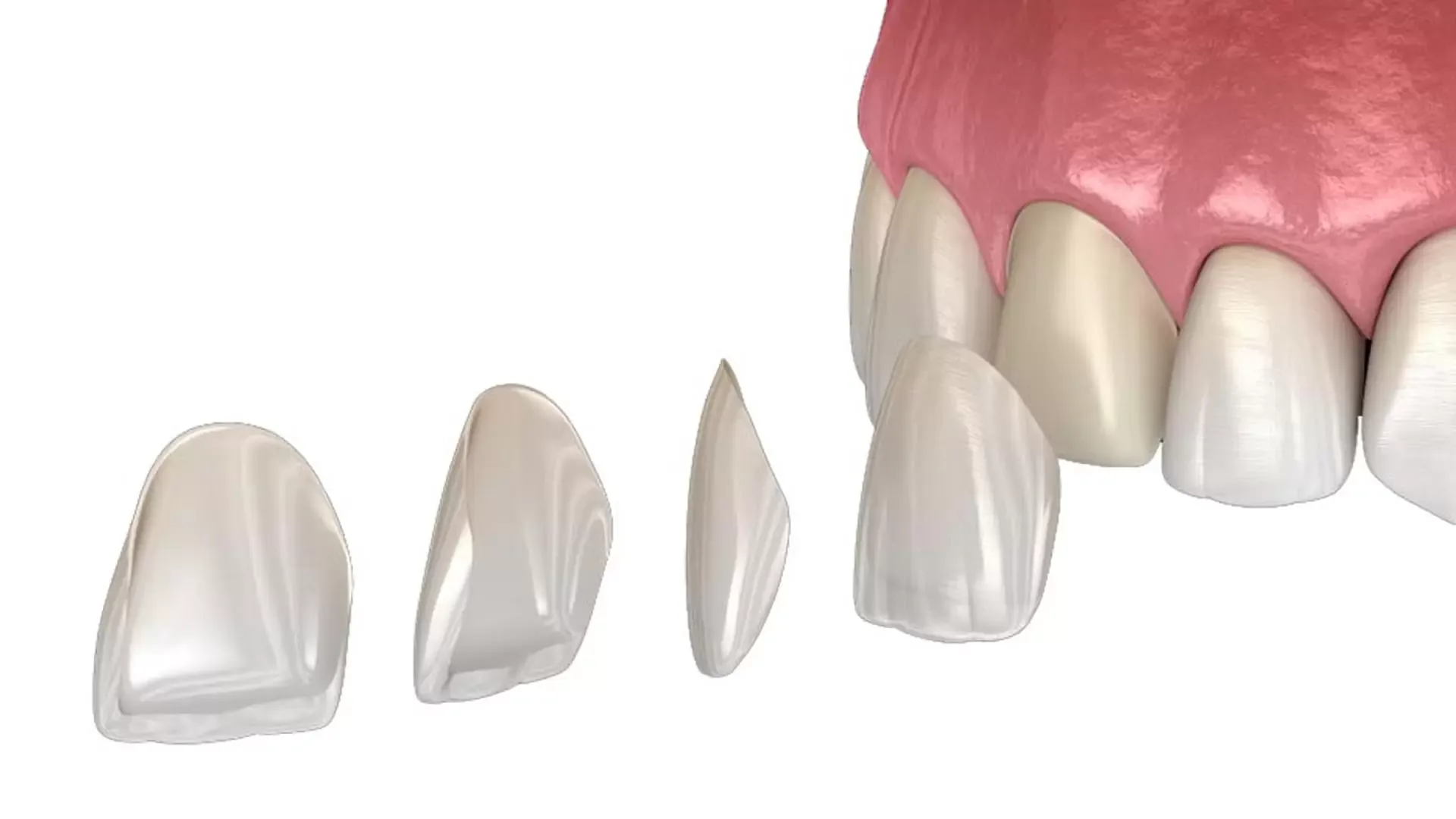
E-Max costs around the world differ significantly, with ceramic veneers and crowns available at lower published prices in countries such as Turkey, Mexico and Hungary than in the United States or United Kingdom.
Subscribe to the Medifinder newsletter and never miss our latest content.