










Is a Dental Implant Screw Visible?
This guide explains whether a dental implant screw can become visible, why exposure happens, what grey discoloration means, and how visible implant components can be treated.

- Last updated
- 41 reads
- 8 min read


Is a Dental Implant Screw Visible?
A properly positioned and healthy dental implant screw should normally remain hidden beneath the gum and surrounding jawbone.
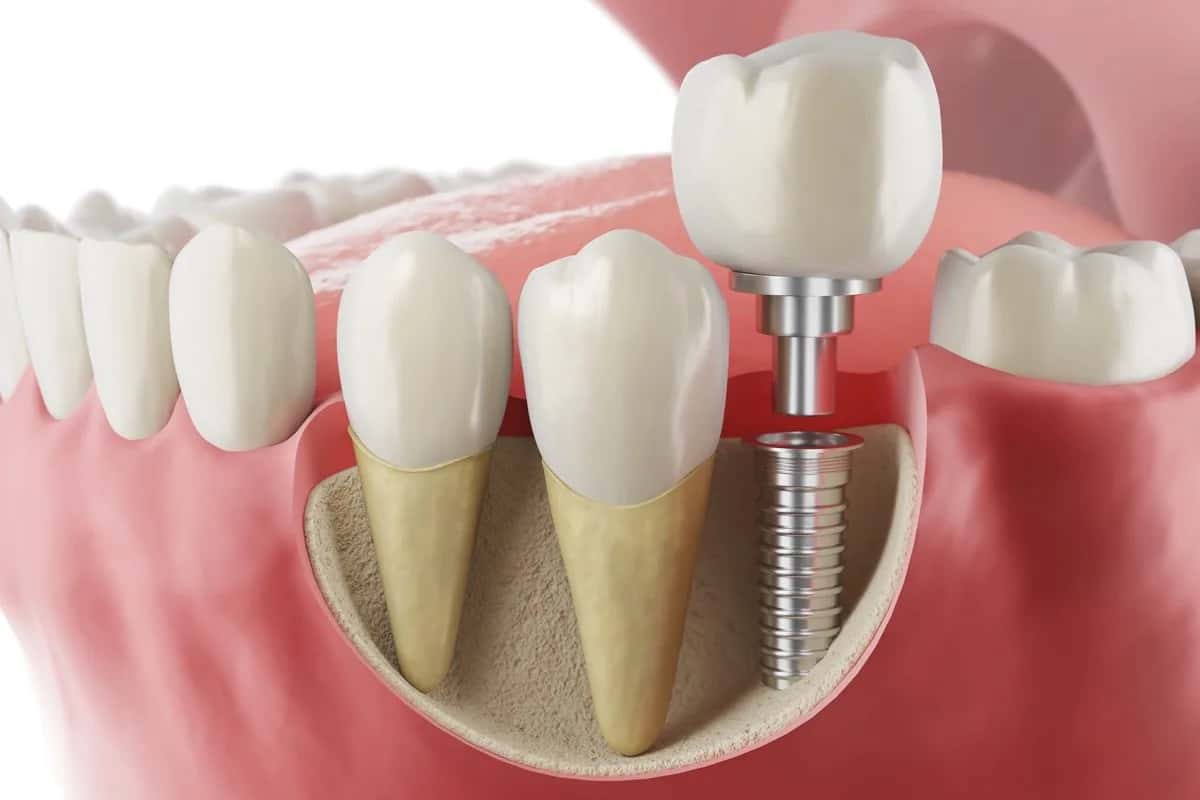
The implant fixture sits inside the bone, while an abutment and crown form the visible restoration above the gum. Patients therefore should not normally see the metal implant body during everyday smiling or speaking. Visibility can develop if gum tissue recedes, facial bone support decreases, or the implant was positioned too far toward the outer surface. Thin tissue can also produce a grey appearance without actual metal exposure. These situations require different assessments and should not automatically be considered implant failure.
What Part of a Dental Implant Is the Screw?
The implant screw usually refers to the titanium fixture anchored inside the jawbone, although patients may also use the term for smaller prosthetic screws.
A single implant restoration commonly has three main parts. The fixture remains inside bone, the abutment connects the restoration, and the crown replaces the visible tooth. Screw-retained crowns can contain another small screw connecting the crown or abutment to the implant. This prosthetic screw is reached through an access channel in the crown. Understanding these components matters because seeing an access filling on a crown is very different from seeing an exposed implant fixture at the gumline.
Can a Dental Implant Show Through the Gum?
An implant can sometimes show through thin gum tissue as a grey or dark shadow even when the metal surface is not physically exposed.
Titanium components can influence the color of peri-implant soft tissue, particularly when the tissue covering them is thin. This effect is most noticeable around front teeth because the gumline is visible during smiling. A grey area therefore does not necessarily mean the implant has broken through the gum. Tissue thickness, abutment material, restoration design, and underlying component color can all influence the appearance. Tooth-colored abutment materials may reduce discoloration in selected aesthetic situations.
Why Can a Dental Implant Become Visible?
A dental implant can become visible when gum tissue recedes, supporting bone changes, or implant positioning leaves the metal too close to the facial surface.
Peri-implant tissue dimensions can change after implant placement and during long-term function. Thin soft tissue is associated with a greater risk of recession around implants. A thin facial bone wall can also experience greater dimensional changes, increasing the possibility of soft tissue instability. Implant position and restoration contour influence this relationship because both affect how the surrounding tissue is supported. Visibility therefore usually reflects changes in the tissue covering the implant rather than the titanium suddenly moving outward.
Can Gum Recession Expose an Implant Screw?
Gum recession can expose the upper portion of an implant or abutment when the soft tissue margin moves away from its previous position.
This exposure is particularly noticeable around front teeth, where even a small vertical change can affect the smile. Recent evidence identifies limited soft tissue thickness as an important risk factor for peri-implant recession. Limited keratinized tissue has also been associated with greater recession and less favorable tissue conditions. Exposure can occur even without active peri-implant disease, so recession alone does not prove infection. The amount of exposed metal and the condition of surrounding bone determine how the problem should be managed.
Can Thin Gums Make a Dental Implant Look Grey?
Thin gums can make titanium implant components appear grey because the underlying metal color can influence the appearance of translucent soft tissue.
This problem is more aesthetic than mechanical when the tissue remains healthy and no metal surface is exposed. It is particularly relevant in the upper front region, where gum color contributes strongly to the appearance of an implant crown. Research comparing abutment materials has repeatedly identified greyish tissue discoloration as a potential disadvantage of titanium beneath thin mucosa. Increasing tissue thickness or changing selected prosthetic components can sometimes reduce this effect. The correct solution depends on whether discoloration comes from the abutment, fixture, or tissue recession.
Can Bone Loss Make an Implant Screw Visible?
Bone loss around the facial side of an implant can contribute to visible metal because the overlying gum loses part of its structural support.
Bone and soft tissue around an implant function as a connected system. When facial bone becomes thin or recedes, the gum margin can become less stable and move toward the root direction. Progressive inflammatory bone loss can also occur with peri-implantitis. However, every visible implant is not caused by peri-implantitis. Natural tissue remodeling, thin pre-existing bone, implant positioning, and soft tissue phenotype can also contribute. Examination should therefore distinguish stable aesthetic recession from progressive inflammatory tissue destruction.
Can Incorrect Implant Position Cause the Screw to Show?
An implant positioned too far toward the facial surface can increase the risk of recession and visible titanium, especially around front teeth.
Implant positioning influences the thickness of bone and soft tissue remaining in front of the restoration. A facially positioned fixture can leave limited space for stable tissue and create an unfavorable crown emergence profile. This becomes more important when the original facial bone is already thin. Surgical planning therefore considers three-dimensional implant position rather than simply placing the implant in the center of the extraction socket. Correct positioning helps support both the final crown and the surrounding aesthetic tissue.
Is a Visible Screw Access Hole the Same as an Exposed Implant Screw?
A visible screw access hole in an implant crown is not the same as exposure of the implant fixture through the gum.
Screw-retained crowns contain an access channel that allows the restoration to be connected or removed. Ideally, this opening exits on the chewing surface of a back tooth. On front teeth, it is preferably positioned on the palatal surface where it is less visible. The access opening is normally covered with restorative material after the screw is tightened. Implant angulation can place the opening in an undesirable visible location, although angled screw-channel systems can sometimes redirect it.
Can an Implant Screw Be Visible on a Front Tooth?
Metal visibility is possible around a front tooth implant because the surrounding gumline and crown surfaces are directly exposed during smiling.
Aesthetic implant treatment in this region requires careful control of implant depth, facial position, soft tissue thickness, and crown design. Recession greater than one millimeter has been reported in a minority of anterior implants during longer follow-up. Thin tissues and limited facial bone increase aesthetic sensitivity because small changes become immediately visible. Even when the fixture remains covered, titanium beneath thin tissue can create a grey hue. Front tooth implant visibility therefore includes both true metal exposure and color show-through.
Can an Implant Screw Become Visible Years Later?
An implant that looked normal initially can become visible years later if the gum margin recedes or surrounding bone and soft tissue dimensions change.
Peri-implant tissues are not permanently fixed at the position seen when the crown is first fitted. Tissue thickness, inflammation, bone support, brushing trauma, prosthetic contour, and long-term remodeling can influence the gumline. Recent evidence shows that peri-implant soft tissue dehiscence can develop during follow-up even around implants without active disease. This explains why a previously hidden metal margin can gradually become noticeable. New visibility after years of stability deserves examination because the underlying cause determines whether monitoring or treatment is appropriate.
What Signs Matter When an Implant Screw Becomes Visible?
Visible metal should be assessed together with the condition of the surrounding gum, crown, and supporting bone.
-
New or progressive gum recession
-
Bleeding around the implant
-
Swelling or persistent redness
-
Pus or an unpleasant taste
-
Increasing implant thread exposure
-
Movement of the implant itself
-
Pain during chewing
-
Progressive bone loss on imaging
-
A new grey discoloration at the gumline
-
Difficulty cleaning around the exposed area
Metal visibility without inflammation can primarily be an aesthetic problem, while progressive bone loss or implant mobility requires more urgent evaluation.
Can a Visible Implant Screw Be Covered Again?
A visible implant can sometimes be covered or made less noticeable when enough healthy supporting tissue remains and the underlying implant position is manageable.
Treatment depends on the cause of exposure. A prosthetic contour can sometimes be modified when the restoration is placing unfavorable pressure on surrounding tissues. Soft tissue augmentation can increase tissue thickness or attempt coverage of recession. Selected cases may require changing the abutment or crown. More complex situations can combine prosthetic modification with periodontal plastic surgery. Complete coverage cannot be guaranteed, particularly when the implant is severely malpositioned or supporting bone is substantially deficient.
Can a Gum Graft Hide a Visible Dental Implant?
A soft tissue graft can improve coverage and tissue thickness around selected visible implants, although complete correction is not possible in every case.
A 2025 review found that soft tissue augmentation improved professional and patient-rated aesthetic outcomes in implants with facial tissue dehiscence. The pooled reduction in defect depth was about 2.2 millimeters. Complete coverage occurred in approximately 71 percent of treated sites within the limited available evidence. Connective tissue grafting was commonly combined with a coronally advanced flap. Outcomes still depend on implant position, defect size, bone support, crown contour, and existing tissue quality.
Does a Visible Implant Screw Mean the Implant Has Failed?
Visible implant metal does not automatically mean the implant has failed because an implant can remain stable and integrated despite gum recession.
Implant failure usually refers to loss of osseointegration, uncontrolled disease, severe supporting tissue destruction, fracture, or another condition that prevents continued function. A small area of recession may instead represent an aesthetic or soft tissue problem. The distinction is important because replacing a functioning implant creates additional surgery and may remove valuable surrounding bone. Assessment should therefore determine implant stability, probing findings, inflammation, bone levels, implant position, and restorative condition before deciding whether the fixture can be maintained.
How Can Implant Screw Visibility Be Prevented?
The risk of implant visibility can be reduced through accurate three-dimensional positioning, adequate bone support, stable soft tissue thickness, and a well-designed restoration.
Thin facial tissue and limited keratinized mucosa are recognized risk factors for peri-implant recession. Bone and soft tissue augmentation can provide additional support in selected situations. Guided implant positioning may also help maintain more favorable tissue dimensions. Restoration contour matters after healing because excessive emergence profiles can contribute to inflammation, recession, and marginal bone problems. Prevention therefore begins before implant placement and continues through crown design and long-term peri-implant maintenance.
When Does a Visible Dental Implant Need Removal?
Visible metal alone does not usually require implant removal unless serious biological, mechanical, or positioning problems make predictable correction impossible.
A stable implant with healthy surrounding tissues may remain functional even when minor recession affects its appearance. Removal becomes more relevant when severe malposition cannot be restored acceptably, progressive peri-implant bone destruction compromises prognosis, or the implant itself becomes mobile. Significant aesthetic defects can also occasionally require removal when reconstructive alternatives cannot provide an acceptable result. The decision should therefore be based on stability, remaining bone, inflammation, implant position, tissue defect severity, and the feasibility of corrective treatment rather than visibility alone.
- Last updated
- Language
- English
How did you find this article?
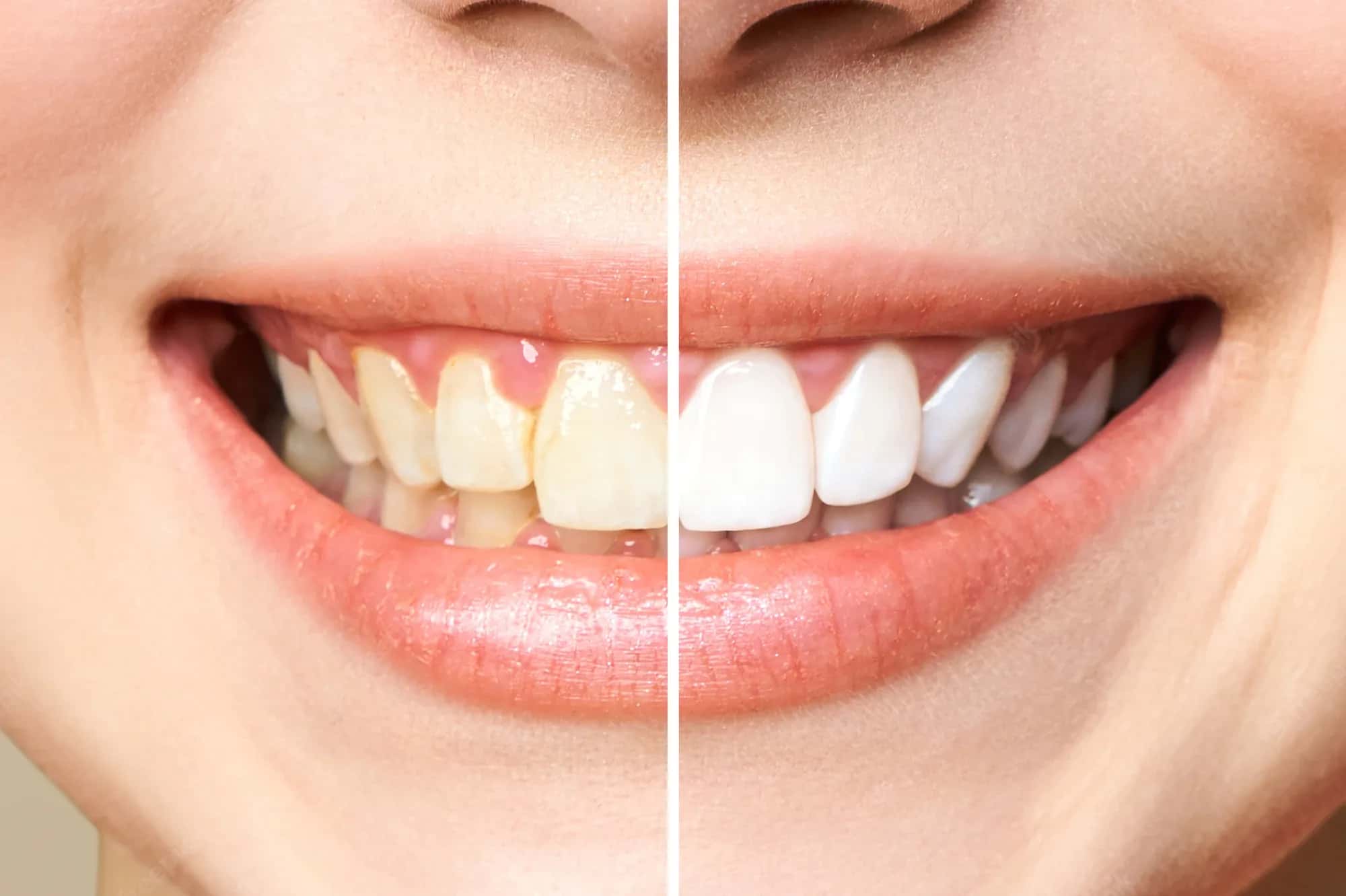
Teeth whitening costs around the world vary substantially, with professional treatment generally costing less in countries such as Turkey, Mexico and India than in the United States or United Kingdom.
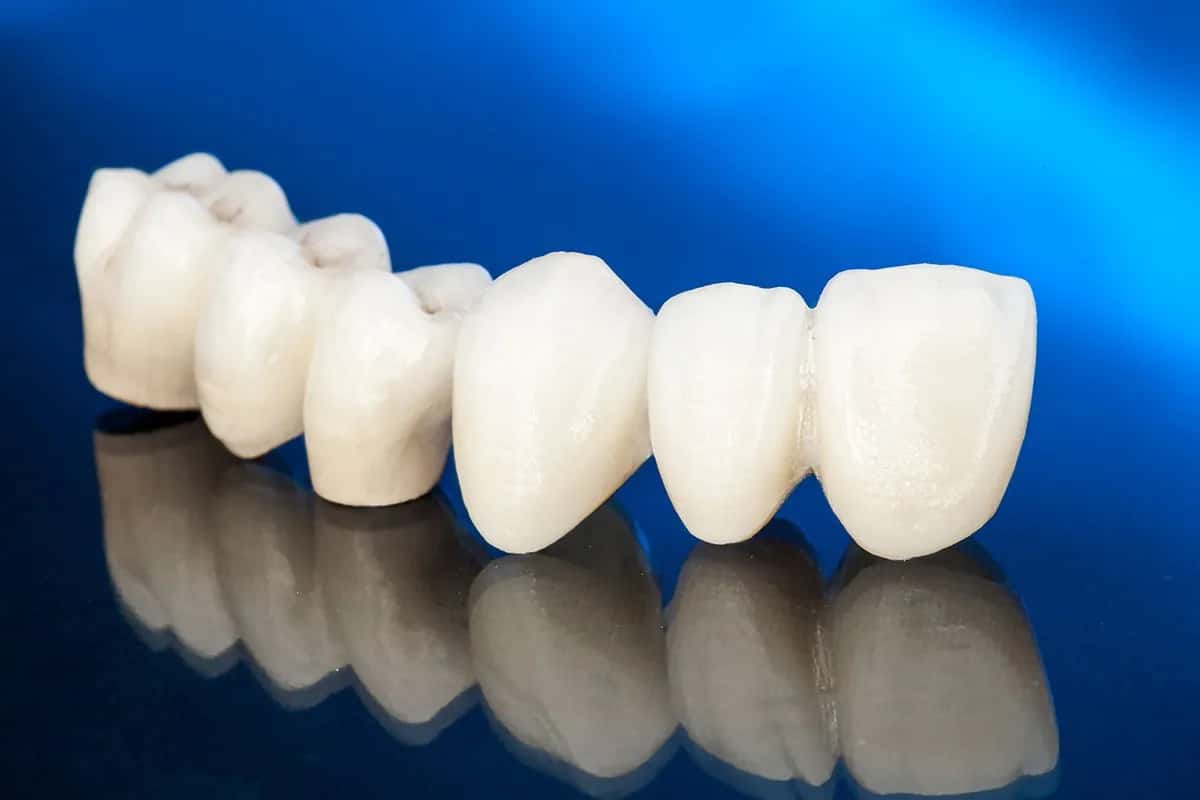
Zirconium crown costs around the world vary significantly, from approximately €180–€400 per tooth in Turkey to $1,000–$2,500 in the United States, based on published 2026 private-treatment prices.
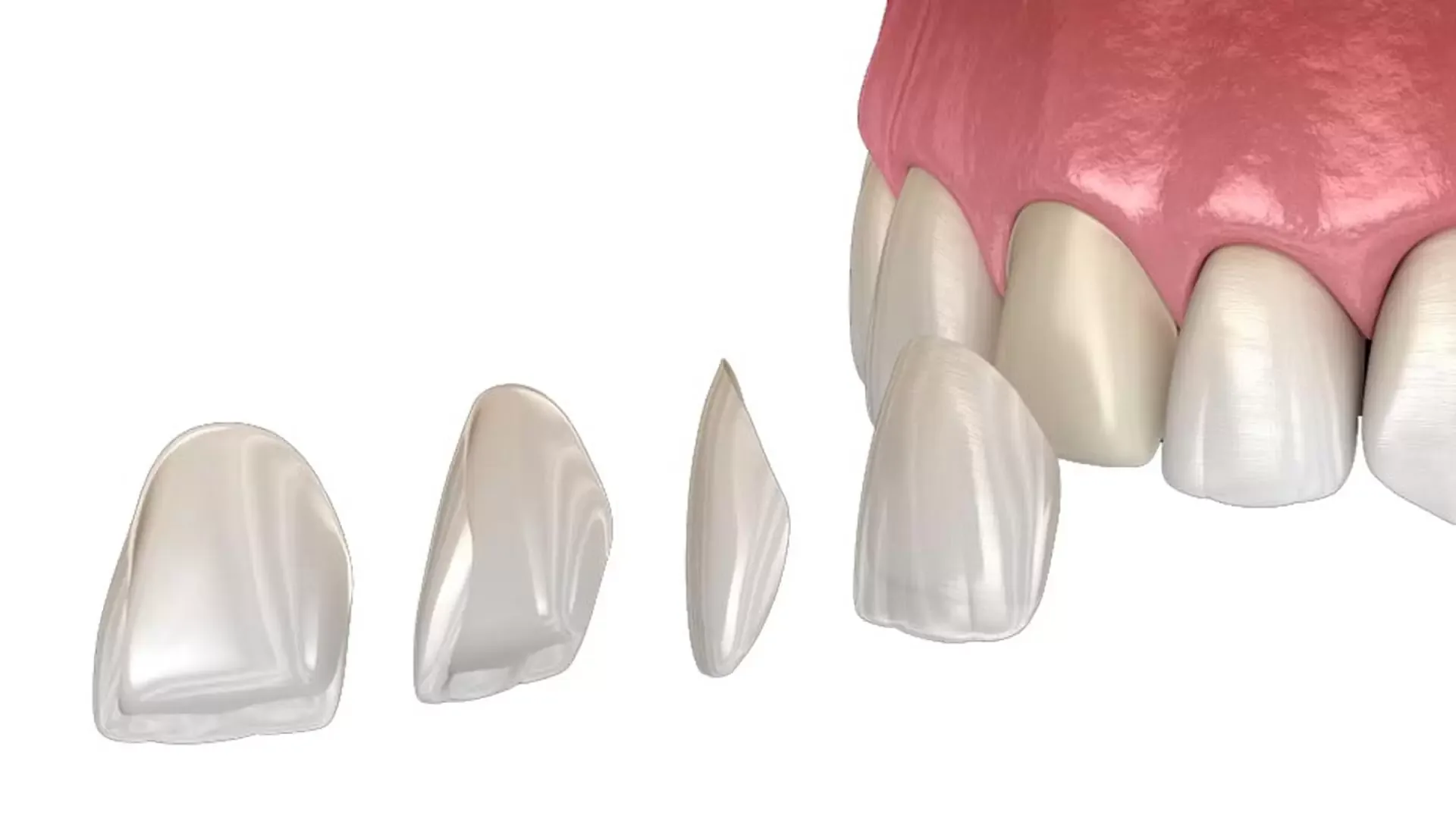
E-Max costs around the world differ significantly, with ceramic veneers and crowns available at lower published prices in countries such as Turkey, Mexico and Hungary than in the United States or United Kingdom.
Subscribe to the Medifinder newsletter and never miss our latest content.