










What Helps with Iron Deficiency? Iron-Rich Foods
We take a closer look at iron-rich foods, foods that boost iron absorption, and everyday nutrition tips.

- Last updated
- 3 reads
- 3 min read
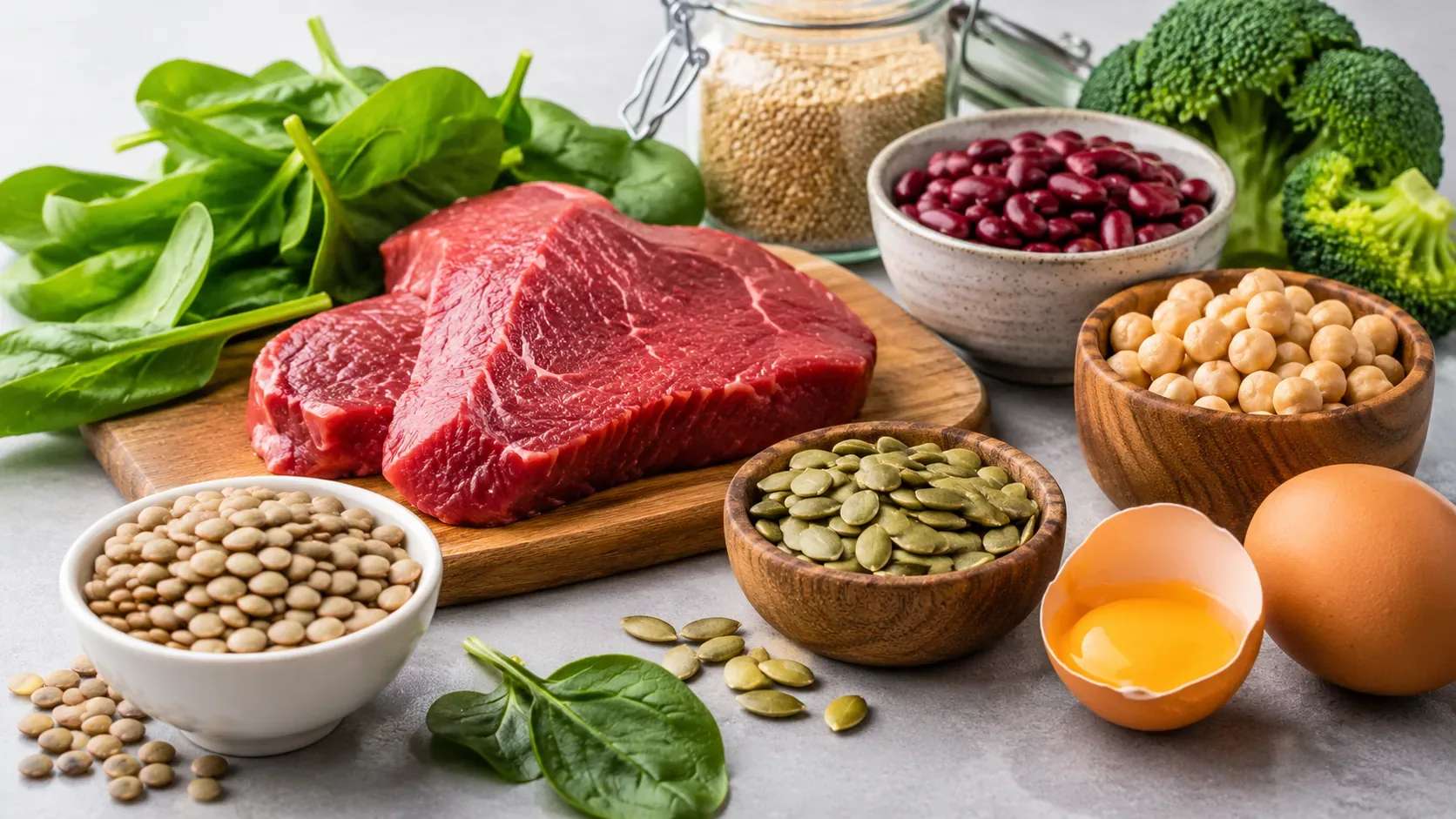


The cup of tea you drink during the day, the salad you choose for lunch or the legumes on your dinner plate… Your daily eating habits may matter more than you think when it comes to meeting your body's iron needs. And it is not just about eating iron-rich foods; it is also about how well your body absorbs this mineral. So what helps with iron deficiency, what should you eat if you are low on iron, and which foods are richest in iron? Here are the foods worth making room for at your table, along with tips to support iron absorption.
Which Foods Contain Iron?
Iron is found in both animal and plant foods. However, the iron in different foods is not absorbed by the body at the same rate. Heme iron, found in animal sources, is generally absorbed more easily than the non-heme iron found in plant sources.
1. Red Meat: A Strong Source of Iron
Red meat contains heme iron, which the body can use easily. Eating it in appropriate portions as part of a balanced diet can contribute to your daily iron intake.
2. Lentils and Chickpeas: Plant-Based Iron Alternatives
Meat should not be the only thing that comes to mind when we talk about iron-rich foods. Lentils, chickpeas and dried beans are also among the plant sources of iron.
Eating legumes together with a salad dressed with plenty of lemon can support the absorption of the iron they contain.
3. Spinach and Leafy Greens
Spinach, chard and other dark leafy greens can contribute to your iron intake. However, not all of the iron in these foods can be absorbed by the body.
For this reason, rather than seeing vegetables as a miracle iron source on their own, it is a better approach to eat them alongside a variety of other foods.
4. Pumpkin Seeds and Nuts
Pumpkin seeds, cashews and some other nuts are convenient snacks that contain iron. Adding pumpkin seeds to salads or having a handful of nuts between meals can help boost your daily iron intake.
5. Fish and Seafood
Sardines, mussels and some other seafood can contain iron. Shellfish in particular can provide a significant amount of iron, depending on the type.
Including fish and seafood in your diet also contributes to your intake of protein and a range of micronutrients.
How Should You Eat Foods That Help with Iron Deficiency?
Pairing foods correctly is just as important as preparing an iron-rich meal. For example, having a lemony arugula salad alongside a lentil dish can help increase the absorption of plant-based iron. This is because vitamin C makes it easier for the body to use non-heme iron.
To support iron absorption, you can:
- Add vitamin C sources such as oranges, kiwis, red peppers and lemons to your meals.
- Avoid drinking tea and coffee at the same time as iron-rich meals in particular.
- Ask your healthcare provider about timing if you take an iron supplement alongside milk or calcium supplements.
- Build balanced meals with a variety of iron sources rather than focusing on a single food.
A Sample Daily Menu for Iron Deficiency
Adding iron-rich foods to your daily routine may not be as hard as you think.
Breakfast: Eggs, wholegrain bread, red pepper and parsley.
Lunch: Green lentil salad, lemony arugula and seasonal vegetables.
Snack: A handful of pumpkin seeds and one kiwi.
Dinner: Grilled meat or a suitable plant-based protein alternative, a vegetable dish and a lemony salad.
This menu is only a general nutrition example. It may vary depending on a person's age, health status and daily iron requirements.
Can Iron Deficiency Be Corrected Through Diet Alone?
Although knowing what to eat for iron deficiency is important, not every case of iron deficiency can be corrected through dietary changes alone. Especially when iron stores are markedly depleted or anemia has developed, a doctor may recommend iron treatment. Underlying causes such as heavy menstrual bleeding, digestive problems or malabsorption may also need to be investigated. For this reason, if iron deficiency is suspected, it should be assessed with appropriate blood tests rather than relying solely on changes to your diet.
If you would like to learn more about iron deficiency, you can read our article Iron Deficiency Symptoms: The Signs Your Body Is Giving You.
An iron-rich diet is an important step in supporting your health. However, to correct a deficiency for good, its cause needs to be identified.
Low iron can also affect your hair. Learn more in Hair Loss and Iron Deficiency.
- Last updated
- Language
- English
How did you find this article?

Have you been feeling more tired than usual lately? Let's take a look at how the signs your body is sending you could be linked to iron deficiency.
Why are vitamins D3 and K2 taken together? Let's look at everything you may be wondering about, from their effects on bone health to their possible risks.
Could constant fatigue and muscle aches be linked to vitamin D deficiency? Let's explore the symptoms, causes and foods that contain vitamin D together.
Subscribe to the Medifinder newsletter and never miss our latest content.