










How to Pass a Kidney Stone?
The most effective method for passing a kidney stone varies depending on the stone’s size and location. Small stones may pass on their own.

- Last updated
- 152 reads
- 8 min read


How to Pass a Kidney Stone?
The most effective method for passing a kidney stone varies depending on the stone’s size and location. Small stones, usually 5 mm or smaller, can often pass on their own with plenty of fluid intake and medications recommended by a doctor. Larger stones may require medical intervention.
Small stones can pass through the urinary tract on their own, and adequate fluid intake supports urine flow during this process. If there is pain, painkillers may be used with a physician’s recommendation. For some stones in the ureter, medications that help relax the canal may make it easier for the stone to pass.
If the stone is large, blocks urine flow, or there are signs of infection, waiting may not be appropriate. Fever, chills, unbearable pain, vomiting, or inability to urinate requires urgent evaluation.
Methods That May Help Pass a Kidney Stone
- Drink Plenty of Water: Drinking 2.5–3 liters of water per day, or the amount recommended by your doctor, may help the stone move by increasing urine flow. Light yellow urine is usually an indicator of adequate fluid intake.
- Move Regularly: Activities such as walking, light jogging, or climbing stairs may help the stone move through the urinary tract in some cases.
- Use the Medications Prescribed by Your Doctor: Some medications relax the ureter muscles and allow the stone to pass more easily. Painkillers may also reduce discomfort during the stone-passing process.
- Pay Attention to Your Diet: Reduce salt consumption. Avoid processed foods. Limit excessive animal protein intake. Do not completely eliminate calcium without a doctor’s recommendation.
Can a Kidney Stone Pass on Its Own?
A kidney stone can pass on its own. Especially small kidney stones may pass through the urinary tract and be eliminated from the body without surgical intervention. However, whether a stone will pass on its own depends on its size, location, and the person’s urinary tract anatomy.
In general, small stones are more likely to pass. As the stone moves through the urinary tract, it may cause pain in the lower back, side, or groin area. Some people may also experience blood in the urine, frequent urination, or a burning sensation while urinating. When the stone is completely eliminated from the body, these symptoms usually decrease or disappear.
However, not every kidney stone passes on its own. Larger stones or stones that cause urinary tract obstruction may require medication or different medical methods. In addition, if symptoms such as fever, severe pain, vomiting, or inability to urinate occur, a healthcare facility should be consulted without delay.
In brief, a kidney stone can pass on its own, but whether this is possible depends on the stone’s characteristics, and medical follow-up may be required in some cases.
How Does the Kidney Stone Passing Process Occur?
The kidney stone passing process occurs when the stone leaves the kidney, moves through the urinary tract, and is expelled from the body. This process may vary from person to person and may last from a few days to a few weeks depending on the stone’s size, location, and the structure of the urinary tract.
When the stone begins to move, pain is usually felt in the lower back or side area. When the stone enters the ureter, the channel between the kidney and bladder, the pain may intensify and spread toward the groin area. During this period, symptoms such as frequent urination, burning while urinating, nausea, or blood in the urine may occur.
When the stone reaches the bladder, symptoms often become milder. In the final stage, the stone is expelled through urine. Although short-term discomfort may be felt while the stone passes, pain usually decreases significantly or disappears completely after the stone comes out.
What Determines How Long It Takes to Pass a Stone?
The time it takes for kidney or urinary tract stones to pass may vary depending on the stone’s size, location, and the person’s urinary tract structure. Some small stones may pass on their own within a few days, while larger stones may take weeks or require medical intervention.
One of the most important factors affecting how long a stone takes to pass is its diameter. In general, smaller stones are more likely to pass through the urinary tract.
| Factor | Effect |
|---|---|
| Stone Size | Small stones may pass more easily |
| Stone Location | Stones close to the ureter may progress at different rates |
| Urinary Tract Width | May affect the passage process |
| Fluid Intake | May increase urine flow |
| Age and Health Status | Among the factors that may affect the process |
| Stone Composition | Some stone types may be harder |
How Many Days Does It Take to Pass a Kidney Stone?
A kidney stone may pass within a few days to a few weeks depending on its size and location. Small stones located lower in the urinary canal may progress more quickly. The average passage time may range from approximately 2 to 4 weeks. However, not every stone moves at the same speed. The stone’s diameter, shape, urine flow, and the edema it creates in the ureter affect the duration.
If pain cannot be controlled, fever is present, or urine flow is blocked, waiting is not appropriate. In this case, medical intervention may be required instead of waiting for the stone to pass on its own.
How Long Does It Take for Small Kidney Stones to Pass?
Small kidney stones, especially those under 5 mm, can often pass on their own within a few weeks.
When these stones enter the ureter, they may move toward the bladder with urine flow. The smaller the stone, the higher the chance of passing through the canal. Stones under 5 mm are more likely to pass spontaneously. However, even a small stone may cause pain and obstruction if it gets stuck at a narrow point. Therefore, not only the stone’s size but also its location and the symptoms it causes should be monitored.
Can Large Kidney Stones Pass on Their Own?
Large kidney stones can pass on their own, but this possibility decreases significantly as the stone gets larger. Especially with stones larger than 6 mm, passage through the urinary canal becomes more difficult. Stones 10 mm and above often do not pass on their own and may require a procedure.
Large stones may block the canal, cause swelling in the kidney, and lead to recurrent pain. In this case, stone-breaking, endoscopic removal, or surgical options may be considered instead of waiting with medication. The decision is made according to the stone’s size, location, and effect on the kidney.
Does the Location of the Stone Affect Passage Time?
Yes, the location of the stone directly affects both the passage time and the likelihood of passing. Upper ureter stones close to the kidney are generally harder and slower to pass. Lower ureter stones close to the bladder may move more easily. This is because the path for the stone to be expelled becomes shorter as it moves downward. However, the stone may get stuck in narrow parts of the ureter and cause pain attacks. Once the stone’s location is determined through imaging, whether waiting or intervention is needed can be planned more clearly.
How Long Does Pain Last During the Stone Passing Process?
Stone-passing pain may last for hours or days in attacks as the stone moves.
Pain usually occurs when the stone moves through the ureter and the canal contracts. Therefore, the pain may not be constant; it may come and go in waves. When the stone falls into the bladder, lower back and side pain often decreases significantly. However, if the stone remains stuck in the canal, the pain may recur and become more severe. If pain is accompanied by fever, chills, vomiting, inability to urinate, or bloody urine, urgent evaluation is required.
What Helps Pass a Kidney Stone?
Drinking plenty of water, moving, controlling pain, and following the treatment recommended by the doctor may help pass a kidney stone. However, the stone’s size, location, and whether it causes urinary tract obstruction determine the treatment approach.
- Drinking plenty of water: Adequate water intake during the day may help small kidney stones pass by increasing urine flow.
- Light movement: Light activities such as walking may support the stone’s movement through the urinary tract.
- Applying heat: Placing a hot water bottle on the lower back or abdomen may relieve muscle spasm and pain.
- Using medications prescribed by the doctor: Painkillers, medications with muscle-relaxing effects, or medications that facilitate stone passage should be used under medical supervision.
- Drinking lemon water: Since lemon contains citrate, it may be supportive for some stone types; however, it does not replace treatment on its own.
- Reducing salt: Excess salt intake may increase the risk of kidney stones. Eating less salty foods helps prevent stone formation.
- Limiting animal protein: Excessive consumption of meat, offal, and processed meat may increase the risk in some stone types.
- Not holding urine: Urinating regularly may help reduce accumulation in the urinary tract.
- Avoiding cola and sugary drinks: Sugary and acidic drinks may increase the risk of kidney stones.
What Are the Symptoms of Passing a Kidney Stone?
Symptoms of passing a kidney stone occur as the stone moves through the urinary tract and may appear with different severity from person to person. The most common symptom is severe pain that starts on the side of the lower back and spreads toward the groin. This pain usually comes in waves and may change location as the stone progresses.
During the stone-passing process, frequent urination, burning, or pain while urinating may also be seen. Some people may have blood in the urine, causing the urine to appear pink, red, or brown. Nausea, vomiting, and restlessness are also common symptoms.
As the stone approaches the bladder, the need to urinate may increase and the person may feel unable to empty the bladder completely. When the stone is expelled from the body, pain and other symptoms usually decrease significantly or disappear completely.
However, if high fever, chills, unbearable pain, or inability to urinate occurs, urgent medical evaluation is required because this may indicate infection or urinary tract obstruction.
How Does Kidney Stone Pain Go Away?
To relieve kidney stone pain, the treatment recommended by the doctor should be followed first. The cause of the pain is the pressure and irritation created as the stone moves through the urinary tract. Therefore, pain may sometimes be mild and sometimes quite severe.
Drinking plenty of water may help some small stones move forward and may reduce pain. Painkillers prescribed by a doctor and medications that make stone passage easier are also commonly used methods for pain control. Resting and, in some people, applying a warm compress to the lower back or side area may provide temporary relief.
However, if kidney stone pain is very severe, continues constantly, or is accompanied by fever, nausea, vomiting, and difficulty urinating, a healthcare facility must be consulted. These may be signs of a more serious blockage or infection.
Source:
- Last updated
- Language
- English
How did you find this article?
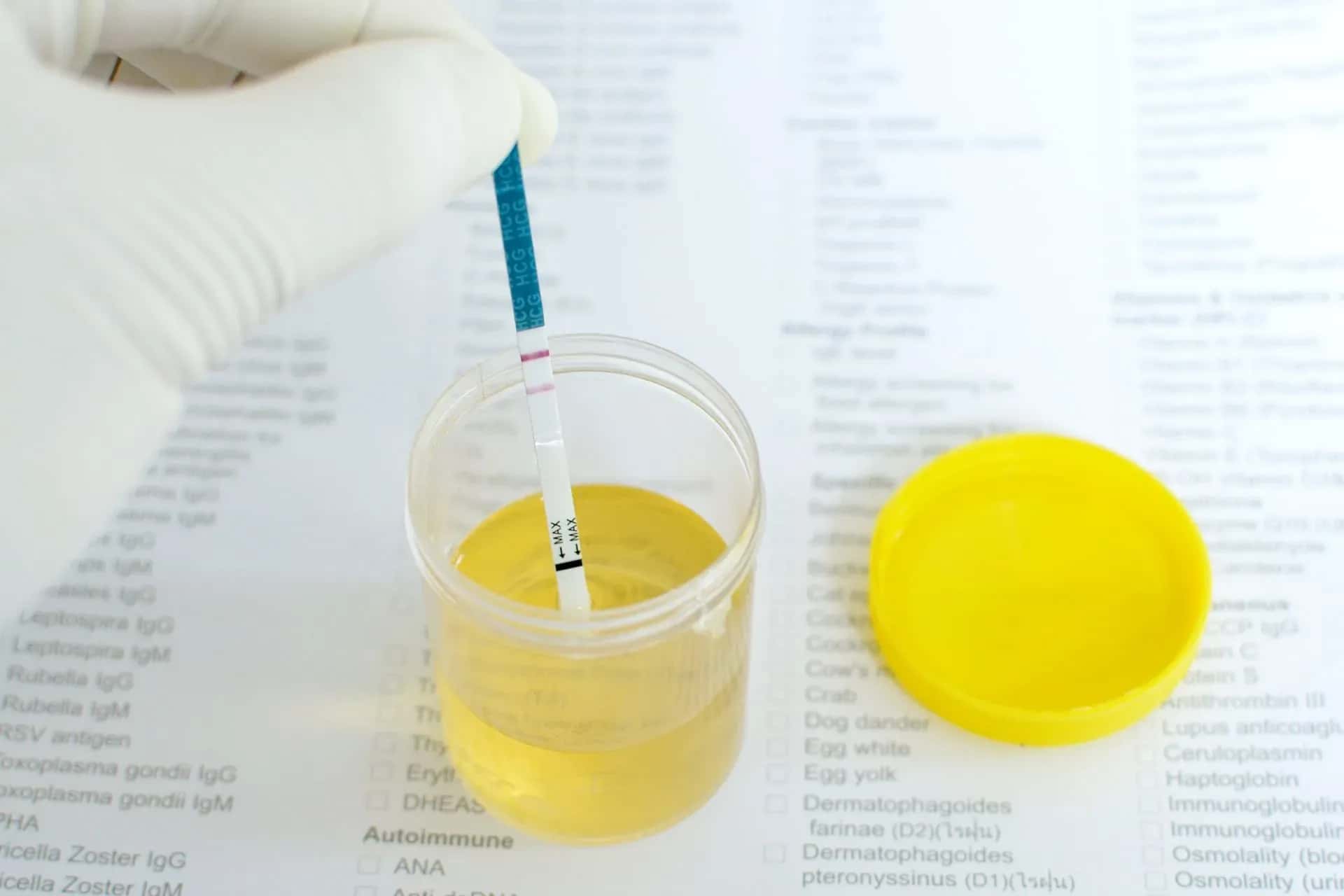
This guide explains what protein leakage in urine means, why it happens, which conditions can cause it, and when further kidney evaluation becomes important.

Metoidioplasty is a meaningful gender-affirming procedure for trans men and transmasculine people who want a natural-feeling result with preserved sensation and less extensive reconstruction than phalloplasty. It can be performed as a simple release or as a fuller operation with urethral lengthening.
Subscribe to the Medifinder newsletter and never miss our latest content.