









How Should Thyroid Patients Eat?
Learn how thyroid patients should eat, which nutrients support thyroid health, how to time medication, and which foods may interfere with treatment.

- Last updated
- 159 reads
- 10 min read
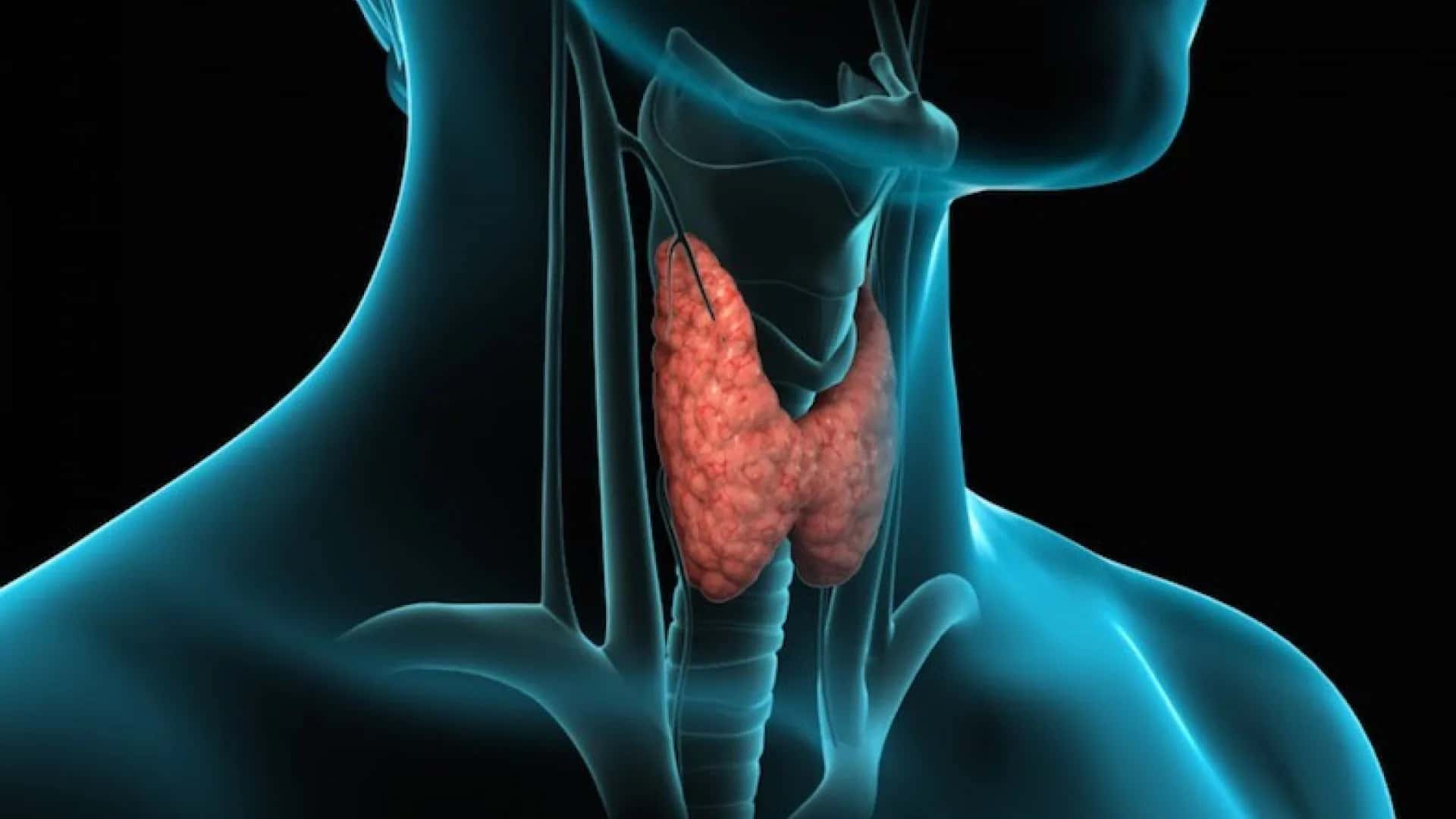


A balanced diet can support thyroid health, energy levels, weight management and overall well-being. However, food alone cannot cure most thyroid disorders. If you have hypothyroidism, hyperthyroidism, Hashimoto’s thyroiditis, Graves’ disease or thyroid nodules, your nutritional needs may differ from those of another person with a thyroid condition.
The most effective diet usually focuses on regular meals, adequate protein, vegetables, whole grains, healthy fats and the correct amount of essential minerals. Extreme elimination diets, high-dose supplements and “thyroid detox” programmes may create more problems than benefits.
Medication also plays a central role. If you take thyroid hormone replacement, certain foods, drinks and supplements can reduce absorption when you consume them too close to your dose. Good nutrition therefore involves both what you eat and when you eat it.
Understand Which Thyroid Condition You Have
Before changing your diet, confirm your diagnosis. The term “thyroid patient” covers several different conditions.
Hypothyroidism means that the thyroid does not produce enough hormone. You may experience fatigue, weight gain, constipation, dry skin, cold sensitivity and slower concentration.
Hyperthyroidism means that the thyroid produces too much hormone. Possible symptoms include weight loss, sweating, palpitations, anxiety, tremor and heat intolerance.
Hashimoto’s thyroiditis is an autoimmune condition and a common cause of hypothyroidism. Graves’ disease is another autoimmune disorder, but it usually causes hyperthyroidism.
Your diet should support your treatment rather than work against it. A person with iodine deficiency may need more iodine, while someone with certain thyroid disorders may worsen symptoms by taking excessive iodine.
Build Meals Around Whole Foods
A thyroid-friendly diet does not require a complicated list of rare foods. Start with a varied eating pattern based on minimally processed ingredients.
Include vegetables, fruit, legumes, eggs, fish, lean meat, yoghurt, whole grains, nuts, seeds and healthy oils according to your tolerance and medical needs.
Whole foods provide fibre, protein, vitamins and minerals without the large amounts of added sugar, salt and unhealthy fat found in many highly processed products.
Try to build each main meal around three components:
-
A source of protein
-
A generous portion of vegetables
-
A controlled portion of whole grains or another complex carbohydrate
This structure can help stabilise appetite and support weight management, especially when hypothyroidism makes weight control more difficult.
Include Enough Protein
Protein supports muscle, immune function, recovery and appetite control. It can also help protect muscle mass during weight loss.
Good sources include eggs, fish, poultry, lean meat, yoghurt, kefir, cheese, lentils, beans, chickpeas, tofu and tempeh.
You do not need to follow a very high-protein diet unless a healthcare professional recommends it. The right amount depends on your body weight, kidney health, activity level and treatment goals.
If fatigue makes cooking difficult, keep simple options available. Boiled eggs, yoghurt, canned fish, lentil soup and pre-cooked legumes can make balanced meals easier.
Pay Attention to Iodine
The thyroid needs iodine to produce hormones. Too little iodine can contribute to thyroid enlargement and low hormone production. Too much can also disturb thyroid function, particularly in people with autoimmune thyroid disease.
Iodised salt, seafood, dairy products and eggs can provide iodine. You usually do not need a high-dose supplement when your diet already contains enough.
Avoid taking kelp, seaweed capsules or concentrated iodine drops without medical advice. These products may contain very large or unpredictable amounts.
Seaweed foods also vary widely in iodine content. Eating a small portion occasionally differs from taking concentrated supplements every day.
Your doctor may recommend a specific iodine plan during pregnancy or when tests suggest deficiency. Follow that individual advice instead of applying a general rule.
Do Not Overuse Selenium Supplements
Selenium supports enzymes involved in thyroid hormone metabolism and antioxidant protection. Foods such as fish, eggs, meat, whole grains and nuts can provide it.
Brazil nuts contain particularly high amounts, but the content varies. Eating several every day can lead to excessive intake.
High-dose selenium does not automatically improve thyroid function. Too much may cause nausea, hair loss, brittle nails, skin changes, nerve symptoms and a metallic taste.
You should not take selenium simply because you have Hashimoto’s disease. Discuss it with your doctor, especially if you already use a multivitamin or another supplement containing selenium.
Include Zinc and Iron Sources
Zinc and iron contribute to normal hormone production and metabolism. Deficiency can worsen fatigue, hair shedding, weakness and concentration problems.
Iron-rich foods include red meat, poultry, fish, lentils, beans, spinach and fortified grains. Plant-based iron absorbs better when you combine it with vitamin C-rich foods such as peppers, citrus fruit or tomatoes.
Zinc sources include meat, shellfish, dairy products, pumpkin seeds, legumes and nuts.
Do not take iron or zinc supplements without checking whether you need them. Excessive intake can cause side effects and interfere with other minerals or medicines.
Iron deficiency can mimic some symptoms of hypothyroidism, so blood testing may help explain persistent fatigue or hair loss.
Manage Fibre Carefully
Fibre supports digestion, blood-sugar control and cardiovascular health. It can also help with constipation, a common complaint in hypothyroidism.
Vegetables, fruit, oats, whole grains, legumes, chia seeds and flaxseeds provide useful fibre.
Increase intake gradually and drink enough water. A sudden large increase may cause bloating, gas or abdominal discomfort.
Very high fibre intake can reduce the absorption of thyroid hormone medication in some people. You do not need to avoid fibre, but you should keep your routine consistent and separate the medicine from meals as advised.
If your medication dose changes frequently, mention major dietary changes to your doctor.
Time Thyroid Medication Correctly
Levothyroxine works best when you take it consistently under similar conditions each day.
Many people take it in the morning with water on an empty stomach and wait before eating. Others take it at bedtime, several hours after the final meal. The best schedule is the one that matches your prescription and that you can follow consistently.
Coffee, calcium, iron, high-fibre meals and some supplements can reduce absorption when taken too close to the medicine.
Keep calcium and iron supplements several hours away from your thyroid tablet unless your doctor gives different instructions.
Do not change brands, timing or dosage without discussing it with the clinician who monitors your thyroid blood tests.
Be Careful With Coffee
Coffee can interfere with the absorption of levothyroxine when consumed too soon after the tablet.
You do not necessarily need to give up coffee. Leave the recommended interval between your medicine and your first cup.
Milky coffee may create an additional issue because calcium can also affect absorption.
If you continue to receive unstable blood-test results despite taking the correct dose, review your morning routine. Small habits, such as swallowing the tablet with coffee or eating breakfast immediately afterwards, may make treatment less consistent.
Do Cruciferous Vegetables Harm the Thyroid?
Broccoli, cabbage, cauliflower, kale and Brussels sprouts contain compounds known as goitrogens. These substances can affect iodine use under certain conditions.
Most thyroid patients do not need to avoid these vegetables. They provide fibre, vitamins and protective plant compounds.
The risk becomes more relevant when someone consumes very large amounts in raw form while also having iodine deficiency.
Cooking reduces much of the goitrogenic effect. Eating normal portions as part of a varied diet usually causes no problem.
Do not remove nutritious vegetables based on fear alone. Extreme restriction often reduces diet quality without improving thyroid function.
What About Soy?
Soy foods can reduce levothyroxine absorption when eaten close to the medication. This does not mean that everyone with a thyroid disorder must avoid soy.
Tofu, tempeh, soy milk and edamame can provide protein, especially in a plant-based diet. Keep your intake relatively consistent and separate it from your medication according to medical advice.
Suddenly increasing or decreasing soy consumption may affect how much medicine your body absorbs. Your doctor may need to review your thyroid levels after a major dietary change.
Is a Gluten-Free Diet Necessary?
A gluten-free diet is essential for people with coeliac disease. Some people with autoimmune thyroid disease also have coeliac disease, so testing may be appropriate when you have persistent digestive symptoms, iron deficiency or unexplained weight loss.
However, removing gluten does not automatically improve thyroid function in everyone with Hashimoto’s disease.
A poorly planned gluten-free diet may contain less fibre and more processed foods. It can also make eating socially and financially more difficult.
Do not start a strict gluten-free diet before testing for coeliac disease, because removing gluten may affect the results.
If you choose to avoid gluten, replace it with nutritious foods such as rice, quinoa, buckwheat, potatoes, legumes and certified gluten-free oats rather than relying mainly on packaged snacks.
Weight Management in Hypothyroidism
Hypothyroidism can reduce energy expenditure and contribute to weight gain, but treatment often improves part of this effect. Weight may not fall automatically once hormone levels return to the target range.
Focus on sustainable habits rather than crash diets. Very low-calorie diets can increase fatigue, reduce muscle mass and make long-term weight control harder.
Build meals around protein and vegetables, watch portion sizes and limit sugary drinks, pastries, fried foods and frequent snacks.
Regular physical activity also matters. Strength training helps maintain muscle, while walking, cycling or swimming supports cardiovascular health and energy expenditure.
If weight remains difficult to manage despite stable thyroid levels, ask your doctor to review sleep, medication, insulin resistance, menopause and other possible factors.
Nutrition for Hyperthyroidism
Hyperthyroidism can increase energy use and lead to weight loss, muscle loss and bone weakness. You may need more calories and protein until treatment controls hormone production.
Choose nutrient-dense foods instead of relying on sweets or fast food for extra calories. Add yoghurt, eggs, fish, legumes, nuts, olive oil and whole grains.
Calcium and vitamin D deserve attention because prolonged hyperthyroidism can affect bone health. Your doctor may recommend blood tests or a bone assessment depending on your age and risk factors.
Avoid high-dose iodine supplements unless your specialist specifically prescribes them. Excess iodine may worsen certain forms of hyperthyroidism.
Limit excessive caffeine if you experience palpitations, tremor or anxiety. Coffee, energy drinks and strong tea can make these symptoms feel more intense.
Reduce Highly Processed Foods
Highly processed foods often contain large amounts of salt, sugar and unhealthy fats. Frequent intake may contribute to weight gain, high cholesterol and poor blood-sugar control.
This matters because hypothyroidism can already affect cholesterol levels in some people.
You do not need to avoid every convenience food. Instead, reduce products such as sugary drinks, processed meats, packaged pastries, deep-fried snacks and heavily sweetened cereals.
Choose simple alternatives that fit your routine. Plain yoghurt with fruit, whole-grain toast with eggs or nuts with fresh fruit can replace many packaged snacks.
Do Not Rely on Supplements Alone
Products marketed as “thyroid support” may contain iodine, selenium, herbs or even hidden thyroid-related substances.
These supplements can interfere with medication, distort test results or cause symptoms of excessive thyroid hormone.
Biotin, which appears in many hair and nail supplements, can also affect certain thyroid blood tests. Tell your doctor and laboratory staff that you take it. You may need to stop it temporarily before testing under medical guidance.
Never replace prescribed thyroid hormone or antithyroid medicine with herbal products.
A Practical Daily Eating Pattern
You can keep your routine simple.
For breakfast, choose eggs with whole-grain toast, or yoghurt with oats and fruit. Make sure you leave the correct interval after thyroid medication.
At lunch, combine grilled chicken, fish or legumes with salad and a whole grain such as bulgur, brown rice or quinoa.
For dinner, choose vegetables, a protein source and a moderate portion of carbohydrate.
Use fruit, yoghurt, kefir or a small handful of nuts as snacks when needed.
Drink water regularly and limit sugary beverages. Keep meal timing consistent when possible, especially if appetite and energy fluctuate.
Conclusion
Thyroid patients should follow a balanced, varied and sustainable diet rather than a highly restrictive programme. Protein, vegetables, whole grains, healthy fats and appropriate amounts of iodine, selenium, iron and zinc can support general health.
Medication timing remains just as important as food choice. Take levothyroxine consistently and keep coffee, calcium, iron and certain high-fibre foods away from the dose as advised.
You usually do not need to avoid broccoli, soy or gluten completely. The amount, timing, medical diagnosis and overall diet matter more than one individual food.
Avoid high-dose iodine and selenium supplements unless a clinician confirms a need. If you have hyperthyroidism, pay particular attention to protein, calories, bone health and caffeine intake.
The best nutritional plan matches your thyroid diagnosis, medication, blood-test results and personal health goals. Regular follow-up with your doctor and a qualified dietitian can help you make changes without creating unnecessary deficiencies or interfering with treatment.
- Last updated
- Language
- English
How did you find this article?
This page explains how donor egg IVF works, who may consider it, how donors and embryos are selected, what affects success, and what patients should understand before treatment.

Gastric sleeve cost around the world can vary from about $3,000 in lower-cost destinations to more than $25,000 in high-cost healthcare systems. Turkey, Mexico, and India often offer affordable package prices, while the United States, the United Kingdom, and Germany usually have higher private-pay costs.

Learn about the main types of obesity, including abdominal, hormonal, genetic and sarcopenic obesity, and discover how each type may affect treatment.
Subscribe to the Medifinder newsletter and never miss our latest content.