










Herniated Disc
A herniated disc is a spinal condition that occurs when the discs between the vertebrae slip out of place or tear and put pressure on the nerves.

- Last updated
- 167 reads
- 8 min read


What Is a Herniated Disc?
A herniated disc is a spinal condition that occurs when the discs between the vertebrae slip out of place or tear and put pressure on the nerves.
The discs in the spine act as cushions between the vertebrae and allow the lower back to move flexibly. If the gel like structure inside these discs protrudes outward, a herniated disc occurs. The protruding disc may press on the nerves extending from the lower back to the leg. This can cause symptoms such as lower back pain, leg pain, numbness, tingling, and loss of strength.
A herniated disc usually occurs due to heavy lifting, sudden and incorrect movements, prolonged sitting, poor posture, excess weight, and a sedentary lifestyle. As age advances, the structure of the discs may weaken and the risk of herniation may increase. However, a herniated disc can be seen not only in older age but also in young and active individuals.
How Does a Herniated Disc Develop?
A herniated disc develops when the discs between the vertebrae become worn, strained, or torn, causing the disc contents to protrude outward and press on the nerves.
The discs in the lower back work like cushions that help the spine move and balance the load. Over time, the outer layer of these discs may weaken. Heavy lifting, sudden twisting, incorrect bending, prolonged sitting, a sedentary lifestyle, and poor posture may increase pressure on the discs. As a result of this pressure, the gel like structure inside the disc may protrude outward. When the protruding disc touches the nerve roots emerging from the spinal cord, herniated disc symptoms appear.
Aging is also an important factor in the development of a herniated disc. As age increases, discs lose water, lose flexibility, and become more easily damaged. Excess weight, smoking, genetic predisposition, and working in physically demanding jobs may also increase the risk of a herniated disc.
A herniated disc may sometimes occur with a single sudden movement, but most often it develops as a result of long term wear. For example, constantly sitting in the wrong position, not strengthening the lower back muscles, and lifting heavy loads by bending from the waist may damage the discs.
What Are the Symptoms of a Herniated Disc?
Symptoms of a herniated disc may include lower back pain, pain radiating to the leg, numbness, tingling, and muscle weakness. A herniated disc occurs when the disc between the vertebrae presses on the nerves, and symptoms may usually spread from the lower back toward the hip, leg, and foot.
- Lower back pain: The most common symptom of a herniated disc. Pain may increase with prolonged sitting, bending, heavy lifting, or sudden movements.
- Pain radiating to the leg: Also known as sciatic pain. Pain may travel from the hip to the thigh, calf, and foot.
- Numbness and tingling: Due to nerve compression, numbness and pins and needles sensations may occur in the leg, foot, or toes.
- Muscle weakness: Loss of strength in the leg, difficulty walking, or difficulty lifting the ankle may occur.
- Limited movement: Stiffness may develop in the lower back, and the person may have difficulty bending forward or standing upright.
- Pain that increases with coughing or sneezing: When intra abdominal pressure increases, pressure on the nerve may become more noticeable.
- One sided pain: Herniated disc symptoms are often felt more clearly on one side of the body.
- Reduced reflexes: Weakening of knee or ankle reflexes may occur due to nerve involvement.
What Is the Pain Like?
Herniated disc pain usually starts in the lower back and may spread toward the hip, leg, calf, or foot.
This pain is often felt on one side. When pressure on the nerve increases, the pain may feel like burning, stabbing, electric shock, aching, or sharp pain. Herniated disc pain may increase especially while sitting, bending forward, lifting heavy objects, coughing, or sneezing.
In a herniated disc, lower back pain may not be the only symptom. Pain radiating to the leg, numbness, tingling, loss of strength, and numbness in the foot may also occur. Some people have difficulty standing for long periods, while others feel pulling or cramping in the leg while walking.
The severity of the pain varies according to the location of the herniation, the pressure it puts on the nerve, and the person’s general health condition. In mild cases, the pain may be short term and manageable. In advanced cases, severe pain may develop that restricts daily movements, disrupts sleep, and reduces leg strength.
Where Does Herniated Disc Pain Radiate?
Herniated disc pain may spread from the lower back to the hip, leg, and sometimes the foot.
The area where the pain spreads depends on which nerve root the herniation affects. Sciatic type pain usually starts from the hip and travels down the back of the thigh and leg. Numbness, tingling, or burning may be seen along the same nerve pathway. In some patients, sensory changes may develop in the ankle, top of the foot, or toes. This distribution helps evaluate the level of nerve compression.
Does a Herniated Disc Affect the Right Leg or the Left Leg?
A herniated disc may affect the right leg, left leg, or rarely both legs depending on the affected nerve root. If the herniation presses on the nerve on the right side of the spinal canal, pain may spread to the right leg. If the nerve on the left side is affected, pain is felt more in the left leg. In central or large herniations, symptoms may occur in both legs. One sided leg pain is a more common pattern in herniated disc cases. The side of the pain should be evaluated together with the location of the herniation on imaging.
When Does Herniated Disc Pain Increase?
Herniated disc pain may increase during bending forward, heavy lifting, prolonged sitting, coughing, or straining.
These movements may irritate the nerve root more by increasing pressure on the intervertebral disc. Sitting for a long time may make leg pain more noticeable because it increases the load on the lower back. During coughing and sneezing, intra abdominal pressure rises and the pain may radiate to the leg. In some patients, standing or walking may also increase symptoms. The position in which the pain increases is important for the treatment plan and exercise selection.
Does the Pain Go Away With Rest?
Herniated disc pain may decrease with rest, but complete relief does not mean that nerve compression has ended. Short term rest may reduce mechanical load and relieve lower back and leg pain. However, lying down for a long time may reduce muscle strength and delay recovery. If nerve root compression continues, the pain may start again with movement.
If numbness, loss of strength, or reduced reflexes are present, rest alone may not be sufficient. Therefore, the course of pain should be evaluated together with neurological examination findings.
What Causes a Herniated Disc?
A herniated disc occurs when the outer layer of the disc between the vertebrae weakens and the inner tissue protrudes toward the nerve.
Disc tissue may lose flexibility due to aging, repeated loading, and mechanical strain. Heavy lifting, sudden twisting movements, or long term poor posture may trigger this process. When the inner gel like structure moves outward, it may compress the nerve root or cause chemical irritation. This can lead to lower back pain, leg pain, and sensory changes. A herniated disc usually develops not from a single cause but from accumulated mechanical and biological effects.
Who Is More Likely to Have a Herniated Disc?
A herniated disc is more common in people who do heavy physical work, sit for long periods, are overweight, and repeatedly load the spine. With age, the water content of disc tissue decreases and susceptibility to wear increases. Repeated bending, twisting, and lifting movements may create excessive pressure on the disc. A sedentary lifestyle, weak core muscles, and poor work ergonomics may increase the risk. Smoking may negatively affect disc nutrition and accelerate the degenerative process. Genetic predisposition is also an additional factor that may increase the likelihood of herniation in some people.
What Are the Stages of a Herniated Disc?
The stages of a herniated disc are generally classified as disc bulging, protrusion, extrusion, and sequestration. In bulging, the disc circumference expands, but the outer layer usually remains intact. In protrusion, the disc material protrudes more noticeably, but the base connection remains wide. In extrusion, the inner disc material passes beyond the outer layer and extends with a narrower connection.
In sequestration, the broken disc fragment may separate from the main disc and move within the spinal canal. Staging describes imaging findings; the treatment decision is made together with symptoms and examination findings.
How Is a Herniated Disc Diagnosed?
A herniated disc is diagnosed through medical history, physical examination, neurological evaluation, and MRI imaging when necessary.
During examination, pain distribution, muscle strength, reflexes, and sensory loss are evaluated. The leg raise test may be used to investigate nerve root irritation. MRI is the main imaging method for showing disc herniation and nerve compression. However, MRI findings may not always match symptoms exactly. Therefore, diagnosis should be made by interpreting imaging results together with clinical findings.
How Is a Herniated Disc Treated?
Herniated disc treatment is planned according to pain severity, nerve compression, and whether neurological loss is present. In most patients, the first approach includes medication, activity regulation, and physical therapy. The exercise program aims to strengthen core muscles and reduce the mechanical load on the nerve.
Injection treatments may be considered for pain control in suitable patients. Surgery may be required if there is urinary incontinence, progressive loss of strength, or severe nerve compression. Treatment selection should be based on the clinical picture, not only on the MRI result.
Can It Be Treated Without Surgery?
Yes, a herniated disc can be controlled with non surgical methods in many patients.
Non surgical treatment includes activity regulation, pain medications, physical therapy, and personalized exercises. The goal is to reduce nerve irritation, increase muscle support, and make daily movements safer. Leg pain and numbness may improve over time, but recovery time varies from person to person. If progressive muscle weakness or loss of bladder bowel control occurs, urgent evaluation is required.
- Last updated
- Language
- English
How did you find this article?
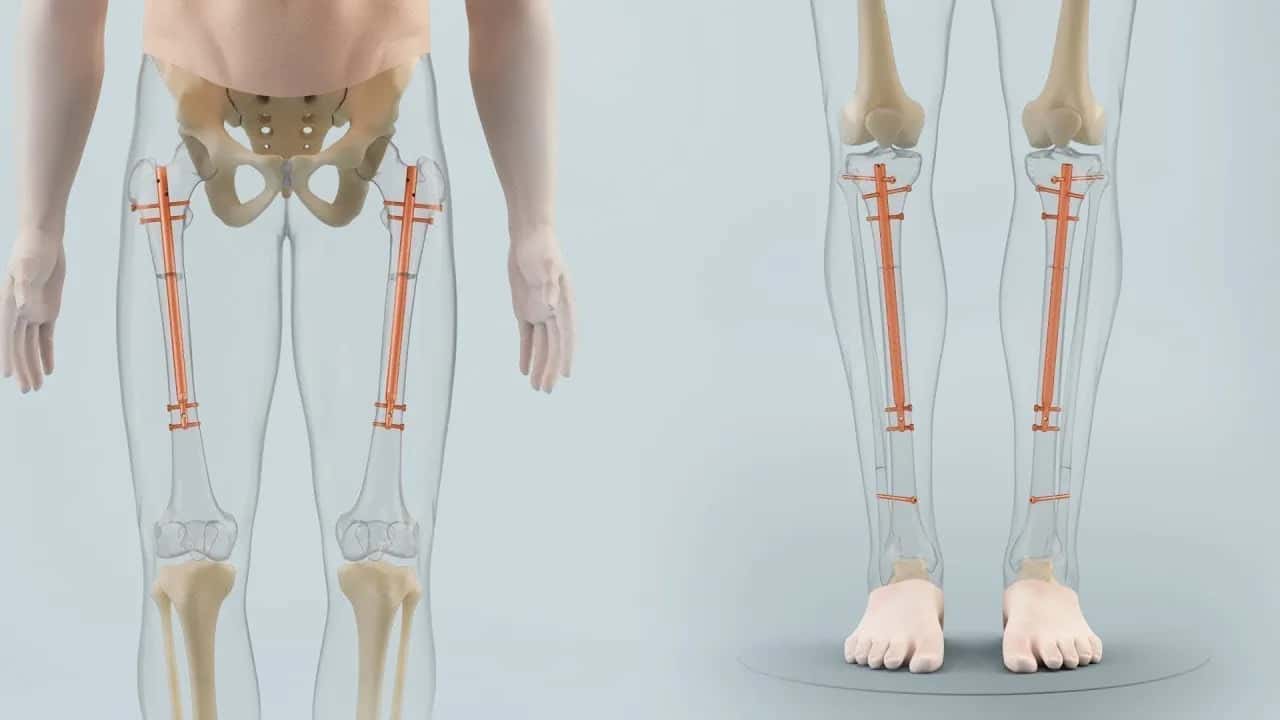
Height reduction surgery is a rare orthopedic procedure in which part of a leg bone is surgically shortened, primarily to correct meaningful limb-length differences rather than as a routine cosmetic operation for people who simply want to be shorter.
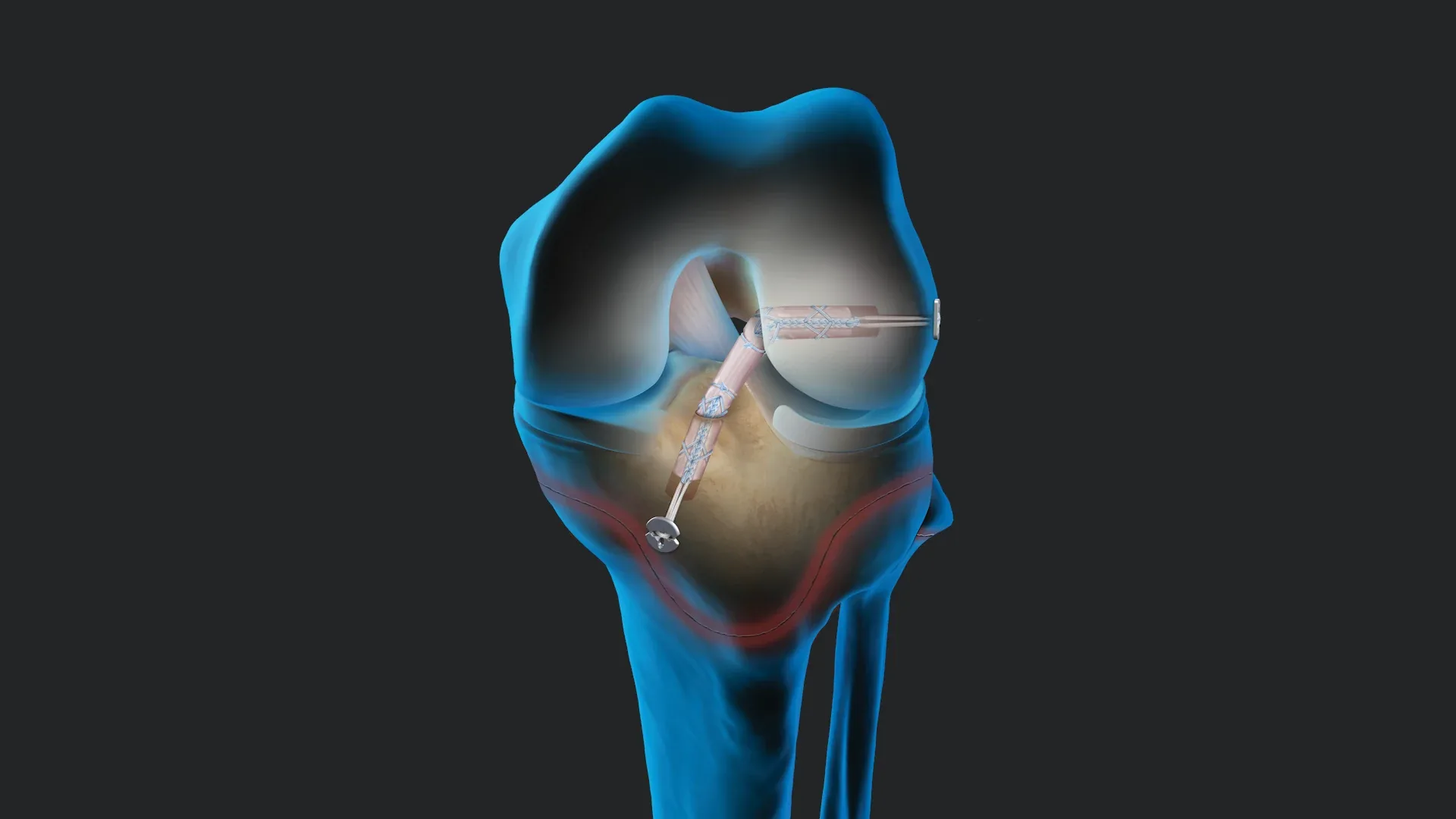
This guide compares ACL surgery costs around the world in 2026, including private treatment, graft choices, hospital packages, rehabilitation, insurance, and medical travel expenses.

Botox Treatment for Spasticity is a medical use of botulinum toxin injections to relax selected overactive muscles for a limited time. It is usually considered when muscle tightness, spasms, or stiffness affect comfort, movement, hygiene, caregiving, or daily activities.

Subscribe to the Medifinder newsletter and never miss our latest content.