










Full Mouth Reconstruction Abroad
This guide explains Full Mouth Reconstruction Abroad, including treatment planning, implants, crowns, costs, treatment stages, temporary teeth, healing, risks, aftercare, and long-term results.

- Last updated
- 49 reads
- 8 min read
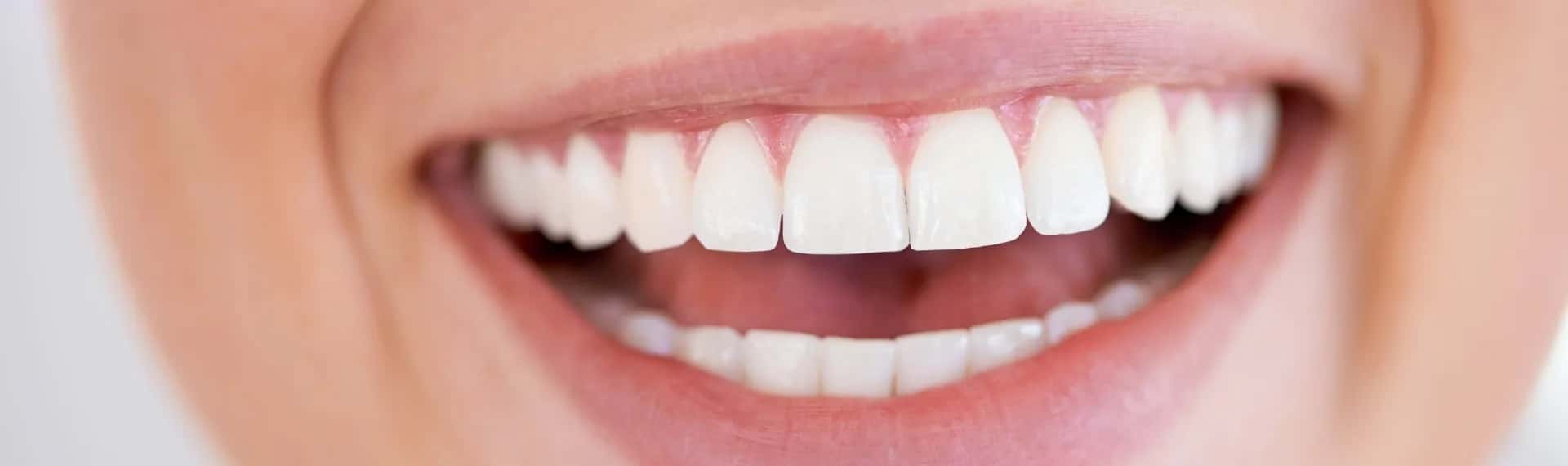


What Is Full Mouth Reconstruction Abroad?
Full mouth reconstruction abroad is comprehensive dental treatment performed in another country to restore damaged, missing, severely worn, or functionally compromised teeth.
Treatment may involve natural teeth, dental implants, or a combination of both. A reconstruction can include crowns, bridges, implant-supported prostheses, root canal treatment, periodontal therapy, and bite rehabilitation. The objective extends beyond changing tooth appearance because extensive rehabilitation must also restore chewing function and create a stable occlusion. Severe tooth wear, missing posterior support, damaged restorations, and reduced vertical dimension can require staged planning before definitive restorations are placed.
Who Is a Candidate for Full Mouth Reconstruction Abroad?
Full mouth reconstruction may suit adults with widespread dental damage, multiple missing teeth, extensive tooth wear, failing restorations, or a severely compromised bite.
The appropriate treatment depends on which teeth remain predictably restorable. Extensive reconstruction does not automatically mean extracting every tooth and replacing the dentition with implants. Periodontal health, bone availability, existing restorations, tooth structure, occlusion, general health, and expectations should be evaluated first. Implant-based treatment needs additional risk assessment because smoking, diabetes, and a history of periodontitis are associated with poorer peri-implant outcomes. Active oral disease should therefore be addressed within the treatment plan.
What Procedures Can Full Mouth Reconstruction Include?
Full mouth reconstruction can combine restorative, periodontal, endodontic, implant, and prosthetic procedures according to the condition of each tooth and the overall bite.
Natural teeth may require crowns, onlays, bridges, root canal treatment, or replacement of failing restorations. Missing teeth can be restored with individual implants or implant-supported bridges. Patients with failing complete arches may instead receive full-arch implant prostheses. Gum treatment can be required before definitive restorative work begins. Complex tooth wear may also require adjustment of vertical dimension and provisional restorations before final crowns are produced. The final combination should restore both individual teeth and functional relationships across the mouth.
How Is Full Mouth Reconstruction Planned Before Travelling Abroad?
Full mouth reconstruction should be planned with a complete dental examination, imaging, bite assessment, and written tooth-by-tooth treatment proposal before irreversible procedures begin.
Photographs and panoramic imaging provide useful preliminary information, but implant planning commonly requires three-dimensional CBCT imaging. The assessment should identify teeth to preserve, teeth considered non-restorable, available bone, periodontal condition, and existing infection. Complex restorative cases also require evaluation of vertical dimension and occlusion. Provisional treatment can then test major bite changes before definitive restorations are completed. Remote photographs alone cannot provide the same anatomical information as examination and three-dimensional imaging for extensive reconstruction.
Should Damaged Natural Teeth Be Saved or Replaced With Implants?
Restorable natural teeth should not automatically be extracted for full mouth implants simply because an implant-supported reconstruction offers a simpler treatment layout.
Determining when a dentition is genuinely hopeless remains an important and partly debated area within full-arch rehabilitation. Some extensively damaged teeth have poor long-term value, making extraction and implant reconstruction reasonable. Other teeth can remain functional after periodontal, endodontic, or restorative treatment. The decision should consider structural damage, periodontal support, infection, fracture, strategic value, and the overall prosthetic design. Full-mouth extraction is irreversible, so treatment planning should distinguish genuinely non-restorable teeth from teeth that are simply more complicated to preserve.
How Long Does Full Mouth Reconstruction Abroad Take?
Full mouth reconstruction abroad can take several days for selected tooth-supported cases or several months when implants, bone healing, or staged rehabilitation are required.
A crown-based rehabilitation without surgery can progress relatively quickly after diagnostic planning and provisional testing. Implant-based treatment follows a different timeline. Full-arch implant protocols often provide temporary fixed teeth shortly after surgery when adequate implant stability is achieved. Definitive implant prostheses are commonly produced after approximately three to six months of healing. Bone grafting, sinus augmentation, periodontal therapy, or complex extractions can extend the timeline further. Treatment duration should therefore reflect biological healing rather than travel convenience alone.
Can Full Mouth Reconstruction Abroad Be Completed in One Trip?
Some tooth-supported full mouth reconstructions can be completed during one extended trip, but implant-based rehabilitation frequently requires at least two treatment phases.
The first implant visit can include extractions, implant placement, and a fixed or removable provisional restoration. Osseointegration then occurs during the following months. A later visit allows assessment of healing and fabrication of the definitive bridge after implant stability has been established. Immediate loading does not remove this biological healing period. Complex natural-tooth rehabilitation may also require provisional restorations before final work, particularly when vertical dimension changes substantially. A one-trip plan should therefore be considered appropriate only when the required treatment stages genuinely allow it.
Can You Get Temporary Fixed Teeth Immediately After Full Mouth Implants?
Temporary fixed teeth can sometimes be placed immediately after full-arch implant surgery when implant stability, bone conditions, and prosthetic planning support immediate loading.
Immediate teeth are usually provisional rather than the final ceramic restoration. Their purpose is to provide function and appearance while implants heal. Full-arch protocols have successfully used fixed provisional bridges shortly after implant placement, followed by definitive restorations after several months. Immediate loading is not suitable in every situation because adequate primary implant stability is essential. Bone quality, implant distribution, extraction sites, bite forces, and prosthetic design all affect whether a fixed temporary bridge can be safely delivered.
How Much Does Full Mouth Reconstruction Abroad Cost?
Full mouth reconstruction abroad can range from several thousand pounds for extensive crown work to roughly £6,000–£20,000 or more for two-arch implant rehabilitation.
The actual comparison depends on whether treatment preserves natural teeth or replaces complete arches. Published 2026 figures place two-arch All-on-4 treatment around £6,500–£11,000 in Turkey and approximately £7,500–£12,000 in Hungary. Other current international comparisons place full-mouth implant reconstruction within a wider £8,000–£20,000 range across several destinations. Bone grafting, extractions, implant numbers, provisional prostheses, and final bridge materials can add substantially to headline package prices.
Which Countries Are Common for Full Mouth Reconstruction Abroad?
Several established dental-tourism destinations offer complex restorative and implant-based full mouth treatment at lower published prices than many Western private markets.
-
Turkey offers extensive crown and full-arch implant treatment with competitive package pricing.
-
Hungary has a long-established market for European dental travel and full-arch rehabilitation.
-
Mexico is commonly considered by patients travelling from the United States and Canada.
-
Thailand provides implant rehabilitation alongside a large international medical travel sector.
-
Poland offers restorative and implant treatment within the European Union.
-
Spain is another option for patients seeking treatment within European travel networks.
Travel distance and aftercare access remain important alongside treatment price.
When Are Bone Grafts Needed for Full Mouth Dental Implants?
Bone grafting may be required when the jaw lacks sufficient bone volume to place implants in positions that support the intended full-mouth prosthesis.
Bone loss commonly follows long-term tooth loss, periodontal disease, infection, or previous failed dental treatment. Upper posterior implants can also be limited by the location of the maxillary sinus. Full-arch techniques may sometimes avoid major grafting by changing implant number, position, or angulation. However, graft avoidance should not override prosthetic requirements or anatomical safety. CBCT imaging helps determine available bone before surgery. When grafting is necessary, it can alter treatment cost and may extend the overall healing timeline before definitive reconstruction.
What Should a Full Mouth Reconstruction Quote Include?
A full mouth reconstruction quote should identify every restorative and surgical component so the patient can compare complete treatment rather than an incomplete headline package.
The written plan should identify:
-
Teeth being preserved and teeth being extracted
-
Number and positions of dental implants
-
Implant system and prosthetic components
-
Temporary crowns, dentures, or fixed bridges
-
Final crown or bridge material
-
CBCT scans and diagnostic records
-
Bone grafting or sinus treatment when required
-
Anaesthesia or sedation charges
-
Hotel and transfer services when included
-
Follow-up visits and adjustment policies
-
Repair or replacement terms for prosthetic components
Unexpected additions can otherwise substantially change the final travel budget.
What Are the Risks of Full Mouth Reconstruction Abroad?
Full mouth reconstruction abroad carries dental treatment risks together with additional concerns created by distance, travel, communication, and reduced access to the original treatment team.
Implant complications include failure to integrate, infection, peri-implant inflammation, bone loss, and prosthetic fracture. Natural-tooth restorations can develop sensitivity, fracture, decay, or endodontic problems. Smoking and previous periodontitis increase several implant-related risks. Medical travel adds another issue because complications can appear after the patient has returned home. Corrective care may then require another international trip or treatment from a local provider unfamiliar with the original reconstruction.
How Does Aftercare Work After Full Mouth Reconstruction Abroad?
Aftercare should be arranged before travelling home because complex reconstructions need ongoing hygiene, bite assessment, implant monitoring, and maintenance of the final prostheses.
Patients should receive their treatment records, implant details, imaging, prosthetic specifications, and clear instructions for managing complications. Implant-supported bridges require professional maintenance because plaque-related inflammation can develop around implants. Long-term full-arch studies have used scheduled periodontal examinations, radiographic monitoring, and professional cleaning after definitive treatment. International care makes continuity particularly important because returning for every adjustment may be impractical. A local maintenance plan should therefore exist before the overseas treatment begins.
How Long Can Full Mouth Reconstruction Results Last?
Full mouth reconstruction can function for many years, but implants, crowns, bridges, and prosthetic components should not be treated as lifetime maintenance-free restorations.
Long-term outcome depends on oral hygiene, periodontal stability, smoking, bite forces, restorative materials, and routine maintenance. Full-arch implant studies have reported high implant survival over extended follow-up, but prosthetic repairs can still be necessary even when implants remain integrated. One seven-year full-arch study reported 99.6 percent implant survival within its treated population. That figure does not guarantee identical performance for every patient or prosthesis. Sustainable results depend on maintaining both the biological tissues and the mechanical restoration.
How Should You Choose Full Mouth Reconstruction Abroad?
Choosing full mouth reconstruction abroad should begin with the treatment plan, diagnostic evidence, prosthetic design, aftercare arrangements, and clinician qualifications rather than the lowest advertised package price.
A written proposal should clearly explain which teeth will remain and why any extractions are necessary. Implant plans should identify implant numbers, final bridge materials, temporary teeth, and possible grafting. Patients should also understand who provides follow-up after returning home and what happens if a complication requires additional treatment. International healthcare guidance emphasizes licensing, accreditation, communication, medical records, and continuity of care because correcting complications after travel can create substantial additional expense.
- Last updated
- Language
- English
How did you find this article?
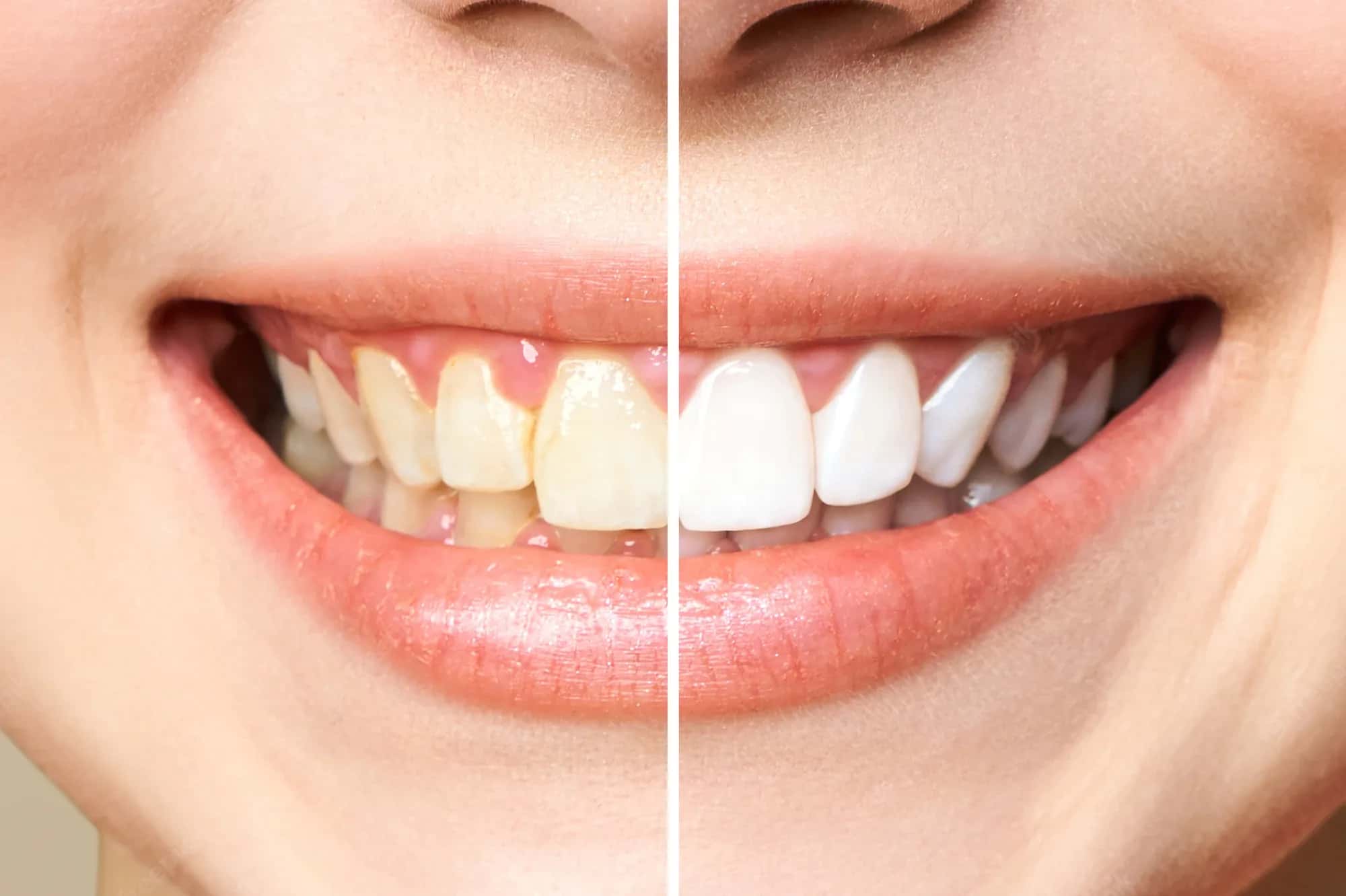
Teeth whitening costs around the world vary substantially, with professional treatment generally costing less in countries such as Turkey, Mexico and India than in the United States or United Kingdom.
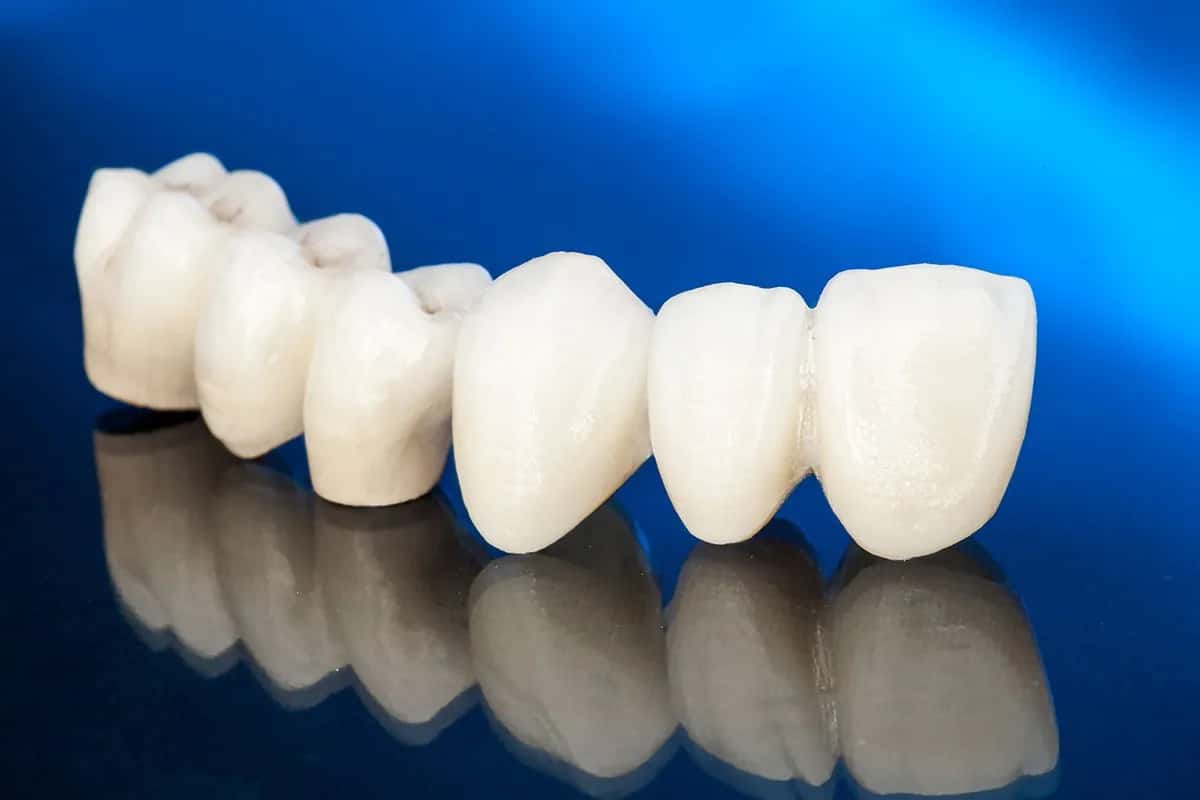
Zirconium crown costs around the world vary significantly, from approximately €180–€400 per tooth in Turkey to $1,000–$2,500 in the United States, based on published 2026 private-treatment prices.
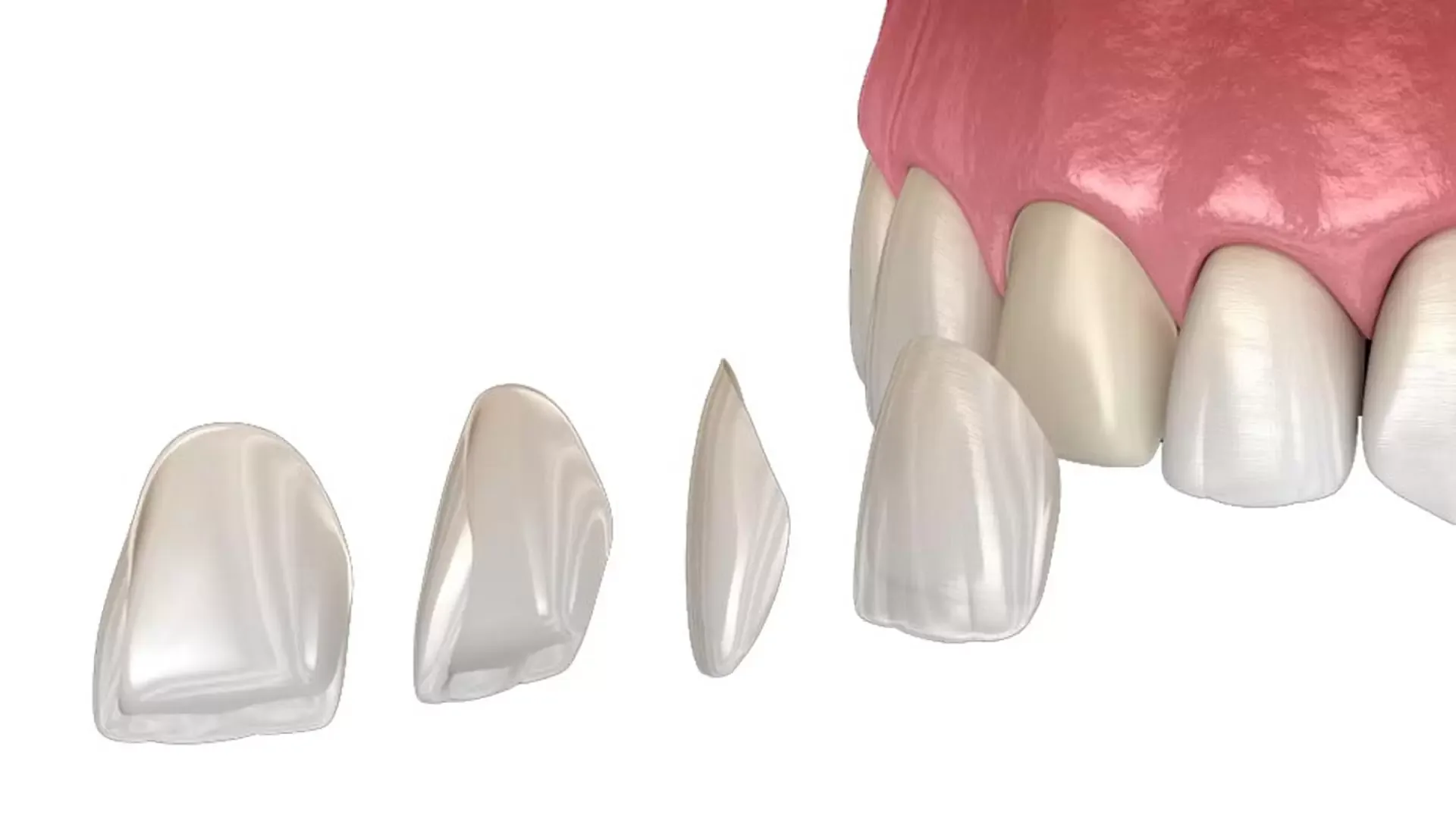
E-Max costs around the world differ significantly, with ceramic veneers and crowns available at lower published prices in countries such as Turkey, Mexico and Hungary than in the United States or United Kingdom.
Subscribe to the Medifinder newsletter and never miss our latest content.