










Fresh-Breath Tips & Oral Hygiene
This comprehensive guide provides essential daily dental care practices and dietary strategies to maintain excellent oral hygiene and consistently fresh breath.

- Last updated
- 36 reads
- 9 min read


What Are The Most Effective Daily Habits For Maintaining Fresh Breath?
The most effective daily habits for maintaining fresh breath include brushing twice daily, flossing regularly, cleaning the tongue surface, and staying adequately hydrated.
Implementing a consistent morning and evening oral hygiene routine removes the primary sources of odor-causing bacteria before they multiply. Physical removal of plaque prevents sulfur compounds from building up along the gumline. Hydration plays a equally critical role by constantly washing away microscopic food particles throughout the day. Combining these mechanical cleaning methods with proper fluid intake ensures a balanced biological environment inside the mouth. Establishing these foundational habits prevents chronic halitosis and preserves overall dental integrity permanently. Prioritizing this exact sequence of care guarantees long-lasting oral freshness and significantly reduces the accumulation of harmful tartar on enamel surfaces over time.
How Does Proper Brushing Technique Impact Oral Hygiene?
Proper brushing technique impacts oral hygiene by effectively sweeping away destructive plaque and trapped food debris from all exposed dental surfaces without damaging sensitive enamel.
Holding the toothbrush at a forty-five-degree angle toward the gumline ensures the bristles reach the most vulnerable areas where bacteria accumulate. Using gentle circular motions rather than aggressive back-and-forth scrubbing protects the soft tissues from painful recession and prevents premature enamel wear. This precise mechanical action disrupts bacterial colonies before they calcify into hardened calculus. Cleaning the outer, inner, and chewing surfaces thoroughly over a full two minutes maximizes the protective benefits of fluoride toothpaste. Mastering this method provides the strongest defense against microscopic acid attacks that cause structural tooth decay.
Why Is Daily Flossing Essential For Preventing Bad Breath?
Daily flossing is essential for preventing bad breath because it mechanically removes rotting food particles and hidden plaque from the tight interproximal spaces between teeth.
Standard toothbrush bristles physically cannot penetrate the narrow contact points where adjacent teeth meet. When microscopic food debris remains trapped in these hidden crevices, oral bacteria rapidly consume the organic material and release volatile sulfur compounds. These specific compounds are the primary biological source of strong, unpleasant odors originating from the oral cavity. Sliding a clean section of floss up and down the side of each tooth systematically eliminates this hidden bacterial breeding ground. This daily interdental cleaning completely neutralizes odors at their source while simultaneously protecting the delicate gum papilla from severe inflammation.
How Often Should You Replace Your Toothbrush For Optimal Dental Care?
You should replace your toothbrush every three to four months or immediately after recovering from a contagious respiratory illness to maintain optimal dental care.
Continuous daily use gradually causes the nylon bristles to fray, bend, and lose their structural integrity. Worn bristles become highly inefficient at sweeping away sticky plaque and often leave dangerous bacterial deposits behind on the enamel. Furthermore, the base of the toothbrush eventually becomes a permanent breeding ground for ambient environmental bacteria and fungi. Swapping out the old cleaning tool for a new one ensures the mechanical sweeping action remains sharp and biologically effective. Regularly updating your brushing equipment guarantees your daily oral hygiene efforts yield the highest possible preventative results.
What Role Does Tongue Scraping Play In Eliminating Oral Odor?
Tongue scraping plays a critical role in eliminating oral odor by physically scraping away the dense layer of bacteria and dead cells coating the tongue.
The anatomical surface of the tongue contains thousands of tiny microscopic papillae that easily trap dietary proteins and ambient oral bacteria. This rough biological texture creates a highly favorable environment for odor-producing microorganisms to thrive undisturbed. Running a specialized metal or plastic scraper from the back of the tongue to the front removes this toxic biofilm instantly. This specific physical intervention eliminates halitosis far more effectively than merely brushing the soft tissue. Incorporating this brief step into a morning routine provides an immediate and lasting improvement in daily breath freshness.
How Does Saliva Production Protect Against Tooth Decay And Bad Breath?
Saliva production protects against tooth decay and bad breath by constantly neutralizing acidic environmental threats and physically washing away decaying microscopic food debris.
This vital biological fluid acts as the primary natural defense mechanism for the entire oral cavity. Saliva contains specialized enzymes and concentrated minerals that actively repair microscopic enamel damage before permanent structural cavities can form. When salivary flow decreases during sleep or periods of dehydration, the mouth becomes an acidic breeding ground for destructive bacteria. These rapidly multiplying bacteria immediately produce intense odors and accelerate soft tissue inflammation. Stimulating continuous moisture through adequate hydration ensures the mouth maintains a healthy alkaline balance that naturally suppresses volatile sulfur gas production.
Which Foods Help Clean Teeth And Freshen Breath Naturally?
Crisp fruits and fibrous vegetables like apples, carrots, and celery help clean teeth and freshen breath naturally by acting as biological exfoliants during mastication.
The firm physical texture of these raw foods demands extensive chewing, which mechanically scrubs the enamel surfaces free of loose dental plaque. This prolonged masticatory action simultaneously stimulates the salivary glands to produce a heavy flow of protective saliva. The increased fluid volume rapidly washes away the dislodged bacterial debris and neutralizes localized acid pockets. Additionally, foods rich in vitamin C create an inhospitable environment for the specific bacterial strains responsible for chronic halitosis. Integrating these crunchy, water-rich produce items into daily snacks provides excellent supplementary cleaning between standard brushing sessions.
What Beverages Should You Avoid To Maintain A Healthy Smile?
You should heavily restrict the consumption of highly acidic sodas, concentrated fruit juices, and dark roasted coffees to maintain a healthy and bright smile.
Carbonated soft drinks introduce massive quantities of refined sugars and phosphoric acid that immediately begin dissolving the protective mineral layer of your teeth. Even natural fruit juices contain aggressive citric acids that rapidly soften the enamel matrix upon contact. Dark beverages like coffee and black tea feature intense tannins that seep deep into microscopic enamel pores, causing permanent and visible aesthetic discoloration. Furthermore, alcoholic drinks severely dehydrate the oral tissues, rapidly diminishing the protective salivary flow necessary for maintaining fresh breath. Eliminating these specific liquids preserves both structural tooth integrity and overall aesthetic brightness.
How Does Hydration Prevent Chronic Halitosis Safely?
Proper hydration prevents chronic halitosis safely by sustaining high saliva production to continuously flush away the anaerobic bacteria that generate foul-smelling sulfur gases.
When the human body lacks sufficient water intake, the major salivary glands immediately restrict fluid output to conserve biological resources. This resulting dry mouth condition allows sticky plaque to adhere strongly to the teeth and gums without being washed away naturally. The undisturbed bacteria thrive in this dry environment, rapidly breaking down leftover proteins into highly offensive odors. Sipping pure water consistently throughout the day provides the mechanical lubrication needed to clear these metabolic byproducts from the oral cavity entirely. Maintaining systemic hydration remains the simplest and safest physiological defense against persistent breath problems.
What Are The Primary Causes Of Persistent Bad Breath?
The primary causes of persistent bad breath involve a combination of poor daily hygiene practices and underlying biological imbalances within the oral cavity.
- Inconsistent mechanical removal of dental plaque allows odor-producing bacteria to multiply rapidly along the sensitive gumline.
- Advanced periodontal disease creates deep, infected pockets where trapped organic matter rots entirely out of reach of standard toothbrushes.
- Chronic dry mouth conditions severely reduce the natural salivary flow needed to wash away foul-smelling metabolic byproducts.
- Deep anatomical grooves on the tongue surface constantly trap dead epithelial cells and pungent dietary proteins.
- Untreated structural tooth decay houses massive bacterial colonies that emit strong volatile sulfur compounds directly into the mouth.
- Routine tobacco consumption leaves chemical residues on the oral tissues while simultaneously dehydrating the entire mucous membrane.
How Do Sugar-Free Gums Contribute To Better Dental Health?
Sugar-free gums contribute to better dental health by intensely stimulating the salivary glands to flush away destructive dietary acids following a heavy meal.
Chewing actively engages the powerful jaw muscles, which signals the biological systems to release a surge of protective saliva into the mouth. This rapid fluid increase quickly neutralizes the acidic environment created by recently consumed carbohydrates. Furthermore, gums sweetened exclusively with xylitol provide a unique chemical advantage against microscopic decay. The bacteria responsible for structural cavities attempt to consume the xylitol but physically cannot metabolize it, effectively starving the harmful microorganisms. Utilizing this simple therapeutic tool for twenty minutes after eating acts as a highly effective secondary defense when immediate brushing is impossible.
Can Mouthwash Replace Daily Brushing And Flossing Routines?
Liquid mouthwashes cannot replace daily brushing and flossing routines because they lack the physical friction required to tear away calcifying bacterial plaque entirely.
Therapeutic rinses serve strictly as an excellent supplementary measure to reduce overall bacterial volume and freshen the breath temporarily. Rinsing aggressively merely washes over the hardened biofilm without successfully dislodging the dense structural colonies anchored to the enamel. The sticky matrix protecting the bacteria requires the direct mechanical sweeping action of bristles and interdental threads to break apart. Relying exclusively on chemical liquids leaves the most dangerous microscopic debris firmly attached in tight spaces and along the gum margins. Optimal oral care always demands mechanical disruption first, followed by chemical rinsing for maximum protection.
How Does Tobacco Use Negatively Affect Your Oral Cavity?
Tobacco use negatively affects your oral cavity by severely restricting essential blood flow to the gum tissues and increasing the accumulation of heavy calculus.
The intense heat and toxic chemical compounds inhaled through smoking rapidly damage the delicate cellular structure of the entire oral mucosa. This restricted circulation prevents the gums from healing effectively after microscopic injuries and directly accelerates the progression of destructive periodontal disease. The smoke fundamentally alters the natural bacterial balance, encouraging the most aggressive odor-producing strains to dominate the oral environment. Additionally, tar leaves dark, highly porous stains on the enamel that eagerly attract and hold onto additional plaque. Ceasing all tobacco consumption remains an absolute necessity for preventing premature tooth loss and curing halitosis.
What Symptoms Indicate The Need For Professional Periodontal Care?
Symptoms indicating the need for professional periodontal care include chronic bleeding during routine brushing, visible gum recession, and persistent foul tastes in the mouth.
Healthy gingival tissues appear pale pink and fit tightly against the base of each tooth without any painful sensitivity. When gums turn a deep, inflamed red and bleed from minor physical friction, an active bacterial infection is actively destroying the attachment fibers. Teeth that suddenly feel slightly loose or exhibit widening gaps require immediate evaluation to measure the depth of the surrounding periodontal pockets. Experiencing chronic pain when chewing specific foods points toward advanced bone loss beneath the visible gumline. Prompt therapeutic intervention stops this progressive tissue destruction and stabilizes the underlying biological foundation.
How Do Regular Dental Checkups Ensure Long-Term Oral Health?
Regular dental checkups ensure long-term oral health by allowing practitioners to identify and treat microscopic structural decay before it escalates into severe symptomatic pain.
Scheduled professional evaluations include high-resolution radiographic imaging that reveals hidden bacterial infections forming between teeth or underneath old restorations. Hygienists utilize specialized metal instruments to scale away the hardened calculus deposits that daily home care completely fails to remove. Early detection of enamel demineralization allows for conservative fluoride therapies instead of requiring highly invasive rotary drilling. These comprehensive visits also include vital oral cancer screenings that examine all soft tissues for dangerous abnormal cellular changes. Committing to preventative maintenance appointments guarantees a pristine smile, consistently fresh breath, and the permanent preservation of natural chewing function.
- Last updated
- Language
- English
How did you find this article?
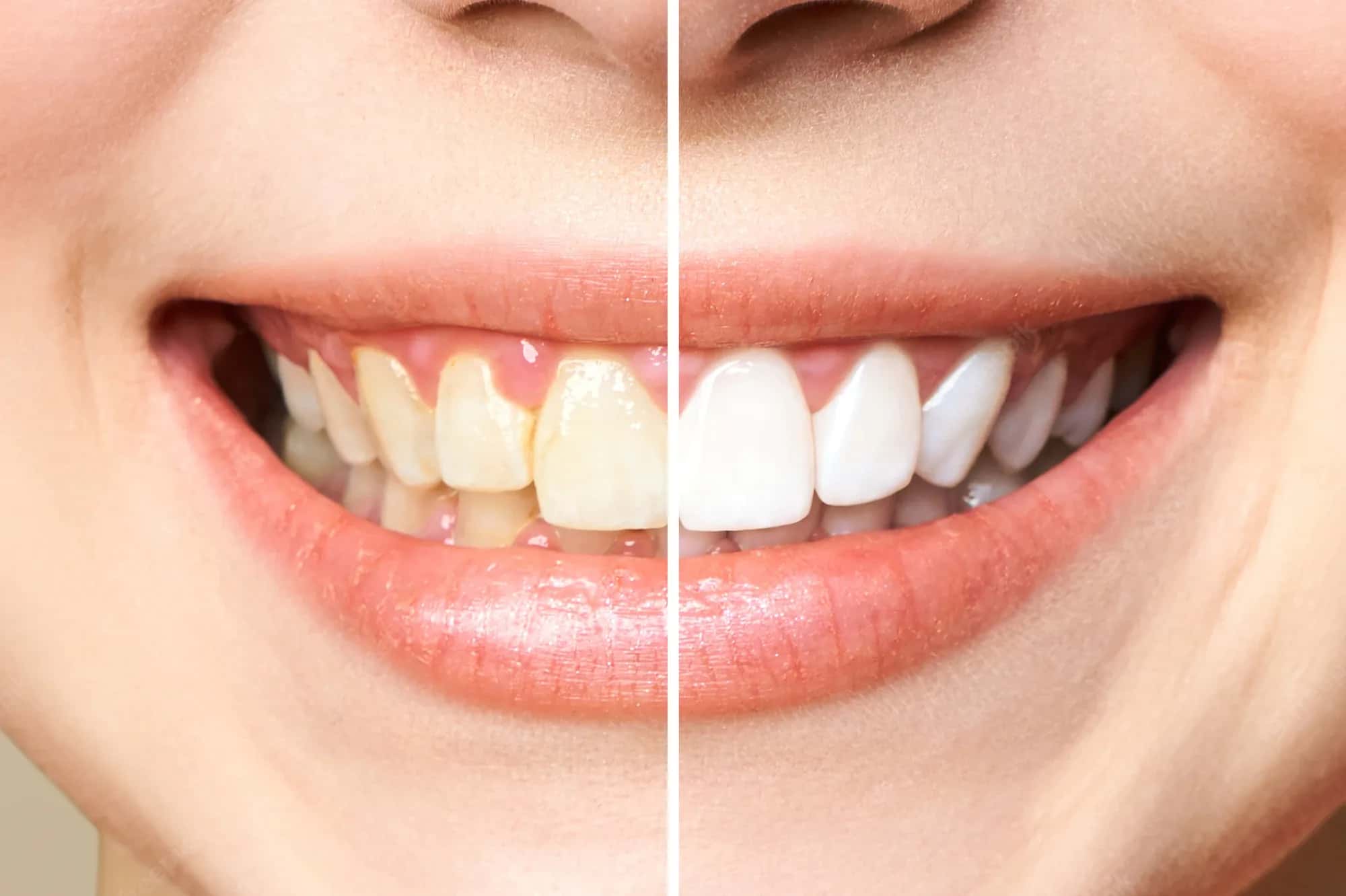
Teeth whitening costs around the world vary substantially, with professional treatment generally costing less in countries such as Turkey, Mexico and India than in the United States or United Kingdom.
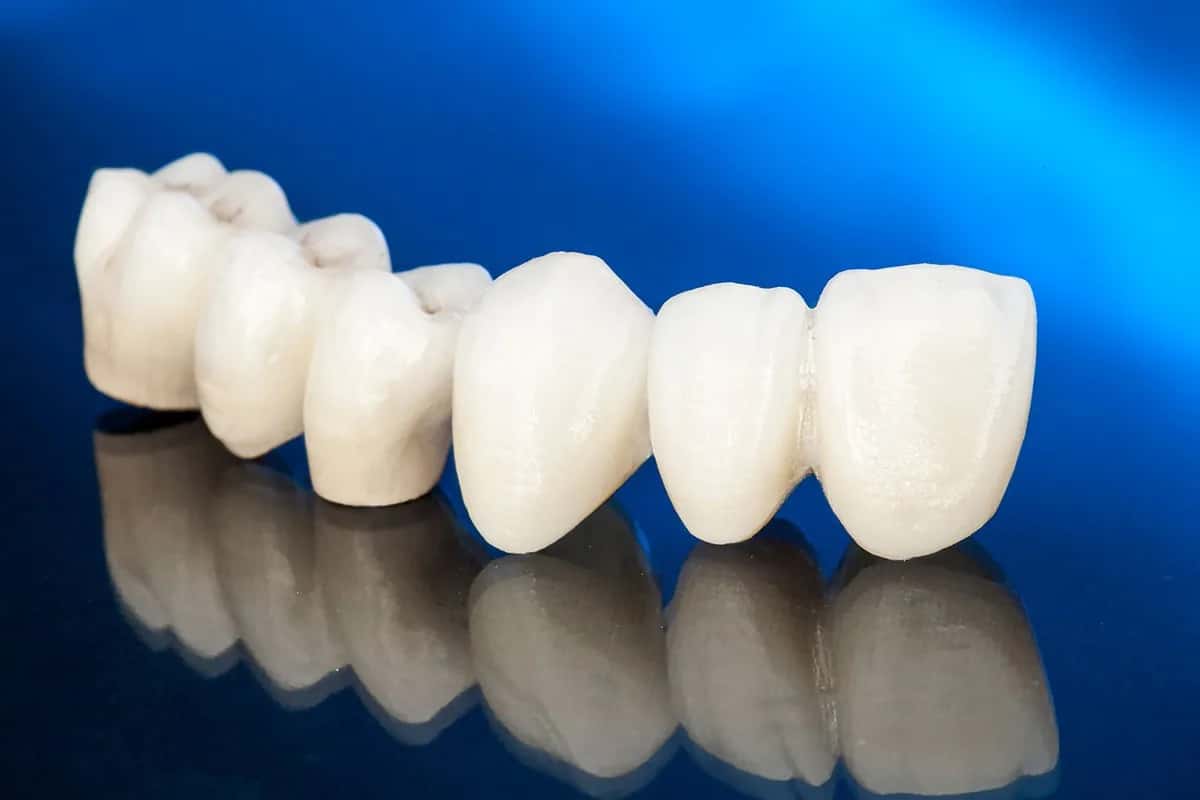
Zirconium crown costs around the world vary significantly, from approximately €180–€400 per tooth in Turkey to $1,000–$2,500 in the United States, based on published 2026 private-treatment prices.
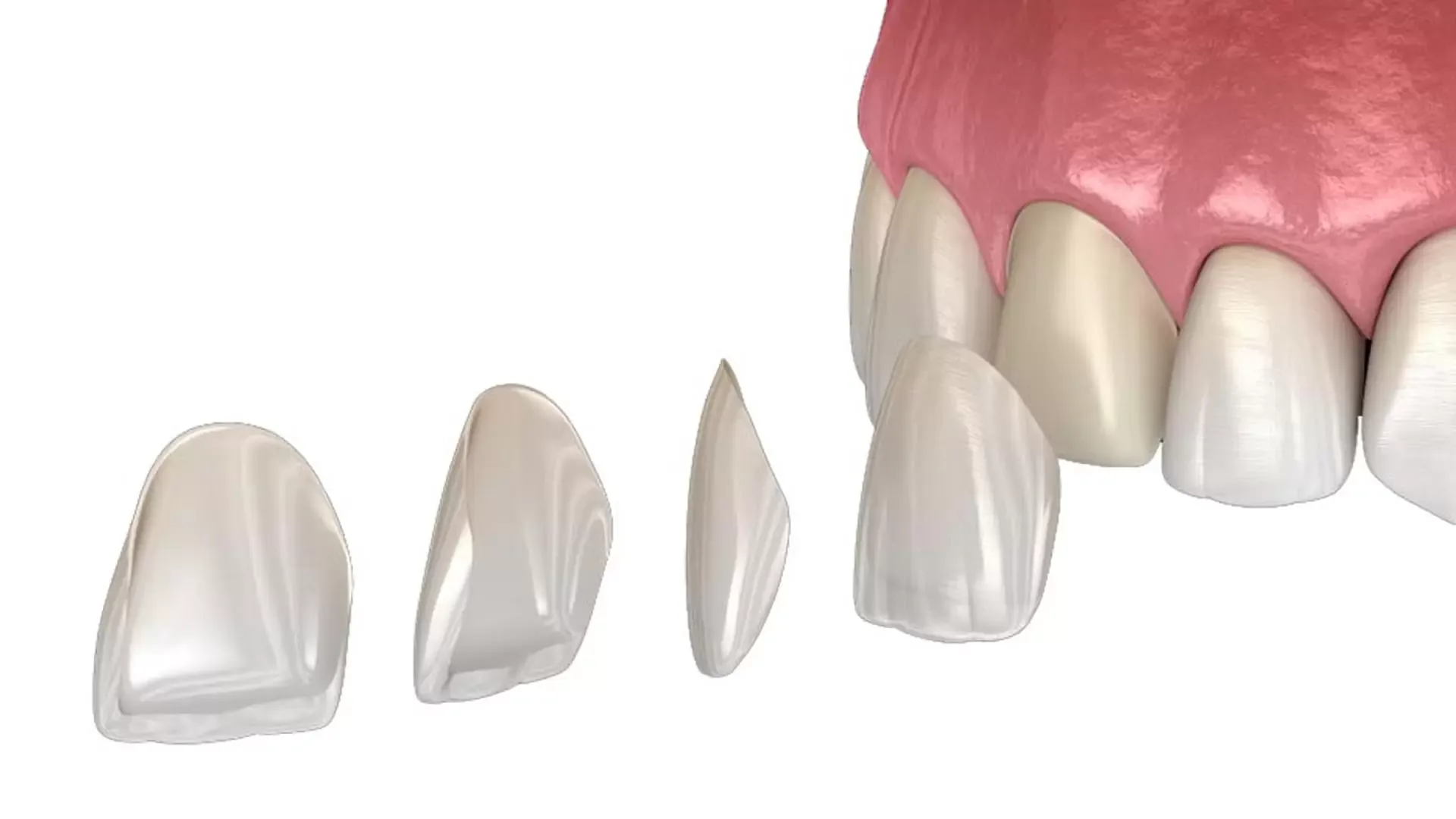
E-Max costs around the world differ significantly, with ceramic veneers and crowns available at lower published prices in countries such as Turkey, Mexico and Hungary than in the United States or United Kingdom.
Subscribe to the Medifinder newsletter and never miss our latest content.