










Does Taylor Swift Have Veneers?
This comprehensive dental aesthetic analysis evaluates the evolution of Taylor Swift's smile, examining cosmetic dental procedures, structural transformations, and porcelain veneer characteristics.

- Last updated
- 54 reads
- 8 min read


Does Taylor Swift Have Porcelain Veneers On Her Teeth?
Taylor Swift most likely has porcelain veneers or high-grade aesthetic composite restorations on her upper teeth to achieve her remarkably uniform and bright smile.
Early photographs from the beginning of her musical career reveal slightly uneven edges, minor overlapping, and a distinctive canine profile. Over subsequent years, her dental arch developed exceptional symmetry, consistent length, and a noticeably brighter, permanent shade. These refined physical characteristics align directly with modern cosmetic porcelain veneer enhancements rather than simple orthodontic alignment alone. The transformation retains subtle natural nuances, avoiding the artificial opacity commonly associated with older cosmetic techniques. Her current smile displays the classic translucent characteristics and precise contouring achievable through custom laboratory ceramics.
How Has Taylor Swift's Smile Changed Over Her Career?
Taylor Swift's smile has evolved from a charmingly natural, slightly crowded arrangement in her teenage years into a balanced, luminous, and structurally symmetrical dental arch.
During the debut phase of her music career, her central incisors displayed subtle rotational irregularities and slightly varied incisal lengths. As her career advanced into major international pop tours, her upper anterior teeth assumed a visibly broader profile with uniform proportions. The width of her dental arch expanded visually, reducing dark buccal corridors when she smiles fully. Furthermore, the coloration transitioned from a natural light enamel tone to an ultra-radiant, consistent shade that reflects light evenly on stage. This gradual aesthetic refinement indicates careful, conservative cosmetic dental planning tailored to complement her facial aesthetics without altering her recognizable facial identity.
Did Taylor Swift Chip Her Tooth During A Live Performance?
Taylor Swift experienced a notable dental accident in 2013 when she accidentally struck her mouth with a microphone during a live stage concert.
The physical impact chipped a visible portion of one of her upper central incisors while performing in front of thousands of spectators. She handled the situation with remarkable professionalism, completing her musical set without interrupting the performance. Following the concert, aesthetic restoration was required to re-establish the structural integrity and aesthetic contour of the damaged tooth. Such sudden trauma to anterior teeth typically requires prompt clinical attention to seal exposed dentin and prevent sensitivity. This incident provided clear public documentation that restorative dental treatment was subsequently performed to reconstruct her incisal edge seamlessly.
How Did Cosmetic Dentistry Repair Taylor Swift's Chipped Tooth?
Cosmetic dentistry repaired Taylor Swift's chipped tooth by utilizing high-strength composite bonding or a custom porcelain veneer to restore original tooth dimensions flawlessly.
For immediate stabilization after stage trauma, direct composite resin bonding offers rapid morphological repair by sculpting shade-matched materials onto the fractured enamel surface. However, long-term stability and optimal light transmission for performers usually favour a definitive porcelain veneer or ceramic crown. Ceramic materials mimic natural enamel refraction far better than synthetic polymers, preventing visible demarcations under intense stadium stage lights. The dental ceramist layers specialized ceramics to replicate microscopic surface textures, developmental grooves, and natural translucency. This precise restorative approach completely restored her anterior tooth symmetry, ensuring that the previously fractured margin became completely undetectable.
What Are The Visual Indicators That Suggest Taylor Swift Has Veneers?
Several distinct aesthetic markers in Taylor Swift's contemporary smile strongly indicate the presence of expertly crafted porcelain dental veneers.
- Perfectly symmetrical incisal edges that create an even, harmonious smile line across all upper anterior teeth.
- Exceptionally uniform tooth proportions that eliminate natural individual variations in enamel thickness and shape.
- A luminous, ultra-bright shade that remains impervious to daily dietary staining and discoloration over years.
- Superior optical translucency along the biting margins that replicates the depth of biological enamel convincingly.
- Broadened arch symmetry that fills the lateral buccal corridors naturally without appearing crowded or artificial.
Did Taylor Swift Use Orthodontic Treatment Prior To Cosmetic Dentistry?
Taylor Swift likely underwent clear aligner therapy or lingual orthodontics earlier in her career to achieve foundational tooth alignment prior to receiving cosmetic restorations.
Proper axial alignment of teeth is a crucial clinical prerequisite for conservative veneer preparations. Placing porcelain shells over severely rotated or misaligned teeth requires excessive reduction of healthy biological enamel. By aligning the dental arches orthodontically beforehand, cosmetic dentists can utilize ultra-thin ceramic laminates with minimal tooth preparation. Photographic comparisons between her early teenage years and later career stages demonstrate a widened, properly guided dental arch. This preliminary tooth movement establishes ideal spacing and arch geometry. Consequently, the final aesthetic restorations look balanced and integrate harmoniously with surrounding periodontal tissues.
What Type Of Cosmetic Veneers Are Typically Used For Celebrity Smiles?
Celebrity smile makeovers predominantly rely on custom-layered feldspathic porcelain or lithium disilicate ceramic veneers to achieve an authentic and durable aesthetic outcome.
Lithium disilicate materials, widely known for their remarkable mechanical strength, withstand substantial functional loads while maintaining excellent aesthetic characteristics. Feldspathic porcelain, crafted by master ceramists through meticulous powder layering, provides unmatched internal coloration and natural optical translucency. These ultra-thin ceramic shells measure between zero point three and zero point five millimetres in thickness. Their minimal profile allows practitioners to preserve maximum natural tooth enamel during preparation. The ceramic surface resists abrasive forces and maintains its glossy polish despite continuous exposure to dietary chromogens. Such advanced materials deliver exceptional longevity and photogenic radiance under high-definition cameras.
How Do High-End Porcelain Veneers Differ From Natural Tooth Enamel?
High-end porcelain veneers differ from natural tooth enamel through their permanent stain resistance, consistent structural uniformity, and lack of biological vulnerability to bacterial acids.
Natural enamel possesses microscopic pores that gradually absorb pigments from coffee, tea, and other dark beverages over time. In contrast, glazed dental ceramics present a non-porous vitreous surface that entirely repels external chromogenic substances. While biological enamel undergoes progressive mineral loss when exposed to bacterial acids, dental ceramics remain completely unaffected by oral acid attacks. However, the natural tooth structure underneath the veneer margins remains susceptible to decay if hygiene is neglected. Furthermore, ceramic restorations lack the dynamic self-repairing remineralization capabilities inherent to natural enamel bathed in saliva. Despite these physical differences, modern ceramics replicate natural enamel light reflection impeccably.
Why Do Performing Artists Frequently Choose Veneers Over Surface Whitening?
Performing artists choose porcelain veneers over surface whitening because veneers deliver permanent color stability, structural reinforcement, and precise geometric symmetry that whitening cannot provide.
Chemical tooth whitening procedures only alter the baseline pigment of existing enamel and require continuous maintenance treatments to prevent shade regression. Moreover, frequent bleaching often triggers acute tooth sensitivity, which can interfere with demanding vocal schedules. Whitening also fails to correct physical imperfections such as chipped margins, uneven lengths, or minor developmental indentations. Veneers resolve these aesthetic challenges simultaneously by reshaping the visible crown while locking in an enduring bright shade. For public performers constantly subject to intense camera lighting, veneers guarantee consistent visual performance without unpredictable color shifts.
What Is The Investment Required For A High-End Smile Transformation?
A high-end celebrity smile transformation involving comprehensive porcelain veneers typically requires an investment ranging from twenty thousand to fifty thousand dollars.
This substantial financial commitment covers personalized digital smile design, comprehensive mockups, and the artistic craftsmanship of master laboratory technicians. Elite cosmetic procedures address between eight and ten visible teeth per dental arch to guarantee seamless aesthetic harmony. Each individual custom ceramic unit generally commands between two thousand and four thousand dollars. Additional expenses incorporate pre-operative digital scans, clinical diagnostics, periodontal contouring, and durable temporary restorations. The extensive expertise of the aesthetic ceramist plays a central role in justifying these premium financial parameters. The final outcome represents a bespoke medical and artistic creation engineered for decades of performance.
How Do Cosmetic Restorations Impact Stage Presence And Enunciation?
Properly designed cosmetic restorations enhance stage presence by projecting radiant confidence while supporting precise phonetic articulation during live singing and speaking engagements.
The position and length of the upper central incisors play a vital role in producing clear dental and labiodental speech sounds. If veneers are fabricated too long or overly thick, they can impede normal airflow and cause noticeable lisping. Master cosmetic practitioners carefully test temporary prototypes to ensure proper phonetic enunciation before bonding permanent ceramic units. Balanced tooth proportions also provide crucial lip support, establishing harmonious facial dynamics during intense performance. A balanced, aesthetically pleasing smile allows performers to smile and vocalize freely without subconscious self-consciousness. These functional considerations make precise dental engineering indispensable for top-tier vocalists.
Can Modern Cosmetic Dentistry Preserve The Natural Anatomy Of Teeth?
Modern cosmetic dentistry preserves natural tooth anatomy through minimal-preparation protocols and advanced adhesive bonding techniques that retain healthy enamel structure.
Historical restorative methods often required aggressive tooth reduction to accommodate bulky porcelain-fused-to-metal crowns. Contemporary aesthetic protocols focus on ultra-conservative enamel shaving, removing merely fractions of a millimetre from the facial surface. Preserving the enamel substrate is paramount because adhesive resin cements achieve their strongest chemical bond with enamel rather than deeper dentin. Digital scanning technology allows clinicians to map tooth morphology in three dimensions, eliminating unnecessary tissue removal entirely. Furthermore, skilled ceramists incorporate natural anatomical contours, such as subtle mamelons and developmental lobes, to avoid an artificial appearance. This biological approach ensures restorations remain stable while protecting pulpal vitality.
How Do Public Figures Maintain Porcelain Veneers For Long-Term Durability?
Public figures maintain porcelain veneers through diligent oral hygiene practices, routine clinical checkups, and wearing custom protective nightguards during sleep.
While porcelain material itself is impervious to carious decay, the underlying natural tooth structure remains vulnerable along the cervical margins. Regular brushing with non-abrasive toothpaste preserves the lustrous surface glaze and prevents micro-scratching on the ceramic material. Flossing daily is vital to prevent gingival inflammation that could lead to gum recession and expose restoration margins. High-stress professional lifestyles often provoke involuntary nocturnal bruxism, which can exert destructive shear forces on anterior veneers. Wearing a custom-fitted occlusal nightguard shields ceramic restorations from chipping or debonding during sleep. Scheduled professional cleanings ensure marginal seals remain intact for decades.
What Can Patients Learn From The Evolution Of Taylor Swift's Smile?
Patients can learn that achieving a stunning smile makeover relies on conservative planning, natural aesthetic harmony, and prioritizing long-term oral health over extreme artificial brightness.
An exceptional cosmetic transformation should never look glaringly artificial or out of proportion with individual facial features. Taylor Swift's dental progression exemplifies how subtle refinements in alignment, length, and shading can enhance natural beauty without erasing unique personal identity. Prospective dental patients should focus on comprehensive aesthetic evaluations that respect underlying tooth structure rather than demanding aggressive tooth shaving. Consulting with experienced cosmetic practitioners ensures that functional bite dynamics receive equal attention alongside cosmetic goals. Investing in conservative, high-quality restorations ultimately delivers enduring confidence and optimal biological health throughout a lifetime.
- Last updated
- Language
- English
How did you find this article?
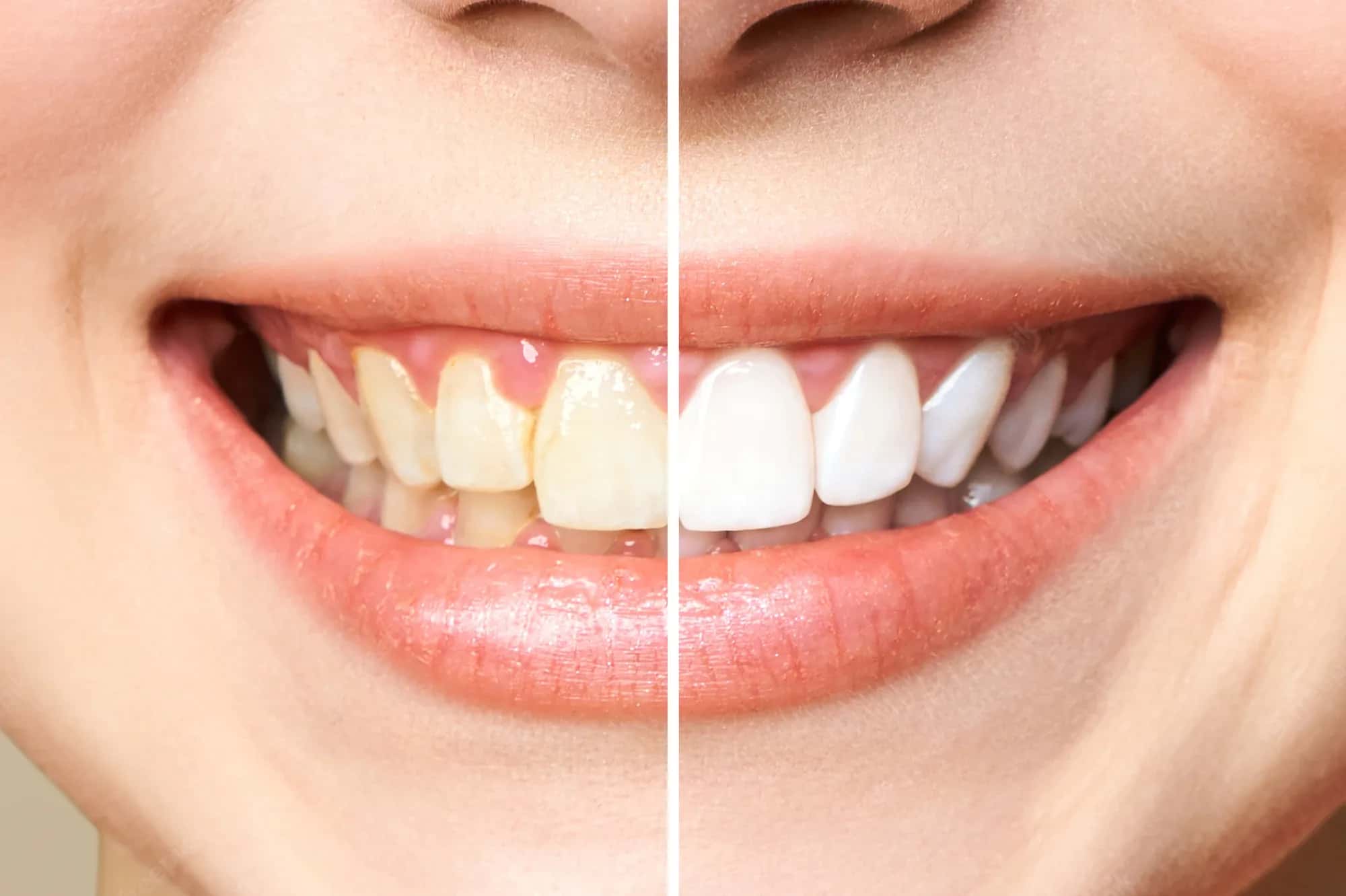
Teeth whitening costs around the world vary substantially, with professional treatment generally costing less in countries such as Turkey, Mexico and India than in the United States or United Kingdom.
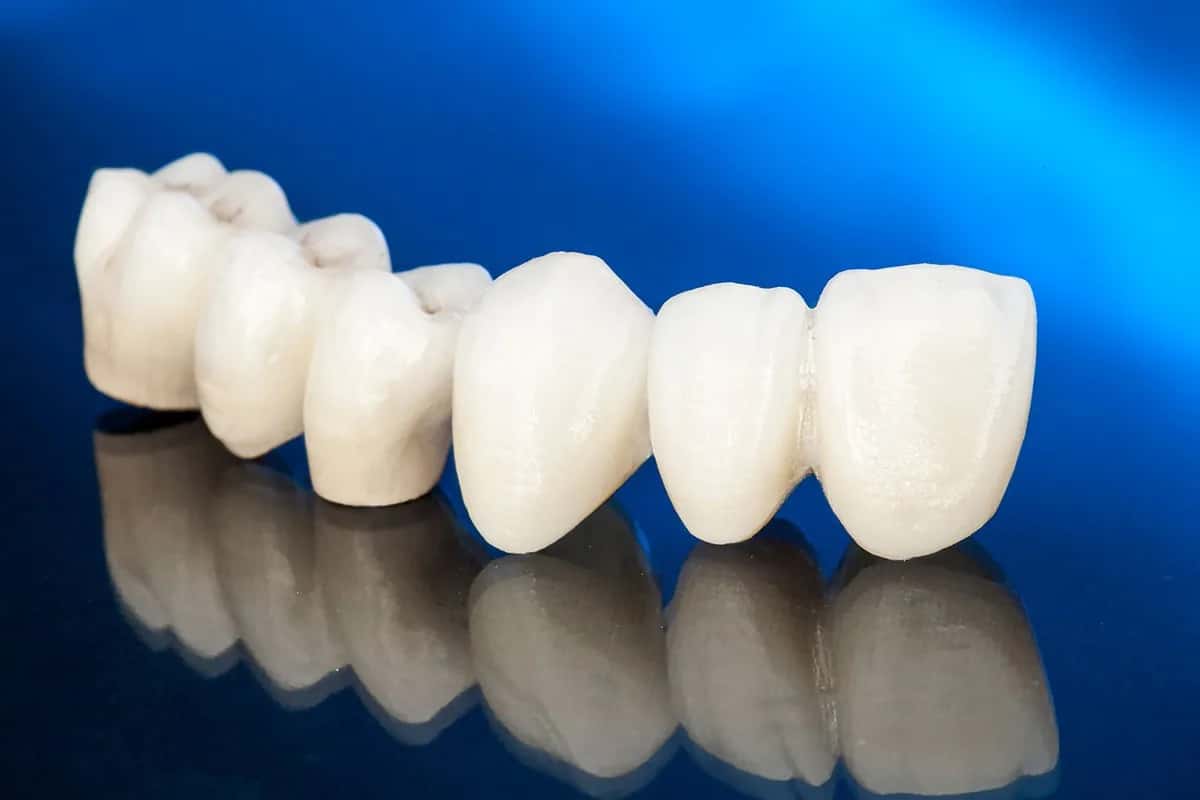
Zirconium crown costs around the world vary significantly, from approximately €180–€400 per tooth in Turkey to $1,000–$2,500 in the United States, based on published 2026 private-treatment prices.
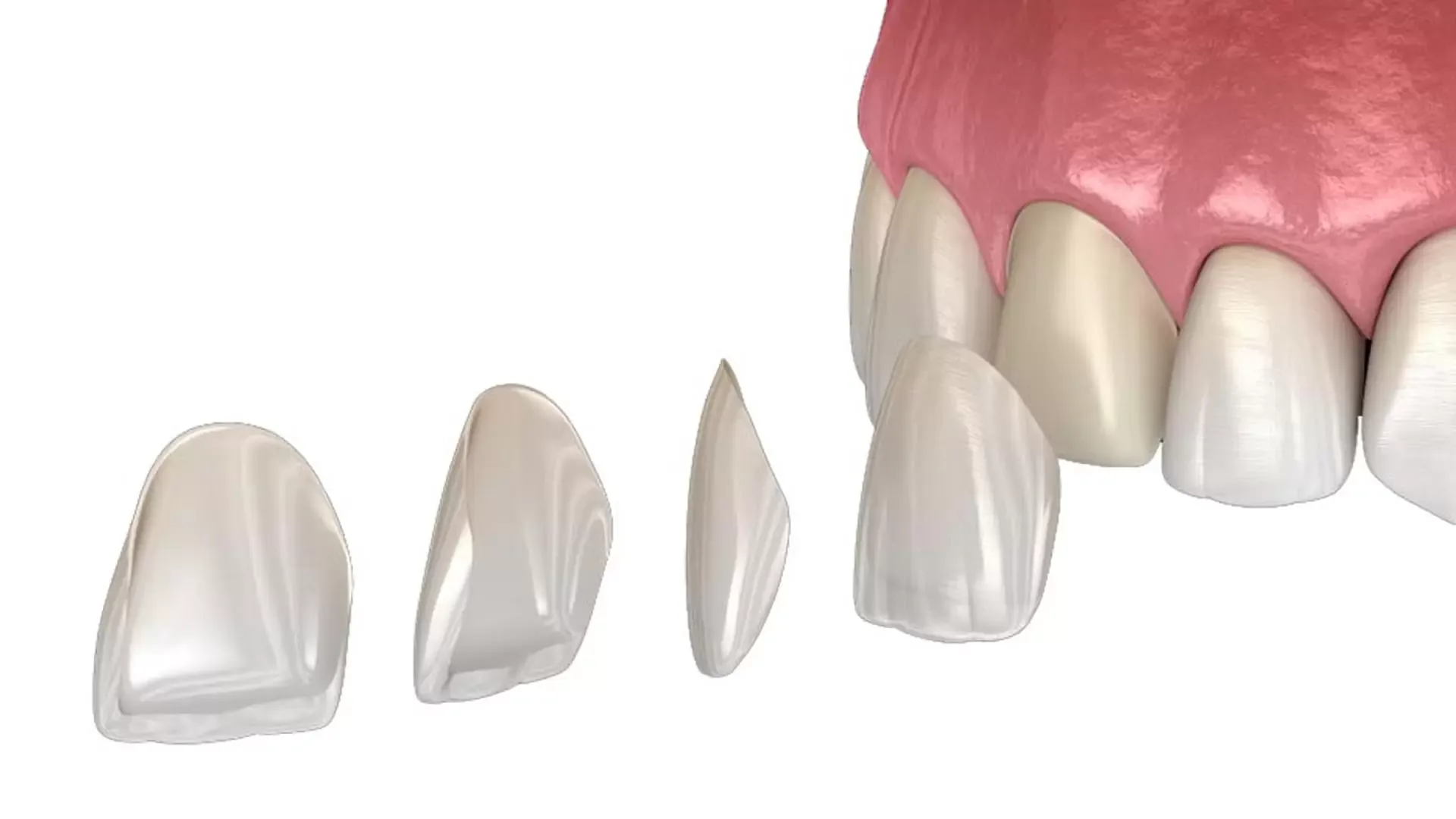
E-Max costs around the world differ significantly, with ceramic veneers and crowns available at lower published prices in countries such as Turkey, Mexico and Hungary than in the United States or United Kingdom.
Subscribe to the Medifinder newsletter and never miss our latest content.