










Do It Yourself Dentures: Are DIY Denture Kits Safe?
This guide explains do it yourself dentures, including how DIY denture kits work, potential risks, temporary uses, fit problems, costs, maintenance, and safer alternatives.

- Last updated
- 129 reads
- 10 min read


What Are Dentures You Can Do Yourself?
Do it yourself dentures are removable replacement teeth that consumers attempt to mold, assemble, fit or repair at home without conventional clinical denture fitting.
Products are very different. Some kits include pre-formed teeth and heat-softened material that users shape around their gums. Others are sold as a temporary cosmetic replacement for one or more missing teeth. Unlike professionally fitted dentures, which are made after examining the mouth, bite, remaining teeth and supporting tissues. Proper dentures require taking impressions or digital scans and usually require fitting and adjustment appointments. Home kits bypass some of these clinical steps and may make it difficult to reproduce accurate fit and bite relationships .
Do DIY Denture Kits Work?
DIY denture kits can fill a visible gap temporarily, but they can’t replicate the fit, bite, stability, and tissue support of professionally made dentures with any reliability.
A home-molded appliance may look acceptable from the front, especially if its primary purpose is to replace a visible missing tooth. Function is more demanding as dentures must be stable during chewing, speaking, swallowing and normal jaw movement. Professional denture construction is based on measurements or impressions of the mouth taken before the appliance is made and fitted. Many times, even professionally made dentures require further adjustments. The ability of a home kit to create a functional dental prosthesis from generic components is therefore severely limited.
Are DIY Dentures Safe?
DIY dentures are not regarded as a reliable substitute for professionally assessed dentures. An inaccurate appliance can injure oral tissues and interfere with normal function.
The safety issue isn’t just that the material stays in the mouth. Chewing forces should be distributed properly and there should not be too much pressure on the gums or remaining teeth. Ill-fitting dentures can cause soreness, ulceration, infections and problems eating or speaking. The continued use of ill-fitting dentures can also lead to chronic irritation of the tissues. In the UK, making, fitting or relining dentures directly for another patient is regulated as dental treatment. It is this clinical judgment that is required to produce an appliance that will work safely in the mouth.
Why Are Poorly Fitting DIY Dentures a Problem?
Poorly fitting DIY dentures can cause problems as uneven pressure and movement repeatedly traumatize gums, while allowing the appliance to shift during normal jaw function.
The denture base must be in intimate contact with the supporting tissues and not permit pressure to be concentrated. If one section is too high or too low biting forces can be concentrated on a small area. Then the repeated movement causes friction against the gums. This can lead to soreness, ulceration, inflammation and difficulty in wearing the appliance for normal periods of time. Poor retention also results in decreased chewing efficiency because the denture may lift or slide during food processing. Professional adjustment is intended to find and repair these problems of pressure and stability before they become permanent.
Are DIY Dentures Bad For Your Gums?
Owing to hard edges, too much pressure, unstable movement or inaccurate molding, DIY dentures can repeatedly irritate the supporting tissue and damage the gums.
The mucosa of the oral cavity is a resilient tissue, but persistent mechanical stress can cause traumatic lesions. Dentures that fit poorly are a known cause of injury to oral tissues. It can start with soreness, redness, tenderness and local ulceration. With continued use, this slight irritation can become a chronic problem. Each time the appliance is worn, pressure is placed on the tissue. Healing involves removing the source of the trauma. A denture that causes continued pain should not be tolerated while the user waits for the gums to adjust to an inaccurate fit.
Will DIY Dentures Impact Eating and Talking?
Poorly retained or ill-fitting DIY dentures may interfere with eating and speech and movement of the appliance during tongue and jaw activity can occur if the bite is not correct.
Dentures are supposed to fix some of the issues caused by missing teeth, such as issues with eating and speaking. These functions can only be achieved with an appliance that interacts with the tongue, cheeks, jaw position and opposing teeth. Too thick may change speech sounds. Poor retention may cause a denture to click or shift during conversation. An inaccurate bite can cause you to chew unevenly or uncomfortably. Dentures, even those fitted by professionals, take weeks to get used to. And an unstable DIY appliance can make the adjustment a lot more difficult, because the underlying fit problem is still there.
Can DIY Dentures Hurt Your Other Teeth?
If the retention of a poorly designed DIY partial denture is dependent on uncontrolled contact with natural tooth surfaces, it can place undue pressure on remaining teeth.
Partial dentures are supported by remaining teeth and gums. Therefore, their design has to account for which teeth can safely provide support and retention. If it is too tight, it can apply unwanted pressure, and if it moves too much, it can rub against the enamel and gum margins. Poorly fitted components can also trap food and plaque, making it more difficult to maintain oral hygiene. Plaque around denture components can lead to decay and gum problems, so the remaining natural teeth need to be cleaned carefully. So replacing several teeth involves more than simply creating replacement crowns to fill the gap.
Is It Possible to Make Dentures at Home?
It is not easy to make a working full denture at home as complete dentures must reproduce the shape of the gums and create a correct relationship between both jaws.
When all of the teeth are gone there are no natural tooth contacts to automatically guide the final bite. Therefore in the making of dentures it is necessary to take measurements to determine the position of the teeth, the relation of the jaws to each other, the support and the appearance. The appliance must also be stable on reasonably movable tissues of the mouth. Dentures made by professionals generally require impressions or scans and a fitting appointment before they can be worn as usual. Even professionally made immediate dentures often need later adjusting as the mouth changes during healing. The comparable accuracy for reproducing such stages is not possible in a generic home-moulding process.
Is DIY Partial Dentures Safe?
Preventable dangers can be created if the shape, retention or bite of DIY partial dentures has not been checked against the gums and remaining natural teeth.
Possible problems are:
- Pressure on vulnerable remaining teeth
- Soreness of gums from ill-fitting edges
- Movement when eating or speaking
- Food trapping around the appliance
- Difficulty cleaning natural teeth
- An altered bite between upper and lower teeth
- Breakage of small components
- Continued use despite tissue irritation
Partial dentures have to co-exist with natural teeth, rather than just fill an empty space. Therefore, in the design, retention, support, access for cleaning and distribution of forces during mastication must be considered.
Are DIY Dentures an Option for Temporary Use?
While a do-it-yourself denture might give some people short-term cosmetic coverage, temporary use does not eliminate the risks of a poor fit or inappropriate materials.
A temporary appliance should not be painful, ulcerate, cause unstable biting or difficulty in swallowing. Immediate Dentures are temporary dentures professionally made when teeth are extracted recently. They can be fabricated within days and fitted at the time of extraction. They still need to be adjusted or replaced as the gum and bone contours change during healing. That’s why even temporary dentures need to be checked out. Because a home kit can be worn for a few days, it doesn’t mean it should be used as a long term solution.
Are DIY Dentures Cheaper Than Professionally Made Dentures?
DIY denture kits may be cheaper in the first instance but the lower cost does not include examination, custom fitting, adjustment or professional assessment of oral health.
The headline price therefore compares apples with oranges. Professional denture treatment includes a clinical evaluation and an appliance made to the shape of the mouth. A home kit mostly provides materials and instructions. Additional appointments may be used to correct sore spots, instability or bite problems. Good quality professional dentures can last years but they will need to be adjusted at some point as the gums and jawbone change. A DIY appliance that breaks often or is uncomfortable may thus have less long-term value even if it has a lower upfront cost.
Can Denture Adhesive Improve the Fit of DIY Dentures?
Denture adhesive can help with retention on a temporary basis, but it is not the answer to a constantly ill-fitting or painful DIY denture.
Adhesive works best as a supplement to a denture that already fits reasonably well. It helps to improve retention and reduce movement during chewing. Professional advice, however, warns that adhesive is not the answer to ill-fitting dentures. If an appliance needs large amounts of adhesive, or needs to be applied several times, adjusted or relined or replaced. Too much adhesive can mask an underlying fit problem while continuing to irritate tissue. Some adhesives also contain zinc, so long-term use of these adhesives is not advised.
DIY Dentures – Can You Make Them Yourself?
Do not expect home grinding, cutting, reheating or reshaping of dentures to reliably correct an inaccurate appliance, as this may create new pressure points.
By changing the internal surface it is possible to slightly alter the force distribution over the whole denture. Taking material out of the wrong area may reduce stability. A sharp edge can injure oral tissue. Also, depending on the material, heating an appliance can change its shape. Professional denture adjustment is based on examination of the mouth and the recognition of specific pressure areas. Even professionally made dentures may need to be adjusted as your gums change shape. So repeated uncontrolled changes at home can make the fit less and less predictable instead of more predictable.
What Are The Major Risks Of DIY Dentures?
The main risks of DIY dentures include poor fit, tissue injury, unstable chewing, bite problems, plaque retention and delayed diagnosis of underlying dental disease.
Missing teeth may be accompanied by decay, gum disease, infection, or changes in the supporting bone. If you only think about filling the space you can see, you might miss these conditions. An improper appliance can then add mechanical irritation to an already unhealthy site. Another concern is breakage, as small loose pieces can be difficult to control inside the mouth. Well-known symptoms that a denture needs professional evaluation, not more home tweaking, include prolonged soreness, bleeding gums, foul breath, looseness and difficulty eating or talking.
What Makes Dentures Professionally Made?
Custom dentures are made professionally from measurements or digital impressions of the individual mouth and are fitted and adjusted to the oral anatomy and function.
The appliance is able to consider the contours of the gums, the remaining teeth, the relationships of the jaws and the space available for replacement teeth in this process. It also permits to examine the oral tissues before treatment. Problems such as soreness, looseness, clicking or difficulty eating can be re-evaluated and corrected after fitting. Over time, the gums and jawbone shrink, which can mean that dentures need to be relined or replaced. Professional treatment, therefore, involves both the production of the appliance and ongoing assessment of the interaction of that appliance and the mouth.
How Long Can You Keep DIY Dentures On?
Take out DIY dentures if they are causing repeated pain, bleeding, ulceration, instability, difficulty swallowing or significant problems with eating and speaking.
Continuous soreness means that oral tissue is being irritated rather than simply adapting normally. Red or bleeding gums, bad breath, or a growing discomfort may also signal infection, gum disease, or another condition that needs to be looked at. If an appliance is fractured, it should not be continued to be worn as sharp or loose parts may injure the soft tissues. If your denture is loose and you keep having to add adhesive, instead of continually fixing it yourself at home, get it checked out. The mechanical source of irritation should be removed or corrected and the oral tissue generally heals more effectively.
What Are Better Alternatives to DIY Dentures?
A safer alternative to DIY dentures is a professionally assessed removable denture made from the measurements of the mouth and adjusted after fitting.
A complete denture replaces all of the teeth in an upper or lower arch; a partial denture replaces some missing teeth. Immediate dentures can offer quicker replacement after extractions, when waiting for conventional healing would leave visible spaces. Bridges and dental implants are other options in appropriate cases. The main difference is that treatment starts with an evaluation, not a one-size-fits-all appliance. The direct making, fitting or relining of dentures for patients is defined in the UK as regulated dental treatment . This reflects the level of clinical knowledge required to safely provide dentures.
- Last updated
- Language
- English
How did you find this article?
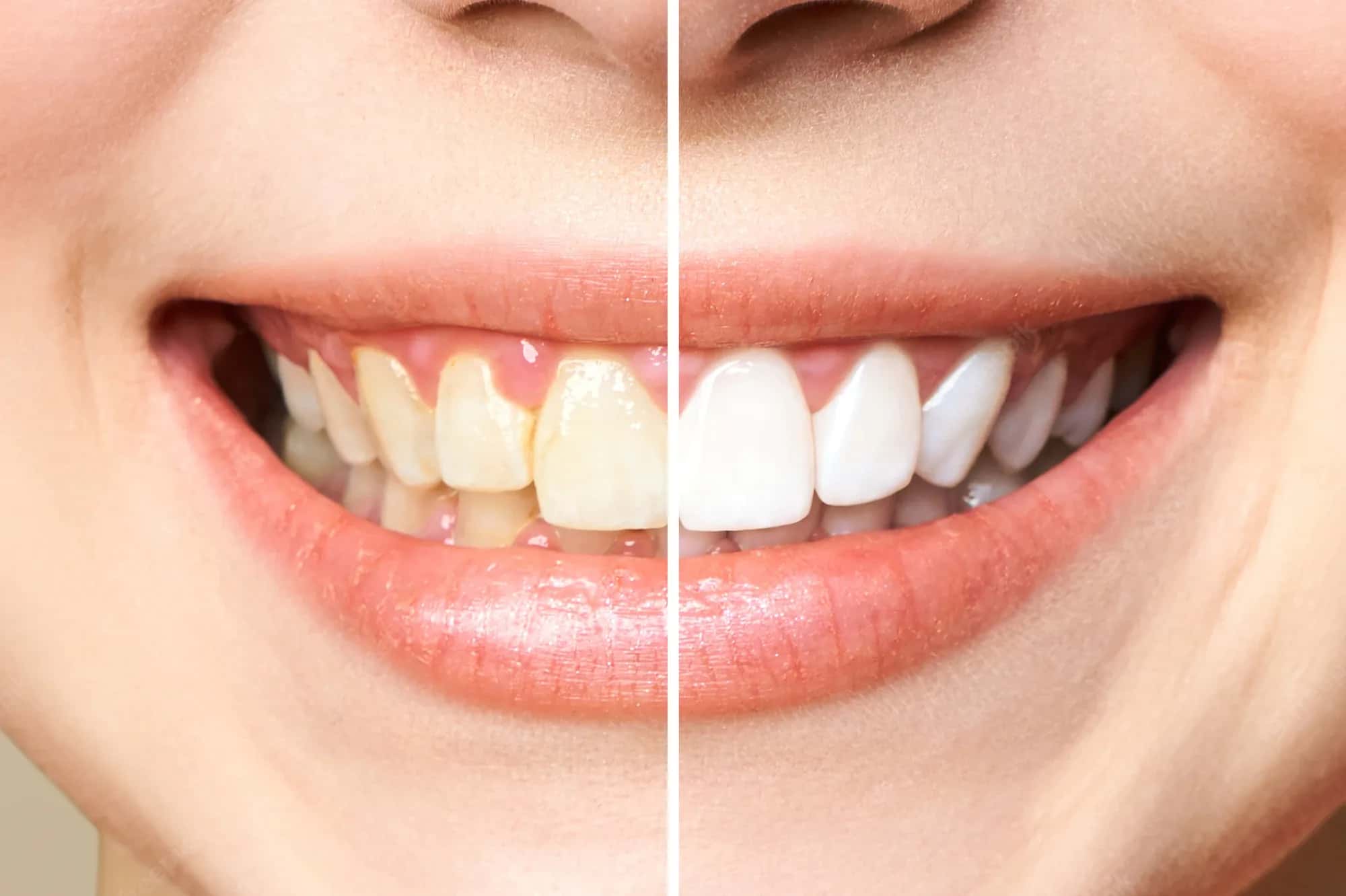
Teeth whitening costs around the world vary substantially, with professional treatment generally costing less in countries such as Turkey, Mexico and India than in the United States or United Kingdom.
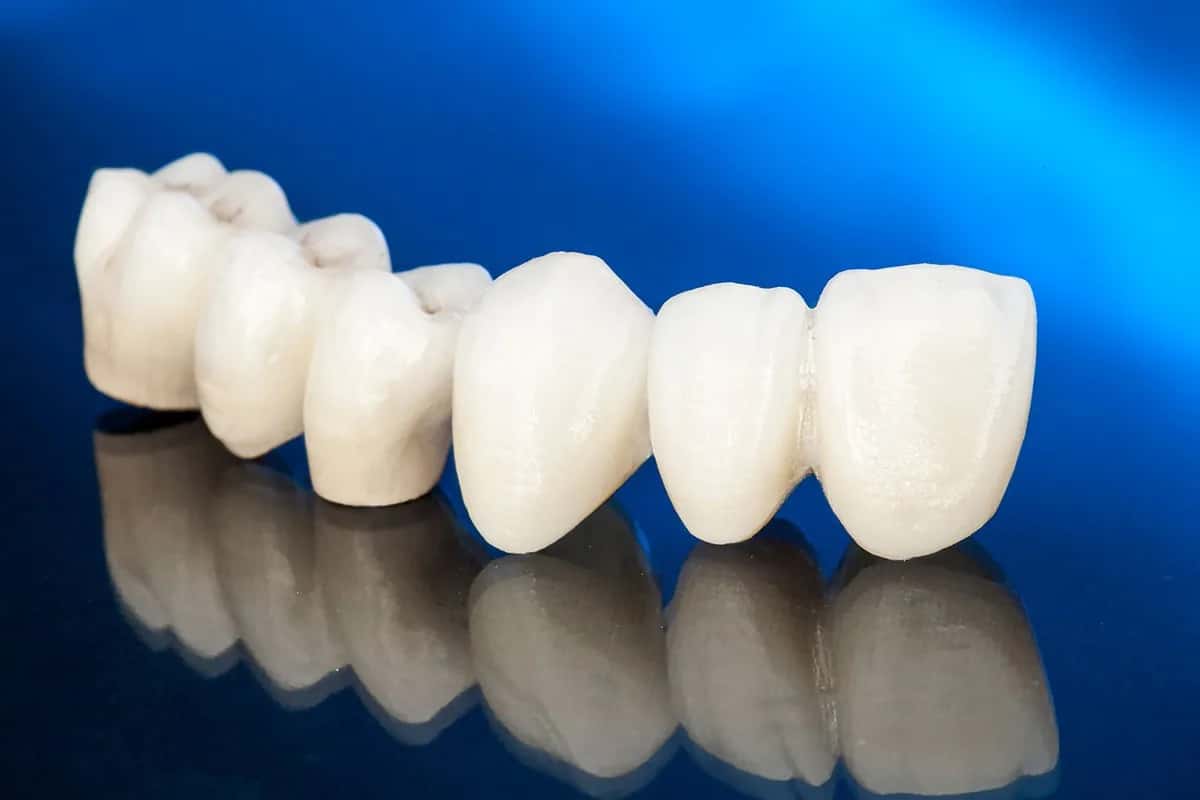
Zirconium crown costs around the world vary significantly, from approximately €180–€400 per tooth in Turkey to $1,000–$2,500 in the United States, based on published 2026 private-treatment prices.
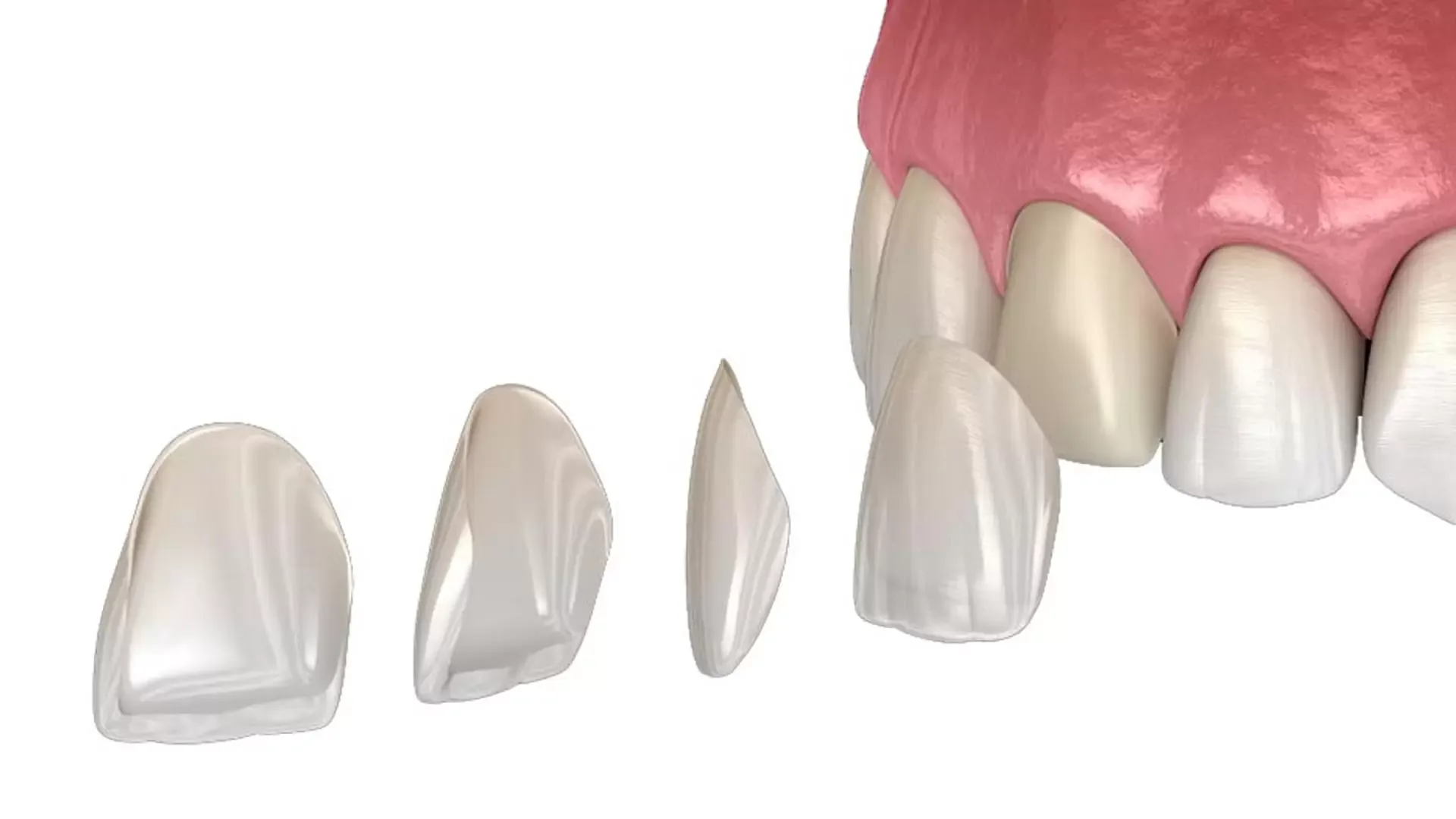
E-Max costs around the world differ significantly, with ceramic veneers and crowns available at lower published prices in countries such as Turkey, Mexico and Hungary than in the United States or United Kingdom.
Subscribe to the Medifinder newsletter and never miss our latest content.