










Dental Surgery Tools: Types And Uses
Learn about common dental surgery tools, including forceps, elevators, scalpels, surgical burs, suction instruments, implant tools, and sterilization practices.

- Last updated
- 135 reads
- 10 min read


Dental surgery requires careful planning, controlled movements, and instruments designed for specific tasks. From a straightforward tooth extraction to implant placement or gum surgery, clinicians use different tools to examine the mouth, administer anesthesia, manage tissue, remove teeth, shape bone, control bleeding, and close the surgical area.
The phrase dental surgery tools covers a broad range of handheld instruments, powered equipment, and single-use materials. Some tools appear in almost every surgical setup, while others are reserved for particular procedures. A dentist may also select different shapes or sizes of the same instrument according to the tooth position, bone structure, access to the surgical site, and treatment plan.
Understanding these instruments can make dental treatment feel less unfamiliar. However, knowing what a tool does does not replace professional training. Dental surgical instruments should be selected and used by appropriately qualified clinicians in a properly equipped treatment environment.
What Are Dental Surgery Tools?
Dental surgery tools are instruments and devices used during procedures involving the teeth, gums, jawbone, or surrounding oral tissues. They may support diagnosis, improve visibility, deliver local anesthesia, separate tissue, remove a tooth, prepare an implant site, or assist with wound closure.
A basic oral surgery setup may include a dental mirror, examination probe, tweezers, local anesthetic equipment, scalpel, periosteal elevator, extraction elevators, forceps, suction tips, and suturing instruments. More complex operations may require powered handpieces, surgical burs, implant drills, bone-cutting devices, retractors, or specialized measuring tools.
Most dental instruments are designed for a narrow purpose. An extraction forceps is not simply a pair of general pliers, and a surgical elevator is not used in the same way as a household lever. The design of the handle, working end, angle, and surface helps the clinician apply force in a controlled manner.
Examination and Visualization Tools
Before beginning surgery, the dentist needs a clear view of the treatment area. Several simple instruments help with examination and access.
A dental mirror provides indirect vision and reflects light into areas that are difficult to see directly. It can also move the cheek or tongue away from the working area.
A dental probe may help the clinician examine tooth surfaces, gum tissues, or existing restorations. Periodontal probes include markings that allow measurements around the teeth and gums.
College tweezers, also called cotton pliers, are used to carry small materials into or out of the mouth. They may hold cotton pellets, gauze, or other lightweight items.
During surgery, retractors hold the cheek, tongue, lips, or a raised tissue flap away from the operating area. Common designs vary in size and angle. The dentist chooses one that improves visibility without placing unnecessary pressure on surrounding tissue.
Good visibility is important because oral structures are small and positioned close together. Lighting, magnification, suction, and careful retraction often work together to create a manageable surgical field.
Local Anesthesia Equipment
Most minor dental operations involve local anesthesia. The purpose is to numb the treatment area while the patient remains awake. Sedation or general anesthesia may also be considered for selected procedures, but these require separate equipment and monitoring.
An aspirating dental syringe holds a cartridge containing local anesthetic solution. A sterile, single-use needle attaches to the syringe. Dental needles are available in different lengths and gauges because injection sites and techniques vary.
The clinician selects the anesthetic, injection method, and amount after considering the procedure, treatment duration, medical history, and other relevant factors. The syringe should allow controlled delivery rather than rapid or forceful injection.
Topical anesthetic may be applied to the surface of the gum before an injection. It can reduce the sensation as the needle enters the tissue, although it does not numb deeper structures sufficiently for surgery on its own.
Needles and anesthetic cartridges are not reused between patients. They must be handled and discarded according to clinical safety procedures.
Scalpels and Soft-Tissue Instruments
A surgical procedure may require an incision in the gum to reach a tooth, root, implant site, or area of bone. A scalpel consists of a reusable or disposable handle and a sterile blade. Different blade shapes suit different types of incision.
The surgeon uses the scalpel to make a planned cut through soft tissue. The incision should provide enough access while preserving tissue needed for closure and healing.
After an incision, a periosteal elevator may be used to separate and raise a gum flap from the underlying bone. Its working end is shaped to move along the bone surface. It is different from the elevators used to loosen teeth.
Tissue forceps can hold or position soft tissue during the operation. Some designs have small teeth for a secure grip, while others have smoother working ends for more delicate handling.
Surgical scissors may be used to trim selected tissue or cut sutures. Their design and intended purpose determine whether they are suitable for tissue, suture material, or another task.
Dental Elevators and Luxators
Elevators are among the most recognizable dental extraction tools. They help loosen a tooth or root before forceps are applied.
A dental elevator usually has a handle, shaft, and working end. The dentist positions the instrument carefully and applies controlled pressure to expand the socket or move the tooth. Different patterns are available for straight access, angled access, or removal of retained root fragments.
A luxator often has a thinner and sharper working end. It is designed to enter the space around the tooth and help separate the periodontal ligament. Luxators and elevators may look similar, but they are not always used in the same manner.
Controlled use matters because excessive or poorly directed force can damage neighboring teeth, bone, or soft tissue. The clinician must understand the root shape, surrounding anatomy, and appropriate support points before applying pressure.
These instruments may reduce the force needed during the later stages of an extraction, but they do not make every tooth removal simple. Root curvature, tooth decay, bone density, and limited access can all affect the procedure.
Extraction Forceps
Dental extraction forceps are used to grip and remove a sufficiently loosened tooth. Their beaks are shaped to fit around particular tooth and root forms.
Forceps intended for front teeth differ from those used for molars. Upper and lower teeth also require different angles because the dentist approaches them from different directions. Some forceps are designed for teeth with multiple roots, while others suit narrow or single-rooted teeth.
The forceps should grip the tooth securely without crushing it unnecessarily. The clinician applies controlled movements based on the tooth’s anatomy and the surrounding bone.
Forceps are not always the first or only instrument used during an extraction. Elevators, surgical burs, or root-sectioning techniques may be needed before the tooth can be removed. In some cases, separating a tooth into smaller sections allows removal with less pressure on the surrounding bone.
Surgical Handpieces and Burs
A surgical dental handpiece is a powered device that rotates a cutting bur. It may be used to remove a controlled amount of bone, divide a tooth, smooth a sharp bone edge, or prepare part of a surgical site.
Surgical burs are available in different materials, shapes, and cutting patterns. Round burs can remove or contour bone, while fissure-type burs may be used to section a tooth. The choice depends on the planned task and the clinician’s technique.
Irrigation is often used during bone cutting to manage heat and clear debris from the working area. The dentist must control speed, pressure, cutting time, and cooling. Excessive heat can damage tissue.
Dental handpieces and removable intraoral attachments require cleaning and heat sterilization between patients according to their manufacturers’ instructions. Wiping the external surface alone is not sufficient for reusable surgical handpieces.
Bone Instruments and Piezosurgery
Some operations require bone removal, reshaping, or preparation. Traditional instruments may include bone files, rongeurs, chisels, osteotomes, and mallets.
Rongeurs remove small pieces of bone through a controlled biting action. Bone files smooth selected rough edges. Chisels and osteotomes may cut, split, or shape bone when used for a suitable procedure.
A piezoelectric surgery unit is another bone-cutting option. It uses a vibrating tip rather than a rotating bur. Different tips are available for cutting, shaping, or working around a surgical site.
Piezosurgery is used in selected extraction, periodontal, grafting, and implant procedures. It is not automatically the best choice for every operation. The equipment, technique, access requirements, and expected operating time all influence the decision.
The clinician should choose a bone instrument according to the procedure rather than assuming that newer equipment always produces a better result.
Suction and Irrigation Tools
Blood, saliva, irrigation fluid, and small particles can make it difficult to see during dental surgery. Suction instruments help maintain visibility and reduce fluid collection in the mouth.
A surgical suction tip is narrower and more precise than a standard saliva ejector. Its shape allows the assistant or clinician to remove fluid close to the operating area.
Suction should be controlled carefully around extraction sockets, grafts, and delicate tissue. Direct pressure from a suction tip may disturb tissue when used improperly.
Irrigation syringes or delivery systems can rinse the surgical area with an appropriate solution. Irrigation may remove visible debris, improve visibility, and cool a site during powered bone cutting.
The solution, pressure, and method depend on the procedure. Patients should not assume that a clinical irrigation syringe is the same as a home-care syringe. Home irrigation after surgery should begin only when the dental team recommends it.
Hemostasis and Suturing Instruments
Dentists use several tools to control bleeding and close an incision. Hemostats are locking instruments that can hold small materials or compress selected tissue. Gauze and other hemostatic materials may also help manage bleeding.
A needle holder grips a curved surgical needle and guides it through tissue. Its locking handle helps maintain control while the clinician places each stitch.
Suture scissors cut the suture material after a knot has been tied. They are also used during a follow-up appointment when non-dissolving sutures need removal.
Sutures support tissue edges while healing begins. The dentist selects the material, thickness, needle shape, and stitching technique according to the location and tension of the wound.
Not every dental extraction requires stitches. The need for suturing depends on the size of the incision, tissue position, bleeding, surgical technique, and treatment plan.
Dental Implant Surgery Tools
Implant placement requires instruments designed to prepare the bone and position the implant accurately. A typical setup may include implant drills, depth gauges, direction indicators, drivers, and a torque-control device.
Implant drills prepare the site in a planned sequence. Their diameter and length correspond to the implant system and surgical plan. Irrigation may be used during drilling to control temperature.
A depth gauge helps confirm the prepared depth. Direction indicators allow the clinician to check the angle and relationship between implant sites.
A surgical guide may help transfer a digitally or conventionally planned implant position to the mouth. Guides vary in design and do not remove the need for clinical judgment.
After placement, a torque wrench can help the dentist apply or measure rotational force according to the implant system’s instructions. Using incompatible components or uncontrolled force can affect the implant or its connection.
Cleaning, Sterilization, and Storage
Dental surgical instruments that penetrate soft tissue or bone are considered critical items. Reusable critical instruments must be cleaned and sterilized after each use, while items designed for single use must be discarded.
Cleaning comes before sterilization because visible and microscopic debris can interfere with the process. Instruments may pass through several stages, including safe transport, cleaning, rinsing, drying, inspection, packaging, sterilization, storage, and documentation.
Steam sterilization is commonly used for heat-tolerant dental instruments. The correct cycle depends on the sterilizer, packaging, load, and manufacturer’s instructions. Sterilization processes also require monitoring.
Packaging helps keep an instrument sterile after processing. A damaged, wet, or opened package may no longer provide reliable protection.
Instrument maintenance matters as well. Hinged tools may require approved lubrication, cutting surfaces can become dull, and damaged instruments should be removed from service.
Final Thoughts
Dental surgery tools range from basic mirrors and tweezers to specialized extraction forceps, powered handpieces, implant drills, and suturing instruments. Each tool has a defined role, and successful treatment depends on more than simply having the correct equipment.
The dentist must select an instrument that suits the patient’s anatomy and the planned procedure. Controlled technique, good visibility, effective assistance, equipment maintenance, and infection-control procedures are equally important.
Patients do not need to recognize every instrument in a surgical tray. However, understanding the general purpose of dental surgery tools may make the treatment process easier to follow. Questions about a planned procedure, anesthesia, sterilization, or recovery should be discussed directly with the treating dental professional.
- Last updated
- Language
- English
How did you find this article?
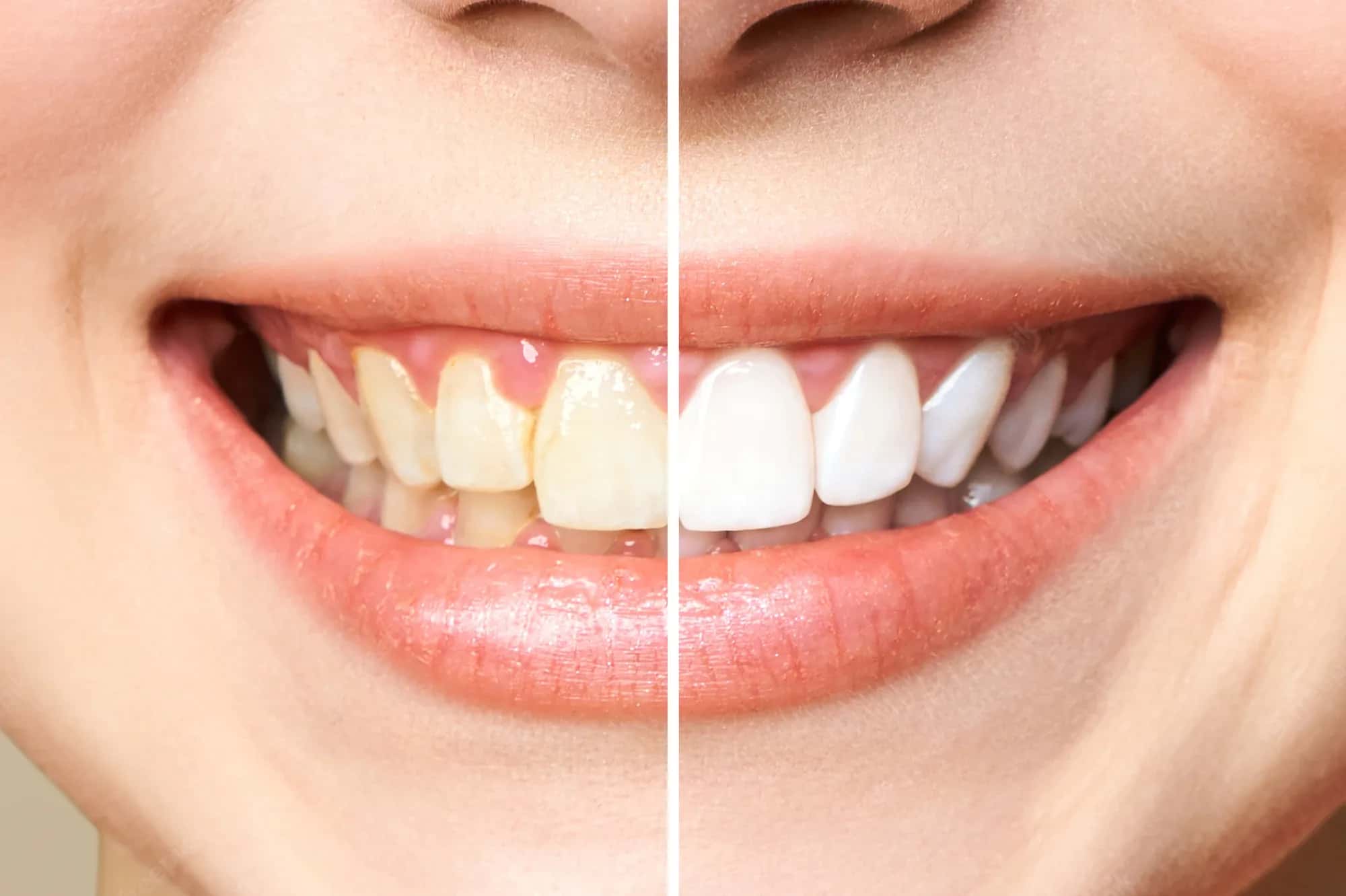
Teeth whitening costs around the world vary substantially, with professional treatment generally costing less in countries such as Turkey, Mexico and India than in the United States or United Kingdom.
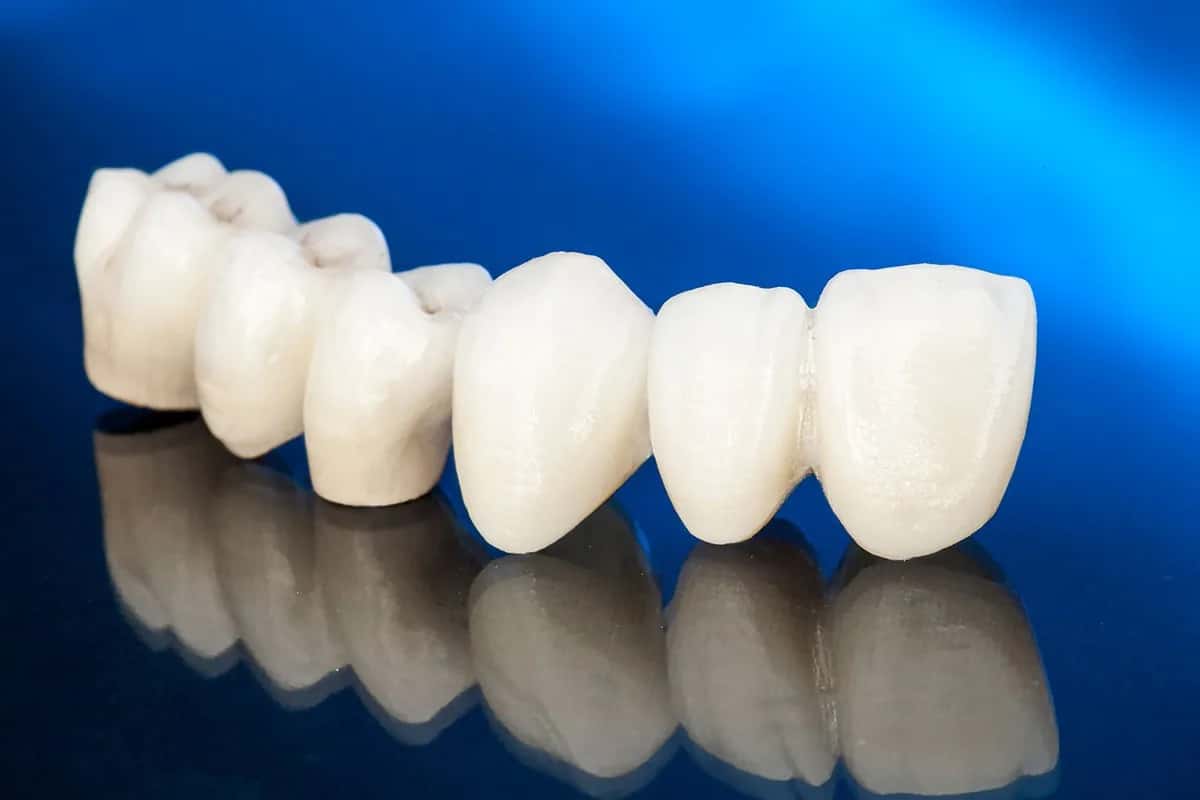
Zirconium crown costs around the world vary significantly, from approximately €180–€400 per tooth in Turkey to $1,000–$2,500 in the United States, based on published 2026 private-treatment prices.
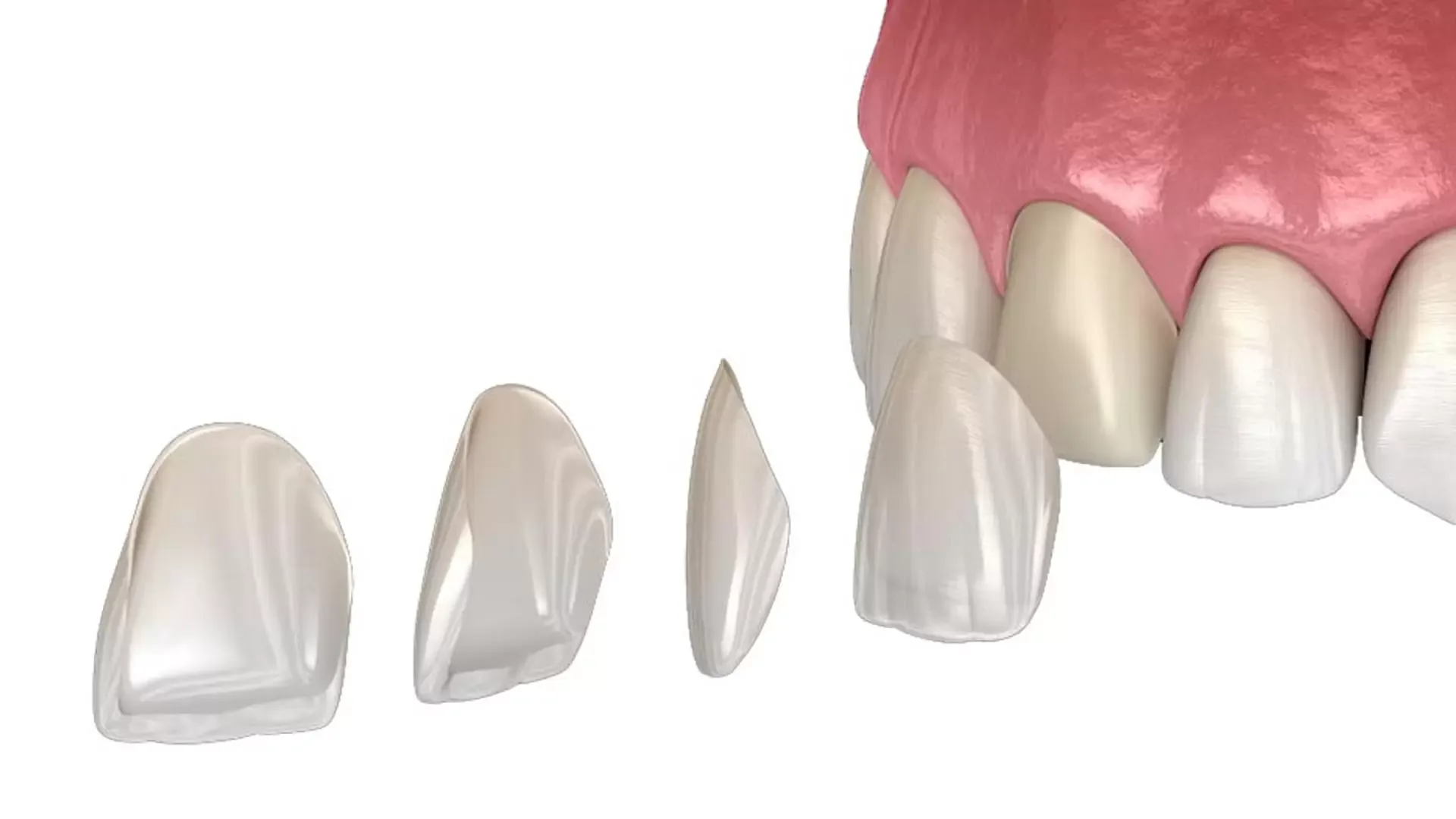
E-Max costs around the world differ significantly, with ceramic veneers and crowns available at lower published prices in countries such as Turkey, Mexico and Hungary than in the United States or United Kingdom.
Subscribe to the Medifinder newsletter and never miss our latest content.