










Dental Implants Cancun: Cost, Treatment Process and Patient Guide 2026
This page explains dental implants in Cancun, including 2026 costs, treatment stages, travel planning, risks, and how to evaluate a clinic before booking.

- Last updated
- 56 reads
- 10 min read
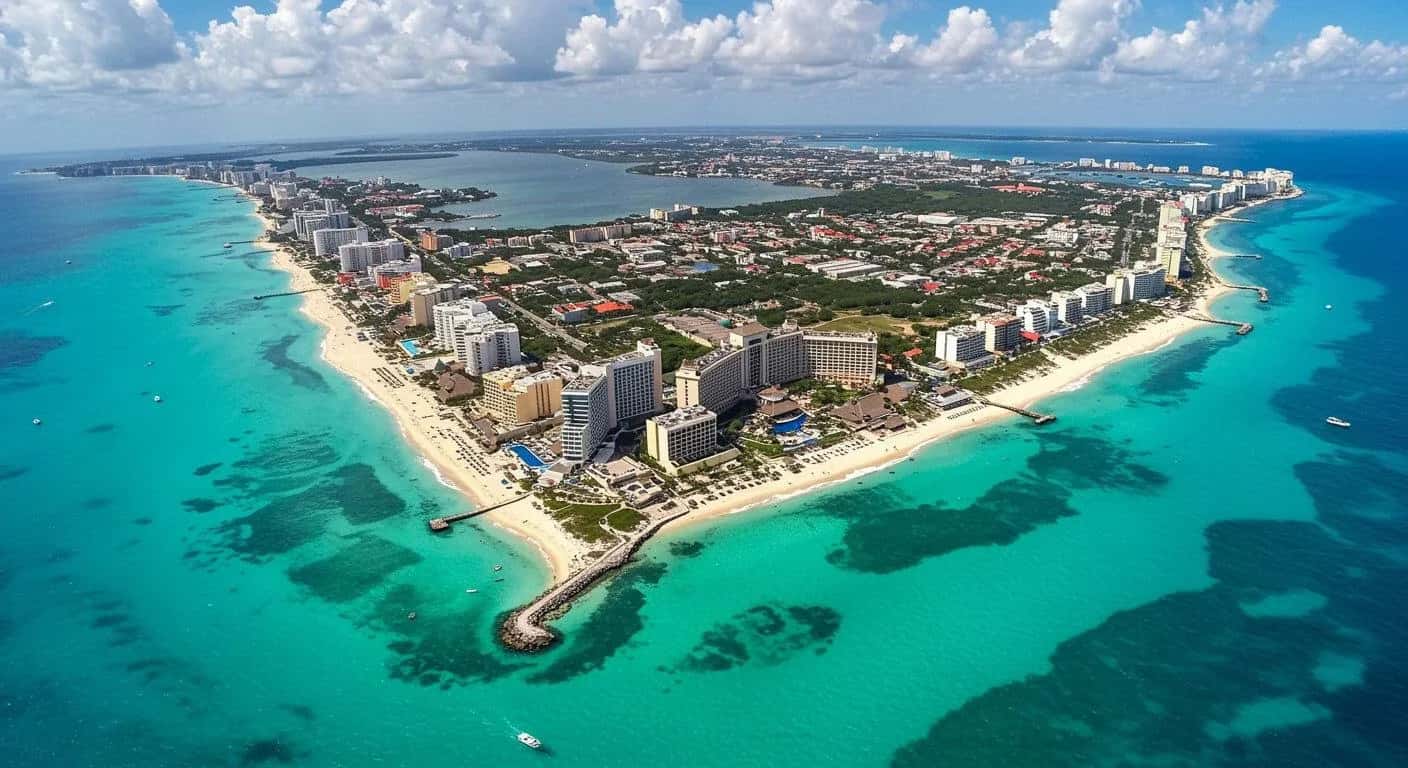


What Are Dental Implants In Cancun?
Dental implants Cancun is a treatment for replacing missing teeth by putting implant fixtures into the jawbone and restoring them with artificial teeth.
The full single-tooth restoration usually consists of three main parts. The implant body is embedded in the jaw bone, the abutment is attached to the restoration and the crown is the visible tooth.
Patients also come to Cancun for implant supported bridges and full arch treatments. Rather than placing a single implant for every missing tooth, these procedures use a few implants to anchor a larger restoration.
The treatment logistics for overseas patients is relatively accessible in Cancun as an international tourism destination. But, dental treatment abroad brings with it issues that do not exist with local treatment, particularly follow-up care, travel expenses and management of complications after coming back home.
Therefore the proper treatment should be based on dental diagnosis and not on the cheapest looking package.
How Much Do Dental Implants Cost in Cancun in 2026
Published prices for 2026 show that an implant fixture in Cancun can start from $880 to $1,200 USD, and a complete single tooth restoration can run around $1,600 to $1,700.
This data is not to be taken as an official average for the entire Cancun area. They reflect the current prices that are publicly advertized and show how differently the clinics structure their quotations.
One current price list, for example, lists an implant body at $1,100, with an additional $600 for the zirconia crown. Another advertizes a full implant, abutment and zirconia crown for $1700.
The price range for full arch treatment is broader. Today’s advertized All-on-4 prices range from about $7,100 for an acrylic restoration to about $13,000 per arch for some treatment combinations and materials.
Therefore the lowest advertized figure is not necessarily the final cost of treatment. The final quotation can change substantially depending on the prosthesis material, implant system, sedation, extractions, grafting, diagnostics and accommodation.
What a Dental Implant Estimate Should Include
A good implant quote should separate the surgical implant from the restorative components and any other procedures.
A price simply described as dental implant may only include the titanium fixture. The patient may still have to pay separately for the abutment and crown.
This distinction is even more critical in full-arch reconstruction.
Some Cancun packages include the implant surgery, temporary teeth, final fixed prosthesis, diagnostic imaging and follow-up. Some separate out parts of the restorative phase or charge extra for bone augmentation.
The difference is quite evident in current pricing in Cancun. One provider lists a $1,100 implant, crown excluded and another lists $1,700 for the implant, abutment and zirconia crown together.
Therefore, patients should be comparing full treatment strategies and not just the headline price.
Separate attention is needed for accommodation and airport transport. Some full mouth packages include hotel nites and local transfers, but not all of them do.
What Does Dental Implant Treatment in Cancun Entail?
Dental implant treatment starts with diagnosis and surgical planning before the implant fixture is placed into the jaw bone.
Initial exam includes evaluation of missing teeth, gum health, remaining bone, bite relationships and relevant medical history. Imaging assists in determining the available bone and adjacent anatomical structures.
During implant placement, the dentist surgically places the implant fixture into the planned site.
In many treatment protocols the implant then requires time for adequate integration with surrounding bone before definitive restoration.
Healing time depends on bone quality, implant stability, grafting, implant location and individual health. It is common for people to talk about an integration period of about three to six months, but this can depend on the person’s treatment plan.
Once healing is complete the restorative phase starts. Depending on the case, implants are connected to an abutment and a single crown, bridge or full-arch prosthesis.
In selected full-arch cases immediate temporary teeth may be possible. Immediate loading is not the same as the final restoration.
How many Cancun dental implant trips are required?
In many international dental implant cases, there is a healing period between the time the implant is placed and the final restoration is placed, so two trips to Cancun are required.
During the first visit, the patient can be assessed, imaged, extracted if needed, have implants placed and a temporary restoration provided.
Then the implants heal before the final prosthetic phase.
The second visit may involve confirmation of integration, taking or verifying restorative records and fitting the final crown, bridge or full-arch restoration.
The biological time for healing between stages can be several months and this two visit structure is usually described in current Cancun treatment information.
In some instances other schedules may be used. In the first stage of treatment provisional teeth can be fixed with immediate-loading protocols.
The overall timeline can be expanded with the addition of bone grafting, as additional healing may be needed prior to or during implant treatment.
Before buying flights patients should receive a written schedule. The schedule should show treatment days, healing time and the estimated date of the definitive restoration.
Single Dental Implants, All-on-4 and All-on-6 – What Is The Difference?
One implant replaces one missing tooth and All-on-4 and All-on-6 treatments use multiple implants to support a full arch of dental.
Usually, a single crown is supported by one implant. If the area missing is small and neighboring teeth are healthy, it may be appropriate.
Implant-supported bridges can replace several missing teeth without the need for an implant for each missing tooth.
All-on-4 utilizes 4 strategically positioned implants to support a full fixed arch. Six implants are used for a full-arch restoration in All-on-6.
The higher number does not automatically mean one approach is better.
Treatment selection is influenced by available bone, implant position, bite forces, anatomy, prosthetic design and the condition of remaining teeth.
The current Cancun pricing also explains why patients have to determine the material of the prosthesis. Full-arch restorations in acrylic, hybrid and zirconia can vary widely in price even with a similar number of implants.
Therefore, treatment decision-making should be based on the overall restorative design and not only on the number of implants.
Who Makes a Good Candidate for Dental Implants?
Candidates for dental implants should have enough clinical conditions for surgery, healing and long-term maintenance, not only one or more missing teeth.
General health may influence healing and implant prognosis. Evaluation of available bone, gum condition and oral hygiene is also needed before treatment.
Smoking may interfere with healing. Poor management of some systemic conditions may also affect the surgical risk and the integration of the implant.
Existing periodontal disease must be treated as implants need healthy surrounding tissue and continuous plaque control.
Amount of bone is also important.
If you have been without teeth for a long time, you may not have enough bone to simply place the implant. Another challenge can be the upper posterior jaw where the available bone may be limited by the maxillary sinus.
These findings do not necessarily exclude implant treatment. They might change the order of treatment or need a graft instead.
A remote quote from photographs alone cannot give the same information as a clinical examination and appropriate imaging.
What Is the Need for Bone Grafts or Sinus Lifts?
Bone augmentation is sometimes necessary when the jaw is not sufficiently supportive of the planned implant in the desired position.
Bone loss Teeth that are missing for a long time can lead to bone loss. Periodontal disease, past infection and anatomical conditions may also affect the quantity of available bone.
A bone graft is used to add material to an area that needs more volume.
In some cases where there is very little vertical bone in the maxillary jaw under the maxillary sinus a sinus lift is done.
Those procedures affect the price and the timeline.
One clinic’s current Cancun price list shows bone graft charges at about $350 per treated unit, while sinus-lift prices published in the area range from around $750 to $1,300, depending on the provider and how the treatment is defined.
These prices are for the extra procedures and not the total cost of the implant.
Patients also should not assume they need grafting because it’s included in an online package. The requirement must be examination and imaging based.
What Are the Risks of Dental Implants in Cancun?
There are inherent surgical and restorative risks with dental implant treatment regardless of the country in which treatment is performed.
Potential complications include infection, delayed healing, implant failure, damage to surrounding structures, sinus involvement, altered sensation, and problems with the bite or prosthetic components.
Treatment overseas adds another element of risk in that when a problem arises postoperatively the treating clinic may be far away.
Continuity of care is of special importance. And one of the complications you discover once you get home may require the services of a different dentist, which may not be included in the original package. Differences in professional oversight, infection-control practices and legal recourse available may also exist in international medical treatment.
That’s not to say the dental care you get abroad isn’t safe.
Thus, price alone tells us very little about clinical quality.
The relevant comparison is of particular dentists, facilities, treatment regimens and follow-up arrangements.
How to Choose a Dental Implant Clinic in Cancun?
The evaluation of an implant clinic in Cancun should be based on the qualifications of the dentist, diagnostic standards, treatment responsibility, and long-term follow-up, not on marketing claims.
Before you book check:
- Confirm the complete name and professional license number of the treating dentist.
- Verify the professional license in Mexico’s national registry of professionals.
- Identify who is performing the implant surgery and who is completing the prosthetic phase.
- Ask for the implant brand and model in writing.
- Confirm inclusion of CBCT or other appropriate imaging.
- Confirm if the quote includes implant, abutment and final crown or prosthesis.
- Request separate prices for grafting, extractions, sedation and temporary restorations.
- Make a plan for what to do about complications when you get home.
- Request copies of imaging, treatment records and implant identification information.
- Find out what a warranty actually guaranties and if you need to go back to Cancun.*
If you are in Mexico, you can verify professional credentials in a public national professional registry. In 2025 a new public portal for verification of professional licenses was launched.
Patients should check the credentials of the dentist treating them, rather than assume that a clinic brand means all the dentists there are qualified.
It is also worth keeping identification of the implant. Patients are encouraged to know the brand and model used, as this information may become relevant during future maintenance or treatment.
What do you need to prepare before going home?
Patients should plan for their postoperative care before they leave Cancun, and not think of surgery as the last step of their treatment.
The clinic should give you written instructions, medication information, implant records and a way to contact them if you have any postoperative problems.
International patients should also find out who will do routine maintenance when they go home.
This is important because implant treatment is not only surgery. Hygiene, professional inspection and monitoring of the implant and surrounding tissues are still important.
Nor should a dental trip be automatically combined with an intensive vacation schedule.
Swimming, strenuous exercise, alcohol and other common holiday activities may interfere with recovery after invasive treatment. International medical travelers need to separate recovery needs from vacation plans.
The treating clinician should be consulted regarding timing of flight depending on the extent of surgery, sedation, grafting and the patient’s medical condition.
Patients should also keep full dental records, which can be shared with their home dentist if further care is needed.
Dental Implants in Cancun: Are They Right for You?
Dental implants in Cancun may offer significant savings to certain international patients, especially if they require extensive restorative work.
The current advertized prices indicate that single implants and full-arch procedures can be substantially less expensive than many similar private-care estimates in the US. But the savings seen should be calculated on the total treatment cost and not just the surgical price.
Flights, accommodation, multiple visits, grafting, temporary restorations and future follow up can alter the financial comparison.
Clinical factors are even more important.
A cheaper implant is not a good deal if the diagnosis is incomplete, the donor bone is not suitable, components cannot be identified later or you cannot get postoperative care.
Thus, the strongest treatment plan for Cancun is not necessarily the cheapest one.
The plan that sets out the diagnosis, implant system, restorative design, treating dentist, total cost, treatment timeline and follow-up arrangements before the patient travels.
- Last updated
- Language
- English
How did you find this article?
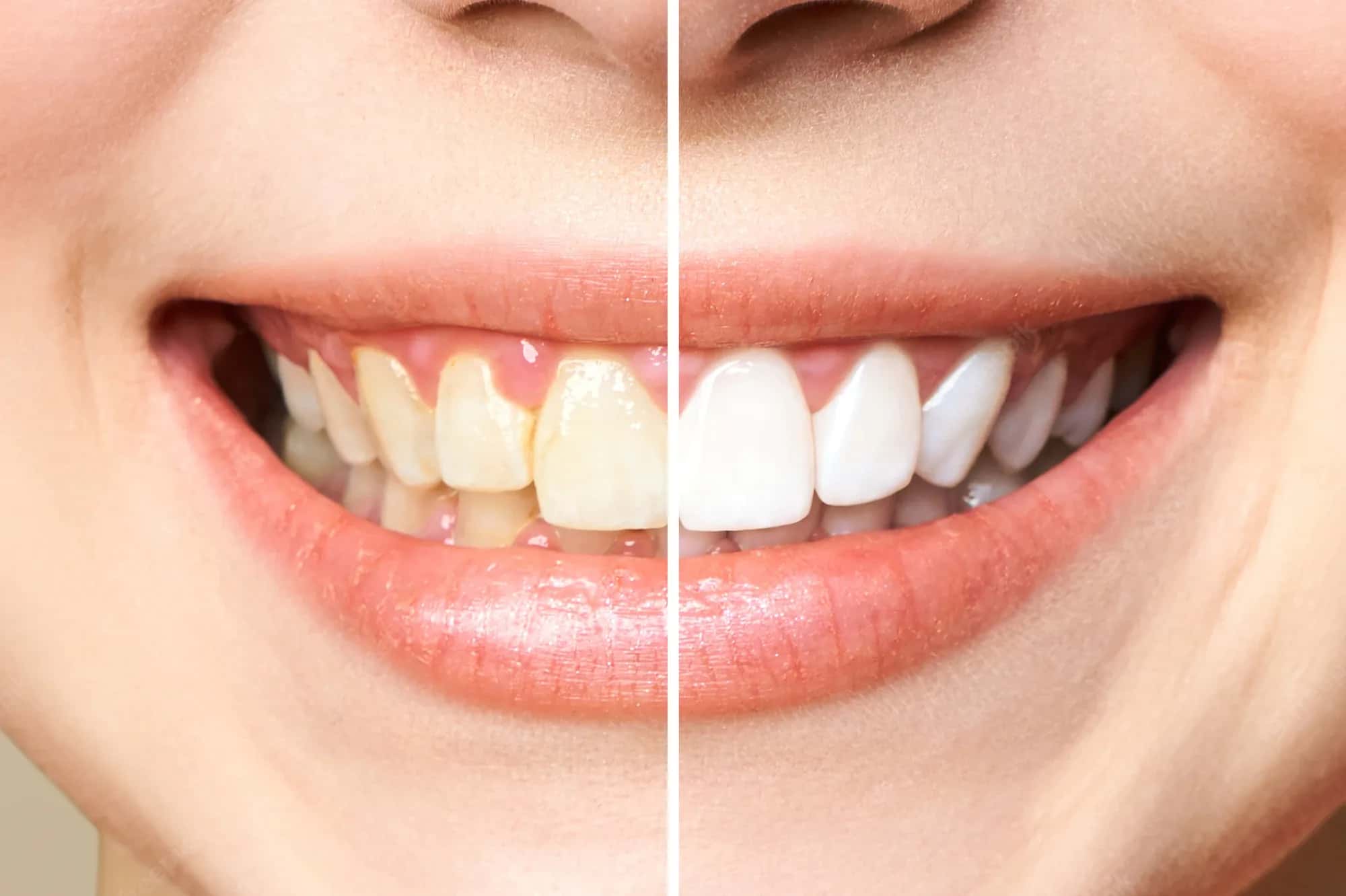
Teeth whitening costs around the world vary substantially, with professional treatment generally costing less in countries such as Turkey, Mexico and India than in the United States or United Kingdom.
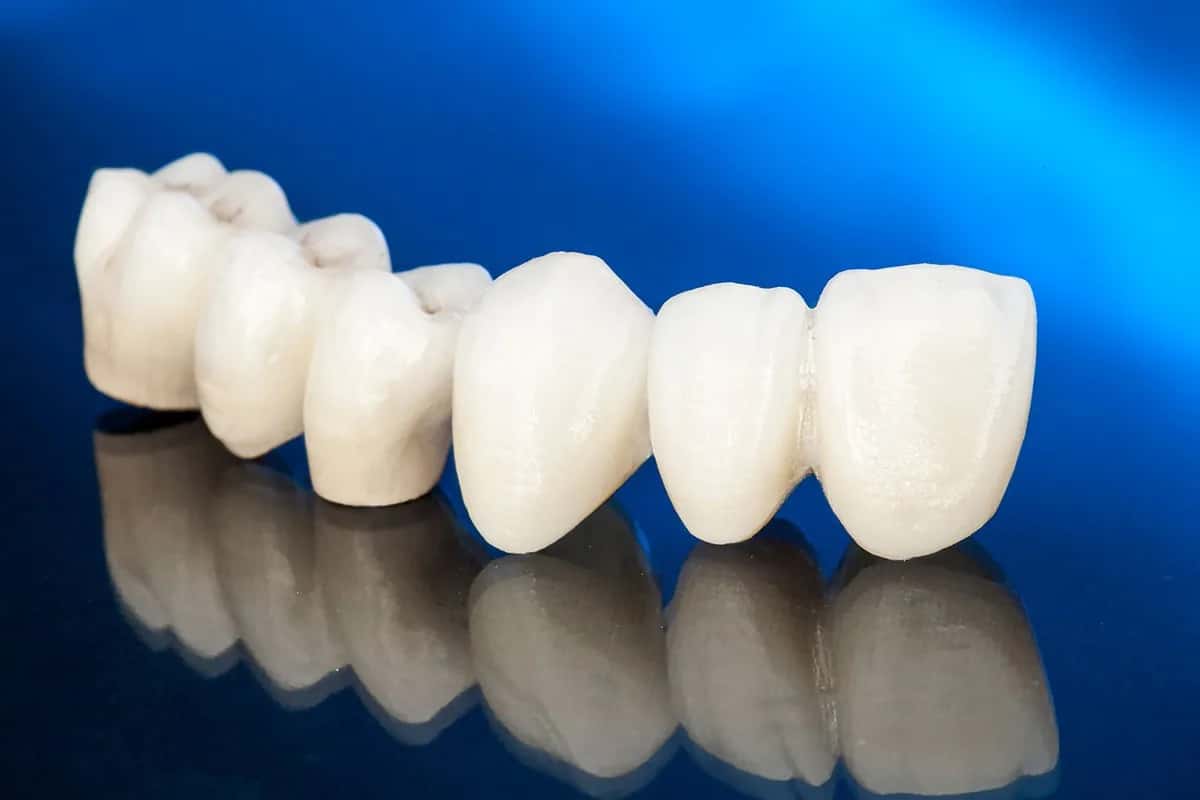
Zirconium crown costs around the world vary significantly, from approximately €180–€400 per tooth in Turkey to $1,000–$2,500 in the United States, based on published 2026 private-treatment prices.
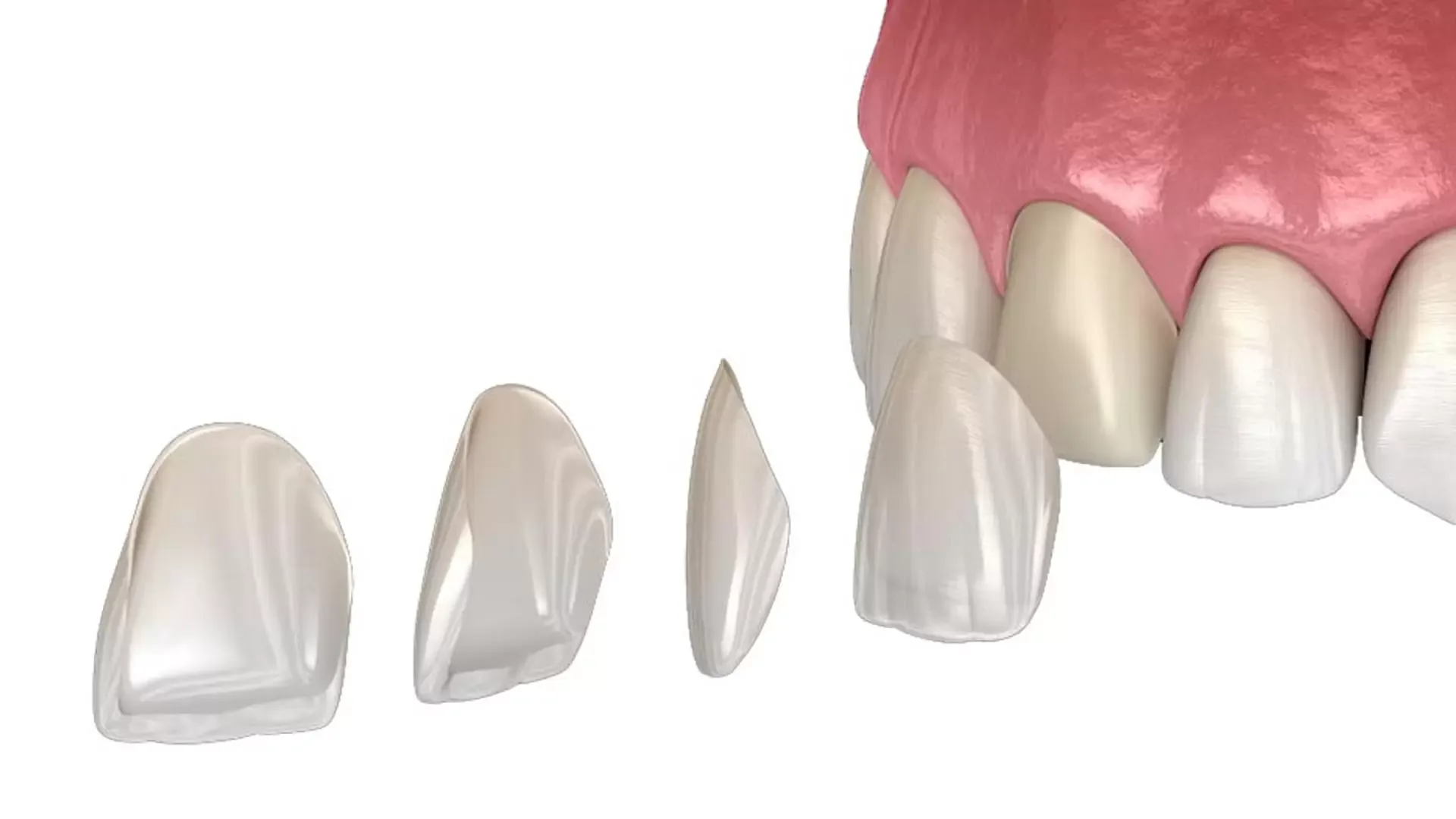
E-Max costs around the world differ significantly, with ceramic veneers and crowns available at lower published prices in countries such as Turkey, Mexico and Hungary than in the United States or United Kingdom.
Subscribe to the Medifinder newsletter and never miss our latest content.