










Crown Veneers Costs Around the World
Crown veneers costs around the world vary considerably, with dental crowns and porcelain veneers often costing a fraction of Western European or North American prices in countries such as Turkey, Mexico and Hungary.

- Last updated
- 9 reads
- 14 min read
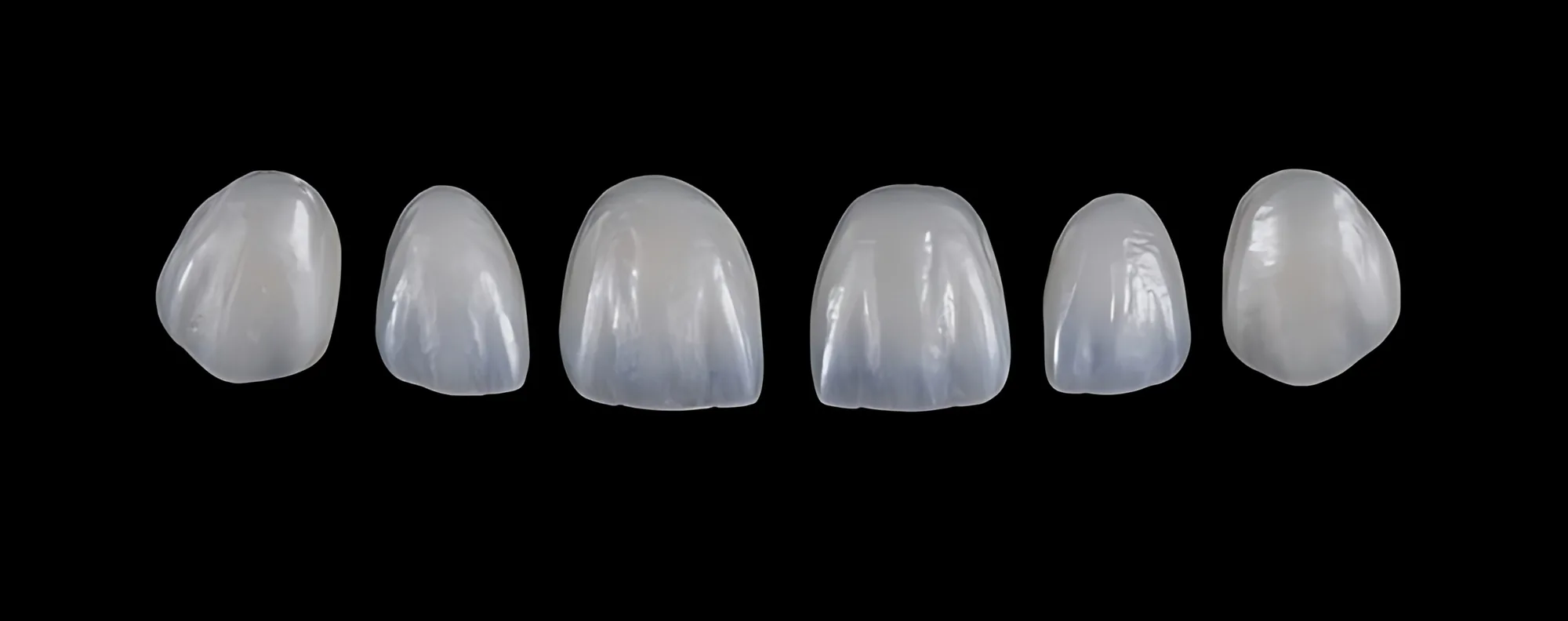


What Does the Term Crown Veneers Actually Mean?
The expression crown veneers frequently appears in cosmetic dentistry discussions, but it does not describe one standardized treatment.
A dental veneer is a thin restoration bonded mainly to the front of a tooth, usually to improve its color, shape or appearance. A crown covers much more of the tooth and is generally intended to restore damaged or weakened structures.
The expression can also refer to a crown with a tooth-colored ceramic facing, such as a porcelain-veneered metal crown.
These distinctions matter when comparing international prices. A package advertised as crown veneers could involve conservative porcelain laminates, full-coverage zirconia crowns or a combination of restorations.
The treatment description must identify exactly what will be placed on each tooth.
How Are Dental Crowns and Veneers Different?
A veneer changes the visible surface of a tooth while preserving much of its underlying structure.
A crown surrounds the prepared tooth more extensively, providing coverage when significant tooth material has been lost through decay, fracture or previous restorative treatment.
Consider two upper front teeth. One is healthy but has a persistent discoloration that whitening cannot correct. The other has a large failing filling and a fractured edge.
The first may be suitable for a porcelain veneer, while the second may benefit from the additional coverage of a crown.
Choosing between them is therefore not simply a question of which restoration produces whiter teeth.
When Does a Tooth Need a Crown Instead of a Veneer?
A crown becomes more relevant when a tooth has insufficient remaining structure to support a conservative restoration reliably.
Large fillings, substantial fractures, extensive wear and certain root canal-treated teeth may justify full-coverage protection.
A veneer is more appropriate when the underlying tooth remains healthy and the desired change concerns its front surface.
However, not every root canal-treated tooth automatically requires a crown, and not every chipped tooth needs extensive preparation.
Partial crowns, onlays and composite restorations may preserve more natural structure in suitable situations.
The most effective treatment addresses the actual damage rather than choosing one restoration type for every tooth.
How Much Do Crowns and Veneers Cost Around the World in 2026?
The following table compares indicative 2026 private-treatment prices for individual porcelain veneers and zirconia crowns.
| Country | Porcelain veneer per tooth | Zirconia crown per tooth |
|---|---|---|
| United States | US$900–$2,500 | US$1,000–$2,500 |
| United Kingdom | £600–£1,500 | £550–£1,200 |
| Turkey | €200–€500 | €150–€400 |
| Mexico | US$300–$600 | US$400–$750 |
| Hungary | €280–€600 | €300–€550 |
| Poland | €250–€650 | €250–€500 |
| Germany | €700–€1,500 | €600–€1,100 |
| Spain | €300–€700 | €300–€700 |
| Thailand | US$300–$600 | US$350–$750 |
| India | US$150–$300 | US$180–$380 |
| Australia | A$1,200–A$2,500 | A$1,500–A$2,500 |
| Canada | C$1,200–C$2,500 | C$1,100–C$2,000 |
These are approximate ranges drawn from published private-market fees and advertised treatment prices, not official national averages or guaranteed quotations. They exclude additional treatment unless expressly included, and local currencies are retained to avoid misleading exchange-rate comparisons.
How Much Do Dental Crowns and Veneers Cost in the United States?
In the United States, porcelain veneers generally cost approximately $900 to $2,500 per tooth, while zirconia crowns frequently fall between $1,000 and $2,500.
An eight-veneer treatment could therefore represent $7,200 to $20,000 before additional services.
However, a patient requiring one crown for a damaged molar faces a very different treatment decision from someone considering eight cosmetic veneers.
A restorative crown may also involve a core build-up or root canal treatment, increasing the total.
The useful comparison is between procedures that solve the same dental problem, not simply the lowest and highest per-tooth prices.
What Are Crown and Veneer Prices in the United Kingdom?
Private porcelain veneers in the United Kingdom commonly cost approximately £600 to £1,500 per tooth.
Zirconia crowns are often priced between £550 and £1,200, although more complex restorative work can exceed these ranges.
For someone planning six veneers, the restoration-only expense may reach £3,600 to £9,000.
The financial difference becomes particularly noticeable when both upper and lower teeth are included.
However, the visibility of the lower teeth during smiling may be limited, making extensive treatment unnecessary.
Selecting the teeth that genuinely need restoration can have a greater effect on the total budget than choosing a cheaper material for every tooth.
How Much Do Crowns and Veneers Cost in Turkey?
Turkey offers some of the lower published prices for ceramic dental restorations.
Indicative porcelain veneer prices range from approximately €200 to €500 per tooth, while zirconia crowns are frequently advertised between €150 and €400.
A treatment involving eight veneers could therefore cost around €1,600 to €4,000 in restoration fees.
The important complication is that some smile makeover packages advertised as veneers actually involve full-coverage crowns.
A lower crown price does not justify removing substantial enamel from otherwise healthy teeth.
Before evaluating the savings, the patient needs a tooth-by-tooth explanation of the preparation method and restoration type.
What Do Dental Crowns and Veneers Cost in Mexico?
Mexico is another destination where international patients can find lower advertised prices than in the United States.
Porcelain veneers commonly appear within an indicative range of $300 to $600 per tooth, while zirconia crowns may cost approximately $400 to $750.
At $450 per veneer, eight restorations would total $3,600 before travel and additional treatment.
For patients living close to the border, follow-up appointments may be comparatively convenient.
Those traveling from more distant locations should include accommodation, flights and the possibility of returning for adjustments.
The financial advantage depends partly on how easily the finished restorations can be maintained.
How Do Crown and Veneer Prices Compare in Hungary and Poland?
Hungary and Poland have established private dental markets serving both local patients and international visitors.
Indicative porcelain veneer prices range from approximately €280 to €600 in Hungary and €250 to €650 in Poland.
Zirconia crowns commonly fall around €300 to €550 in Hungary and €250 to €500 in Poland.
The overlap between these ranges is significant.
Someone comparing six veneers in both countries may find that laboratory work, ceramic choice and the proposed restoration design matter more than the country itself.
A meaningful quotation should describe the final treatment rather than relying on a broad geographical price comparison.
What Are the Costs of Crowns and Veneers in Germany and Spain?
Germany generally occupies a higher price bracket for ceramic dental restorations than many dental tourism destinations.
Private porcelain veneers may cost approximately €700 to €1,500 per tooth, while zirconia crowns commonly range from €600 to €1,100.
In Spain, published prices for both procedures frequently fall within broader ranges of approximately €300 to €700 per tooth.
These figures can make Spain more affordable for certain cosmetic cases.
However, restorative treatment in Germany may qualify for insurance contributions when medically indicated, meaning the amount paid personally can differ from the full treatment fee.
Comparing private prices without considering potential reimbursement can produce an inaccurate picture of actual savings.
How Much Do Crowns and Veneers Cost in Thailand and India?
Thailand and India offer relatively competitive prices for ceramic dental treatment.
Indicative porcelain veneer costs range from approximately $300 to $600 in Thailand and $150 to $300 in India.
Zirconia crowns may cost around $350 to $750 in Thailand and $180 to $380 in India.
These figures can create substantial differences when several teeth require restoration.
However, international travel costs can reduce the financial advantage, particularly when the treatment involves only one or two teeth.
Longer journeys also make unscheduled follow-up visits more difficult.
The total cost should account for both the initial treatment and practical access to subsequent dental care.
Are Crowns and Veneers Expensive in Australia and Canada?
Private restorative dentistry in Australia and Canada generally carries higher per-tooth fees than the lower-priced international markets.
In Australia, porcelain veneers commonly fall around A$1,200 to A$2,500, with zirconia crowns frequently priced between A$1,500 and A$2,500.
In Canada, indicative veneer prices range from approximately C$1,200 to C$2,500, while zirconia crowns can cost around C$1,100 to C$2,000.
The exact amount may also depend on private dental benefits and whether treatment is restorative or purely cosmetic.
For someone considering multiple teeth, a substantial overseas price difference can be tempting. That calculation should still include the cost of future maintenance at home.
What Is the Total Cost of Treating Six, Eight or Ten Teeth?
The number of restorations has a direct effect on the total expense, but only when the type of treatment remains the same.
At €350 per porcelain veneer, treating six teeth costs €2,100. Eight veneers cost €2,800, while ten increase the total to €3,500.
At €1,200 per veneer, those same treatment sizes rise to €7,200, €9,600 and €12,000.
These calculations exclude preparatory treatment and related expenses.
They also illustrate why a full smile package should not automatically include twenty teeth.
The required number depends on how many teeth are visible during natural smiling and which actually need aesthetic correction.
Why Can a Zirconia Crown Cost Less Than a Porcelain Veneer?
A zirconia crown may be advertised at a lower price than a porcelain veneer, particularly in dental tourism markets.
This can seem surprising because crowns cover more tooth surface.
However, restoration prices are not calculated solely according to ceramic volume.
Digital milling, laboratory workflows, technician involvement, surface characterization and the complexity of aesthetic matching all contribute to the fee.
An individually designed front veneer may require delicate contouring and translucency adjustments to blend with neighboring teeth.
A relatively inexpensive zirconia crown is therefore not automatically an equivalent alternative.
The amount of healthy tooth tissue removed should carry far more weight than a modest difference in laboratory price.
Are E-max Veneers More Expensive Than Zirconia Crowns?
E-max veneers are made from lithium disilicate glass ceramic, a material frequently chosen for its translucency and natural appearance.
Zirconia crowns use a different ceramic that offers high strength and can be suitable for teeth exposed to substantial chewing forces.
In some markets, an E-max veneer costs more than a standard zirconia crown.
That price difference reflects more than the brand or type of ceramic. The restoration design, laboratory finishing and requirements for accurate color matching also influence the total.
Neither material is universally superior.
A thin aesthetic veneer and a full-coverage molar crown serve different purposes, even when both are made from premium dental ceramics.
How Much Can Composite Veneers Reduce Treatment Costs?
Composite veneers or dental bonding can cost significantly less initially than laboratory-made porcelain veneers.
The material is applied or fabricated using tooth-colored resin, allowing certain chips, small gaps and surface irregularities to be corrected conservatively.
For minor changes, this approach may avoid extensive preparation of otherwise healthy enamel.
However, composite is generally more vulnerable to staining, surface wear and chipping than well-maintained porcelain.
Repairs may be relatively straightforward, but more frequent polishing or replacement can affect the long-term cost.
The lower initial fee is most valuable when composite offers a suitable clinical solution, not simply when it allows more teeth to be treated.
Is a Full Set of Crowns Cheaper Than a Porcelain Veneer Smile?
A full set of zirconia crowns may have a lower advertised price than a similar number of premium ceramic veneers.
For example, twenty crowns priced at €250 each total €5,000, while twenty veneers at €350 each total €7,000.
The lower figure may appear attractive, but these treatments have very different biological consequences.
Twenty crowns generally require extensive preparation of twenty teeth, even if some were previously healthy.
A veneer-focused plan may preserve substantially more enamel.
The appropriate question is not whether crowns provide a cheaper way to cover an entire smile. It is whether each tooth actually requires full coverage.
How Much Natural Tooth Structure Must Be Removed?
Tooth preparation is one of the most important differences between veneers and crowns.
A traditional porcelain veneer usually requires limited reduction of the visible enamel surface. Some carefully selected restorations can be made with very little preparation, although not every tooth is suitable for that approach.
A full crown typically requires reduction around the tooth to create space for the restoration.
The difference is irreversible.
Once substantial natural structure has been removed, the tooth will continue needing restorative coverage even if the original crown is replaced.
A treatment plan that preserves healthy enamel can therefore have long-term value that is not reflected in the initial quotation.
What Should Be Included in a Per-Tooth Crown or Veneer Price?
A meaningful per-tooth quotation should explain what is covered between the preparation appointment and the completed restoration.
-
Preparation and impressions: The fee should identify whether tooth preparation, conventional impressions or digital scans are included.
-
Laboratory fabrication: The specified ceramic material, custom manufacturing and aesthetic finishing should be part of the agreed restoration cost.
-
Temporary protection: When provisional crowns or veneers are necessary, their inclusion should be made clear before treatment begins.
-
Final fitting and adjustment: Bonding or cementation, bite assessment and essential fitting adjustments should be included or separately itemized.
Which Additional Dental Treatments Can Increase the Final Bill?
A seemingly simple restoration can become more expensive when the underlying tooth requires treatment before receiving a crown or veneer.
For example, a tooth with significant decay may need additional restorative work to create a reliable foundation.
An extensively damaged tooth might require root canal treatment and a core build-up before crown placement.
Gum inflammation, periodontal disease or bite problems may also need attention before cosmetic restorations are fitted.
These expenses are not necessarily unnecessary additions.
They can be essential to protecting the supporting teeth and preventing early failure.
The total budget should distinguish necessary preparatory care from optional aesthetic upgrades.
Should Healthy Teeth Be Covered With Crowns for Cosmetic Reasons?
Covering healthy teeth with crowns solely to change their color can involve unnecessary removal of natural enamel and dentin.
Although the resulting crowns may appear bright and uniform, the preparation cannot be reversed.
If the main concern is discoloration, professional whitening may offer a less invasive solution.
Minor changes in tooth shape can sometimes be achieved through composite bonding, while porcelain veneers may be considered when more substantial aesthetic correction is needed.
Crowns remain valuable restorations for damaged teeth.
Their usefulness in those circumstances does not make them the preferred solution for every cosmetic concern.
Preserving healthy tooth structure should remain a central goal.
Why Must Bite Problems and Gum Disease Be Addressed Before Treatment?
Crowns and veneers depend on the health of the teeth and surrounding tissues.
If gum disease remains untreated, inflammation and changes in the supporting tissues can affect the appearance and long-term stability of restorations.
A poorly balanced bite can also concentrate excessive force on ceramic edges, increasing the possibility of chipping, fracture or debonding.
Teeth affected by grinding require particular attention to material choice and mechanical loading.
Some patients may benefit from orthodontic alignment before cosmetic treatment, reducing the amount of tooth preparation necessary.
A stable foundation makes the final restoration more predictable and can prevent avoidable future expenses.
What Should Dental Tourism Packages Include?
A dental tourism package should provide a clearly defined treatment and follow-up arrangement rather than relying on an attractive total price.
-
Exact restoration details: Every proposed crown or veneer should be identified by tooth, material and preparation method.
-
Complete treatment expenses: Examinations, imaging, temporary restorations, laboratory work, fitting and any known additional treatment should be clearly itemized.
-
Travel arrangements: Accommodation, airport transfers, treatment dates and the time required for laboratory fabrication should be specified if advertised as included.
-
Aftercare and repair arrangements: Patients should understand how complications, adjustments and restoration failures will be managed after returning home.
How Long Do Crowns and Veneers Last?
Ceramic crowns and porcelain veneers can remain functional for many years, but neither should be treated as a lifetime restoration.
Dental crowns commonly last around five to fifteen years or longer with appropriate care, depending on the tooth, material and mechanical conditions.
Well-maintained porcelain veneers may also function for ten years or more, with some long-term clinical studies reporting high survival rates.
However, survival statistics describe groups of restorations, not guaranteed outcomes for individuals.
Chipping, fracture, debonding, tooth decay and gum recession can all affect longevity.
Replacement may also become necessary because of changes in surrounding teeth or aesthetic preferences.
Does Dental Insurance Pay for Crowns or Veneers?
Dental insurance commonly distinguishes between treatment intended to restore oral health and treatment performed primarily to improve appearance.
A crown placed on a severely damaged tooth may qualify for partial reimbursement under an applicable dental benefit.
A porcelain veneer placed on a healthy tooth for cosmetic reasons is less likely to receive coverage.
Insurance arrangements also differ internationally.
For example, certain restorative treatments in Germany may receive statutory contributions based on the dental condition, while elective cosmetic work is generally privately funded.
The relevant comparison is therefore the actual amount paid after any eligible benefits, not only the published treatment fee.
What Should You Verify Before Choosing a Country for Dental Treatment?
Choosing an overseas dental treatment destination requires comparing the quality and completeness of the proposed treatment, not simply the price difference.
-
Professional credentials and authorization: Confirm that treatment will be performed by appropriately licensed dental professionals in an authorized healthcare setting.
-
Tooth-by-tooth clinical justification: Each proposed veneer or crown should have a clear reason, including an explanation of how much natural tooth structure must be removed.
-
Comparable written quotations: Compare the same number of restorations, materials, preparatory treatments and included services across destinations.
-
Long-term care arrangements: Establish how follow-up, urgent concerns, repairs and replacement work will be handled once treatment is complete.
How Can You Compare Lifetime Costs Without Compromising Dental Health?
The lowest initial price is not necessarily the lowest long-term cost.
A veneer that preserves healthy enamel may be a more appropriate investment than an inexpensive crown that requires extensive tooth preparation.
Similarly, a properly indicated crown can protect a severely damaged tooth in circumstances where a veneer would provide inadequate coverage.
International cost comparisons become meaningful only when the proposed procedures solve the same problem and include comparable materials, preparation and follow-up.
The financial calculation should account for travel, maintenance, possible repairs and the likelihood that restorations will eventually need replacement.
Most importantly, the decision should consider what happens to the natural tooth beneath the ceramic.
A successful treatment is not simply one that produces an attractive appearance at a competitive price. It is one that achieves the intended aesthetic or restorative result while preserving as much healthy tooth structure as reasonably possible and keeping the smile functional, comfortable and maintainable over time.
- Last updated
- Language
- English
How did you find this article?
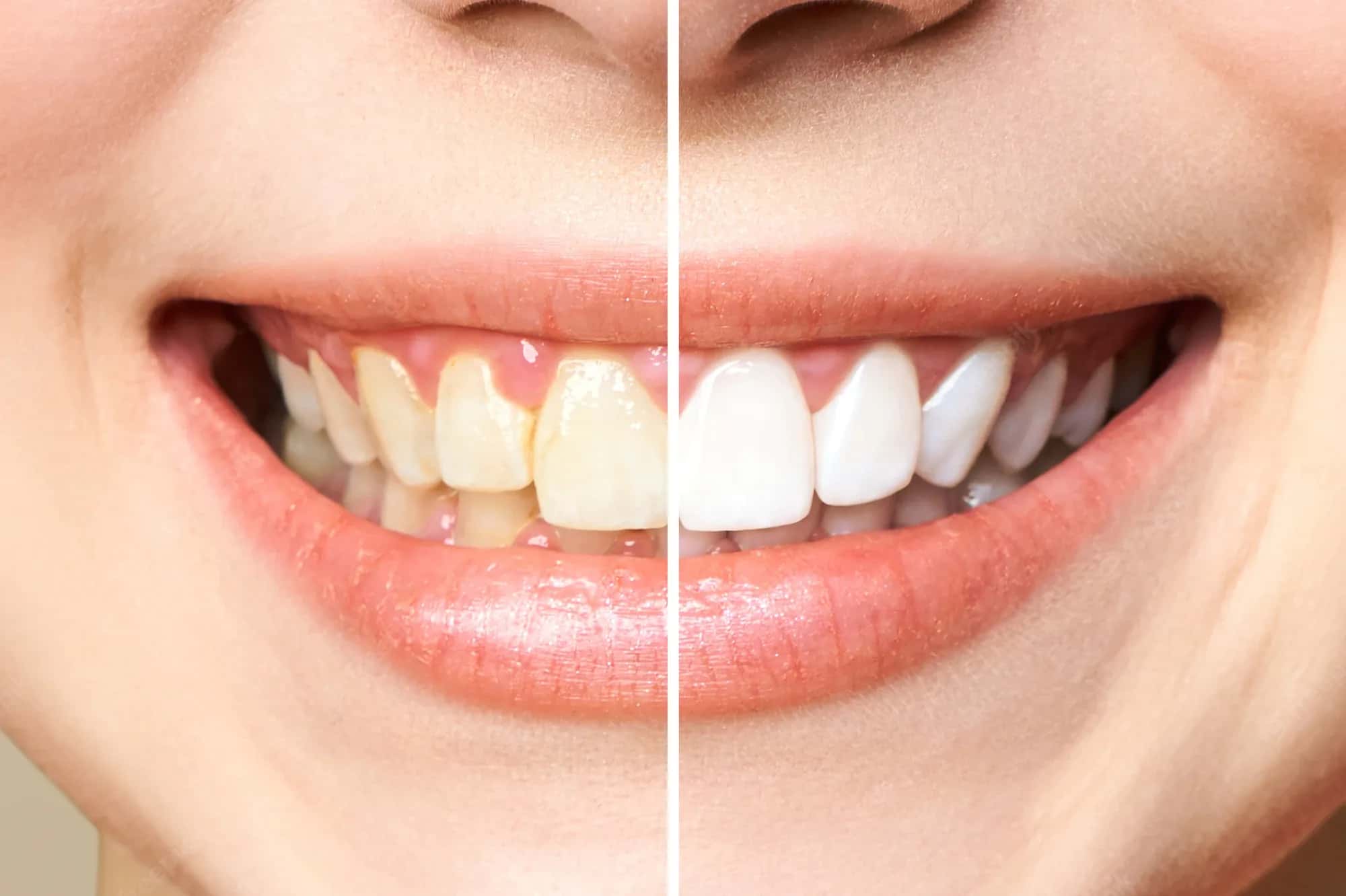
Teeth whitening costs around the world vary substantially, with professional treatment generally costing less in countries such as Turkey, Mexico and India than in the United States or United Kingdom.
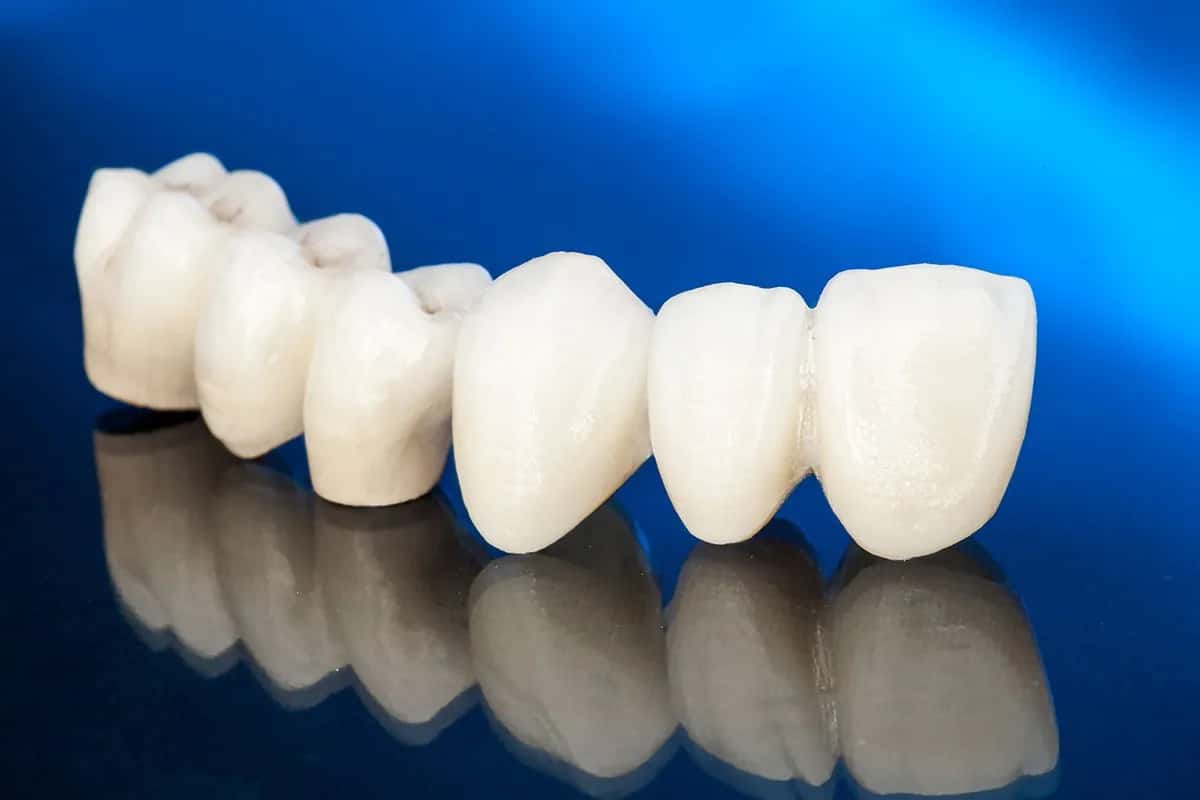
Zirconium crown costs around the world vary significantly, from approximately €180–€400 per tooth in Turkey to $1,000–$2,500 in the United States, based on published 2026 private-treatment prices.
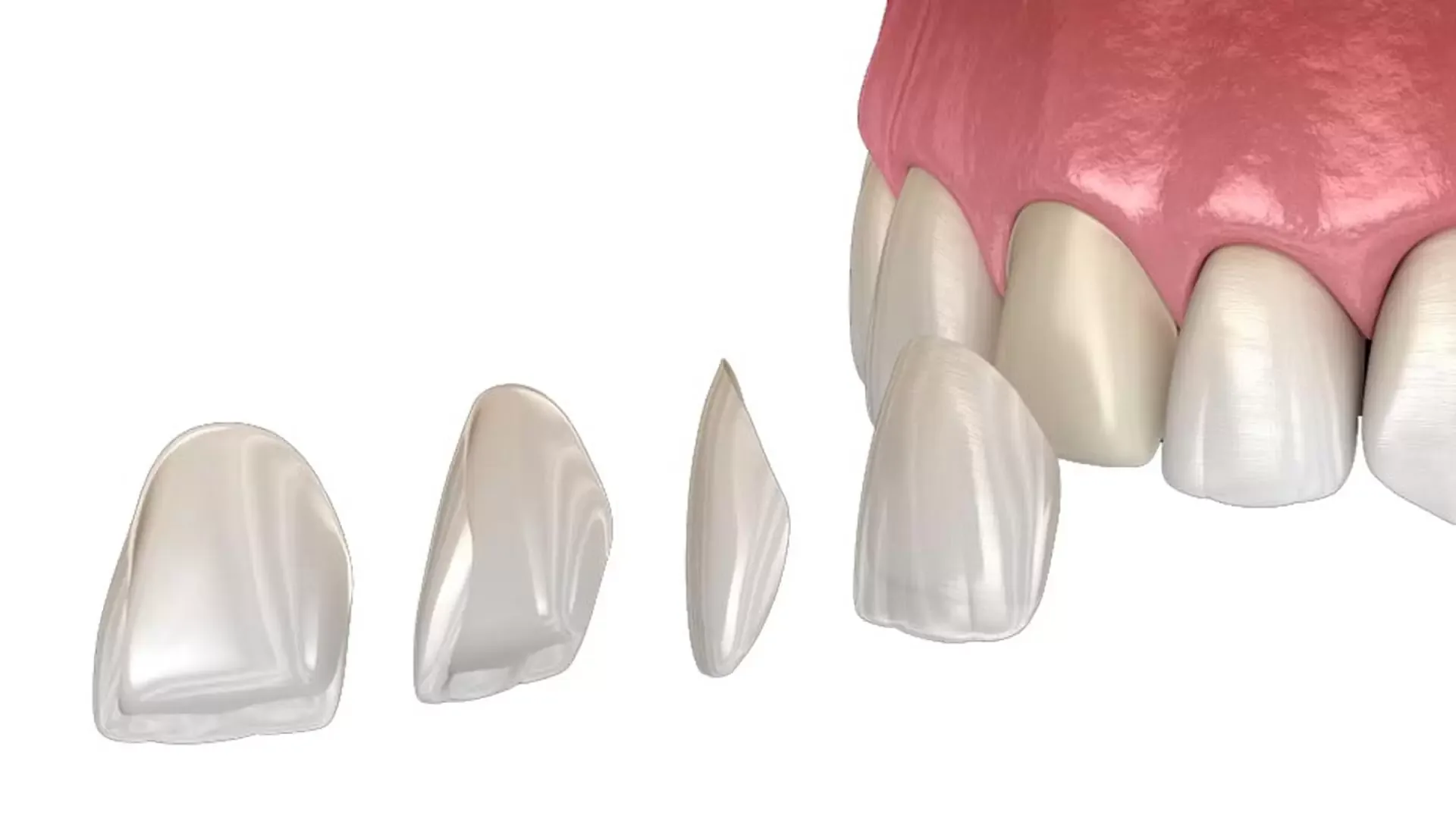
E-Max costs around the world differ significantly, with ceramic veneers and crowns available at lower published prices in countries such as Turkey, Mexico and Hungary than in the United States or United Kingdom.
Subscribe to the Medifinder newsletter and never miss our latest content.