










How Much Does a Crown Cost With Insurance in the UK in 2026?
This guide explains dental crown costs with insurance in the UK, including private prices, NHS charges, insurance reimbursements, annual limits, materials, and expected out-of-pocket costs.

- Last updated
- 57 reads
- 10 min read


How Much Does a Crown Cost With Insurance UK?
The average cost of a dental crown in the UK is between £250 and £550 for an insured private patient after standard insurance benefits applied to a £750 crown.
Based on a review of more than 600 published prices in August 2026, the median private crown price in the UK is approximately £750. Current insurance schedules provide for benefits ranging from a fixed sum of about £210 to £500 per crown in various grades of cover. Other policies will cover a percentage of the restorative costs until the annual maximum is reached. If you have a policy that covers NHS dentistry the amount reimbursed of the regulated charge can be considerably higher for a patient receiving treatment on the NHS.
How Much Does a Private Dental Crown Cost in 2026?
A private dental crown in the UK in 2026 will cost around £750 at the median, with the majority of published prices somewhere in the region of £485 to £1,150.
Another large pricing analysis gives a median of about £720 again confirming the same general market level. Basic metal or porcelain-bonded restorations generally cost less, while zirconia and premium ceramics tend to be more expensive. Published private fees can be in excess of £1,000 for higher-end materials or more demanding cosmetic work. These are pre-insurance reimbursement prices. This means that the patient's personal out-of-pocket expense is a function of the crown fee and the maximum restorative benefit of the dental insurance policy.
What Does Dental Insurance Pay for a Crown?
UK dental insurance can pay out several hundred pounds toward a crown, with benefits currently varying from fixed per-tooth allowances to percentage-based reimbursement.
A current 2026 benefit schedule includes tooth crown allowances between £210 and £500 each, depending on the level of cover. A further dental care policy will pay 80 per cent of selected restorative treatment up to an annual limit ranging from £275 to £2,000. Other current private cover contributes 50% toward restorative treatment with a £500 annual sub-limit for crowns and similar procedures. Therefore, insurance often drastically reduces the crown bill, but does not automatically eliminate it.
How Much Would You Pay For Insurance On A £750 Crown?
A patient with a £750 private crown would pay about £250 after a £500 crown benefit and a £325 benefit would leave £425 to pay.
If a policy has a fixed crown allowance, the calculation is straightforward. At a benefit of £210 there remains £540; at a benefit of £480 the cost is £270. Cover based on percentages works differently. With a 50 per cent policy, the crown would cost £375, and £375 would be left, provided the annual limits are still available. An 80 percent plan will calculate a higher reimbursement, although the applicable treatment or annual cap may reduce the actual amount paid.
Does dental insurance cover the full cost of a crown?
Dental insurance can sometimes cover the entire eligible crown fee, but more often private plans require the patient to pay a portion of the treatment cost.
Most private plans have limits on reimbursement, not unlimited payment. A crown of £750 might be more than a fixed crown allowance of £500 and have £250 outstanding. Policies based on a percentage also stop paying once they hit their annual or treatment-based limits. A few NHS-focused plans work in a different way, paying back eligible NHS treatment up to the applicable regulated charge. There are existing policies that provide for 100% reimbursement for eligible NHS treatment where treatment is received through the NHS system.
How Much Will an NHS Crown Cost With Insurance
A NHS crown in England costs £332.10 (before insurance) in 2026 and qualifying NHS dental cover could potentially pay back the full eligible charge.
Crowns are Band 3 treatment in England. From 1 April 2026 Band 3 will rise to £332.10. The payment is for the highest treatment band required during the same course and does not charge separately for each procedure included. Some dental insurance plans pay 100 percent for NHS treatment up to the appropriate benefit limits. So a patient with a policy which covers the full Band 3 charge could be left with no residual crown cost after a successful claim, depending on the terms of the policy.
What Is the Cost of an NHS Crown in the UK?
The cost of NHS crown care packages differs across the UK, with England charging £332.10 and Wales charging £140.44 for its crown care package 2026.
In Scotland, the NHS charges a crown patient between £164.52 and £204.76 and the NHS contribution remains capped per course of treatment. Wales changed its charging system in April 2026 from the previous three-band structure to separate care packages. It has a crown package, up to two crowns (subject to conditions), for £140.44 but there may still be separate lab charges. So insurance reimbursement must follow the relevant national NHS system rather than a UK-wide crown charge.
Zirconia Crown Cost with Insurance
A zirconia crown typically costs about £650 to £1,100 privately before insurance, which works out at around £150 to £890 after a fixed £210 to £500 crown benefit.
The exact remaining amount depends on the original price for the crown in the market range. A £900 zirconia crown and a £500 insurance allowance would leave £400 to pay. The same crown, with the advantage of £250, would leave £650. Zirconia is also generally more expensive than basic metal backed options due to higher production and material costs in the laboratory. On an insurance policy, the procedure is often simply listed as a crown and picking a premium material may not increase the reimbursement allowance to the same degree.
The Cost of a Ceramic Crown With Insurance
A ceramic or E-max crown in 2026 typically costs between £500 and £1,200 privately, with no dental insurance reimbursement.
If the insurance policy covers major restorative treatment it can reduce this by several hundred pounds. For instance, a £900 ceramic crown would leave £400 after a £500 crown allowance. If you have not used your annual allowance, a scheme paying 50 per cent could bring the same treatment down to around £450. Even with insurance, premium ceramic restorations can still be a considerable personal outlay. The financial benefit is greatest when the policy allowance is high and there is enough annual restorative cover.
Does the material of the crown matter for insurance cover?
Many policies have one allowance for crowns no matter what material you choose, so the cost of treatment can go up without an increase in the insurance benefit.
This leads to an important difference between the cost of treatment and the reimbursement. A metal crown can be £500, while a ceramic or zirconia restoration can cost around £1,000. If both receive the maximum payment of insurance of £500, the first is fully reimbursed, and the second has £500 unpaid. Other policies pay back a percentage, but annual caps may still limit the ultimate benefit. So, if a patient chooses premium materials, check the total crown price to the specific restorative allowance, rather than assume a higher laboratory fee indicates a larger insurance check.
Will My Insurance Cover A Crown After Root Canal?
If both root canal and crown are covered by the policy, and the benefits are sufficient, then dental insurance may cover root canal treatment and crown.
“Coverage can be broken into different buckets. In one existing benefit design, root canal treatment and crowns are shown separately so each can access its own treatment allowance. Other plans have restorative treatments bundled into one max each year so the root canal may reduce the amount of benefit remaining for the crown. This distinction is important as a private root canal followed by a crown can be a bill of over £1,000. The final insured cost depends on whether benefits are itemized by procedure or taken from a single restorative treatment allowance.
Are Posts & Core Build-Ups Covered by a Crown?
Dental insurance usually covers posts and core build-ups, but they may have separate limits than the crown itself.
Sometimes a very broken down or root canal tooth needs extra internal support before the final crown can be placed. Certain post and core benefits are included in the current insurance schedules as crown allowances. Published limits are in the region of £35 to £110 for a post under some cover levels. Some other policies combine posts, cores, crowns, bridges and other similar restorative procedures into one combined annual category. A crown quote should therefore indicate whether or not the supporting restoration is included, as an additional post or build-up can add to the amount left after insurance reimbursement.
Are Crowns Subject to Waiting Periods for Dental Insurance?
Crown claims often have waiting periods attached to them. In the UK, many dental insurance policies require that you hold the policy for between one and three months before the restorative benefits start.
Some premium dental coverage has a three-month qualifying period according to existing insurance data; other products have shorter qualifying periods. Therefore, if a crown is completed during the waiting period, there may be no routine treatment reimbursement. Dental treatment related to an accident may be subject to different rules and may be eligible sooner. Anyone who receives insurance after finding a damaged tooth should not assume that they will be covered once the qualifying period ends as the pre-existing treatment exclusions may still apply despite the waiting period.
Will Insurance Cover Existing Crown Issues?
Most dental insurance plans won’t cover a crown that was recommended or needed prior to the policy taking effect.
Current policy wording specifically excludes treatment identified as necessary prior to join and treatment the patient could reasonably have known was required. One current dental plan excludes requirements already planned or known at the time of insurance purchase. Generally, if you have been given a crown treatment plan, buying insurance does not make that existing cost a claim that will be covered. Some employer-based schemes have different rules and may cover planned treatment so the actual policy wording is decisive. Eligibility is not based solely on the date of treatment but rather the need was present when the coverage began.
Does Yearly Dental Coverage Cap Affect Crown Prices?
Annual insurance limits can greatly affect the cost of crowns because once the amount available for that policy year for restorative benefits has been used, payment will be denied.
A policy might say it will reimburse 50 percent or 80 percent, but still have a maximum annual benefit. One current plan pays 50 per cent toward restorative treatment up to £1,000 a year with a £500 sub-limit for crowns and the like. Another schedule offers 80 percent reimbursement with annual restorative benefits capped based on the level of coverage selected. If a crown is needed later in the same policy year, previous fillings, root canals, bridges or other claims can reduce the money available.
What are typical crown costs after insurance?
A private crown, which costs £750, may cost you anywhere from about £105 to £540 depending on the way the UK insurance benefit is structured.
Typical examples are:
- £480 Crown Benefit Patient pays £270
- Patient pays £250 for £500 Crown benefit
- Crown benefit £645: patient pays £105
- 50 per cent reimbursement: patient pays around £375
- Fully eligible reimbursement with NHS England: £0 to pay after patient claim
Reimbursement is subject to annual limits and to eligibility requirements.
How Do I Claim for a Dental Crown?
Most dental insurance policies require the patient to pay for the procedure up front and then submit the crown receipt or the filled out claim information for reimbursement.
This reimbursement model is described as standard by current UK insurance guidance for many policies. The insurer will check to see whether the treatment qualifies, and whether there is enough benefit left in that policy year. Some providers offer digital claims, others require a form and original receipts. Direct electronic claiming is also available in select dental networks. Claims should indicate the crown and any separate treatment such as root canal therapy or a post as these items may be covered under separate benefit categories.
How Much Does a Crown Cost With Insurance?
A realistic budget for 2026 is around £250 to £550 for one insured private crown. Premium crowns or lower-benefit policies can increase the personal cost.
The UK private market median is now in the region of £750. A generous £500 crown allowance brings that down to around £250, with lesser benefits at around £210, leaving around £540. Ceramic and zirconia restorations can still be £1,000+ and this can involve quite a bit of out of pocket expense. The NHS treatment is a lower starting point, particularly if you can claim back NHS insurance. If root canals, posts, exams, or imaging are not included in the crown fee or insurance allowance, separate charges should be budgeted for these procedures.
- Last updated
- Language
- English
How did you find this article?
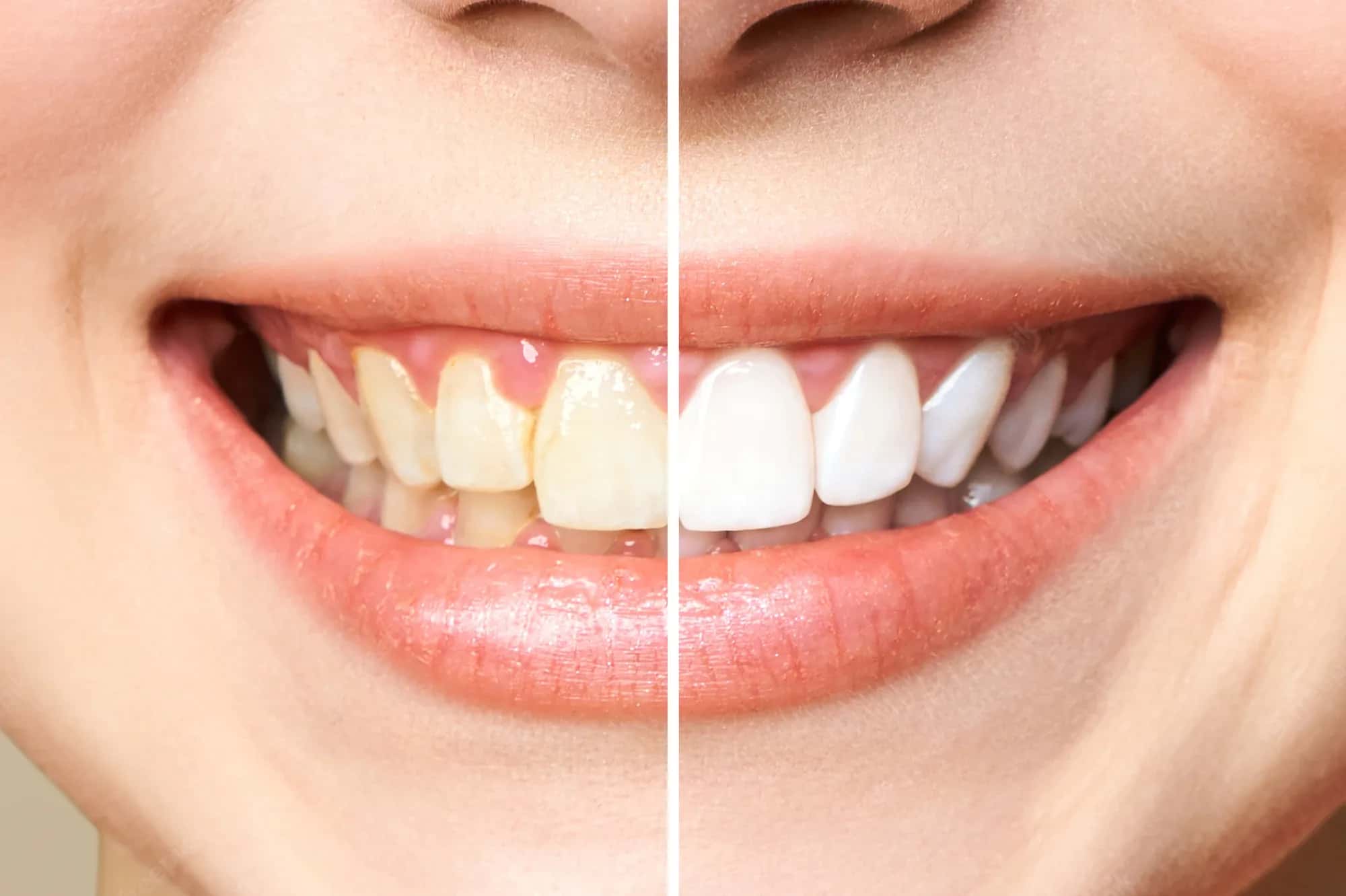
Teeth whitening costs around the world vary substantially, with professional treatment generally costing less in countries such as Turkey, Mexico and India than in the United States or United Kingdom.
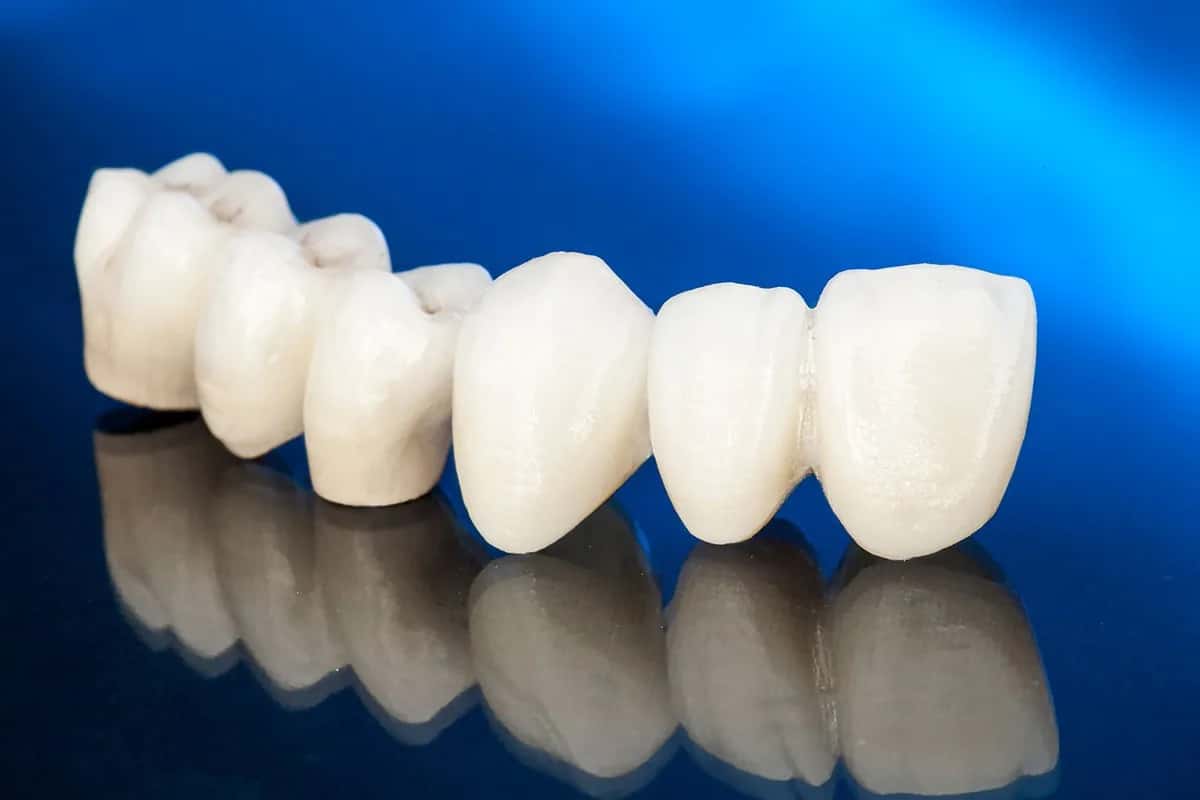
Zirconium crown costs around the world vary significantly, from approximately €180–€400 per tooth in Turkey to $1,000–$2,500 in the United States, based on published 2026 private-treatment prices.
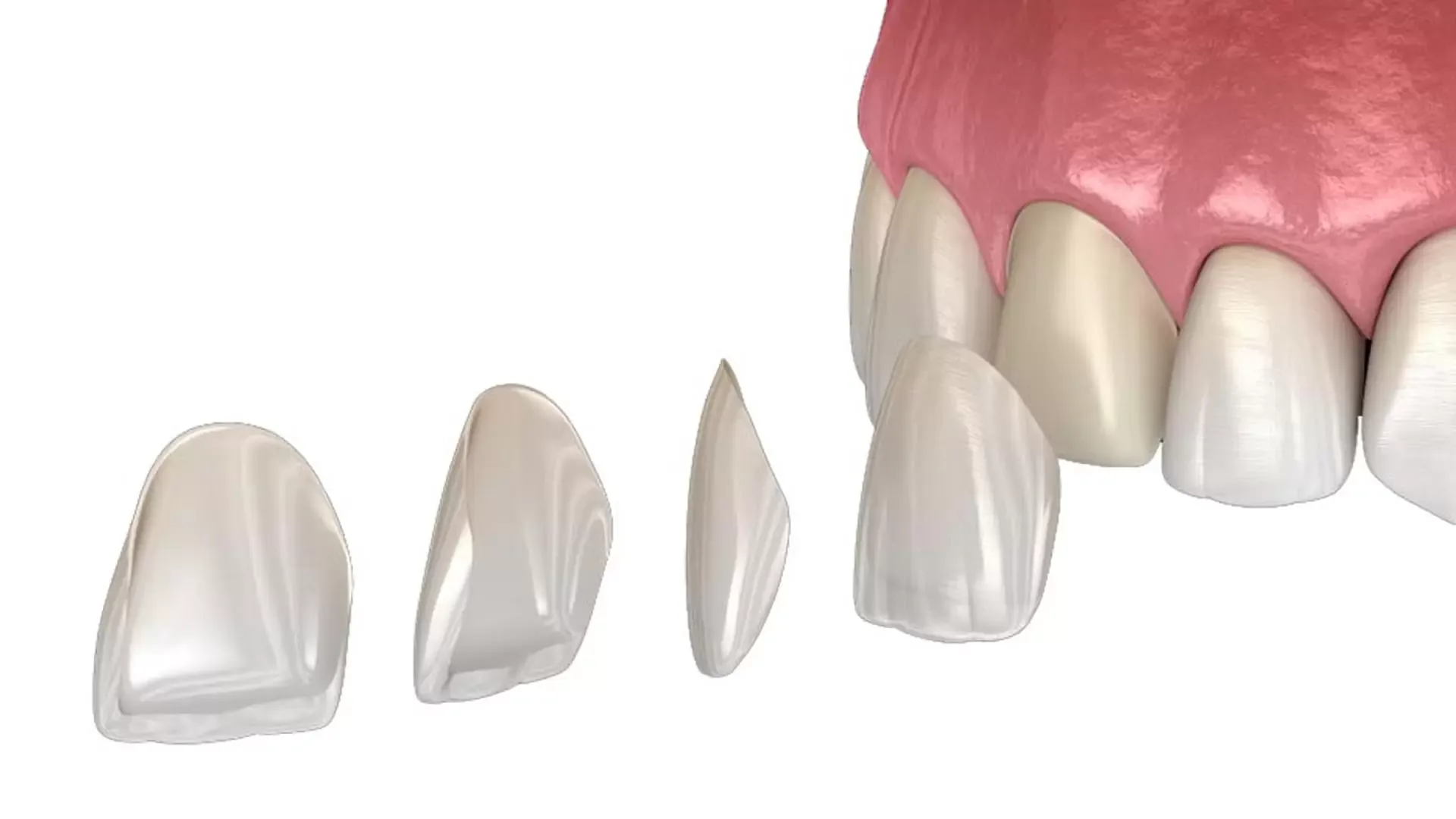
E-Max costs around the world differ significantly, with ceramic veneers and crowns available at lower published prices in countries such as Turkey, Mexico and Hungary than in the United States or United Kingdom.
Subscribe to the Medifinder newsletter and never miss our latest content.