










Chest Pain: Which Doctor To See?
Understand the warning signs associated with chest pain. Discover the proper care paths for immediate intervention and routine cardiovascular assessment.

- Last updated
- 119 reads
- 8 min read


Chest pain is one of those symptoms that makes people pause, and for good reason. It can come from something as simple as muscle strain or indigestion, yet it can also be linked to the heart, lungs, blood vessels, or other urgent health problems. That is why the question chest pain: which doctor to see? needs a careful answer rather than a quick guess.
The safest starting point depends on how the pain feels, when it began, whether it spreads to other areas, and what symptoms come with it. New, severe, unexplained, or worsening chest pain should be treated as urgent. Chest discomfort with shortness of breath, sweating, nausea, fainting, pain spreading to the arm, jaw, neck, back, or sudden weakness needs emergency evaluation right away. Chest pain can be mild and still serious, so it should not be judged only by intensity.
Why Chest Pain Should Be Taken Seriously?
Chest pain is not a diagnosis on its own. It is a signal. Sometimes that signal comes from the heart, such as reduced blood flow or inflammation around the heart. Sometimes it comes from the lungs, ribs, muscles, stomach, esophagus, gallbladder, anxiety response, or even the spine.
The tricky part is that different causes can feel surprisingly similar. Burning pain may seem like reflux, but heart-related discomfort can also feel like pressure, tightness, heaviness, squeezing, or indigestion. Sharp pain may come from a muscle or rib joint, yet lung-related causes can also create sharp discomfort. This overlap is why guessing at home can be risky.
A proper evaluation looks at the full picture: age, health history, risk factors, physical activity, recent illness, medicines, pain pattern, and additional symptoms. The first decision is not always which office to visit. Sometimes the first decision is whether emergency care is needed.
When Chest Pain Needs Emergency Care?
Emergency care is the right choice when chest pain is new, unexplained, severe, or lasts more than a few moments. It is also urgent when chest pressure or discomfort appears with shortness of breath, cold sweat, nausea, vomiting, dizziness, fainting, unusual fatigue, or pain spreading to the arm, shoulder, back, neck, or jaw. These symptoms can be related to a heart attack or another serious condition.
It is important to know that heart-related symptoms are not always dramatic. Some people expect crushing pain, but the discomfort can be mild, vague, or come and go. Some may feel breathless, unusually tired, nauseated, or uncomfortable in the upper body without obvious chest pain.
Chest pain after a significant injury also needs prompt attention. So does chest pain with coughing blood, sudden breathing trouble, a fast or irregular heartbeat, fainting, or severe pain that worsens with each breath. These signs can point to problems beyond the heart, including lung or blood vessel emergencies.
Starting With Primary Care For Non-Urgent Chest Pain
When chest pain is mild, brief, familiar, and not paired with warning symptoms, primary care may be a reasonable first step. This is often the case for discomfort linked to posture, stress, meals, mild reflux, muscle soreness, or recurring symptoms that have already been checked before.
Primary care can review symptoms, check blood pressure, listen to the heart and lungs, examine the chest wall, and decide whether tests are needed. They may also look at cholesterol, blood sugar, family history, smoking status, physical activity, and other risk factors.
This route is useful because chest pain does not always belong to one body system. A broad first assessment can help decide whether the next step should involve heart care, stomach and reflux care, lung care, mental health support, or physical therapy.
When Cardiology Care May Be Needed?
Cardiology care may be recommended when chest pain appears related to the heart or blood flow. This may include pressure-like discomfort during exertion, pain that improves with rest, shortness of breath during activity, palpitations, fainting, swelling in the legs, or known heart risk factors.
Angina is one possible heart-related cause. It can feel like pressure or squeezing in the chest and may spread to the shoulders, arms, neck, jaw, back, or upper abdomen. Some people feel shortness of breath or fatigue instead of clear pain.
Evaluation may include an electrocardiogram, blood tests, exercise testing, heart imaging, or rhythm monitoring, depending on symptoms. The goal is to understand whether the heart is receiving enough blood and whether the rhythm is stable.
Even when symptoms seem manageable, chest discomfort that appears during walking, climbing stairs, emotional stress, or cold weather deserves attention. Pain that follows a predictable exertion pattern should not be ignored.
When Lung-Related Care May Be Considered?
Chest pain can also come from the lungs or breathing system. Pain that worsens with deep breaths, coughing, or lying in certain positions may point away from classic heart-related discomfort, but it still needs careful review.
Possible causes include chest infections, inflammation around the lungs, asthma-related strain, pneumonia, or more urgent conditions such as a blood clot in the lung. Sudden chest pain with shortness of breath, coughing blood, fainting, or a rapid heartbeat should be treated as urgent.
If symptoms include fever, cough, wheezing, recent infection, or breathing difficulty, lung-focused evaluation may be needed after the initial assessment. Chest pain with breathing symptoms can change quickly, so delaying care is not wise when breathing feels abnormal.
When Digestive Causes Are Possible?
Digestive problems are a common reason for chest discomfort. Reflux can cause burning behind the breastbone, sour taste, throat irritation, burping, and discomfort after meals or when lying down. Esophageal spasms can create intense chest pain that may feel alarming.
Gallbladder issues can also cause upper abdominal pain that spreads toward the chest, back, or right shoulder. This may happen after fatty meals and may come with nausea.
Even so, it is not safe to assume chest pain is digestive without considering heart-related causes. Reflux and heart symptoms can overlap. New chest pain, especially with sweating, breathlessness, dizziness, or pain spreading to the upper body, should be checked urgently.
When Muscle, Rib, Or Posture Problems Fit?
Muscle and rib-related chest pain often follows lifting, exercise, coughing, awkward sleep position, or a direct bump to the chest. It may feel sharp, sore, or localized. It may worsen when pressing on the area, twisting, stretching, or taking a deep breath.
This type of pain can be uncomfortable but is often less dangerous when there are no warning symptoms. Primary care can examine the chest wall and help decide whether it is likely musculoskeletal.
Posture can also play a role. Long hours at a desk, tight shoulders, weak upper back muscles, and shallow breathing habits can create tension across the chest and ribs. Physical therapy may help when movement patterns or muscle imbalance are part of the problem.
When Anxiety Or Stress May Be Involved?
Anxiety and panic can cause real chest discomfort. The pain may come with rapid heartbeat, sweating, shaking, breathlessness, dizziness, tingling, or a sense of fear. These symptoms can feel very similar to a medical emergency, especially the first time they happen.
It is important not to label chest pain as anxiety too quickly. Heart, lung, and other physical causes should be considered first when symptoms are new, severe, or unusual.
Once urgent causes have been ruled out, stress management and mental health support can be helpful. Breathing exercises, sleep improvement, therapy, movement, and reducing stimulant intake may all support recovery. The pain is still real, even when stress is part of the trigger.
What To Expect During Evaluation?
A chest pain visit usually begins with the story of the pain. When did it start? How long does it last? Is it sharp, burning, squeezing, heavy, or aching? Does it happen with activity, meals, breathing, stress, or certain positions? Does it travel anywhere?
Basic checks may include blood pressure, oxygen level, pulse, temperature, and a heart and lung exam. Depending on the situation, testing may include an electrocardiogram, blood tests, chest imaging, stress testing, or other studies.
Modern chest pain evaluation focuses on risk level. Acute chest pain and stable chest pain are assessed differently, and testing is chosen based on symptoms and likelihood of serious disease.
How To Choose The Right Care Path?
If chest pain is new, unexplained, severe, or comes with warning symptoms, emergency care is the safest path. If chest discomfort is mild, brief, and without red flags, primary care is often the best first appointment.
Heart-related patterns may lead to cardiology care. Breathing symptoms may lead to lung-focused care. Burning pain after meals may lead to digestive evaluation. Chest wall soreness after movement may lead to physical therapy or musculoskeletal care. Stress-linked symptoms may involve mental health support once urgent causes are excluded.
The key is not to self-diagnose based on one clue. Chest pain sits at the crossroads of several body systems. A careful first evaluation helps avoid both panic and delay.
Frequently Asked Questions
What Doctor Should I See First For Chest Pain?
For non-urgent, mild, and recurring chest pain without warning symptoms, primary care is often the best starting point. For new, severe, unexplained, or worsening chest pain, emergency care is the safer choice.
When Should Chest Pain Be Treated As An Emergency?
Chest pain should be treated as an emergency when it is new, severe, unexplained, lasts more than a few moments, or comes with shortness of breath, sweating, nausea, dizziness, fainting, weakness, or pain spreading to the arm, jaw, neck, back, or shoulder.
Can Chest Pain Be Caused By Stress?
Yes, stress and anxiety can cause chest tightness, pressure, rapid heartbeat, and breathlessness. However, new or unusual chest pain should not be assumed to be stress until more serious causes are considered.
Can Reflux Feel Like Chest Pain?
Yes, reflux can cause burning or pressure behind the breastbone, especially after meals or when lying down. Because reflux and heart-related pain can overlap, new or concerning symptoms should be checked.
Which Care Provider Handles Heart-Related Chest Pain?
Heart-related chest pain is usually evaluated through cardiology care, especially when pain occurs with exertion, shortness of breath, palpitations, fainting, or known heart risk factors.
Is Sharp Chest Pain Always Serious?
Not always. Sharp pain can come from muscles, ribs, reflux, or breathing-related irritation. Still, sharp chest pain with shortness of breath, fainting, coughing blood, fever, or sudden onset needs urgent evaluation.
Can Muscle Strain Cause Chest Pain?
Muscle strain can cause localized soreness that worsens with movement, pressure, twisting, or deep breathing. It often follows lifting, exercise, coughing, or awkward posture.
What Tests Are Used For Chest Pain?
Testing depends on symptoms and risk level. Common options include electrocardiogram, blood tests, chest imaging, oxygen level checks, stress testing, and heart imaging.
Should I Wait To See If Chest Pain Goes Away?
New, unexplained, severe, or unusual chest pain should not be watched at home. If warning symptoms are present, emergency care is the right step.
Can Chest Pain Happen Without A Heart Attack?
Chest pain can come from reflux, muscle strain, lung conditions, anxiety, rib irritation, gallbladder problems, or other causes. The concern is that serious causes can feel similar, so proper evaluation matters.
Kaynak:
- Last updated
- Language
- English
How did you find this article?
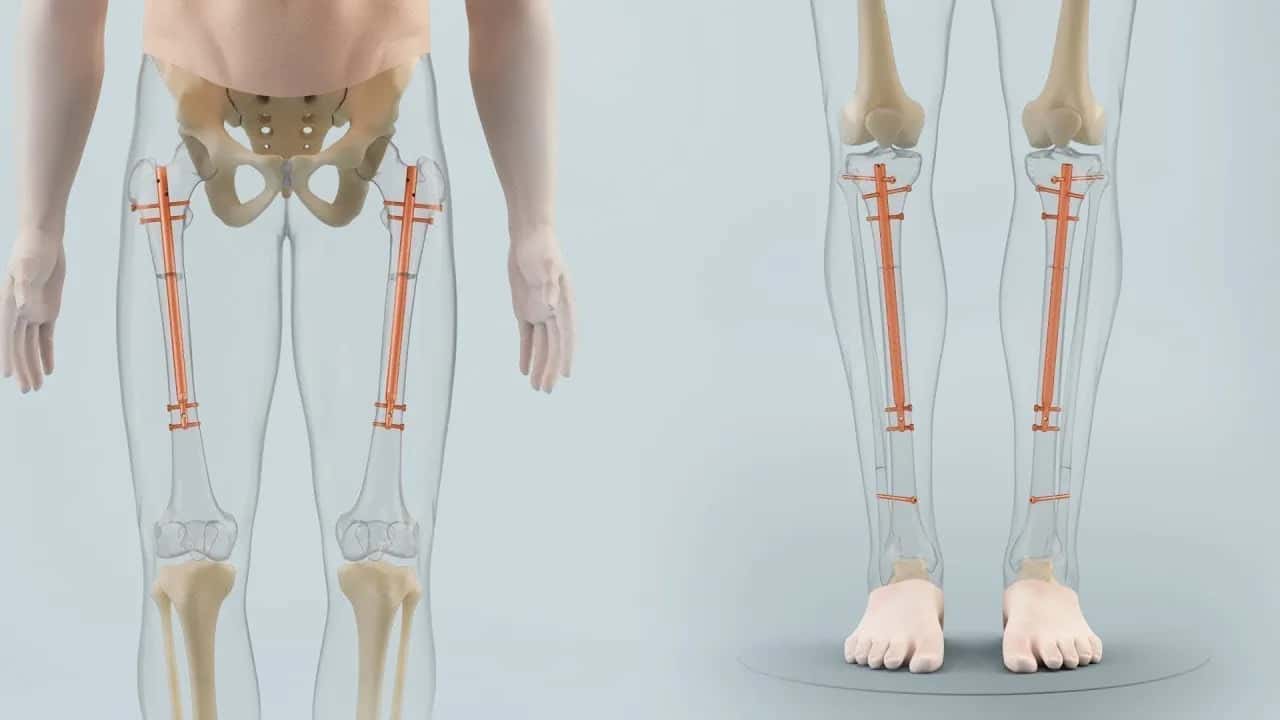
Height reduction surgery is a rare orthopedic procedure in which part of a leg bone is surgically shortened, primarily to correct meaningful limb-length differences rather than as a routine cosmetic operation for people who simply want to be shorter.
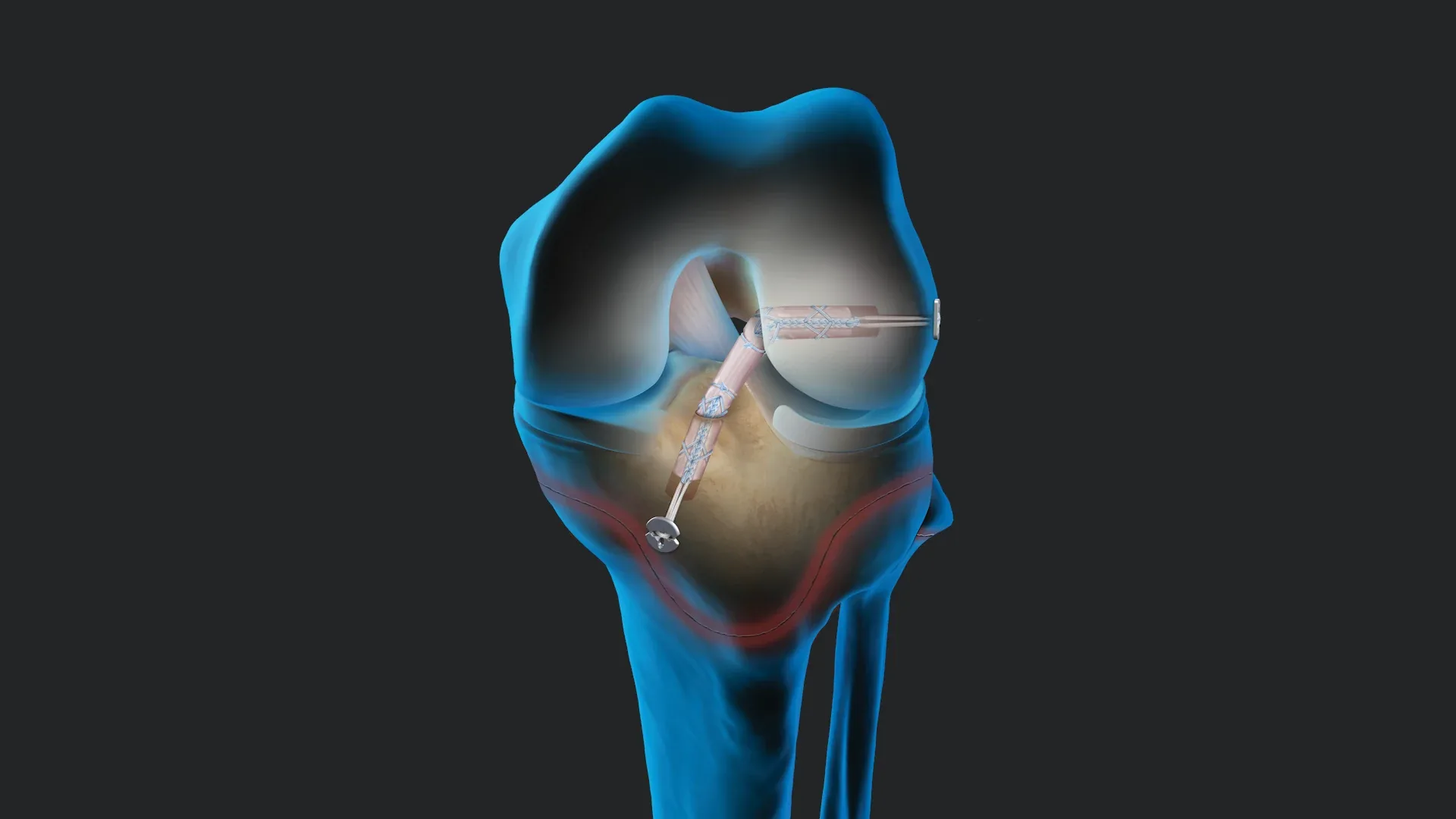
This guide compares ACL surgery costs around the world in 2026, including private treatment, graft choices, hospital packages, rehabilitation, insurance, and medical travel expenses.

Botox Treatment for Spasticity is a medical use of botulinum toxin injections to relax selected overactive muscles for a limited time. It is usually considered when muscle tightness, spasms, or stiffness affect comfort, movement, hygiene, caregiving, or daily activities.

Subscribe to the Medifinder newsletter and never miss our latest content.