










Can You Drive After a Root Canal?
This guide explains whether you can drive after root canal treatment, including local anaesthesia, sedation, numbness, pain medication, recovery symptoms, and situations when driving should be avoided.

- Last updated
- 64 reads
- 8 min read


Can You Drive After a Root Canal?
Driving after a root canal may be possible when you are fully alert and do not have symptoms that affect safe vehicle control, following local anesthetic alone.
Most root canal treatments are done with local anesthesia, which numbs a small area, but is not meant to make you sleepy or less aware. Following uncomplicated treatment with local anesthetic, normal driving is allowed with root canal specific aftercare advice. However, the UK-wide guidance is to arrange transport after local or regional anesthesia and to follow the instructions given after treatment. Sometimes local anesthetic can cause dizziness, blurred vision, weakness or strange numbness. So, to put it simply, driving should be based on the type of anesthetic and how you feel after the anesthetic.
Can You Drive After a Root Canal With Local Anaesthetic?
It may be possible to drive after a root canal with only local anesthetic, as this drug typically only numbs the area of treatment, rather than inducing sedation.
You are awake during the operation, and simple local anesthesia does not normally affect your judgment as sedative drugs do. Root canal treatment guidance says that patients treated in this way are usually able to drive afterward. However, the current UK guidance is more cautious, advising that someone should be arranged to drive you home after local or regional anesthesia. If you feel dizzy, have blurred vision, feel weak or have any other side effect you should not drive until it is completely gone.
How long to wait to drive after a root canal?
If you have your root canal with only local anesthetic, there is no universal compulsory waiting time, but you should not drive until you are fully alert and physically comfortable.
After treatment, local numbness may last a few hours. One current dental aftercare resource says that mouth numbness can last a few hours, while another says that local anesthetic usually wears off within two to three hours. Numbness is more likely to affect the mouth than judgment, but associated dizziness or visual symptoms make driving inappropriate. Sedation is different and usually requires 24 hours without driving at least. The relevant waiting period is therefore determined by the anesthetic technique.
Can You Drive With A Numb Mouth?
Numbness by itself in the mouth does not mean you cannot drive, but if you have numbness along with dizziness, weakness, blurred vision or other symptoms that impair your ability to drive, you should not drive.
Local anesthetic often results in numbness of the lips, cheek, tongue or surrounding areas for several hours following root canal treatment. This sensation mainly causes a risk for accidental biting or injuring soft tissue. It doesn’t usually take away concentration in itself. Local anesthetic can, however, sometimes cause temporary side effects such as dizziness, headache, blurred vision, weakness or continuing pins and needles. These symptoms may affect your ability to drive safely. Waiting until you are physically normal is a safer standard than judging readiness based on mouth numbness alone.
Can a Local Anesthetic Influence Driving?
Local anesthetics usually don't affect your awareness, but some people have temporary side effects that may affect their ability to drive.
Side effects as the anesthetic wears off can be: feeling dizzy, seeing things blurry, having a headache, feeling weak, shaking or feeling strange. Most side effects will resolve in minutes or hours. Because these reactions are different, there's more to consider than just feeling awake before you drive. You should also be able to see clearly, move normally, concentrate and react quickly. UK guidance advises arranging transport after local or regional anesthesia. Root canal specific guidance allows driving if local anesthetic is the only medication used. It is still important to follow the instructions given for your procedure.
Can I Drive After Root Canal Sedation?
Can I drive after a root canal with sedation? It is not safe to drive after a root canal with sedation. Sedative medication can affect judgment, coordination, memory and reaction time after treatment.
If you need a little extra relaxation because of anxiety, the complexity of the treatment or some other factor, dental sedation can help. Patients may feel relatively normal until the drug has lost its effect on performance completely. Current dental sedation guidance therefore requires an accompanying adult to return home. Supervision is needed and so public transport may also be discouraged after intravenous sedation. The restriction applies even if the root canal was uncomplicated. The dental procedure itself is not the main limiting factor for driving, it is the sedative medication.
How Soon After IV Sedation Can You Drive?
Judgment and coordination can be impaired for at least 24 hours after intravenous dental sedation, so you should not drive.
Even if you feel alert shortly after treatment, this restriction still applies. Sedative effects can be subtle so you might not feel sleepy but your reaction time and decision making can still be impaired. Current UK dental guidance also advises against undertaking bicycles, machinery, alcohol, important decisions and responsibility for dependants within the same 24 hour period. An adult escort should drive you home (or take a taxi) and be available after treatment. You may drive again when the restriction has expired if you are otherwise physically able to drive safely.
Can you drive after taking painkillers?
It is contingent upon the painkiller. Regular painkillers that are non-sedating are very different from stronger drugs that cause drowsiness.
Mild tenderness in the root canal often responds to medicines such as paracetamol or ibuprofen if these are appropriate for the individual. These medicines are commonly used and are usually not sedating at standard doses. Stronger prescription pain medicines can do something different. Some may make you feel sleepy or dizzy, or cause you to have slower reactions or problems concentrating. The Root Canal Aftercare Instructions explicitly advise that narcotic pain medication may cause drowsiness and caution should be exercised while driving. Therefore it is important to check the medication information before getting behind the wheel.
Can I Drive After a Root Canal if I Feel Dizzy?
If you feel dizzy after a root canal, you should not drive. Dizziness can affect your balance, concentration, visual orientation and reaction speed.
Sometimes local anesthetic can cause temporary dizziness and some pain medicines can have similar effects. Anxiety, not eating enough or feeling unwell may also contribute after dental treatment. The cause is less important than the immediate effect on driving safety. The dental procedure is over and it is safer to stay seated and wait for the symptoms to subside than to try driving. Any persistent or worrying side effects after local anesthesia should be assessed medically, particularly if they are not improving as expected.
How Long After Root Canal Can You Drive?
Do not drive if treatment or postoperative symptoms may affect judgment, coordination, vision, concentration, or the ability to control a vehicle.
Reasons not to drive are important:
- Intravenous or other conscious sedation
- Dizziness or faint
- Blurred or abnormal vision
- Marked weakness
- Severe pain that distracts you
- Drowsiness due to prescription medication
- Continued confusion or lack of alertness
- Unusual reaction to anaesthesia
IV sedation (intravenous dental sedation) – 24 hour driving restriction. Different advice applies to local anesthetic alone but driving is unsafe if any impairing symptom is present. Arranging alternative transport before treatment avoids a difficult decision if unexpected symptoms develop afterward.
Can I drive after the first stage of root canal treatment?
If local anesthetic was used alone and you feel fully alert after the appointment, you may be able to drive after the first stage of root canal treatment.
The first stage may include the removal of the nerve tissue, cleaning out part of the canal system, placing an antibacterial dressing into the canal space and sealing the tooth temporarily. This procedure usually leaves the mouth numb for several hours. You may also experience temporary soreness or swelling as the tooth adjusts. These changes don’t automatically stop you driving, but symptoms like dizziness or severe pain can make it unsafe. Sedation is a whole different story and a 24 hour driving restriction whether the root canal was completed or temporary.
Driving After a Root Canal And Crown
Driving may be possible if a root canal and crown is treated with local anesthetic only and no medication or symptom affects safe driving.
Crown placement may extend the appointment and may require additional local anesthetic, especially if extensive tooth preparation is completed. Longer treatment can also lead to jaw fatigue or general discomfort afterward. These effects do not usually impair judgment directly, but a person may feel tired or uncomfortable. A same day permanent crown is not a driving restriction per se. The important exception is sedation, as patients receiving IV sedation must not drive for at least 24 hours and must arrange to be taken home with someone.
Do You Need Someone to Drive You Home after a Root Canal?
If you are having sedation, expecting stronger medication or are simply unsure how you will react to dental anesthesia, the safest option is to have someone to take you home.
An escort is needed after intravenous sedation because judgment and coordination may be impaired for up to 24 hours. Wider UK guidance recommends arranging for someone to drive following local/regional anesthesia, but root canal specific guidance allows driving after uncomplicated local anesthetic treatment. Pre-arranged transport means there is flexibility if you suddenly experience dizziness, pain or weakness. If you are using sedation, the escort has to be responsible for the journey, not just sitting there while you drive yourself.
Driving Home From a Root Canal: Can I Go Back to Work?
If you have had a routine root canal procedure, you may be able to return to work if you have had local anesthetic and feel well enough to safely do your job.
Some mild tenderness and jaw soreness may persist after treatment so more physically demanding work may be less comfortable than desk-based activity. If there is still any dizziness or drowsiness from medication, more care needs to be taken with work such as driving, machinery, working at heights or other safety-critical duties. Sedation is a far more obvious limitation. The current advice for dental sedation is to not work for 24 hours as judgment and co-ordination may still be impaired. Decisions regarding recovery should therefore be based on the dental treatment and safety requirements of the job.
Things to Check Before Driving After Root Canal?
Before you drive after a root canal, make sure you are wide awake, can see clearly, feel steady, and have not taken any medication that might affect your concentration or reaction time.
You also want to think about whether pain is distracting enough to affect attention. Mouth numbness can last for several hours, but the more important effects are dizziness, weakness, blurred vision, sedation and drowsiness. If you have had intravenous sedation you must wait at least 24 hours before driving, no matter how normal you feel. If you have had local anesthetic only the advice you are given after the procedure may vary so please follow this advice. When there is uncertainty about fitness to drive, alternative transport is safer.
- Last updated
- Language
- English
How did you find this article?
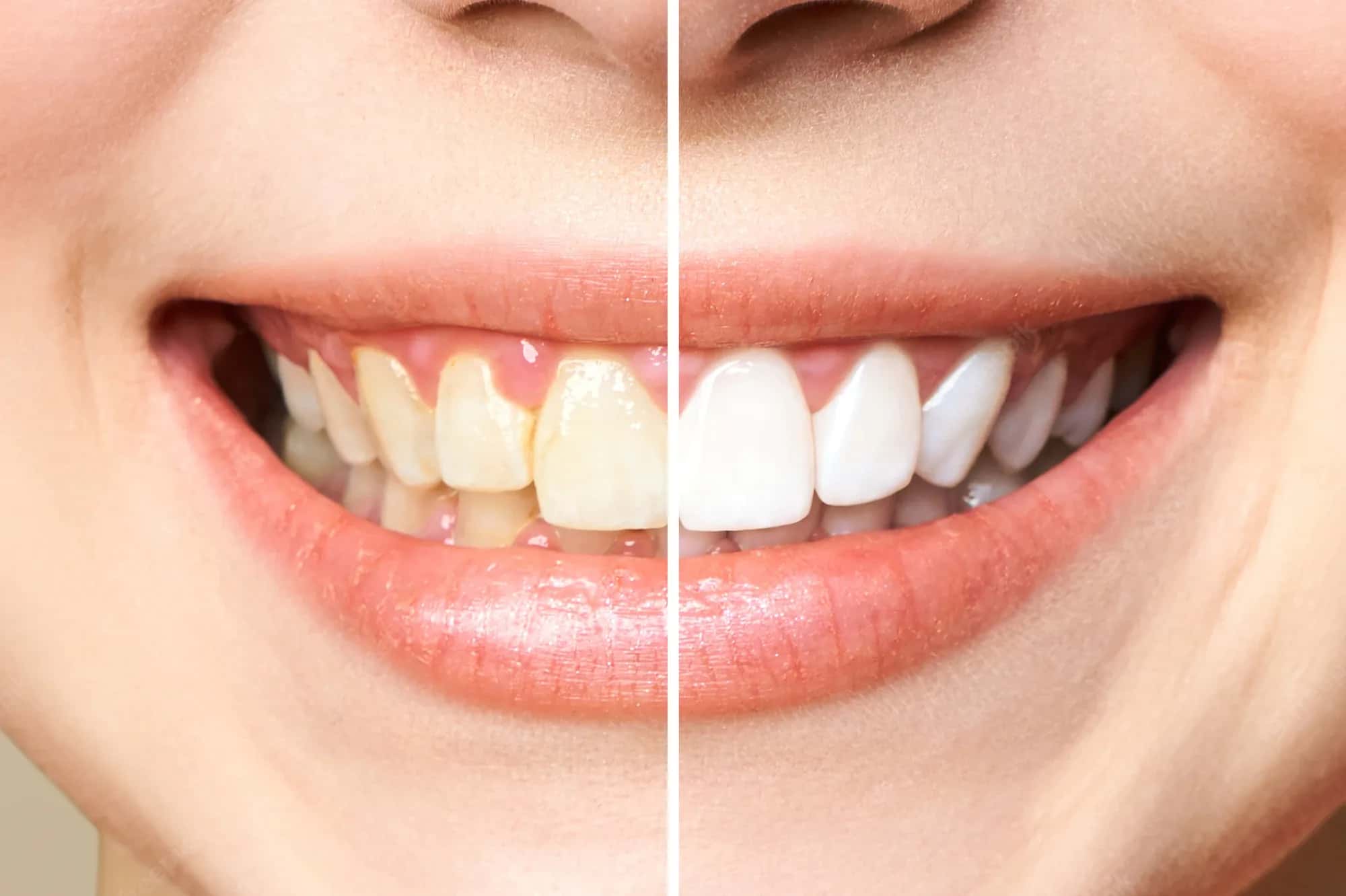
Teeth whitening costs around the world vary substantially, with professional treatment generally costing less in countries such as Turkey, Mexico and India than in the United States or United Kingdom.
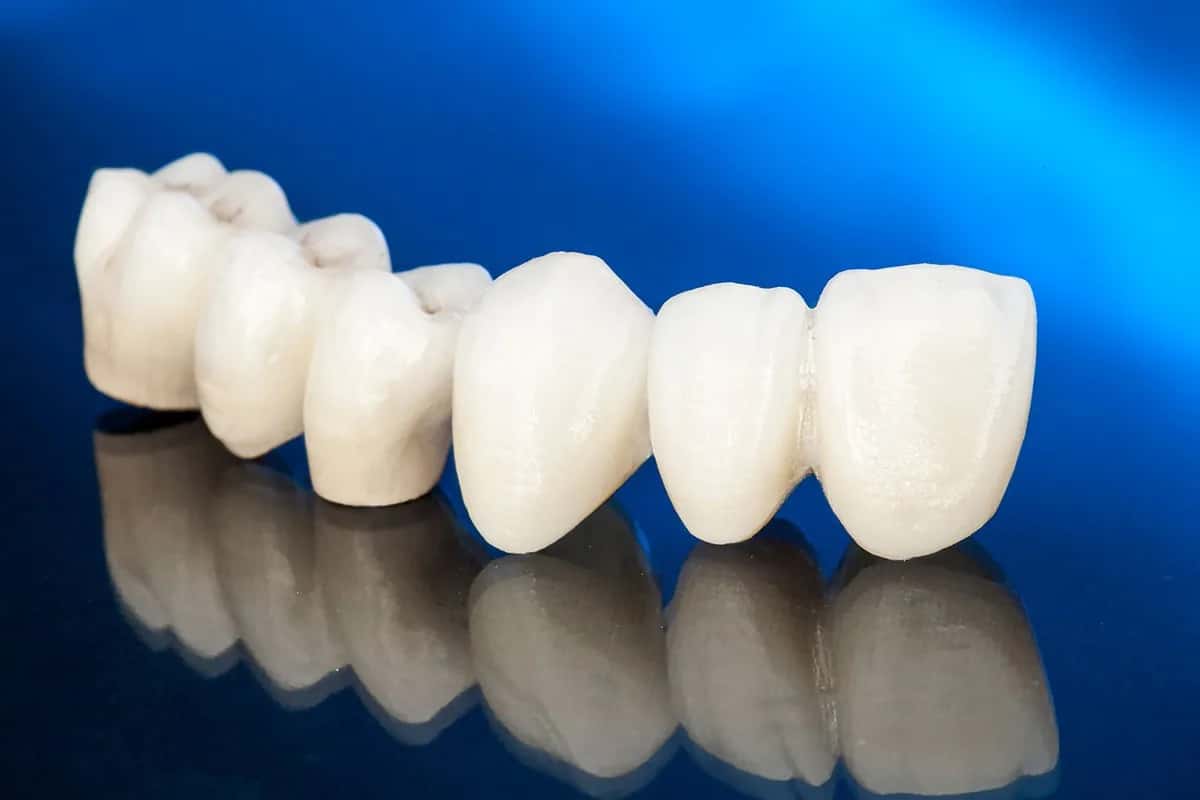
Zirconium crown costs around the world vary significantly, from approximately €180–€400 per tooth in Turkey to $1,000–$2,500 in the United States, based on published 2026 private-treatment prices.
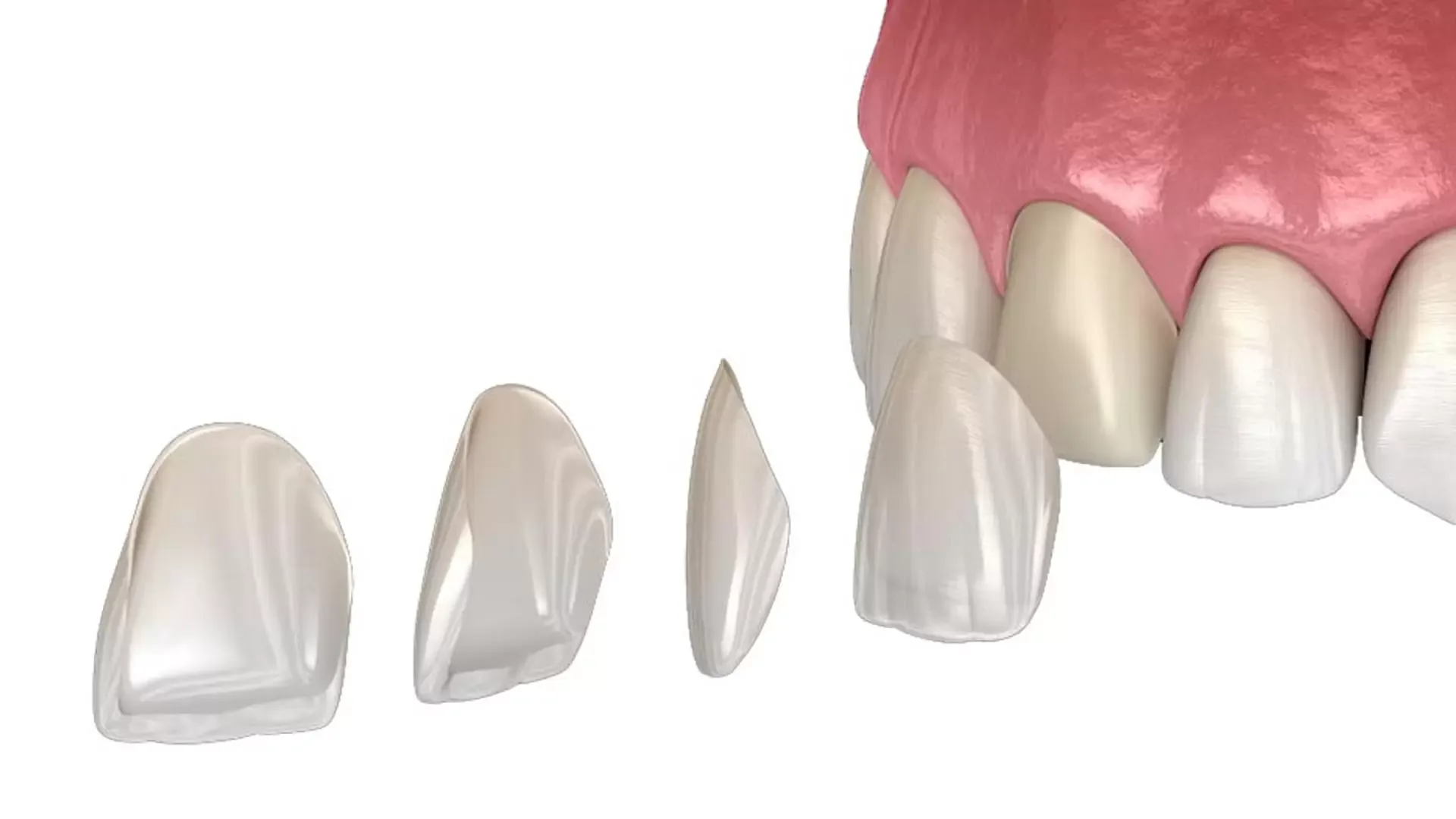
E-Max costs around the world differ significantly, with ceramic veneers and crowns available at lower published prices in countries such as Turkey, Mexico and Hungary than in the United States or United Kingdom.
Subscribe to the Medifinder newsletter and never miss our latest content.