










Can Tooth Decay Cause Mouth Sores? Is It Dangerous?
Tooth decay does not usually cause a typical mouth ulcer directly. However, it can weaken a tooth, create a sharp edge and repeatedly injure the tongue, cheek or lip. Advanced decay may also lead to gum swelling, a pimple-like drainage point or a dental abscess.

- Last updated
- 152 reads
- 10 min read
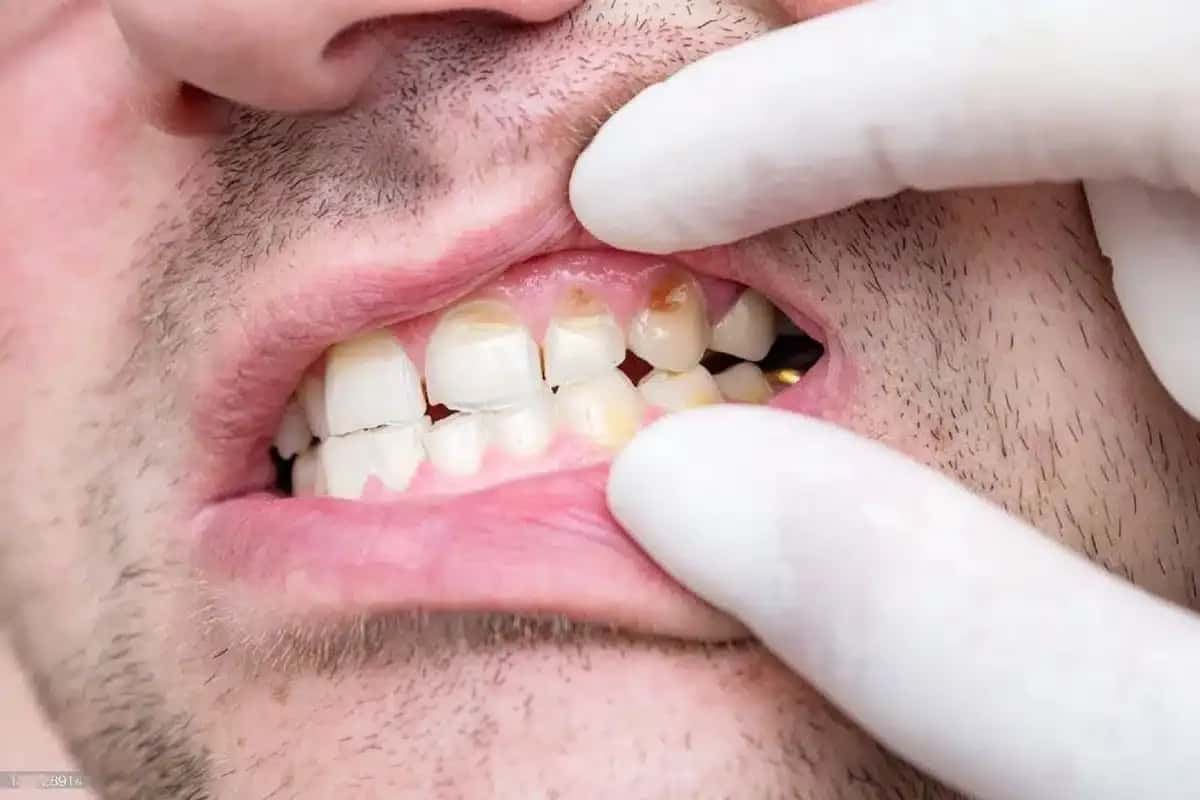


A painful sore near a decayed tooth can be confusing. The discomfort may come from the tooth itself, the surrounding gum or a wound caused by a sharp dental surface. Although tooth decay does not usually create a typical mouth ulcer directly, it can contribute to sores and swelling in several ways.
An untreated cavity may weaken the tooth until part of it breaks. The rough or pointed edge can then rub against the tongue, inner cheek or lip. Repeated friction may damage the soft tissue and produce a painful ulcer. A severely decayed tooth may also become infected, causing swelling or a small pimple-like bump on the gum. This type of lesion is different from an ordinary mouth sore and may require urgent dental attention.
Understanding the difference between a simple ulcer and a dental infection is important. A minor traumatic sore may improve after the source of irritation is removed. An infected tooth, however, rarely heals on its own. Even when pain temporarily decreases, bacteria may remain inside the tooth or surrounding tissues.
How Does Tooth Decay Develop?
Tooth decay develops gradually. Bacteria naturally present in the mouth use sugars and carbohydrates from food and drinks. During this process, they produce acids that attack the tooth’s protective outer layer, known as enamel.
In the early stage, decay may appear as a pale or chalky area. There may be no pain at all. If the process continues, the enamel becomes weaker and a cavity forms. Once decay reaches the softer layer beneath the enamel, sensitivity may begin.
You may notice discomfort when consuming:
- Cold drinks
- Hot food
- Sugary snacks
- Acidic beverages
- Very sweet desserts
As decay moves closer to the centre of the tooth, symptoms can become more intense. The inner part of a tooth contains nerves and blood vessels. When bacteria reach this area, inflammation or infection may develop.
At this stage, the pain may become spontaneous. It can begin without eating or drinking, continue for a long time and become worse at night. The tooth may also hurt during chewing. Without treatment, infection can spread beyond the tooth and affect the gum, jaw or facial tissues.
Can Tooth Decay Directly Cause a Mouth Sore?
Tooth decay affects hard dental tissue, while mouth sores form in soft tissues. Therefore, a cavity does not usually turn into an ulcer. The connection is generally indirect.
A decayed tooth can cause a mouth sore when it becomes chipped or broken. A sharp dental edge may repeatedly scrape the same part of the tongue or cheek. This irritation can remove the surface layer of the soft tissue and create an open wound.
Food may also become trapped inside a large cavity or between the damaged tooth and gum. This can make the area difficult to clean. The surrounding gum may become red, swollen and tender. Although this may look like a sore, it is often inflammation rather than a classic ulcer.
In some cases, infection from the tooth may create a small drainage opening on the gum. This can look like a blister, white bump or pimple. It may release fluid and then shrink, only to return later. Such a lesion can indicate that infection is draining from the root area.
What Does a Traumatic Mouth Ulcer Look Like?
A sore caused by a sharp or broken tooth usually appears exactly where the dental edge touches the soft tissue. Common locations include the side of the tongue, inner cheek and inside of the lip.
The ulcer may look round or slightly irregular. Its centre may appear white, yellow or pale, while the surrounding tissue may look red. The area can feel tender, especially during eating, speaking or brushing.
Spicy, salty and acidic foods may increase the burning sensation. The wound may also reopen repeatedly if the sharp tooth continues rubbing against it.
A traumatic ulcer generally begins to improve after the source of irritation is corrected. The dentist may smooth the rough edge, place a filling or repair the tooth with a different restoration. If the tooth cannot be saved, extraction may be considered.
A sore that does not improve after the sharp surface has been treated should be examined again. Persistent oral lesions should not be assumed to be harmless.
Is a Gum Pimple a Mouth Sore?
A gum pimple is not usually the same as a standard mouth ulcer. It often appears as a small raised bump near an infected tooth. It may be red, white or yellow and can sometimes release pus or an unpleasant-tasting fluid.
This bump may develop when infection around a tooth root creates a pathway to the gum surface. Once fluid drains, pressure inside the infected area may decrease. As a result, the toothache may temporarily become less severe.
The reduction in pain can be misleading. Drainage does not mean that the infection has disappeared. The source of the problem remains inside the tooth or around its root.
Treatment may involve root canal therapy, drainage, restoration or removal of the tooth. The correct option depends on the amount of healthy tooth structure, the location of the infection and the condition of the surrounding bone.
You should not squeeze, pierce or attempt to drain a gum bump at home. Doing so may irritate the tissue and allow bacteria to spread.
Can a Dental Abscess Be Dangerous?
A dental abscess is a collection of pus caused by bacterial infection. It can form inside the tooth, around the root or in the gum tissues. Unlike an ordinary mouth sore, an abscess can spread beyond the original area.
Possible symptoms include:
- Severe or throbbing toothache
- Pain during chewing
- Sensitivity to hot or cold
- Swelling of the gum, cheek or jaw
- A bad taste in the mouth
- Pus or fluid drainage
- Fever
- Swollen lymph nodes
- Difficulty opening the mouth
Infections in the mouth should not be ignored. In some cases, swelling may spread to the face, neck or tissues under the tongue. Difficulty breathing or swallowing requires immediate medical attention.
Antibiotics may be necessary when an infection is spreading or causing general symptoms. However, antibiotics alone may not remove the source. The affected tooth usually still requires dental treatment.
How Can You Tell the Difference Between a Canker Sore and a Dental Infection?
Canker sores usually occur on movable soft tissues such as the inside of the lip, cheek or underside of the tongue. They often appear as shallow, round ulcers with a pale centre and red border. They are not caused by cavities and are not contagious.
A dental infection is more likely when the lesion appears directly on the gum beside a painful tooth. It may look raised rather than shallow. Swelling, pus, an unpleasant taste and tenderness when biting are additional warning signs.
A traumatic ulcer caused by a broken tooth is usually found where the sharp surface makes contact with the tongue or cheek. Feeling a rough edge near the wound supports this possibility.
The appearance alone may not be enough to identify the cause. A dental examination may be needed, especially when the sore occurs together with tooth pain or facial swelling.
Can a Decayed Wisdom Tooth Cause Mouth Sores?
A decayed or partially erupted wisdom tooth may contribute to irritation at the back of the mouth. Food and bacteria can collect around the surrounding gum, particularly when part of the tooth remains covered by tissue.
This may lead to redness, swelling, pain and an unpleasant taste. The swollen gum can also become trapped between the upper and lower teeth during chewing, creating a painful wound.
A wisdom tooth that leans toward the cheek may repeatedly rub against the soft tissue. If the tooth is damaged or has a sharp edge, the irritation can become worse.
Treatment depends on the position of the tooth and the condition of the surrounding tissues. Cleaning, restoration or extraction may be recommended after examination.
What Happens If Tooth Decay Is Left Untreated?
An untreated cavity usually becomes larger over time. The rate of progression may differ, but the damaged tooth does not rebuild itself once a true cavity has formed.
As the decay advances, the following problems may occur:
- Increasing tooth sensitivity
- Persistent pain
- Tooth fracture
- Infection of the dental pulp
- Gum swelling
- Dental abscess
- Difficulty chewing
- Loss of the tooth
A damaged tooth may also create sharp edges that continue to injure the tongue or cheek. Repeated trauma can prevent a mouth sore from healing.
Delaying treatment may turn a relatively simple filling into a more complicated procedure. If the nerve becomes infected, root canal treatment or extraction may be necessary.
Can Mouth Sores Become Dangerous?
Most minor mouth ulcers are not dangerous and improve within a relatively short period. However, a sore should be evaluated when it persists, repeatedly returns in the same location or has unusual features.
Arrange a dental or medical examination when a mouth sore:
- Lasts longer than expected
- Continues to grow
- Feels hard around the edges
- Bleeds without an obvious reason
- Causes increasing pain
- Makes swallowing difficult
- Appears with a neck lump
- Is accompanied by fever or facial swelling
- Develops beside a severely decayed tooth
A persistent ulcer may be caused by ongoing trauma, infection or another oral condition. Removing the visible irritation without examining the underlying cause may delay appropriate treatment.
How Is the Cause Diagnosed?
A dentist usually begins by asking about the duration and pattern of symptoms. You may be asked when the pain started, whether it is triggered by food and whether the sore has changed in size.
The dentist then examines the teeth, gums, tongue, cheeks and nearby tissues. A sharp or broken tooth may be visible during this examination. The affected tooth may also be checked for sensitivity, pain during biting and changes in colour.
Dental X-rays may be needed to determine how far the decay has progressed and whether the infection has reached the root or surrounding bone. Not every sore requires an X-ray, but imaging can be useful when tooth infection is suspected.
If an ulcer remains after the dental irritation has been removed, additional evaluation may be recommended.
How Is a Mouth Sore Caused by Tooth Decay Treated?
Treatment depends on the actual cause. If a broken or decayed tooth is rubbing against the cheek or tongue, the damaging surface must be corrected. The dentist may smooth the edge or repair the tooth with a filling.
A larger area of damage may require a crown or another type of restoration. When decay reaches the dental pulp, root canal treatment may be needed to remove the infected tissue and preserve the tooth.
If the tooth cannot be restored, extraction may be recommended. Removing the damaged tooth stops ongoing friction and addresses the source of infection.
A gum abscess may require drainage and treatment of the affected tooth. Pain relief alone does not eliminate the problem.
Once the source is treated, a traumatic mouth sore often begins to heal. During recovery, gentle oral hygiene and avoiding irritating foods can make the area more comfortable.
What Can You Do at Home Until the Appointment?
Home care may reduce discomfort temporarily, but it should not replace dental treatment.
You can keep the area clean by brushing gently with a soft toothbrush. Avoid pressing directly on a painful ulcer or swollen gum. Rinsing carefully with lukewarm salt water may help keep the mouth clean, provided there is no instruction against it.
Avoid very spicy, acidic, salty or hot foods while the wound is sensitive. Softer meals may be easier to tolerate.
Do not place aspirin, alcohol, strong chemicals or household products directly on the tooth or sore. These substances can burn the soft tissues and make the problem worse.
You should also avoid trying to break, file or pull the damaged tooth yourself. A sharp tooth may extend deeper than it appears, and home intervention can cause fracture, bleeding or infection.
When Is Urgent Care Necessary?
Seek urgent professional help if tooth decay or a mouth lesion is accompanied by rapidly increasing swelling, fever or worsening general health.
Emergency assessment is especially important when you experience:
- Difficulty breathing
- Difficulty swallowing
- Swelling under the tongue
- Swelling spreading toward the eye or neck
- Inability to open the mouth normally
- Severe weakness or confusion
- Uncontrolled bleeding
These signs may indicate that infection is spreading beyond the tooth and gum. Waiting for a routine appointment may not be appropriate in such circumstances.
How Can Tooth Decay and Related Sores Be Prevented?
Good daily oral care reduces the risk of cavities and gum inflammation. Brush the teeth regularly with appropriate toothpaste and clean between the teeth using floss or interdental brushes.
Frequent exposure to sugary snacks and drinks gives oral bacteria more opportunities to produce acid. Reducing how often these products are consumed can support enamel protection.
Regular dental examinations are also important because early decay may not cause pain. A small cavity can often be treated before it weakens the tooth or causes infection.
Avoid using the teeth to open packages, bite hard objects or crack ice. These habits can create chips and sharp edges, even in teeth that appear healthy.
If a tooth breaks or begins rubbing against the tongue or cheek, arrange an examination before a persistent sore develops.
- Last updated
- Language
- English
How did you find this article?
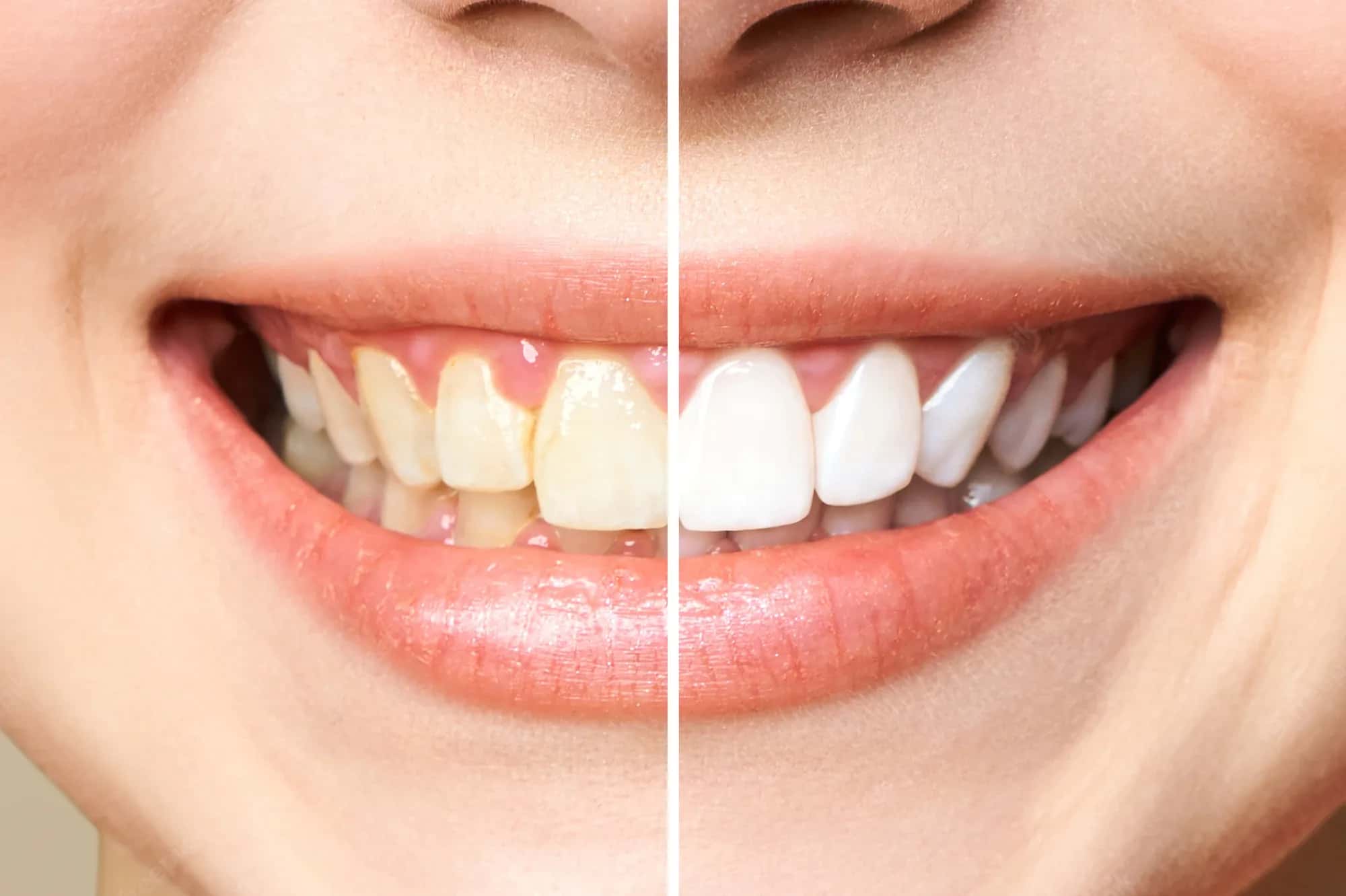
Teeth whitening costs around the world vary substantially, with professional treatment generally costing less in countries such as Turkey, Mexico and India than in the United States or United Kingdom.
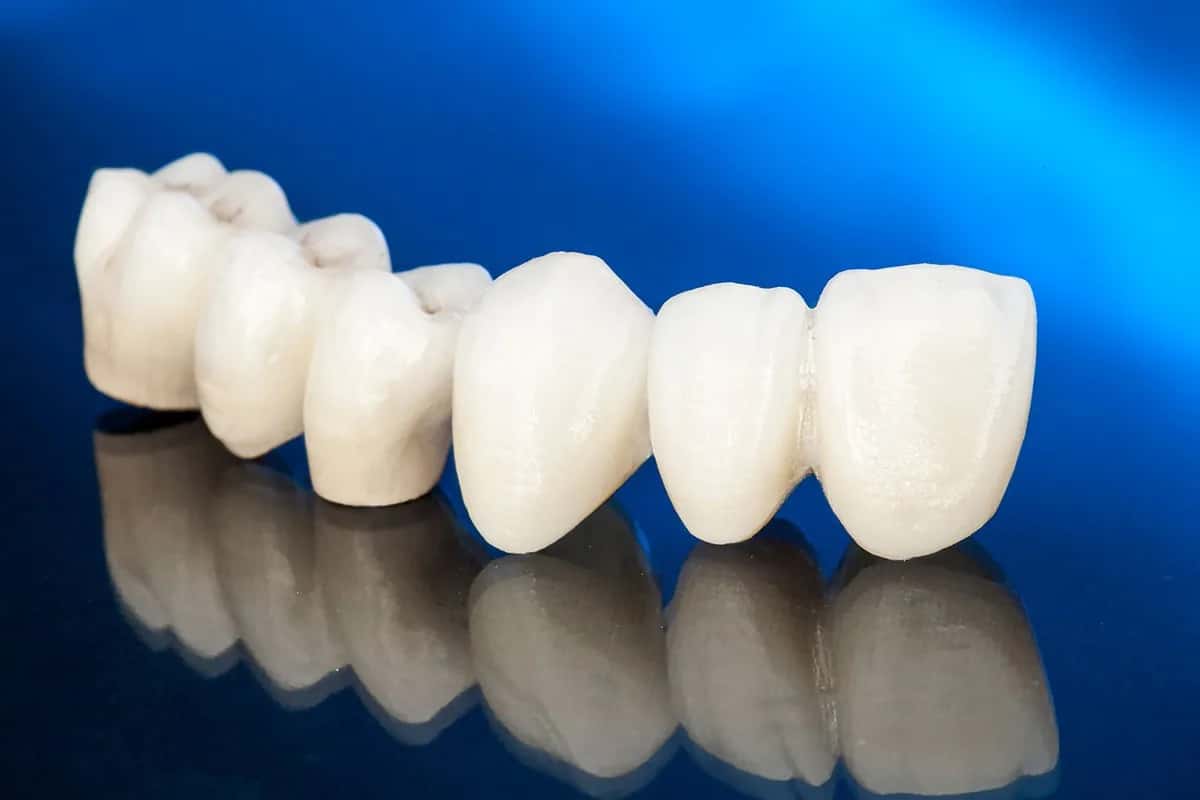
Zirconium crown costs around the world vary significantly, from approximately €180–€400 per tooth in Turkey to $1,000–$2,500 in the United States, based on published 2026 private-treatment prices.
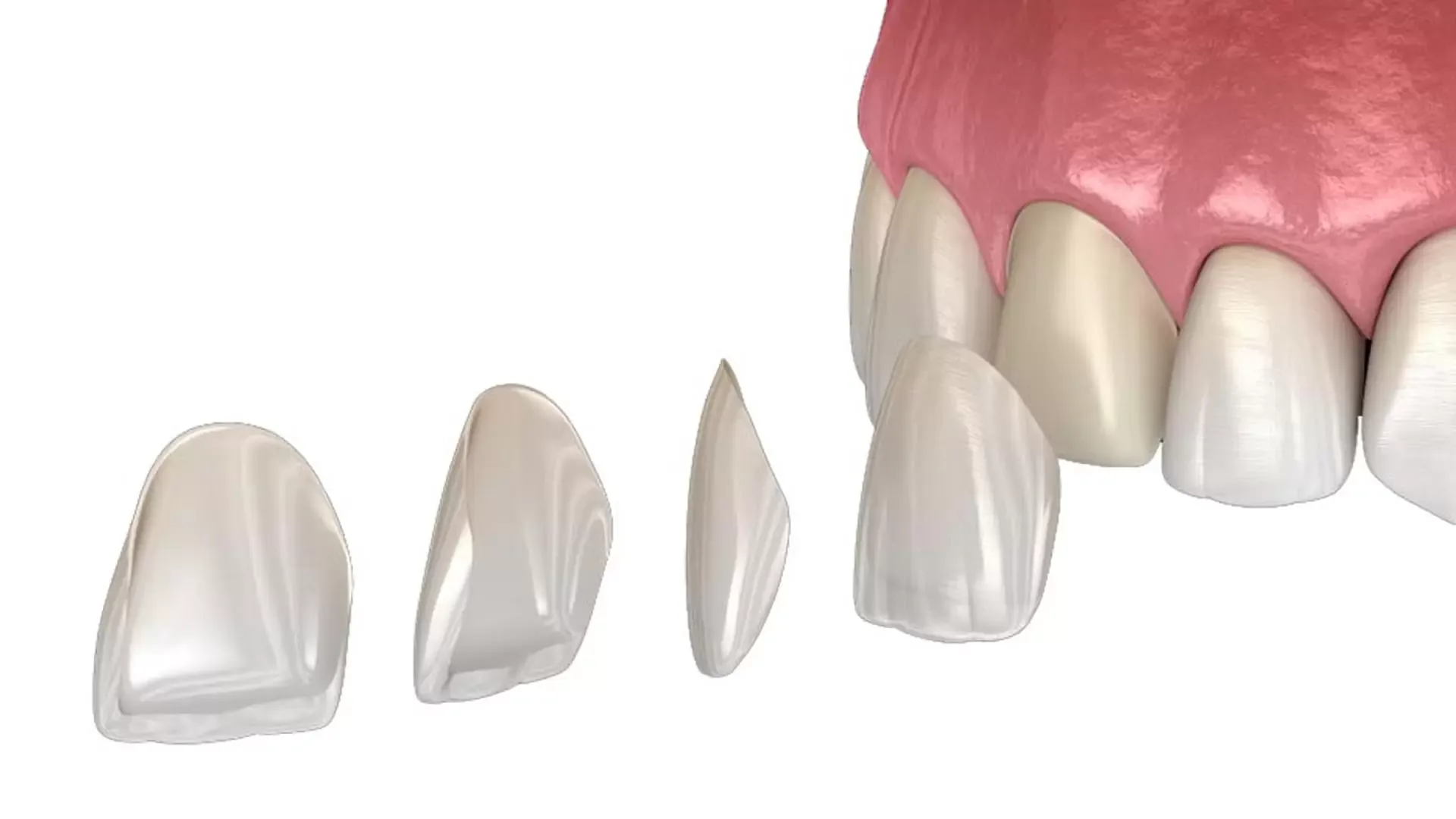
E-Max costs around the world differ significantly, with ceramic veneers and crowns available at lower published prices in countries such as Turkey, Mexico and Hungary than in the United States or United Kingdom.
Subscribe to the Medifinder newsletter and never miss our latest content.