










Bruxism (Teeth Grinding): Symptoms, Causes
This comprehensive guide explains the causes, symptoms, diagnostic methods, and effective treatment strategies for managing bruxism.

- Last updated
- 49 reads
- 8 min read


What Is Bruxism?
Bruxism is a medical condition characterized by the involuntary grinding, gnashing, or clenching of teeth. This destructive habit typically occurs unconsciously during sleep or unconsciously throughout waking hours. The excessive force applied during these episodes far exceeds normal chewing pressure. Such intense pressure places immense strain on the jaw muscles and delicate temporomandibular joints. Continuous mechanical friction gradually wears away the protective enamel layer of the teeth. Left untreated, the condition leads to severe dental complications and chronic facial discomfort. Early identification remains crucial for preserving structural dental health and preventing permanent damage. Professional intervention stops the progression of this damaging cycle effectively.
What Are The Primary Causes Of Bruxism?
The primary causes of bruxism involve a complex combination of physical, psychological, and genetic factors. High levels of psychological stress often manifest physically through involuntary jaw clenching. Certain personality types, particularly highly competitive individuals, exhibit a higher tendency for this condition. Sleep disorders, especially obstructive sleep apnea, frequently trigger nocturnal grinding episodes as a physiological response. Excessive consumption of stimulating substances like caffeine directly overstimulates the central nervous system. Certain psychiatric medications feature jaw clenching as a known pharmacological side effect. Structural anomalies in the jaw also create mechanical triggers for this repetitive grinding behavior. Identifying the specific root cause is essential for implementing a successful treatment protocol.
What Are The Common Symptoms Of Sleep Bruxism?
The common symptoms of sleep bruxism present as noticeable physical damage to teeth and persistent discomfort in the facial region.
- Flattened, fractured, chipped, or noticeably loosened teeth.
- Worn tooth enamel exposing the deeper layers of the tooth structure.
- Increased dental sensitivity to hot, cold, or sweet stimuli.
- Tired or tight jaw muscles upon waking in the morning.
- A dull headache originating primarily from the temples.
- Unexplained damage from chewing on the inside of the cheek.
- Neck and shoulder pain associated with severe muscle tension.
- Disrupted sleep patterns leading to chronic daytime fatigue.
How Does Awake Bruxism Differ From Sleep Bruxism?
Awake bruxism occurs during conscious hours and primarily involves jaw clenching, whereas sleep bruxism involves intense teeth grinding during unconscious slumber. Individuals with awake bruxism often clench their jaw involuntarily while concentrating deeply or experiencing acute stress. This daytime habit usually lacks the lateral grinding motion responsible for severe enamel wear. Instead, the static vertical pressure causes significant muscle fatigue and localized joint pain. Sleep bruxism produces much higher mechanical forces because protective conscious reflexes remain inactive. Sleep-related episodes frequently disrupt sleep architecture and cause secondary fatigue throughout the day. Both variations require distinct behavioral and therapeutic management approaches for successful resolution.
What Are The Long-Term Effects Of Teeth Grinding?
The long-term effects of teeth grinding include permanent structural tooth damage and chronic temporomandibular joint disorders. Continuous friction completely erodes the protective enamel, leaving the inner dentin vulnerable to rapid decay. The extreme pressure frequently causes vertical root fractures that necessitate complete tooth extraction. Surrounding gum tissues and supportive alveolar bone recede under constant biomechanical stress over time. The temporomandibular joint often develops severe inflammation, leading to painful clicking and restricted mouth opening. These cumulative structural failures require extensive prosthetic rehabilitation to restore normal oral function. Preventing these advanced complications requires early mechanical intervention and consistent symptom management.
How Is Bruxism Diagnosed During A Dental Examination?
A dental professional diagnoses bruxism by identifying distinct wear patterns on teeth and palpating the surrounding facial muscles. The clinical examination focuses on finding flattened chewing surfaces that do not match normal dietary wear. Enlarged masseter muscles often indicate chronic overexertion from nocturnal clenching habits over several months. The clinician checks the temporomandibular joint for abnormal sounds and restricted movement ranges. Patient history regarding morning headaches and unexplained dental sensitivity provides crucial diagnostic context. Advanced cases might require specialized sleep studies to monitor jaw muscle activity overnight comprehensively. Comprehensive assessment ensures the condition is accurately distinguished from other facial pain disorders.
What Lifestyle Factors Contribute To Teeth Grinding?
Specific lifestyle factors contributing to teeth grinding include excessive alcohol consumption, recreational substance use, and poor sleep hygiene. Consuming alcohol before bedtime severely disrupts normal sleep cycles and drastically increases nighttime grinding activity. Tobacco use introduces nicotine into the bloodstream, acting as a potent stimulant that exacerbates jaw muscle hyperactivity. Drinking caffeinated beverages late in the afternoon prevents the nervous system from relaxing properly during sleep. Irregular sleep schedules create physiological stress that lowers the threshold for involuntary muscle contractions. Modifying these daily habits serves as a foundational step in managing grinding severity effectively. Establishing a calming bedtime routine significantly reduces the intensity of these nighttime physical habits.
Can Stress And Anxiety Trigger Severe Bruxism?
Stress and anxiety directly trigger severe bruxism by keeping the central nervous system in a state of heightened physiological arousal. When experiencing psychological pressure, the human body naturally tenses muscles as part of the basic fight-or-flight response. The jaw muscles represent one of the primary locations where this internalized tension manifests physically. High daily anxiety levels directly correlate with increased frequency and intensity of nighttime grinding episodes. Unresolved emotional conflicts often translate into destructive oral habits during rapid eye movement sleep phases. Managing the underlying psychological triggers is essential for stopping the physical grinding cycle permanently. Stress reduction techniques remain a core component of any successful long-term treatment plan.
What Treatment Options Are Available For Teeth Grinding?
Treatment options for teeth grinding range from protective occlusal splints to targeted behavioral therapies and structural dental corrections. The primary goal of intervention involves preventing further mechanical wear on the dental enamel surfaces. Custom fabricated appliances provide a physical barrier between the upper and lower arches during sleep. Cognitive behavioral therapy effectively trains patients to recognize and stop daytime clenching habits consciously. Restorative dental procedures rebuild lost tooth structure to reestablish a stable and balanced bite relationship. Multidisciplinary approaches yield the highest success rates for achieving permanent symptom relief and tissue preservation. Patients must follow professional guidance strictly to ensure these therapeutic methods function correctly.
How Do Mouthguards Prevent Damage From Bruxism?
Mouthguards prevent damage from bruxism by distributing grinding forces evenly and providing a durable physical barrier between opposing teeth. These custom appliances are fabricated from specialized acrylic materials designed to absorb intense mechanical pressure. When the jaw clenches, the acrylic material absorbs the impact instead of the brittle dental enamel. The smooth surface of the guard allows the lower jaw to glide freely without locking into destructive patterns. Wearing this appliance nightly prevents microfractures and significantly reduces morning muscle fatigue across the face. Consistent use fundamentally protects the natural dentition from irreversible mechanical destruction and costly future repairs.
Does Muscle Relaxation Therapy Help Reduce Jaw Clenching?
Muscle relaxation therapy helps reduce jaw clenching by training the nervous system to consciously release accumulated facial tension. Patients learn specific exercises that stretch and relax the masseter and temporalis muscles systematically daily. Biofeedback mechanisms provide real-time data to help individuals recognize subtle signs of involuntary muscle contraction. Deep breathing techniques lower systemic stress levels, directly decreasing the subconscious urge to bite down. Heat application before sleep increases local blood flow and softens hyperactive muscle fibers effectively. These non-invasive therapeutic techniques successfully break the continuous cycle of chronic facial pain and tension. Routine practice establishes healthy muscle memory that replaces destructive clenching habits over time.
Are There Specific Medications Used To Treat Bruxism?
Specific medications used to treat bruxism include short-term muscle relaxants and targeted injections of botulinum toxin for severe cases. Oral muscle relaxants prescribed before bedtime temporarily decrease the intensity of nocturnal muscle spasms significantly. These pharmaceutical interventions are generally limited to short durations to prevent systemic dependency issues. For extremely hypertrophic jaw muscles, targeted neurotoxin injections temporarily paralyze the specific muscles responsible for extreme pressure. This localized chemical intervention weakens the clenching force without affecting normal chewing or speaking abilities. Medication protocols are usually combined with mechanical therapies for comprehensive and sustainable patient management.
How Can Sleep Apnea Relate To Teeth Grinding?
Sleep apnea relates directly to teeth grinding as the body uses jaw movement to reopen blocked airways during sleep. When soft tissues collapse and obstruct breathing, the brain signals the jaw muscles to thrust forward instantly. This sudden mechanical movement inherently causes the upper and lower teeth to grind against each other aggressively. Treating the underlying airway obstruction often completely resolves the secondary grinding habit without additional dental intervention. Patients utilizing continuous positive airway pressure machines frequently report a sudden cessation of their grinding symptoms. Recognizing this physiological relationship prevents misdiagnosis and directs appropriate medical intervention toward the respiratory issue.
Can Misaligned Teeth Cause Chronic Bruxism Symptoms?
Misaligned teeth can cause chronic bruxism symptoms by creating uneven bite contacts that trigger continuous jaw muscle micro-adjustments. When the upper and lower jaws do not fit together harmoniously, the central nervous system senses the imbalance. The jaw muscles continuously seek a stable resting position throughout the day and night. This leads to persistent grinding as muscles attempt to level the uneven surfaces instinctively. Orthodontic correction permanently realigns the dental arches to establish a biologically stable occlusion for the patient. Once the structural harmony is restored, the hyperactive muscle response often decreases significantly and permanently. Proper occlusal alignment remains critical for ensuring long-term joint stability and preventing future dental damage.
What Dietary Changes Help Manage Teeth Grinding Effectively?
Dietary changes help manage teeth grinding effectively by eliminating nervous system stimulants and reducing mechanical strain on the jaw. Eliminating caffeine from coffee, tea, and energy drinks after midday prevents nocturnal nervous system hyperactivity entirely. Avoiding extremely chewy or hard foods like steak and raw carrots gives overworked jaw muscles time to rest. Adopting a temporary soft food diet minimizes the daily functional load on an inflamed temporomandibular joint. Increasing magnesium-rich foods promotes natural muscle relaxation and improves overall sleep quality during the night. These simple nutritional adjustments create a highly supportive physiological environment for tissue recovery and repair. Proper hydration also ensures muscle tissues remain supple and less prone to severe nighttime spasms.
- Last updated
- Language
- English
How did you find this article?
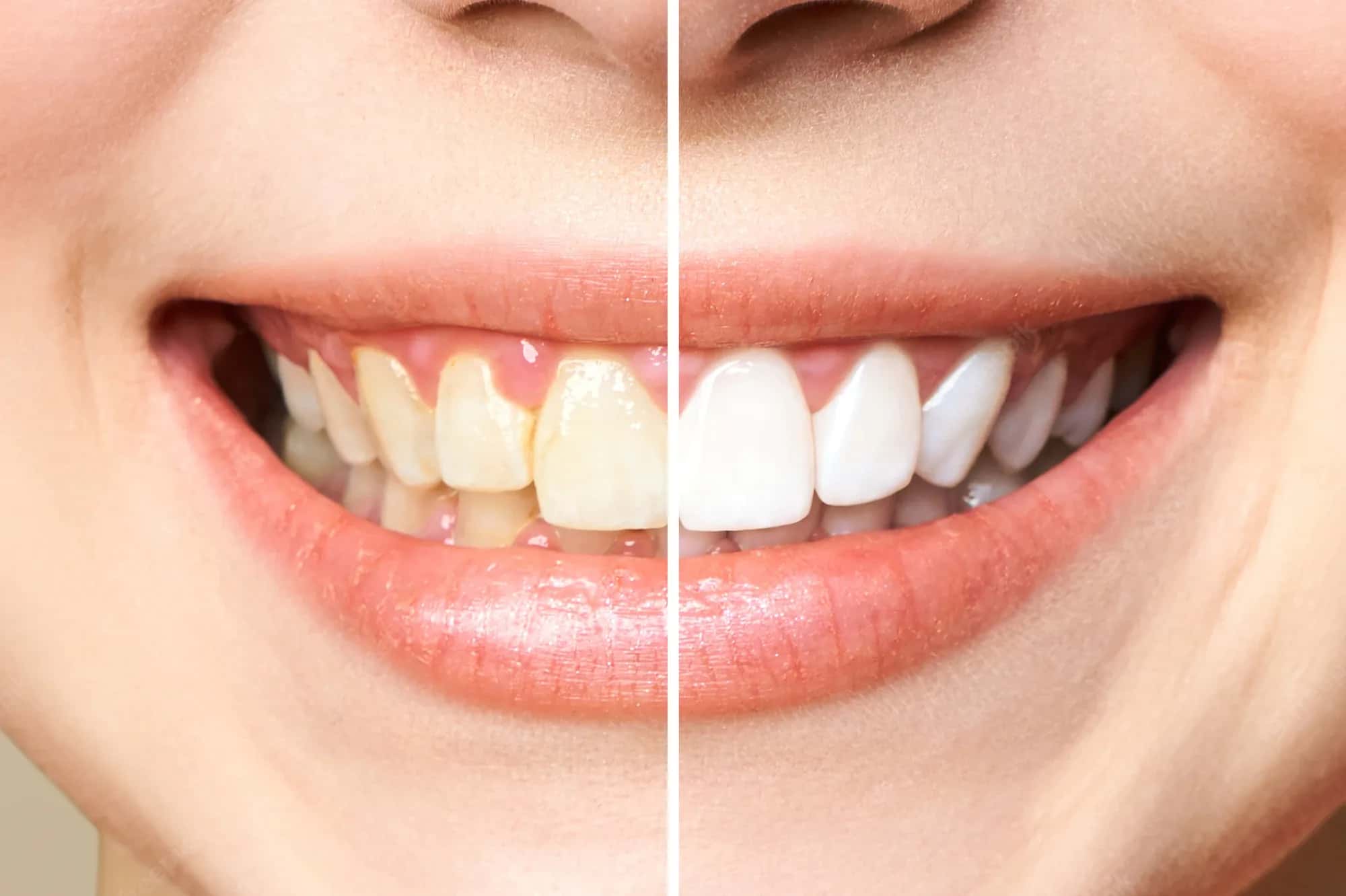
Teeth whitening costs around the world vary substantially, with professional treatment generally costing less in countries such as Turkey, Mexico and India than in the United States or United Kingdom.
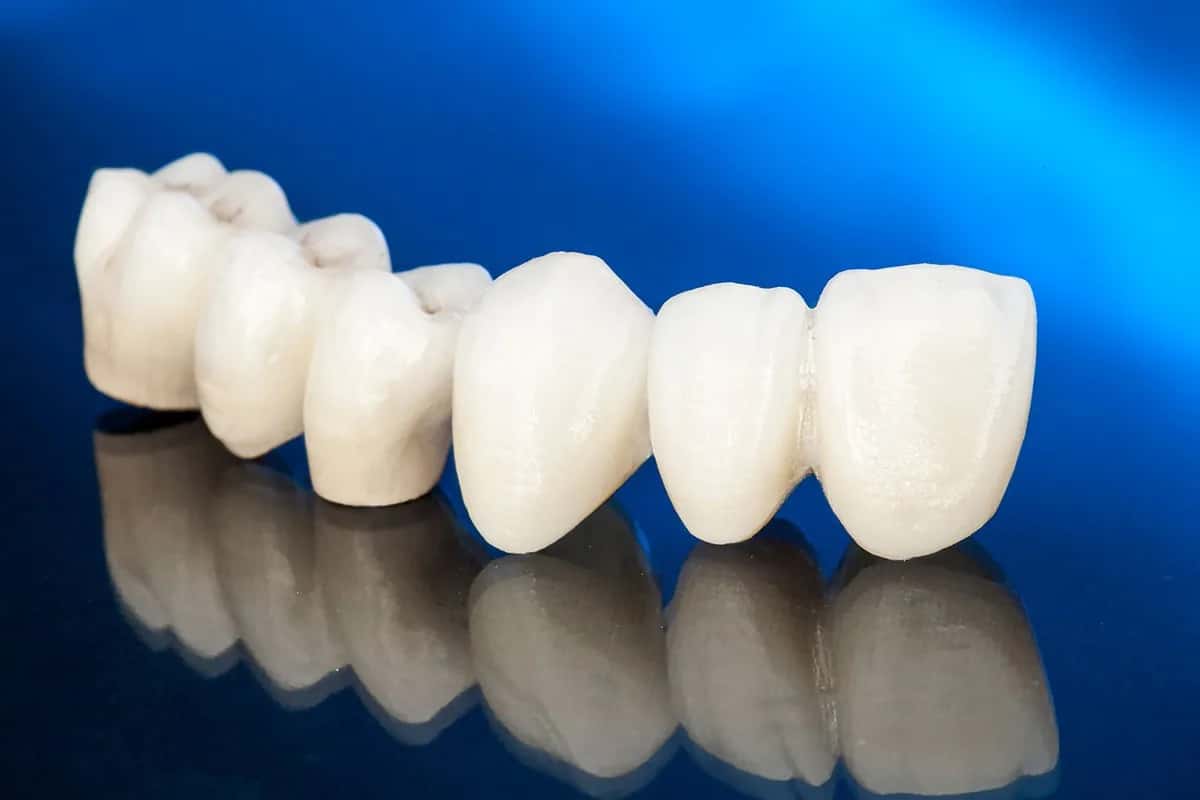
Zirconium crown costs around the world vary significantly, from approximately €180–€400 per tooth in Turkey to $1,000–$2,500 in the United States, based on published 2026 private-treatment prices.
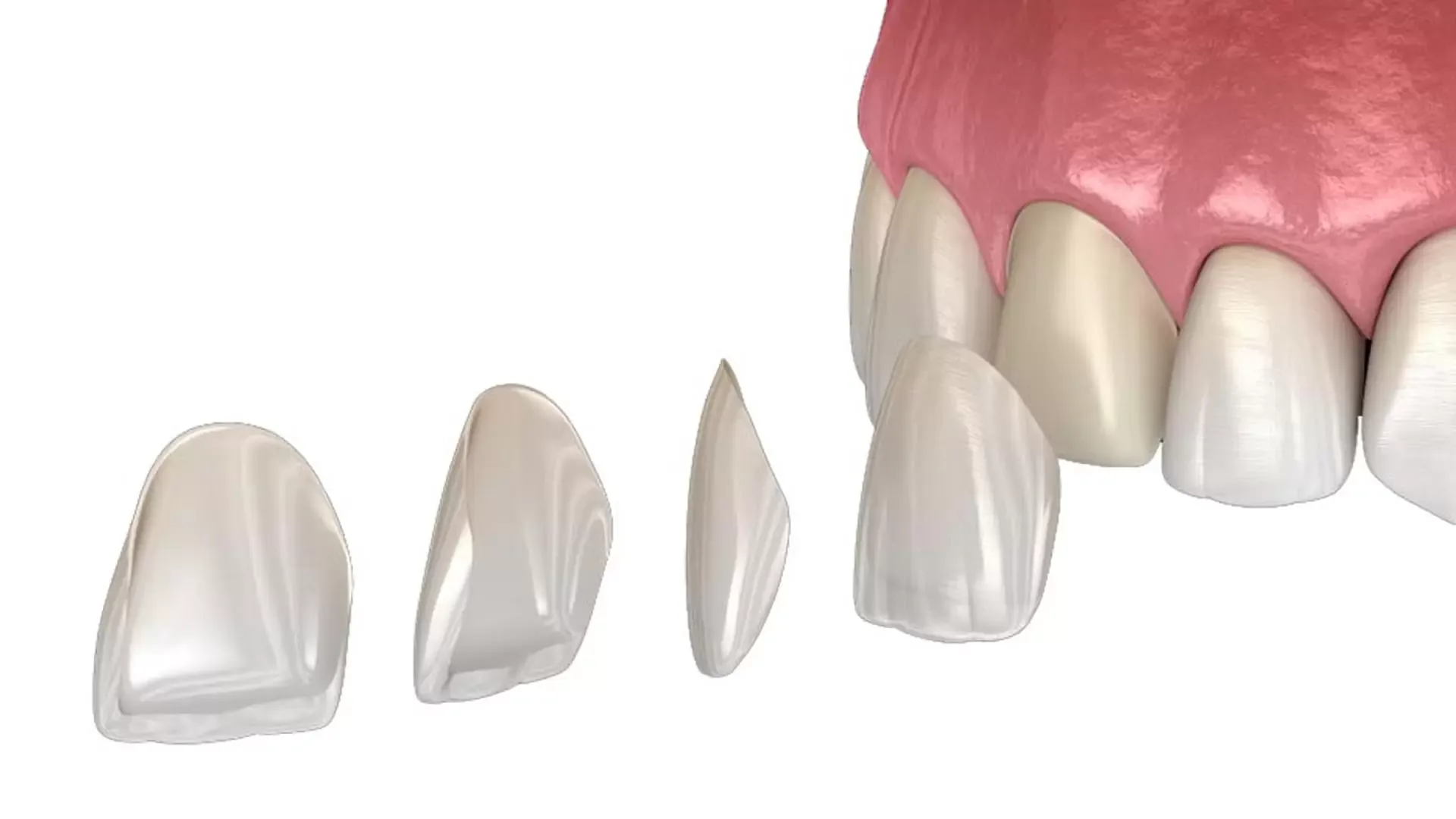
E-Max costs around the world differ significantly, with ceramic veneers and crowns available at lower published prices in countries such as Turkey, Mexico and Hungary than in the United States or United Kingdom.
Subscribe to the Medifinder newsletter and never miss our latest content.