










Recovery After Breast Surgery: A Guide to Bras, Sleep and Returning to Exercise
How should you sleep after breast surgery, and how long should you wear a sports bra? Learn about sleep, movement and returning to daily life during recovery.

- Last updated
- 16 reads
- 7 min read



During recovery from cosmetic breast surgery, it is not only the appearance of the surgical area that matters; daily habits become important too. How to sleep, which bra to wear and when you can get back to exercise are among the most common questions after surgery. So what should you pay attention to during the recovery period?
How Does Recovery After Breast Surgery Progress?
After breast augmentation, breast reduction or breast lift surgery, it takes time for the body to adapt to the new breast shape and for the surgical tissues to heal. In the first few days, tightness, swelling, bruising and tenderness in the breasts are common. For some people, everyday movements such as raising the arms or sitting up in bed may become temporarily difficult. While swelling gradually subsides over the first weeks of recovery, it can take several months for the breast tissue to settle into its final shape. Surgical scars may take even longer to mature.
The main factors that affect recovery include:
-
The type and extent of the surgery performed
-
The surgical technique used
-
The person's overall health
-
Habits that affect wound healing
-
Following post-operative care instructions
What Happens in the First 7 Days After Breast Surgery?
The first week after surgery is a period in which rest and protecting the surgical area are the priority.
In the first 24–48 hours, pain, a feeling of pressure and tenderness during movement may be more noticeable. Pain relievers prescribed by your doctor and an appropriate rest routine can help keep these symptoms under control.
Later in the first week, short walks and light daily activities may become possible. However, heavy lifting, straining the chest muscles and sudden arm movements can put stress on the healing tissues. During this period, it is important to wear the surgical bra recommended by your doctor and to look after your dressings as instructed.
Which Bra Should You Wear After Breast Surgery?
After cosmetic breast surgery, a surgical support bra or a medical bra with suitable features is usually recommended. These bras help support the breasts during recovery and reduce discomfort that may occur during movement.
When choosing a bra after surgery, look for the following features:
-
A design that supports the breasts without compressing them
-
Soft fabric that does not irritate the skin
-
A design that is easy to put on and take off
-
Seams and fastenings that do not press on the surgical area
-
The level of support and compression recommended by your surgeon
Underwire bras may not be suitable, especially in the first weeks, as they can press on the surgical incisions.
How Long Should You Wear a Sports Bra After Breast Surgery?
How long you need to wear a sports bra after breast surgery depends on the type of surgery and your surgeon's aftercare protocol. Many post-operative care plans recommend wearing a supportive bra for around 4–6 weeks. In some cases, this period may be longer.
What matters here is not only how many weeks the bra is worn, but also whether the support it provides is suitable for the surgical area. Everyday sports bras are not always a substitute for a surgical bra. For this reason, switching to a different bra or cutting back on how long you wear it should be done in line with your surgeon's advice.
How Should You Sleep After Breast Surgery?
How you sleep after breast surgery matters during recovery, both for comfort and for protecting the surgical area.
In the early post-operative period, sleeping on your back with your upper body slightly elevated is usually recommended. This position prevents direct pressure on the chest area and may help reduce swelling and discomfort for some people.
A semi-upright position supported by pillows can also make it easier to get out of bed, especially in the first few days.
When Can You Sleep on Your Side After Breast Surgery?
There is no single timeframe for returning to side sleeping that applies to everyone. Depending on the extent of the surgery and how well you are healing, you may need to sleep on your back for the first few weeks. The move to side sleeping should be assessed after a check-up with your surgeon.
Avoiding pressure on the chest area in the early period is especially important after surgeries involving silicone implants.
Can You Sleep on Your Stomach After Breast Surgery?
Because sleeping on your stomach puts direct pressure on the chest, it is generally not recommended in the early post-operative period. Once the surgical tissues have healed and tenderness has eased, returning to stomach sleeping may be possible. However, the absence of pain alone is not enough; your surgeon's assessment is needed.
When Can You Start Exercising After Breast Surgery?
Returning to exercise after breast surgery is planned according to your pre-operative activity level and the extent of the procedure performed. In the first few days, short, gentle walks can help support circulation. However, you may need to wait longer for running, weightlifting, swimming and intensive chest exercises.
A general recovery timeline can be summarized as follows:
First week: The focus is on rest and short walks. Strenuous physical activity is avoided.
Weeks 2–3: If recovery is progressing smoothly, light daily activity can be increased. Intensive exercise is not started yet.
Weeks 4–6: A gradual return to some types of exercise may be considered with your surgeon's approval.
Week 6 onward: A return to more intensive physical activity is planned according to wound healing and the specifics of the surgery performed.
These timeframes are not a fixed exercise program. Your surgeon's approval should be obtained, particularly for movements that strain the chest muscles.
Is Recovery the Same After Breast Augmentation, Breast Lift and Breast Reduction?
Although recovery after different types of cosmetic breast surgery involves similar symptoms, each procedure has its own specific characteristics.
After breast augmentation, depending on the plane in which the implant is placed, you may experience tightness in the chest muscles and discomfort during movement.
After a breast lift, the priority is protecting the reshaped breast tissue and the surgical incisions.
After breast reduction, the amount of tissue removed and the size of the incision areas can affect wound care and the recovery process.
5 Habits That Support Recovery After Breast Surgery
Temporarily adjusting some aspects of daily life after surgery can help your recovery progress more comfortably.
1. Avoid Heavy Lifting
In the first weeks, carrying heavy shopping bags, lifting children or doing movements that strain the chest muscles can cause discomfort in the surgical area.
2. Stay Away From Smoking and Nicotine Products
Nicotine can impair blood flow to the tissues, delaying wound healing and increasing the risk of complications.
3. Make Sure You Eat Well
A balanced diet rich in protein, vitamins and minerals supports normal wound healing. Drinking enough fluids is also important during recovery.
4. Do Not Miss Your Follow-Up Appointments
Post-operative check-ups are important for assessing wound healing and spotting possible complications early.
5. Do Not Try to Rush Your Recovery
Less pain does not mean that all the tissues have fully healed. The timeframes set by your surgeon should be followed, especially when it comes to returning to exercise and bra use.
Which Symptoms Are Not Normal After Breast Surgery?
Mild to moderate swelling, bruising and tenderness can be expected after surgery. However, some symptoms may indicate that a complication is developing.
Seek medical assessment without delay in the following situations:
-
Pain that steadily increases or becomes severe
-
Sudden, marked swelling of the breast
-
High fever, increasing redness or foul-smelling discharge
-
Opening of the surgical incision or unexpected bleeding
-
Marked discoloration of the skin of the breast
If you experience symptoms such as shortness of breath, chest pain or fainting, seek emergency medical help.
The American Society of Plastic Surgeons (ASPS) provides patient information on activity restrictions and care recommendations during recovery after breast augmentation surgery.
When Can You Return to Daily Life After Breast Surgery?
For most people, the return to daily life after breast surgery happens gradually. Returning to a desk job may be possible sooner than returning to work that requires heavy physical effort. However, going back to work, exercising and resuming all daily activities without restrictions are not the same thing.
To complete recovery safely, it is important to keep attending post-operative check-ups and to follow your surgeon's personalized recommendations.
Sources
-
American Society of Plastic Surgeons – Breast Augmentation Recovery
-
American Society of Plastic Surgeons – Breast Reduction Recovery
For more detail on sleeping after surgery, read How Long to Sleep Elevated After Breast Augmentation?
- Last updated
- Language
- English
How did you find this article?
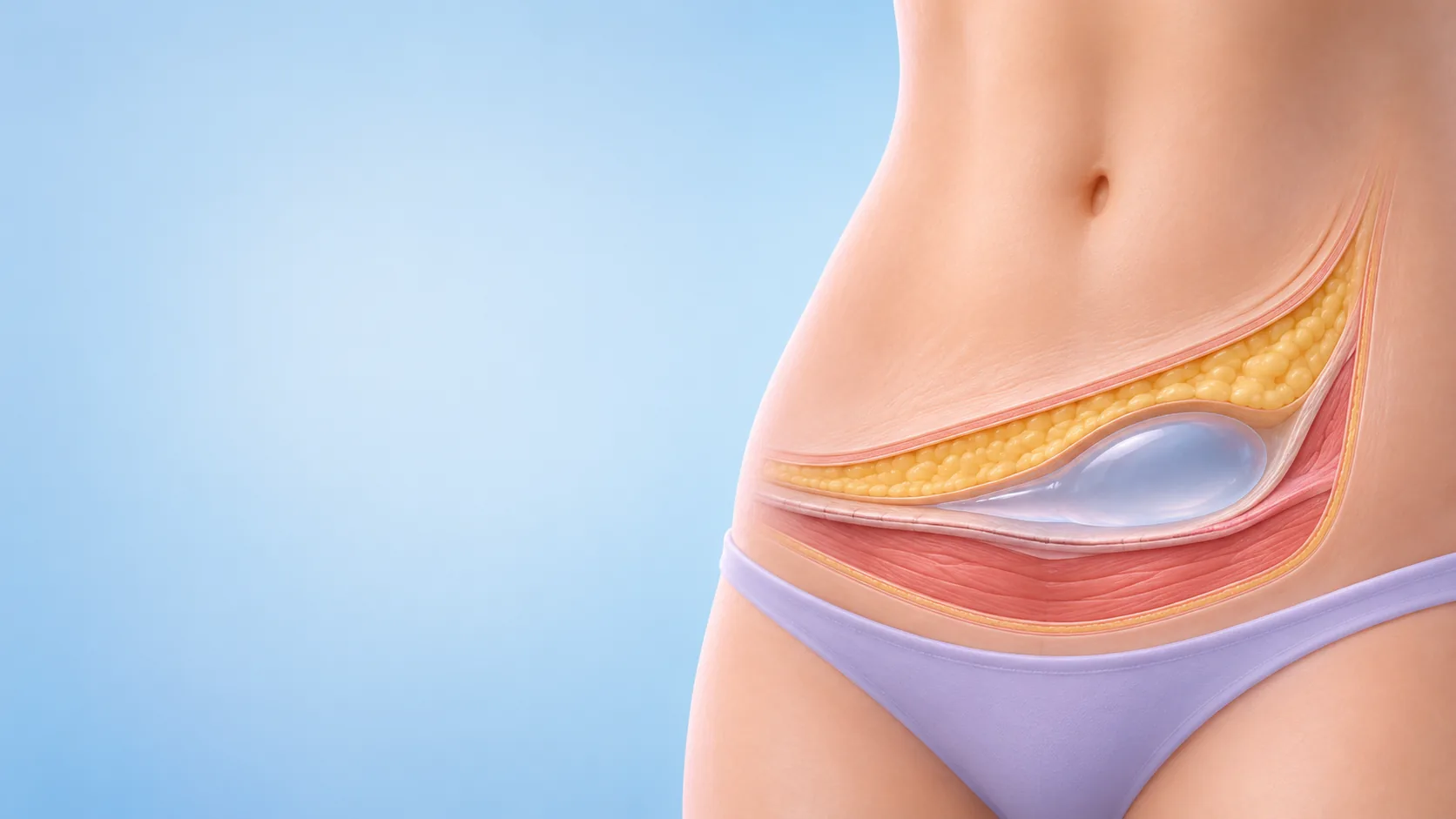
A seroma after tummy tuck can cause soft swelling or a fluid pocket. Learn the symptoms, causes, diagnosis, treatment options, and warning signs.

A crooked-looking nose after rhinoplasty may reflect swelling, scar tissue, cartilage memory, or septal changes. Learn what to watch for during healing.

What causes breast enlargement in men? Discover the causes of gynecomastia, how it differs from excess chest fat, and the treatment options available, including surgery.
Subscribe to the Medifinder newsletter and never miss our latest content.