










Breast Cancer: Overview
Breast cancer is a malignant tumor disease that occurs when cells in breast tissue multiply uncontrollably. Breast cancer stages and symptoms.

- Last updated
- 97 reads
- 11 min read
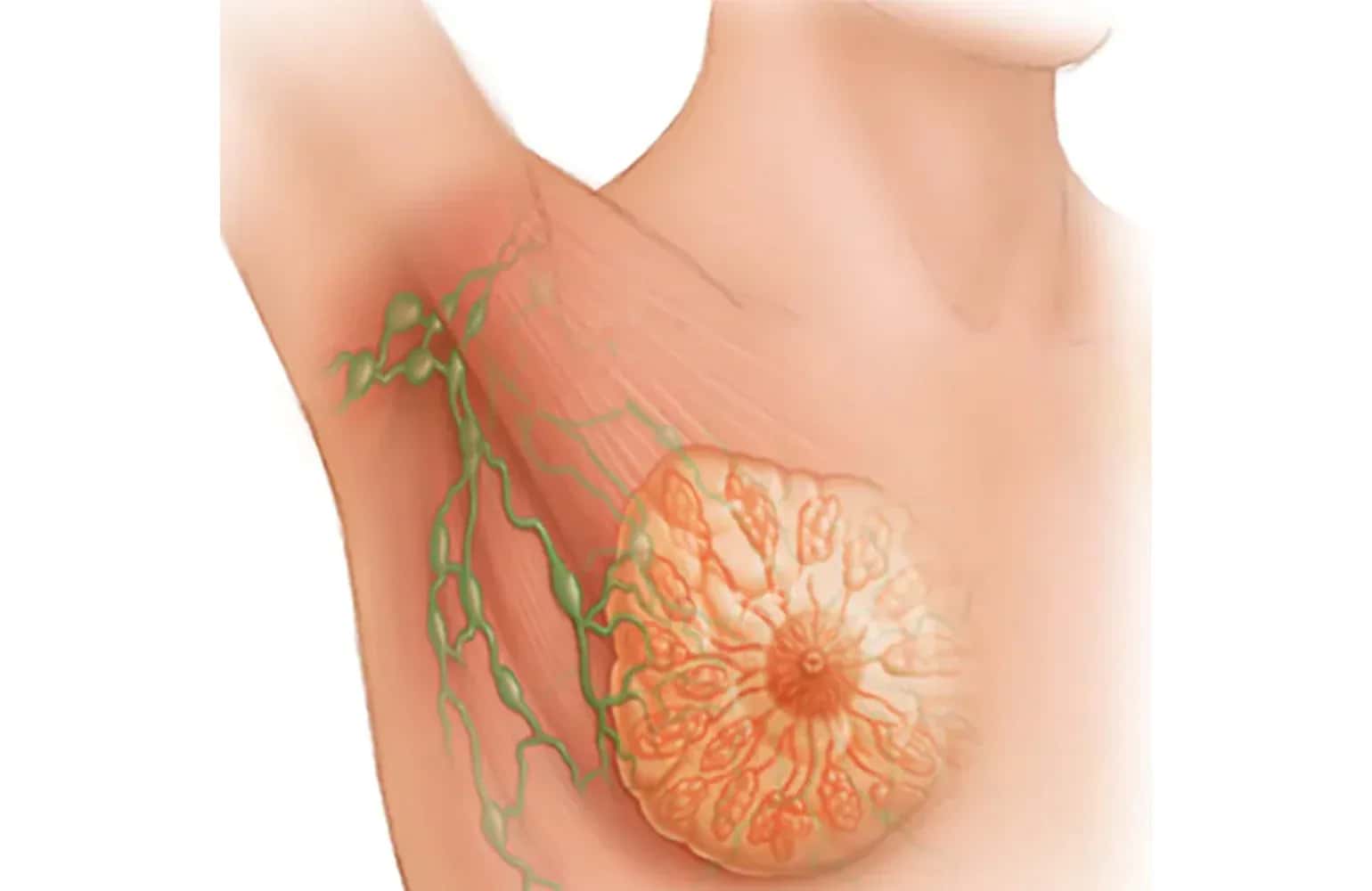


What Is Breast Cancer?
Breast cancer is a malignant tumor disease that occurs when cells in breast tissue multiply uncontrollably.
This disease most often originates from the cells that form the milk ducts or milk glands. Cells that multiply uncontrollably may form a lump or tissue change in the breast over time. In some cases, cancer cells may spread to lymph nodes or different parts of the body. Breast cancer is more common in women, but it can also develop in men. Since it may not cause symptoms in the early stages, regular screening and breast awareness are important.
How Does Breast Cancer Develop?
Breast cancer develops when changes in the DNA structure of cells in breast tissue cause them to multiply uncontrollably. Over time, these cells may lose their normal order and form a lump or tumor structure.
Breast tissue mainly consists of milk ducts, milk glands, fat tissue, and connective tissue. Breast cancer most commonly starts in the cells lining the milk ducts. Less commonly, it may also develop in the glands that produce milk. Cancer cells may initially remain limited to the area where they started; however, over time they may spread to the surrounding breast tissue.
Normal cells grow, divide, and die when necessary within a certain order. In breast cancer, the mechanisms that control cell growth are disrupted. This disruption causes cells to multiply more than necessary and leads to the accumulation of abnormal cells.
If cancer cells move into surrounding tissues, it is called invasive breast cancer. In more advanced cases, there may be a risk of spreading to different parts of the body through lymph channels or the bloodstream.
What Are the Symptoms of Breast Cancer?
Breast cancer symptoms may vary from person to person. Some people may have no obvious complaints in the early stage, while in some cases changes noticed in the breast or armpit may be the first sign. Therefore, regular check-ups and breast self-examination are important.
One of the most common symptoms of breast cancer is a hard lump felt in the breast or armpit. However, not every lump means cancer. Specialist examination and imaging methods are required for a definite evaluation.
Common Breast Cancer Symptoms:
| Symptom | Description |
|---|---|
| Lump or hardness in the breast | One of the most commonly noticed symptoms |
| Swelling in the armpit | Enlargement of lymph nodes may be seen |
| Change in breast shape | Asymmetry or deformity may occur |
| Skin dimpling on the breast | Inward pulling of the skin may be seen |
| Inversion of the nipple | Newly developed changes are important |
| Nipple discharge | Especially bloody discharge should be evaluated |
| Redness on breast skin | An inflammation-like appearance may occur |
| Orange-peel appearance | Thickening and pitting may be seen on the skin surface |
| Breast pain | Although not always present, it may occur in some patients |
Can Breast Pain Be a Symptom of Breast Cancer?
Breast pain may be a symptom of breast cancer, but on its own it is not a specific finding for cancer.
More commonly expected findings in breast cancer include a palpable lump, change in breast shape, skin dimpling, redness, or nipple discharge. Pain may also develop due to hormonal changes, cysts, infection, or musculoskeletal causes. However, breast pain that is one-sided, newly developed, persistent, or associated with a lump should be evaluated. This is because the cause of a breast complaint can be understood more reliably through examination and imaging.
What Causes Breast Cancer?
Breast cancer occurs due to genetic and biological changes that lead to uncontrolled multiplication of breast cells. These changes may disrupt the cell’s growth, division, and repair mechanisms. Some changes develop later in life, while others may be related to hereditary predisposition. Hormone exposure, age, family history, lifestyle, and environmental factors may affect risk. However, in most patients, no single definite cause can be identified. Therefore, breast cancer is a complex disease in which multiple risk factors may act together.
What Are the Risk Factors for Breast Cancer?
Breast cancer risk factors are related to age, family history, genetic predisposition, hormonal factors, and lifestyle. Advanced age, female sex, breast cancer in a first-degree relative, and certain inherited gene changes may increase risk. Early menstruation, late menopause, not giving birth, or giving birth at an older age may also affect hormone exposure.
Obesity, physical inactivity, alcohol use, and previous radiation exposure to the chest area may create additional risk. Having a risk factor does not mean that cancer will definitely develop. However, risk assessment helps personalize the screening plan.
Can Breast Cancer Occur in Men?
Yes, breast cancer can occur in men; however, it develops much more rarely than in women.
The most common symptom in men may be a hard lump felt under or around the breast. Nipple retraction, discharge, skin changes, or swelling in the armpit may also occur. Family history, genetic predisposition, radiation to the chest area, and conditions affecting estrogen balance may increase risk. Since awareness is lower in men, diagnosis may be delayed. Therefore, new breast changes require medical evaluation.
What Are the Types of Breast Cancer?
Breast cancer types are classified according to the cell where the tumor starts, its spread status, and biological features. The most common types are ductal and lobular breast cancers. If cancer cells are limited to where they started, they are called “in situ”; if they have spread to surrounding tissue, they are called “invasive.” Tumors are also divided into subgroups according to hormone receptor and HER2 status. This classification is important in determining disease behavior and treatment options. Each type may have a different clinical course, stage, and treatment response.
What Is Ductal Carcinoma?
Ductal carcinoma is a type of breast cancer that originates from the cells lining the milk ducts of the breast.
If cancer cells are limited only within the duct, it is called ductal carcinoma in situ. If the cells move outside the duct and spread to surrounding breast tissue, invasive ductal carcinoma develops. Invasive ductal carcinoma is the most common histological type of breast cancer. Diagnosis is usually made with imaging, biopsy, and pathological examination. The treatment plan is determined according to spread status and tumor biology.
What Is Lobular Carcinoma?
Lobular carcinoma is a type of cancer that originates from glandular structures in the breast called lobules, which produce milk.
Invasive lobular carcinoma describes cancer that starts in the lobules and spreads to surrounding breast tissue. This type is less common than invasive ductal carcinoma and may sometimes not form a clearly noticeable lump in the breast. In some cases, it may tend to occur in both breasts or in multiple areas. Imaging and biopsy are evaluated together for diagnosis. The treatment plan is shaped according to the tumor stage and receptor characteristics.
In Situ Breast Cancer
In situ breast cancer is the stage in which cancer cells remain limited within the duct or lobule where they started.
In this condition, the cells have not invaded the surrounding breast tissue. The best-known example is ductal carcinoma in situ, which develops in the milk ducts. The term in situ refers to the anatomical boundary where the disease is located. However, if left untreated, some cases may carry a risk of turning into invasive cancer. Therefore, after diagnosis, the decision for follow-up or treatment is planned according to pathology and imaging findings.
Invasive Breast Cancer
Invasive breast cancer is the spread of cancer cells beyond the structure where they started into the surrounding breast tissue.
Invasive ductal and invasive lobular carcinoma are the best-known types in this group. Invasiveness indicates the cancer’s ability to move into surrounding tissue and is important for staging. These cancers may have the potential to spread to lymph nodes or distant organs. Biopsy, pathological examination, and staging methods are used together in diagnosis. Treatment is planned according to tumor size, lymph node status, and biological markers.
Inflammatory Breast Cancer
Inflammatory breast cancer is a fast-progressing type of invasive breast cancer that affects the lymph vessels in the breast skin.
In this type, redness, swelling, increased warmth, and an orange-peel appearance may develop in the breast. It may not always appear with a clearly noticeable lump. Since findings may be confused with infection, prompt evaluation is important. Inflammatory breast cancer is rare, but it may follow an aggressive clinical course. Diagnosis is supported by biopsy and imaging results in addition to clinical findings.
Triple-Negative Breast Cancer
Triple-negative breast cancer is a breast cancer subtype in which estrogen, progesterone, and HER2 targets are absent.
In this subtype, hormone receptors and HER2 overexpression are not detected. Therefore, hormone therapies or HER2-targeted treatments are generally not among suitable options. Chemotherapy, immunotherapy, or other systemic options may be considered in the treatment plan. The biological behavior of triple-negative tumors may differ from other subtypes. The definitive approach is determined according to stage, tumor burden, and the patient’s general condition.
HER2-Positive Breast Cancer
HER2-positive breast cancer is a type of breast cancer in which tumor cells contain an excess amount of the HER2 protein. HER2 is a receptor involved in cell growth signals. Excessive amounts of this protein may be associated with a tendency for faster multiplication in some tumors. HER2 status is determined through special pathology tests on the biopsy sample. Detection of positivity may allow HER2-targeted drugs to be added to the treatment plan. Therefore, the HER2 result is one of the key markers that directly affects treatment decisions in breast cancer.
Hormone Receptor-Positive Breast Cancer
Hormone receptor-positive breast cancer is a cancer type in which tumor cells are sensitive to estrogen or progesterone signals. In these tumors, cancer cells may have estrogen receptors, progesterone receptors, or both. Receptor positivity indicates that hormone signals may play a role in the growth of cancer cells. This information helps plan treatments that suppress hormones or block hormone effects. Hormone receptor status is determined through pathological tests on biopsy material. Treatment selection is evaluated together with HER2 status, stage, and the patient’s menopausal status.
Breast Cancer Stages
Breast cancer stages are determined according to the spread of cancer within the breast, lymph node involvement, and distant metastasis. Staging is generally performed from 0 to 4, and as the number increases, disease spread increases. Tumor size, axillary lymph nodes, and distant organ spread are evaluated together. In current staging, hormone receptor status, HER2 status, and tumor grade also affect the treatment plan. Therefore, two tumors of the same size may be managed differently according to their biological characteristics. Stage is key information that determines treatment selection and disease follow-up planning.
Stage 0 Breast Cancer
Stage 0 breast cancer is a non-invasive stage in which abnormal cells remain limited within the duct where they started.
At this stage, the cells have not spread to surrounding breast tissue, lymph nodes, or distant organs. The most common example is ductal carcinoma in situ, which is limited within the milk duct. Stage 0 refers to an early biological phase because it has not shown spread. However, the risk of later progression to invasive cancer may be evaluated in some cases. The decision for treatment or follow-up is planned according to pathology results and personal risk status.
Stage 1 Breast Cancer
Stage 1 breast cancer is generally an early-stage invasive breast cancer limited to a small tumor. At this stage, the cancer is mostly limited to breast tissue, or there may be very small involvement in nearby lymph nodes. Tumor size and lymph node status determine the subgroups of stage 1. The disease has not spread to distant organs. The treatment plan may include surgery, radiotherapy, and systemic treatments if needed. Biological markers are as important as tumor size in determining the extent of treatment.
Stage 2 Breast Cancer
Stage 2 breast cancer is a stage in which tumor size or nearby lymph node involvement is more pronounced.
At this stage, cancer may be present in the breast, nearby lymph nodes, or both. Stage 2 is divided into subgroups according to tumor size and the degree of lymph node involvement. Distant organ spread is not expected at this stage. Treatment is planned according to the tumor’s suitability for surgery and biological characteristics. In some patients, reducing tumor burden with systemic treatment before surgery may be targeted.
Stage 3 Breast Cancer
Stage 3 breast cancer is a stage showing more advanced spread in the breast or regional lymph nodes. At this stage, cancer may involve the armpit, the area around the collarbone, or internal breast lymph nodes. The tumor may have progressed to the chest wall or breast skin. However, distant organ metastasis is not detected in stage 3. Treatment may often require combined planning of surgery, chemotherapy, radiotherapy, and targeted options. The treatment sequence is determined according to tumor extent and biological characteristics.
Stage 4 Breast Cancer
Stage 4 breast cancer is the metastatic stage in which cancer has spread to distant organs outside the breast. At this stage, distant spread is the determining factor regardless of tumor size or lymph node status. Breast cancer may spread to areas such as the bones, liver, lungs, or brain. The goal of treatment is to control the disease, reduce symptoms, and preserve quality of life. Systemic treatments are selected according to the tumor’s hormone receptor and HER2 status. Stage 4 management is individualized according to disease spread and the person’s general condition.
Why Is Staging Important in Breast Cancer?
Staging in breast cancer is important for determining treatment selection, follow-up planning, and the extent of disease spread.
The stage shows whether the tumor has remained limited to the breast and whether it has reached the lymph nodes. It also determines whether distant organ spread is present, which changes the treatment goal. In early stages, local treatments play a more prominent role, while in advanced stages systemic treatments may become more important. Staging is performed by evaluating biopsy, imaging, and pathology results together. Therefore, accurate staging forms the basis of treatment decisions tailored to the individual.
How Is Breast Cancer Detected?
Breast cancer is detected through the combined evaluation of breast examination, imaging methods, and biopsy results. A palpable lump, change in breast shape, skin dimpling, nipple discharge, or swelling in the armpit should be investigated. Mammography and ultrasound are basic methods commonly used to image suspicious areas.
When necessary, magnetic resonance imaging may be added to the evaluation. The definitive diagnosis is made through pathological examination of a biopsy taken from suspicious tissue. The pathology result determines the cancer type, receptor status, and tumor characteristics, and the treatment plan is then created.
Source:
https://www.cancer.gov/types/breast/symptoms
https://cancer.ca/en/cancer-information/cancer-types/breast/staging
- Last updated
- Language
- English
How did you find this article?
Subscribe to the Medifinder newsletter and never miss our latest content.